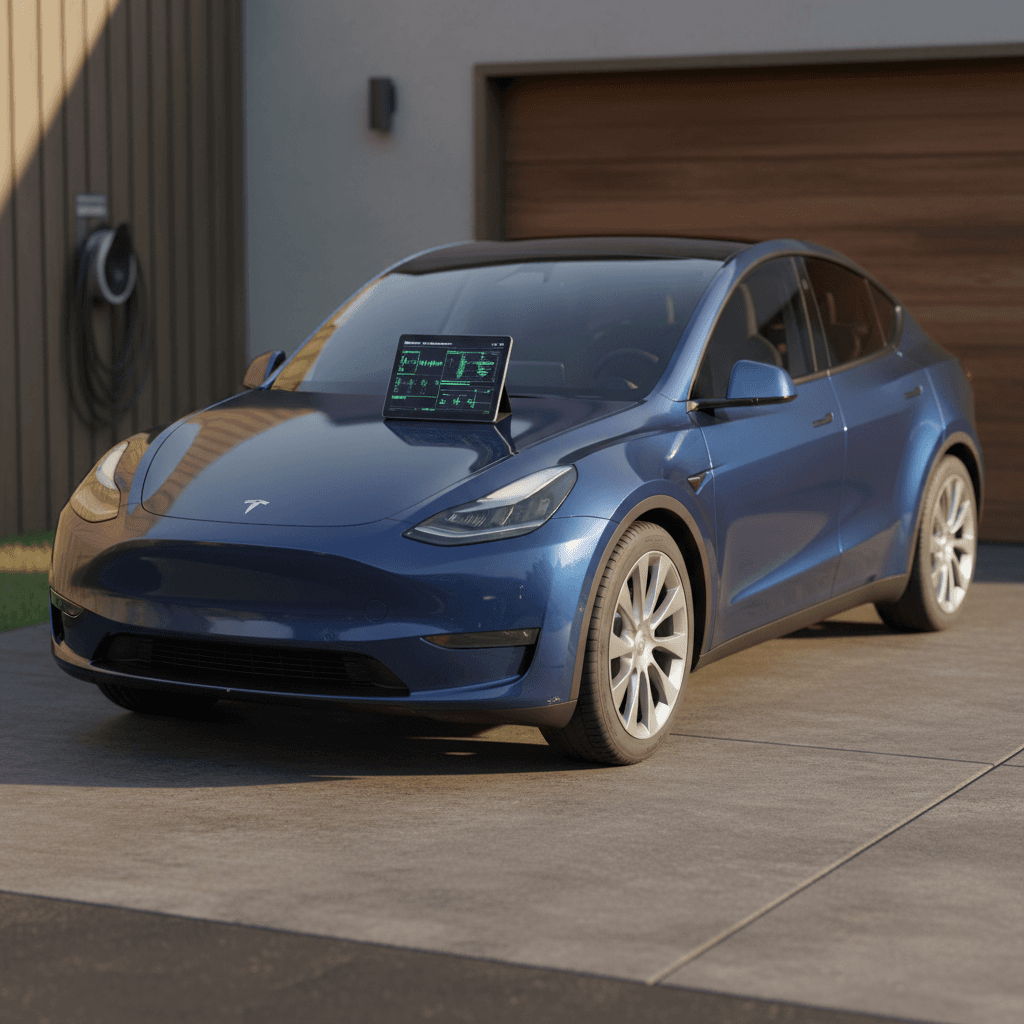
If you’ve followed the Tesla story at all, you know the plot twist: the Model Y is simultaneously the world’s bestselling EV and a recurring character in reliability horror stories. So when you search for the 2026 Tesla Model Y reliability rating, what you’re really asking is, “Did Tesla finally get its act together, or am I signing up to be beta‑tester in chief?”
A quick reliability snapshot
Why 2026 Model Y reliability matters more than ever
The 2026 Model Y isn’t just another crossover. It’s the default choice for everyone who wants a fast, efficient, software‑heavy family EV. It’s also the chassis for Tesla’s early robotaxi experiments, which means more of these cars will live hard lives in rideshare duty than almost any rival. Reliability, in this context, isn’t a luxury; it’s the difference between a futuristic family appliance and a very expensive science project parked in your driveway.
- It’s one of the most common EVs on U.S. roads, so defects affect lots of owners at once.
- Tesla’s over‑the‑air updates can fix some issues, but can also introduce new ones overnight.
- Frequent quality headlines (good and bad) directly influence resale value, especially in the used market.
- 2026 is the first full year after several major recall campaigns, a good test of whether fixes stuck.
Global vs U.S. reliability stories
The big picture: 2026 Tesla Model Y reliability rating
2026 Model Y reliability at a glance (predicted)
For 2026, you should think of the Model Y as mechanically solid but still rough‑edged around the margins. Tesla’s motors and battery packs have aged better than early skeptics predicted. The weak spots remain the same: body hardware, electronics gremlins, and the occasional software update that does something weird right before your commute.
Translate the numbers into real life
How the 2026 reliability predictions are built
1. Survey and inspection data
- Consumer Reliability studies showing improving Model Y scores thanks to fewer paint, trim, and electronics complaints in newer years.
- European TÜV inspections that flag high defect rates on 2–3‑year‑old Model Ys, often for suspension, brakes, and lighting issues discovered at periodic inspections.
2. Recalls, complaints, and software history
- NHTSA recall records for hardware and software problems affecting 2024–2026 Model Y vehicles.
- Owner reviews from major U.S. shopping and review sites, where reliability scores usually sit in the mid‑4‑out‑of‑5 range.
- Real‑world battery health data from high‑mileage Teslas showing relatively low degradation over time.
Put together, those signals say this: the 2026 Model Y is no longer a quality outlier the way early Teslas were. It’s now in the same reliability conversation as other high‑tech compact SUVs, just with a very different mix of problems.
Recalls and safety issues affecting the 2026 Model Y
One reason the 2026 Tesla Model Y reliability rating looks messy on paper is the sheer volume of recalls. Tesla uses the recall process for problems that other brands might quietly handle as service campaigns or running changes, especially for software. That means you’ll likely see more recall emails than you would in, say, a Toyota RAV4 Hybrid, but many of them will resolve with a park‑at‑home software update, not a three‑hour service visit.
Key recall themes touching 2024–2026 Model Y
Exact recall IDs change over time; always run your VIN through the NHTSA lookup before you buy or take delivery.
| Issue type | Typical fix | Owner impact | Model years affected* |
|---|---|---|---|
| Rearview camera / computer glitches | Over‑the‑air software update or car computer replacement | Loss or delay of backup camera image until fixed | 2023–2026 |
| Door latches / trim or body hardware | Part replacement at a service center | Wind noise, water leaks, or doors not closing cleanly | Varies by batch, especially early builds |
| Lighting / visibility behavior | Software update and setting changes | Headlight or taillight behavior not meeting regulations | Select 2024–2026 VIN ranges |
| Autopilot / FSD behavior safety updates | Mandatory driver‑monitoring and behavior changes via OTA updates | System becomes more conservative; some features change overnight | Large fleets including 2024–2026 |
Not every 2024–2026 Model Y is affected by every recall. Coverage depends on build date, options, and hardware generation.
Don’t ignore the software recalls
Common issues 2026 Model Y owners should watch for
Most common 2026 Model Y complaints (based on prior years)
Not every car has these problems, but they’re the patterns worth checking for.
Body hardware & trim
- Occasional misaligned panels or uneven gaps.
- Rattles from liftgate or interior trim.
- Weatherstripping wind noise at highway speeds.
Usually more annoying than catastrophic, but they affect perceived quality and resale value.
Electronics & infotainment
- Center screen reboots or freezes.
- Glitchy Bluetooth, key‑card, or phone‑key behavior.
- Random warning messages after major software updates.
Most resolve with software updates or reboots, but log everything under warranty.
Suspension & alignment
- Premature tire wear from aggressive alignment settings.
- Clunks or squeaks over low‑speed bumps.
- Misaligned steering wheel on delivery.
These are easy to miss on a short test drive. Look closely at tire wear and listen on rough pavement.
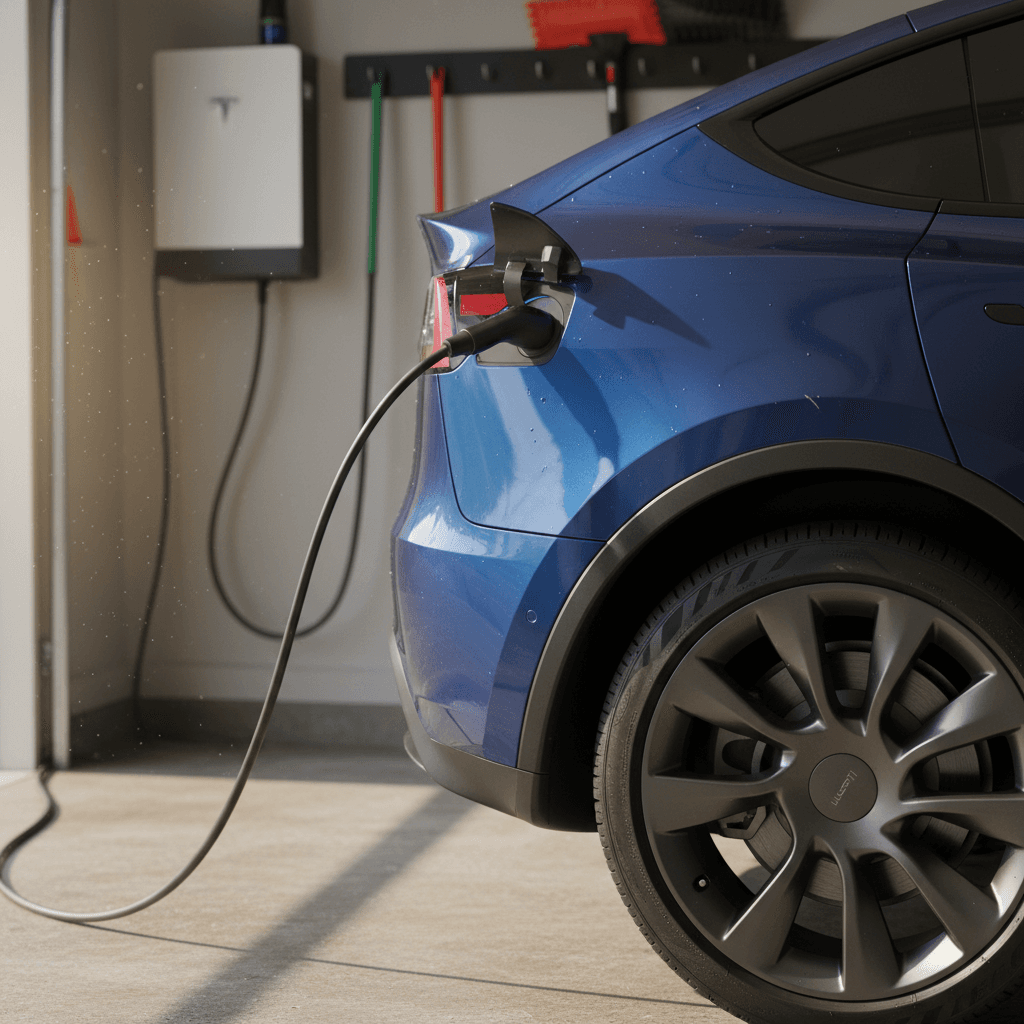
Use your ears, literally
Battery health and long‑term durability
Here’s the good news: the Model Y’s battery and motors are not the villain in this story. High‑mileage Teslas routinely show surprisingly modest degradation, thanks in part to big packs that rarely see 0% or 100% in daily use and liquid thermal management that keeps cells in their comfort zone.
- Most Model Y packs lose roughly 5–10% capacity in the first 100,000 miles when treated decently.
- Frequent DC fast‑charging can accelerate aging, but not nearly as dramatically as early EV folklore suggested.
- Tesla’s battery warranty (typically 8 years / 120k–150k miles depending on variant) still applies to the 2026 Model Y, which helps cap your downside risk.
- Drive units and inverters have proven more durable than the average turbocharged gas engine, with few catastrophic failures reported for later build years.
Where Recharged’s Score comes in
Ready to find your next EV?
Browse VehiclesAutopilot, FSD, and robotaxi: reliability vs reality
For 2026, Tesla leans even harder into the narrative that every Model Y is a robotaxi in waiting. In the real world, that means more sensors, more code, and more edge‑case behavior to manage. Federal regulators in the U.S. are still probing crashes and bizarre incidents tied to driver‑assistance software, even as Tesla rolls out robotaxi fleets in places like Austin.
What’s “reliability” for software?
- Fewer phantom‑braking episodes on highways.
- Consistent lane‑keeping and lane‑change behavior.
- No surprise steering or throttle inputs that force you to fight the car.
- Software updates that improve behavior instead of breaking features you rely on.
Where 2026 improves, and where it doesn’t
- Later FSD builds handle more traffic scenarios but can still make alarming judgment calls in complex city streets.
- Driver‑monitoring and nag prompts are more aggressive after recent safety interventions.
- If you’re not comfortable being a test pilot, treat FSD as a nice‑to‑have experiment, not the value core of your purchase.
Robotaxi hype vs your driveway
How the 2026 Model Y compares to rival EV SUVs
If you’re cross‑shopping, the question isn’t "Is the 2026 Model Y perfect?" It’s "Is it less troublesome than the other fast, connected electric crossovers I might buy instead?" The answer is nuanced.
2026 Model Y vs key EV SUV rivals (reliability lens)
High‑level comparison of predicted reliability feel, based on prior‑year data and brand histories.
| Model | Reliability feel | Common annoyances | Biggest strength |
|---|---|---|---|
| Tesla Model Y | Average to above‑average for EVs | Trim noise, software quirks, frequent recalls | Range, charging network access, performance |
| Hyundai Ioniq 5 / Kia EV6 | Above‑average so far | Occasional 12V battery and electronics hiccups | Ride comfort, interior quality |
| Ford Mustang Mach‑E | Average, slightly improving | Software bugs, charging curve complaints | Brand familiarity, dealer network |
| Volkswagen ID.4 | Below‑average to average | Infotainment lag, build quality | Spacious cabin, value pricing |
| BMW iX1/iX3 or similar | Above‑average | Sensors and driver‑assist glitches | Finish quality, dealer support |
“Predicted” means no one has several years of hard data on 2026 vehicles yet, this is an informed read of the tea leaves, not a courtroom verdict.
Where the Model Y still wins
Shopping checklist for a new or used 2026 Model Y
2026 Model Y reliability checklist
1. Run the VIN for recalls
Before you sign anything, plug the VIN into the federal recall lookup. Confirm every open recall, software or hardware, has a plan and timeline. For a used 2026 Model Y, ask for proof that prior recalls have been completed.
2. Inspect build quality in daylight
Look down the sides of the car for wavy panels, uneven hood or hatch gaps, and mismatched paint textures. Check all doors and the hatch for smooth closing, even on brand‑new cars.
3. Stress‑test the electronics
Pair your phone, test key‑card and phone‑key, run navigation, change drive modes, and cycle climate controls. Watch for lag, error messages, or reboots. Electronics issues rarely fix themselves.
4. Drive on bad pavement
Find a rough side street or broken‑up parking lot. Listen for rattles, buzzes, and suspension clunks. If it sounds loose now, it won’t magically tighten up at 30,000 miles.
5. Ask for battery health data
For a used 2026 Model Y, don’t just ask “What’s the range?” Ask for <strong>pack health documentation</strong>. On Recharged, that’s built into the Recharged Score so you know how your battery compares to peers.
6. Decide how much Autopilot you really need
Be honest with yourself: are you excited to beta‑test new behaviors, or do you just want a good adaptive cruise system? That answer should drive how much you pay for FSD, if at all.
Leaning toward used? You’re not alone.
FAQ: 2026 Tesla Model Y reliability rating
Frequently asked questions
Bottom line: Should you trust the 2026 Model Y?
If you strip away the hype, the 2026 Tesla Model Y looks like what it is: a mass‑market electric appliance wrapped in Silicon Valley bravado. Its predicted reliability rating is no longer a red flag; it’s a cautiously optimistic yellow light. The hardware, battery, motors, structure, has matured nicely. The friction lives in the seams: trim, tire wear, intermittent electronics, and a stream of software changes you didn’t ask for.
If you can live with those quirks, the 2026 Model Y still offers a combination of range, performance, and charging access that’s hard to match. If you want fewer surprises, your best move is to buy with eyes wide open: verify recalls, listen for rattles, insist on battery‑health data, and lean on data‑driven marketplaces like Recharged, where every used EV carries a Recharged Score report and EV‑savvy support from the first click to the delivery truck.
In other words: the 2026 Model Y is probably trustworthy enough, as long as you’re as rigorous about the car as Tesla is ambitious with the software. Treat it like a machine, not a miracle, and it can be a very satisfying, very fast partner in your daily life.