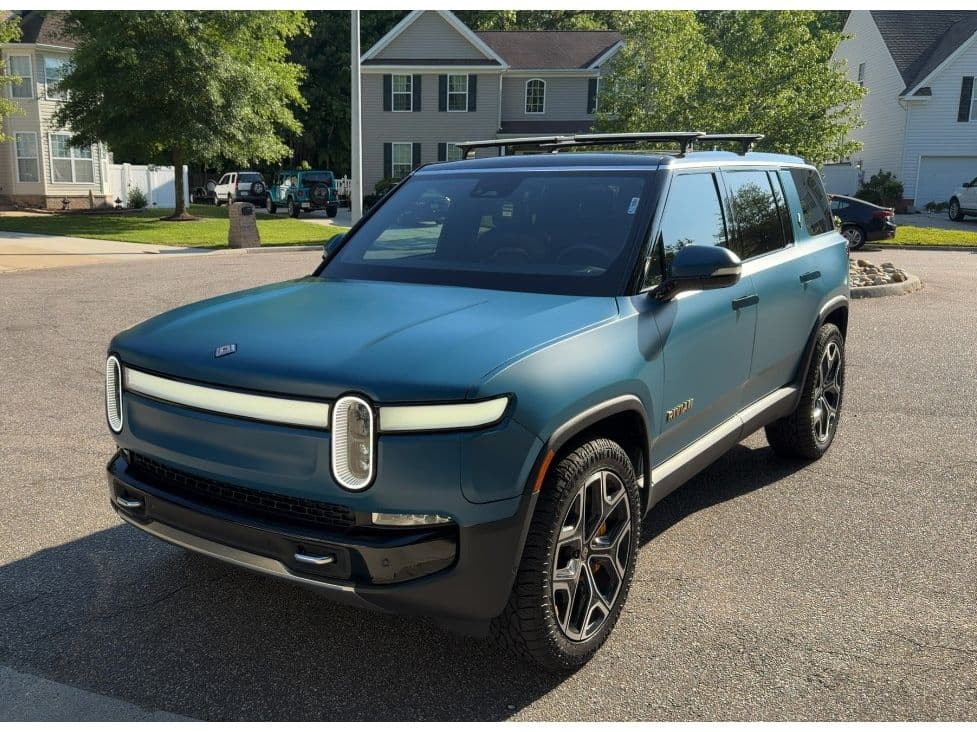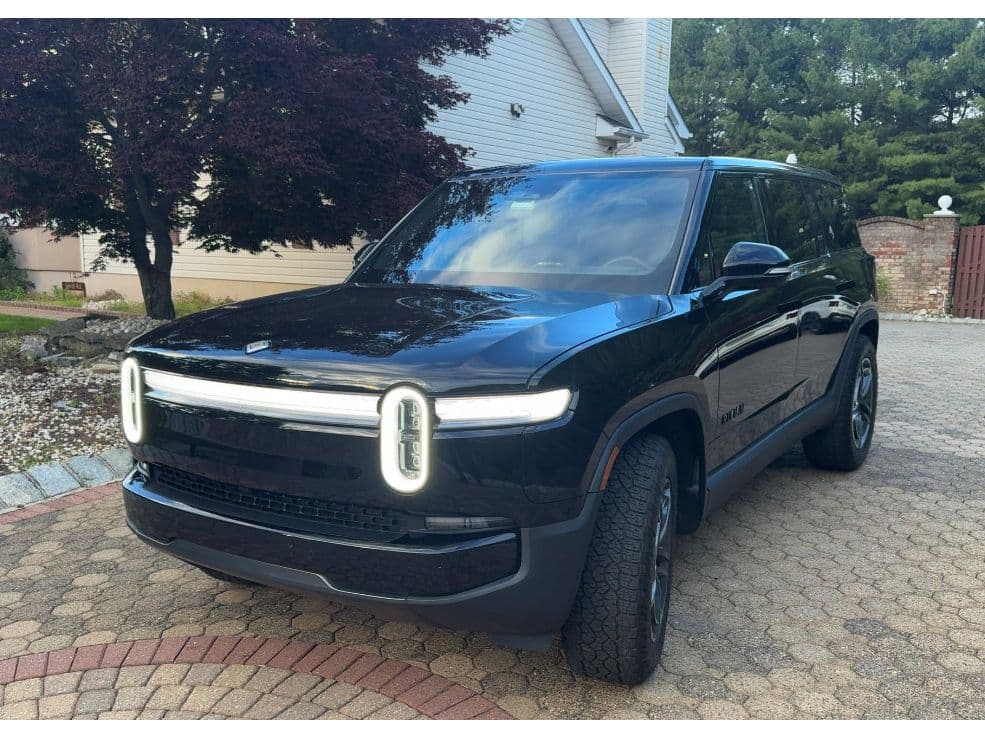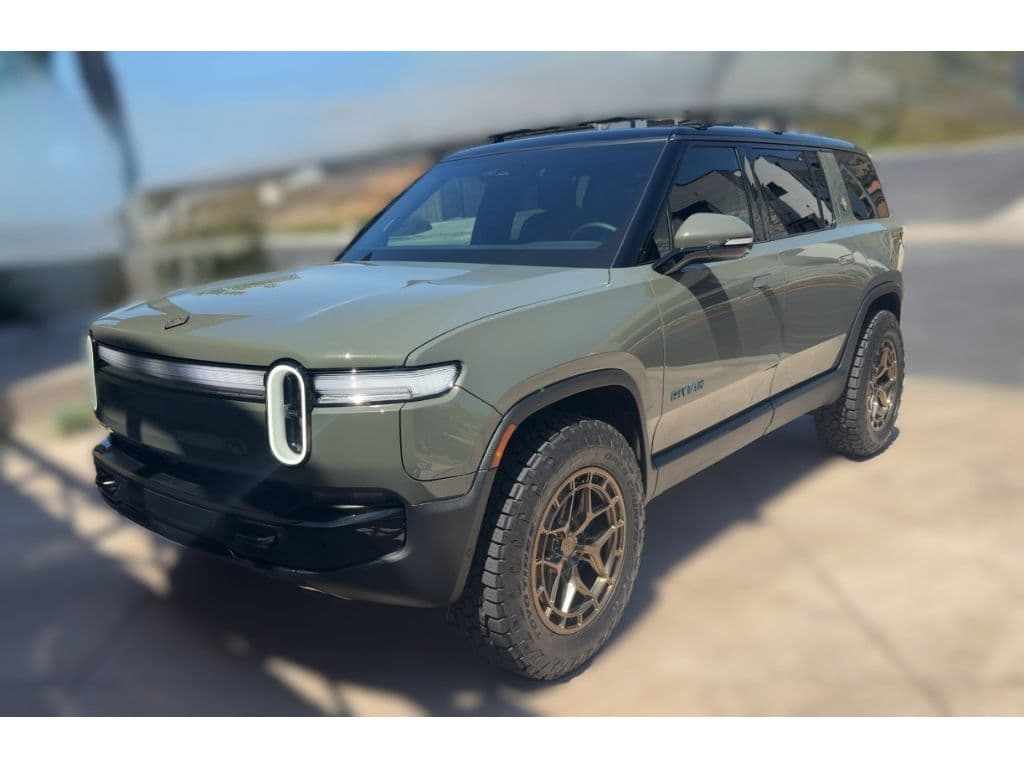
If you’re eyeing a Rivian R1S, or already own one, understanding its depreciation rate is just as important as knowing its 0–60 time. Luxury EV SUVs like the R1S can shed value quickly, but that story is more nuanced than the scare‑headlines suggest. The good news: if you play your cards right, a used R1S can be a compelling value, and tools like a verified battery report can protect you on both the buying and selling side.
Quick snapshot
Why the Rivian R1S depreciation rate matters
Depreciation, how much value your R1S loses over time, is the single biggest part of your total cost of ownership. AAA’s 2025 “Your Driving Costs” analysis found that depreciation is the largest ownership expense for new vehicles, even bigger than energy or maintenance. For EVs, that effect is magnified because prices start high and technology evolves fast, causing earlier models to look dated sooner.
- It shapes whether your monthly cost to drive an R1S actually pencils out versus a gas luxury SUV.
- It determines if buying new or used makes more sense for you.
- It tells you how aggressive to be on price when you’re shopping a used R1S or accepting a trade‑in offer.
If you think of the R1S as a tech product on wheels rather than a traditional SUV, its depreciation curve starts to make a lot more sense, and you can plan around it instead of being surprised by it.
How fast does a Rivian R1S depreciate?
Headline Rivian R1S depreciation numbers
To ground this, look at a mainstream valuation example. Edmunds’ 5‑year forecast for a 2025 Rivian R1S in good condition shows roughly $39,000 of depreciation over five years, moving from the low‑$80,000s down into the low‑$40,000s. That’s in the same ballpark as broader EV depreciation studies that peg electric vehicles at around 58–60% value loss over five years, and luxury EV SUVs higher still.
Separate analyses of EV resale value have also singled out the R1S specifically as one of the harsher cases in the EV world, with estimates near 70% depreciation over five years. In plain English: if you buy a well‑optioned R1S around $90,000 and own it for five years, you should not be shocked if its private‑party resale value has drifted into the low‑ to mid‑$20,000s by then. Real‑world outcomes will vary, but you should budget on that order of magnitude.
Sticker price vs. net price
Rivian R1S vs other EVs and gas SUVs
How the Rivian R1S stacks up on depreciation
Approximate 5‑year depreciation rates by segment and model, based on 2024–2025 resale studies and valuation guides.
| Vehicle / Segment | Typical 5‑Year Depreciation | Notes |
|---|---|---|
| Rivian R1S (luxury EV SUV) | ~65–70% | Among the higher‑depreciation EVs; tech moves fast and Rivian is still a young brand. |
| Luxury EV SUV average | ~66% | High MSRPs and rapid tech turnover drive steeper losses than mainstream EVs. |
| Rivian R1T (EV pickup) | ~48–53% | Holds value noticeably better than the R1S, closer to trucks overall. |
| All EVs (average) | ~59% | EVs as a group depreciate faster than ICE vehicles in current market data. |
| Gas luxury SUV | ~50–55% | Still depreciate heavily but usually retain more value than comparable EVs. |
| All vehicles (ICE + hybrid + EV) | ~46% | Baseline 5‑year depreciation across the entire U.S. market. |
Percentages are industry‑wide approximations, not guarantees for any individual vehicle.
Two things jump out here. First, the R1S behaves less like a Toyota Highlander and more like a high‑end smartphone: the price drops fast as new hardware and software hit the market. Second, depreciation is much milder on the R1T pickup, which benefits from the historically strong resale profile of trucks.
Rivian R1S
- New prices commonly in the mid‑$70k to $90k+ range depending on battery and motors.
- Still building its reputation for reliability and support as a younger brand.
- Depreciation driven by rapid updates (Enduro drive units, software, hardware refreshes) and shifting demand.
Tesla Model X & peers
- Similar or higher MSRPs, but a longer resale track record.
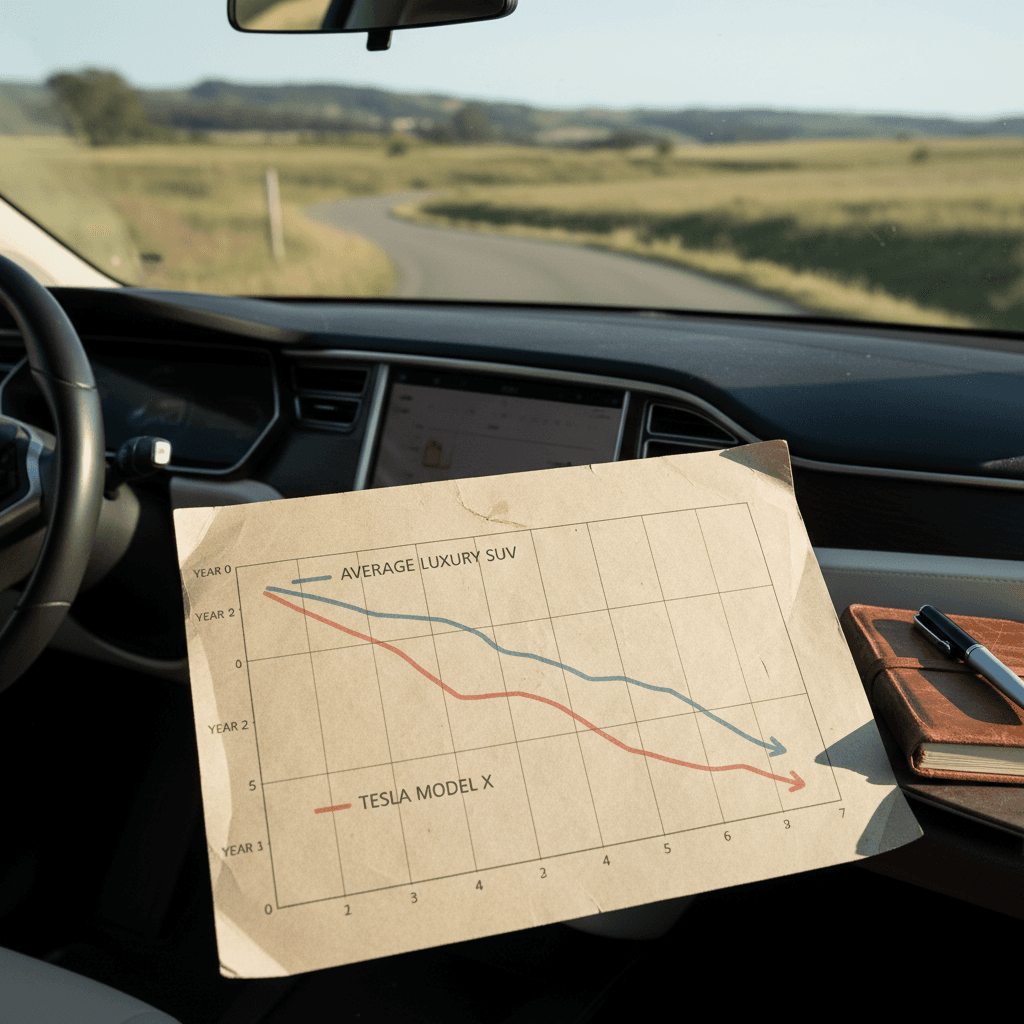
- Tesla’s resale has softened lately as well, with 5‑year losses often around 60%+ in recent data.
- Legacy premium SUVs from BMW, Mercedes, Lexus typically lose ~50–55% in five years, still painful, but better than the R1S in most studies.
What actually drives Rivian R1S depreciation?
Four big levers behind R1S resale value
Some you control, some you don’t, but you should understand all of them.
1. Tech and hardware pace
2. Brand age and perceived risk
3. Supply, demand, and EV sentiment
4. Incentives and interest rates
Why EVs overall look worse on paper
Real‑world used Rivian R1S prices in 2025–2026
Marketplace and dealer listings in late 2025 and early 2026 paint a consistent picture: many used R1S models are $15,000–$25,000 below original sticker within 2–3 years, and sometimes more for high‑MSRP Quad Motor builds. It’s common to see well‑optioned 2023–2024 R1S examples that originally stickered around $90,000 now listed in the mid‑$60,000s to low‑$70,000s with mileage under 30,000.
Independent coverage of the U.S. used‑EV market in 2025 has highlighted Rivian’s R1 models as examples of this pattern: three‑year‑old trucks and SUVs often trading at a shade under 70% of their original MSRP (30%+ depreciation) despite relatively low mileage and strong performance. That’s painful if you bought new, but exactly what used‑EV shoppers hope to see.
How mileage, battery health, and trim affect value
What matters most for your individual R1S’s value
1. Verified battery health (SOH)
For any EV, <strong>State of Health</strong> (SOH) is the number that matters. Industry‑wide data suggests modern EV packs lose ~1.5–2% capacity per year on average, but actual health can vary widely by use and climate. A documented SOH of 85–90%+ on a 3–4‑year‑old R1S is a green flag; anything under ~80% is a negotiation point and under ~75% is a serious concern.
2. Mileage and duty cycle
R1S buyers tend to use these as adventure vehicles. An SUV that has 40,000 highway miles and light off‑road use will generally be valued more than one with 20,000 hard, off‑road miles, frequent towing, or heavy fast‑charging. Shoppers will pay more for vehicles with clear, documented usage patterns and service history.
3. Motor and battery configuration
Quad‑Motor, Max Pack, and later‑generation drive units carry different desirability and future‑proofing signals. In many cases, used buyers gravitate toward <strong>newer dual‑motor Enduro builds</strong> for their efficiency and lower complexity, rather than the very earliest quad‑motor SUVs.
4. Warranty status and transferability
Rivian’s battery and drivetrain coverage runs long enough that most 3–5‑year‑old R1S examples will still have factory warranty coverage. A used R1S with several years of battery and drive‑unit warranty remaining can command a meaningful premium over a similar SUV that’s just aged out.
5. Cosmetic and off‑road wear
Because R1S owners actually use their trucks, underbody scrapes, wheel rash, and interior wear are common. Clean, well‑detailed vehicles with minimal off‑road scarring and no accident history are consistently at the top of the value range.
Why a battery report is non‑negotiable
Projected 3–5 year Rivian R1S value
Depreciation is never a straight line, but given what we know today, you can sketch out reasonable scenarios for a new Rivian R1S purchased around $85,000–$90,000 in 2025:
Illustrative Rivian R1S depreciation curve (new purchase, ~$88,000 MSRP)
Approximate private‑party values assuming normal mileage and no major accidents. This is not a guarantee, but a planning tool based on current trends.
| Age of Vehicle | Estimated Value Range | Approx. Depreciation From MSRP | What This Usually Looks Like |
|---|---|---|---|
| Year 1 | $70,000–$75,000 | ‑15% to ‑20% | Still nearly new; early miles and any incentives absorbed. |
| Year 3 | $55,000–$65,000 | ‑25% to ‑35% | Sweet spot for used buyers; tech still current, depreciation slowing. |
| Year 5 | $25,000–$32,000 | ‑60% to ‑70% | Luxury EV SUV behaves like a high‑end gadget; big savings for second/third owners. |
Actual outcomes will depend heavily on macro EV demand, Rivian’s financial trajectory, and future hardware changes.
These are scenarios, not promises
Strategies to reduce your R1S depreciation hit
Five ways to keep more value in your R1S
You can’t eliminate depreciation, but you can avoid the worst of it.
1. Stretch your ownership window
2. Avoid over‑spec’ing
3. Protect the battery and tires
4. Document everything
5. Time your exit smartly
Buying a used Rivian R1S: smart or risky?
From a purely economic standpoint, a 3‑year‑old R1S might be the sweet spot. Much of the “early adopter tax” has already been paid by the first owner, you still have active battery and drivetrain warranty coverage, and the tech stack is modern enough to feel current. The key is separating great used SUVs from problem children.
Upsides of buying used
- Massive savings vs. new: $15k–$30k below original MSRP is common for clean, low‑mileage trucks.
- Lower effective cost per mile if you plan to drive the SUV for years.
- You skip the steepest part of the depreciation curve but still enjoy the Rivian experience.
Risks to manage
- Unknown battery and drivetrain history if you don’t have a proper health report.
- Potential out‑of‑pocket repairs if you buy right as certain warranties expire.
- Market volatility: values could move quickly if incentives, interest rates, or Rivian’s lineup change.
How Recharged helps used R1S buyers
Ready to find your next EV?
Browse VehiclesSelling or trading in your Rivian R1S
If you already own an R1S, the depreciation story is about optimizing your exit. You can’t go back in time and change what you paid, but you can control how and where you sell.
Steps to maximize your R1S sale price
1. Get an up‑to‑date valuation
Start with multiple data points: instant‑offer tools, trade‑in quotes, and recent comparable sales. Look at vehicles that match your <strong>year, trim, mileage, and options</strong> rather than broad averages.
2. Secure a battery health report
If you’re not listing through a platform that provides one, get an <strong>independent battery diagnostic</strong>. Being able to show strong SOH helps justify a price closer to the top of the market range.
3. Recondition strategically
Fix curb rash, address obvious cosmetic flaws, and have the truck professionally detailed. Avoid over‑investing in mods that won’t raise value, but do handle the glaring items that would give used‑car buyers leverage.
4. Evaluate selling channels
You’ll typically see a hierarchy of outcomes: <strong>wholesale < instant offer < dealer trade‑in < consignment < private party</strong>. Each step up usually adds price but also effort and risk.
5. Consider consignment with an EV specialist
Consignment through an EV‑focused retailer like Recharged can split the difference: you get professional marketing, battery diagnostics, and shopper trust while often netting more than a basic trade‑in.
Watch out for lowball panic offers
Rivian R1S depreciation FAQ
Frequently asked questions about Rivian R1S depreciation
Key takeaways for current and future R1S owners
The Rivian R1S depreciation rate is undeniably steep by traditional SUV standards, especially over a five‑year window. But if you understand the forces behind that curve, and use them to your advantage, it doesn’t have to be a deal‑breaker. New buyers should go in with clear eyes about total cost of ownership and plan to keep the truck long enough to justify it. Used buyers can leverage the early drop to access a truly premium electric SUV at a sizable discount, provided they insist on hard data about battery health and history.
If you’re evaluating a used R1S today, or thinking about selling yours, Recharged was built for exactly this moment in the EV market. With Recharged Score battery‑health diagnostics, expert EV guidance, trade‑in or consignment options, and nationwide delivery, you can treat depreciation as a planning input, not an unwelcome surprise.