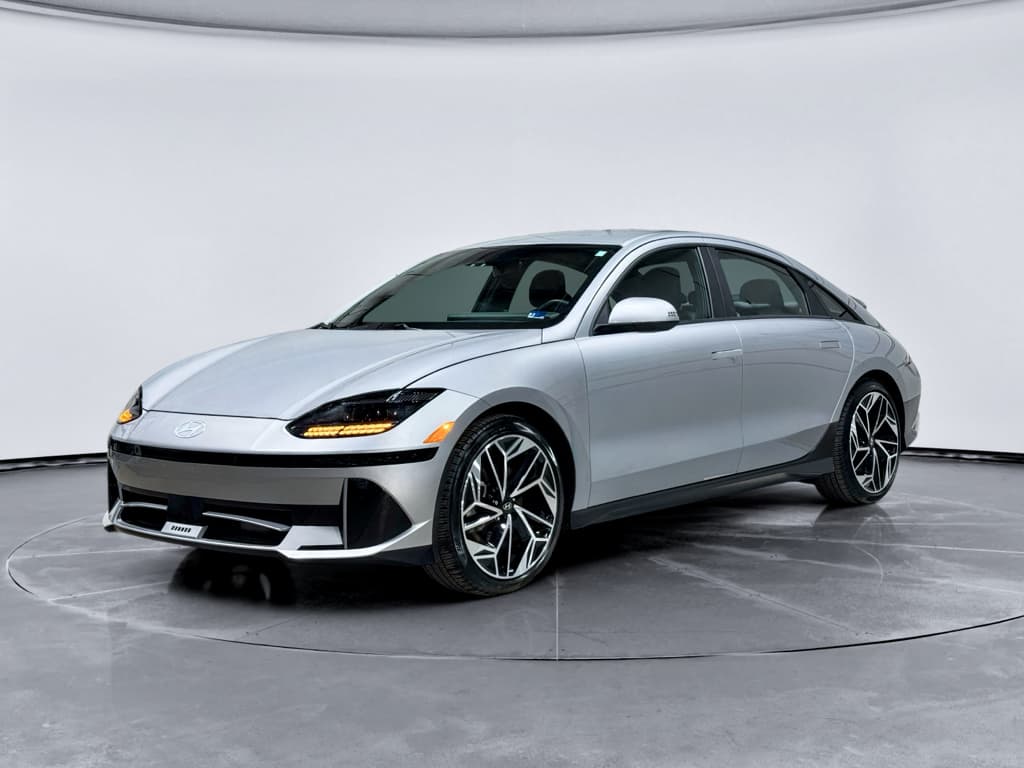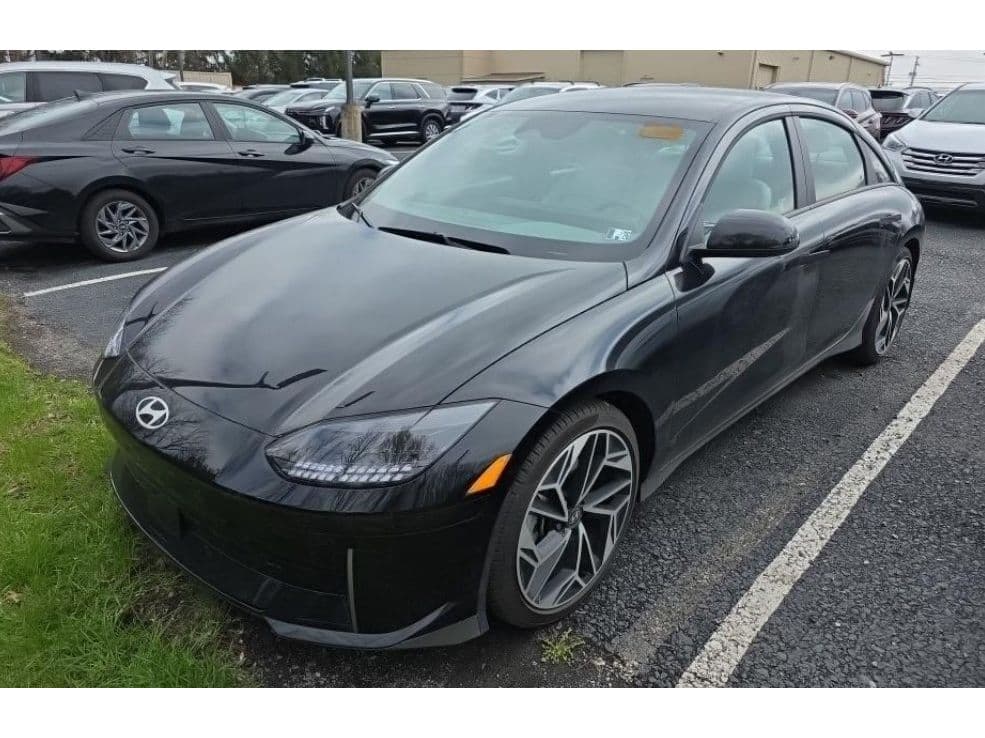
If you’re driving a 2025 Hyundai Ioniq 6 and thinking about trading it in, prepare yourself: the numbers are going to feel harsh. Between factory discounts, tax credits, and the usual EV jitters about range and tech obsolescence, trade‑in value for the 2025 Ioniq 6 in 2026 is nowhere near the original window sticker. But that doesn’t mean you’re powerless, or that every offer has to be painful.
Context: The Ioniq 6 is a "discounted new" car
Overview: 2025 Ioniq 6 trade‑in value in 2026
2025 Hyundai Ioniq 6 value snapshot (typical U.S. market, 2026)
Let’s be blunt: the Ioniq 6 is one of the steepest‑depreciating modern EV sedans. Market guides for 2024 models already show trade‑in values in the mid‑$20,000s for clean examples, with retail listings often $5,000–$8,000 higher. Extrapolate that to the 2025 model year and you’re looking at a car that can easily shed 30–40% of its effective purchase price in the first 18–24 months, especially if you bought before big price cuts or without the full $7,500 benefit.
Hyundai’s own aggressive discounting and lease programs make the math even trickier: two nearly identical Ioniq 6s may have wildly different original transaction prices. That’s why you’ll see one owner upside‑down by $10,000, while another could break even or better, it all depends on what you actually paid, not what the sticker said.
What dealers are actually paying for Ioniq 6 trade‑ins
If you walk into a mainstream franchise dealer today with a clean, average‑mileage 2024 Ioniq 6, the big pricing guides tend to peg trade‑in value in the mid‑$20,000s to low‑$30,000s depending on trim, options, and condition. For Limited and AWD trims, high‑20s to mid‑30s is common on paper; SE and SEL cars can fall a few thousand lower. Real‑world offers often start at the low end of those ranges, especially if you’re not buying a replacement car from the same store.
1. The wholesale reality
Traditional dealers live in the auction lane world. When they appraise your Ioniq 6, they’re really asking, “What would this bring at auction next week?” Ioniq 6s, like many newer EVs, have been trading soft at wholesale, so appraisals are conservative.
If a dealer thinks they can only get $24,000–$26,000 at auction, your starting offer will be anchored below that number, not above.
2. The retail reality
The same car may realistically retail in the high‑$20,000s to mid‑$30,000s on a used‑EV‑focused lot or marketplace, especially with low miles and remaining factory warranty.
That spread, often $4,000–$7,000 between wholesale and the price a patient retail buyer will pay, is the space where you either lose money or recover it, depending on how you sell.
Don’t fixate on MSRP
Why the Hyundai Ioniq 6 depreciates so fast
Four forces pushing Ioniq 6 trade‑in values down
None of them are about the car being bad. They’re about the market being weird.
1. Silent $7,500 haircut
The federal EV tax credit or equivalent lease cash meant many buyers effectively paid thousands less than MSRP. That invisible discount pulled used prices down from day one. A 2025 SEL that was $45,000 on paper may have cost the first owner mid‑$30,000s after deals.
2. Rapid EV tech turnover
New EVs gain range, efficiency, and charging speed almost yearly. Even though the Ioniq 6 is still highly competitive, especially on efficiency, it’s caught in the perception that “next year’s battery will be better,” which hurts resale.
3. Hyundai’s value reputation
Hyundai has spent decades teaching buyers to expect big discounts and generous warranties. Great when you’re buying, punishing when you’re selling. Shoppers walk onto a lot expecting a deal, even on low‑mile used cars.
4. Overhang of discounted new cars
When new Ioniq 6s are advertised with huge rebates or headline leases, a used example has to be meaningfully cheaper to make sense. That compresses trade‑in values even for well‑optioned cars.
The upside: strong hardware, strong warranty
5 big factors that move your trade‑in value
The levers that matter most to appraisers
1. Trim, drivetrain, and options
Limited and SEL trims, plus AWD, tend to bring more on trade than base SE models, but only up to a point. Some niche options (like big wheels that hurt range) don’t return much value at auction.
2. Mileage vs model year
For a 2025 Ioniq 6, being under 15,000 miles in 2026 is a plus. Past ~30,000 miles, dealers start pricing as a high‑use car regardless of how gently you’ve driven it.
3. Battery & charging health story
Hyundai’s 10‑year/100,000‑mile battery warranty is a big asset, but only if a buyer believes the pack is healthy. Documented fast‑charging behavior, no high‑voltage warning lights, and a clean service history all help your case.
4. Cosmetic condition and tires
Curb‑rashed aero wheels, stained seats, and worn tires are fast ways to drag your appraisal down by $1,000–$2,000. Dealers see reconditioning cost; buyers see a car that wasn’t loved.
5. Local demand for EVs
Ioniq 6 resale is very zip‑code dependent. In EV‑friendly metros with robust charging, dealers pay more because they know they can flip the car quickly. In regions still skeptical of EVs, they’ll bid as if they’re taking a risk.
How to ballpark your 2025 Ioniq 6 trade‑in value
You don’t need a PhD in residual values to get within a few thousand dollars of your 2025 Hyundai Ioniq 6 trade‑in value. You just need to approach it like a dealer: start with the real‑world retail market, then work backwards to what a wholesale buyer can justify.
- Look up recent sales and listings for 2024–2025 Hyundai Ioniq 6 models with similar trim, mileage, and options on major used‑car sites. Ignore wild outliers.
- Focus on actual transaction data where available (sold or pending status), not aspirational asking prices at the top of the range.
- Estimate your car’s likely retail price band. For a 2025 SEL RWD with average miles in 2026, that might be, for example, $29,000–$33,000 depending on market.
- Subtract a realistic dealer margin and reconditioning budget, often $3,000–$6,000 for an EV. Where you land is roughly what a risk‑averse dealer can pay on trade.
- Compare that number to instant‑offer tools and local dealer appraisals. If everyone’s within $1,000–$2,000 of your estimate, the market is speaking clearly. If one offer is thousands higher, scrutinize the fine print.
Use guides as guardrails, not gospel
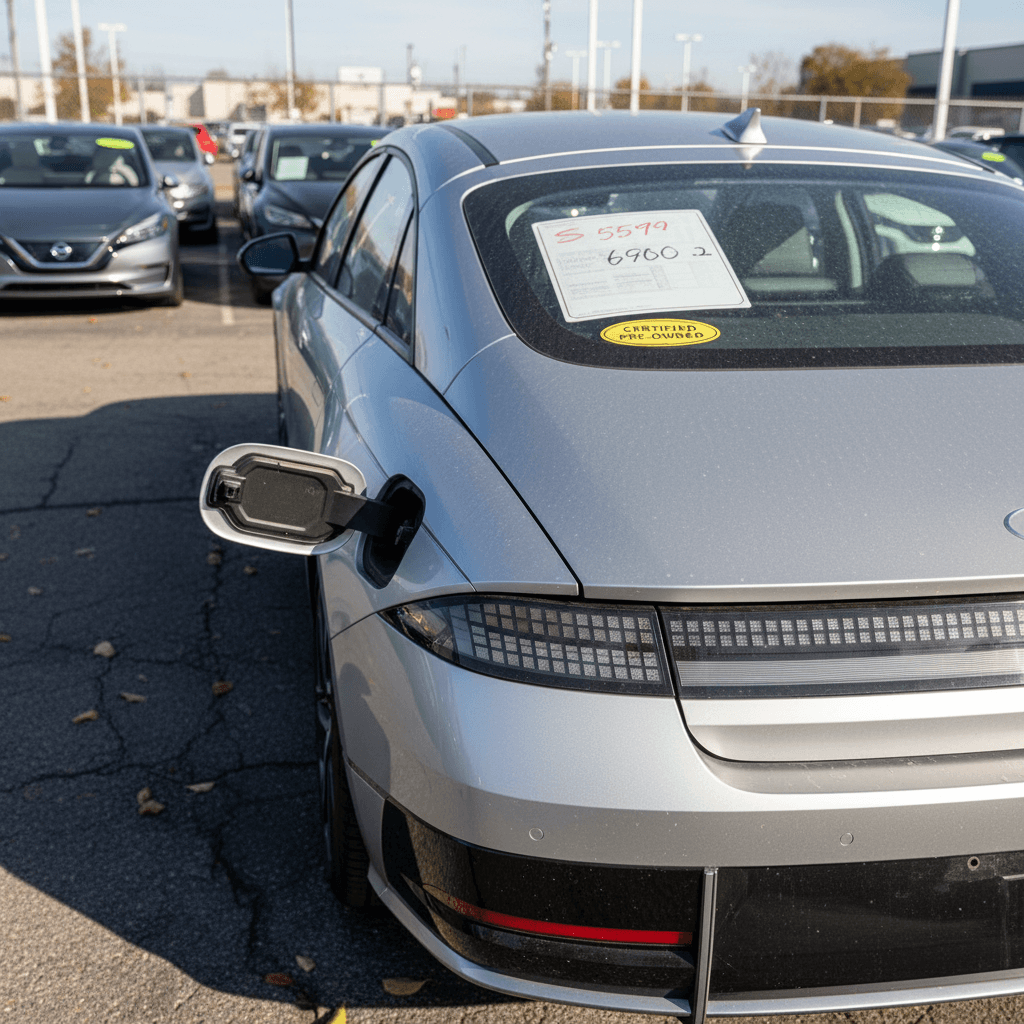
Trade‑in vs selling your Ioniq 6 used
Trade‑in vs. selling your Hyundai Ioniq 6 yourself
Why the easy route often leaves money on the table, and when it’s still the right move.
| Option | Typical Value | Time & Effort | Best For | Key Risk |
|---|---|---|---|---|
| Traditional dealer trade‑in | Lowest (wholesale‑anchored) | Very low | Max convenience; rolling into next purchase | Leaving $3,000–$7,000 on the table vs. an EV‑savvy buyer |
| Selling privately | Highest potential | High | Price‑sensitive buyers in strong EV markets | Time, no‑shows, fraud risk, handling paperwork |
| Online car‑buying brand (generic) | Mid‑range | Low | Quick cash offers, no haggling | Algorithms may undervalue newer EVs |
| EV‑specialist marketplace like Recharged | Upper mid to high | Moderate | Owners who want more than trade‑in without DIY chaos | Slightly longer timeline than instant wholesale sale |
Compare the typical pros and cons before you hand your Ioniq 6 keys to the first dealer that makes an offer.
Where Recharged fits in
Ways to improve your Hyundai Ioniq 6 offer
You can’t change Hyundai’s MSRP decisions or federal tax policy, but you can control how your particular car shows up in the market. A few smart moves before you get it appraised can be the difference between an offer that stings and one you can live with.
Quick wins before you ask for offers
Document the battery and charging history
Gather service records, recall or software‑update receipts, and any third‑party battery‑health reports you have. A clean record supports confidence in the 10‑year/100,000‑mile battery warranty and can justify stronger offers from EV‑savvy buyers.
Fix cheap cosmetic issues
Address obvious dings, curb rash on those aero wheels, and interior stains that a detailer can resolve for a few hundred dollars. Anything that looks like neglect will be amplified in a dealer’s mind as future risk.
Replace borderline tires and wipers
Four worn tires are an easy excuse for a <strong>$800–$1,200 haircut</strong> on your offer. If they’re near the wear bars, you may come out ahead replacing them first, especially if you plan to sell retail through a marketplace like Recharged.
Present it charged, clean, and updated
Show the car with at least 70% charge, a spotless interior, and the latest software updates installed. A grimy, low‑battery EV screams problem child, even if mechanically it’s fine.
Get at least three written offers
Relying on a single appraisal is how people end up thousands below fair value. Combine a couple of local dealers, an instant‑offer site, and an EV‑focused option like Recharged to map the true range of what your Ioniq 6 is worth.
Watch out for the payment trap
How Recharged handles Ioniq 6 value differently
Where a typical dealer sees an Ioniq 6 as a hot potato headed to auction, Recharged sees a very specific kind of opportunity: an efficient, under‑appreciated EV with a long battery warranty and a misunderstood depreciation story. That’s why the trade‑in math looks different when you work with an EV‑specialist marketplace instead of a generalist.
What you get when you sell a Hyundai Ioniq 6 through Recharged
Less guesswork, more transparency.
Battery‑forward valuation
Every vehicle includes a Recharged Score Report with verified battery health. Instead of assuming the worst, we price your Ioniq 6 based on real diagnostics, often justifying more than a wholesale buyer will pay.
Market‑based pricing, not auction fear
We look at real retail demand for Ioniq 6 models nationwide, not just local auction comps. If your trim and color combo is hot in another region, a digital marketplace can capture that value.
Flexible ways to sell
Whether you want an instant offer, a trade‑in toward another EV, or higher proceeds via consignment and nationwide listing, Recharged can match the path to your priorities.
Ready to find your next EV?
Browse VehiclesYou can even finance your next used EV through Recharged, arrange a trade‑in or instant offer on your Ioniq 6, and have your next car delivered nationwide, all without the usual dealership choreography. For owners already bruised by depreciation, cutting the friction from the selling process helps soften the blow.
FAQs: 2025 Hyundai Ioniq 6 trade‑in value
Frequently asked questions about 2025 Ioniq 6 value
Bottom line: when to trade your 2025 Ioniq 6
The 2025 Hyundai Ioniq 6 is one of the more intellectually satisfying EVs you can own: sleek, wildly efficient, and wrapped in a robust battery warranty. It is also, unfortunately, a case study in how modern EV incentives and aggressive discounting savage first‑owner resale. Your trade‑in number isn’t a judgment on the car; it’s a reflection of a market that moves faster than most people’s loan terms.
If you need out soon, your job is to make sure you’re comparing the right kinds of offers: wholesale dealer bids, instant‑offer algorithms, and EV‑specialist options like Recharged that can showcase the strengths of your particular Ioniq 6. Clean up the car, marshal your documentation, and insist on at least three written numbers before making a decision.
And if you still like the way it looks back at you in the driveway? There’s nothing wrong with letting the worst of the depreciation happen on someone else’s spreadsheet while you keep enjoying one of the most efficient electric sedans on the road. When you are ready to move on, Recharged can help you get a fair, transparent value for your Ioniq 6 and step into your next EV with clearer eyes, and a cleaner balance sheet.