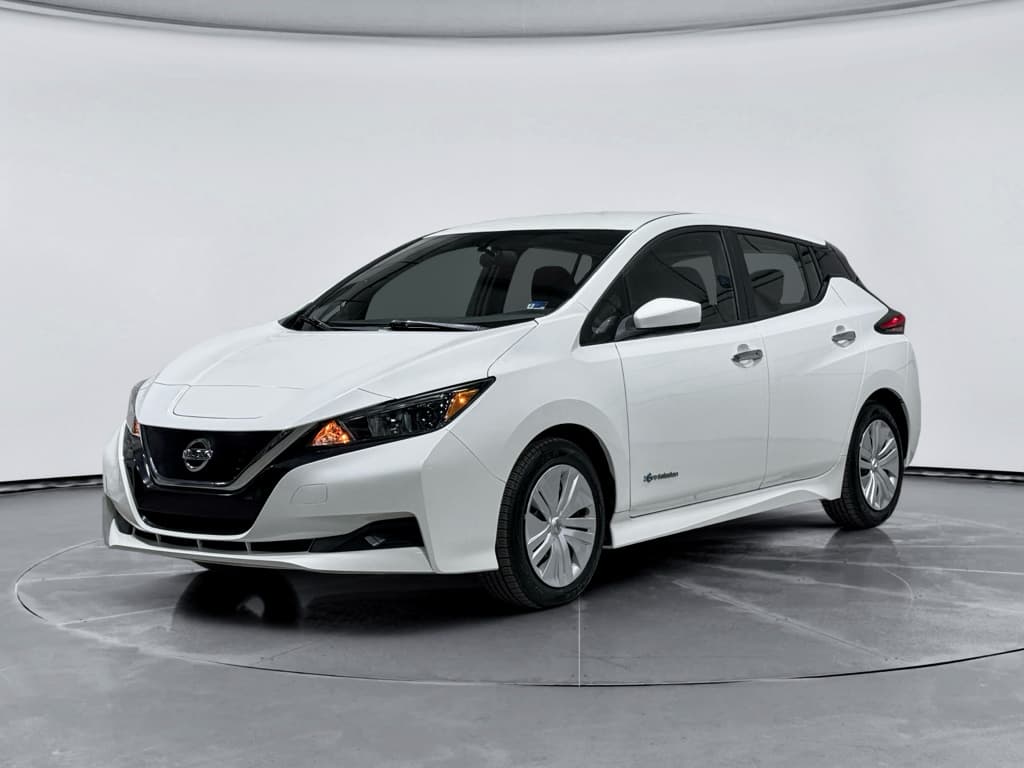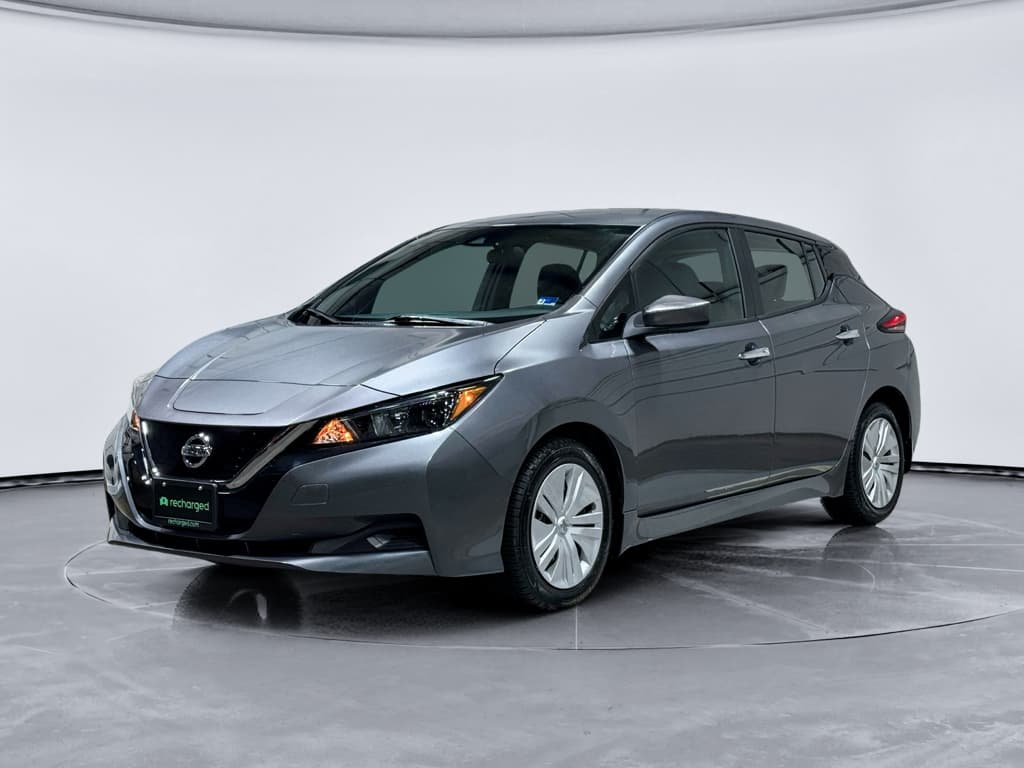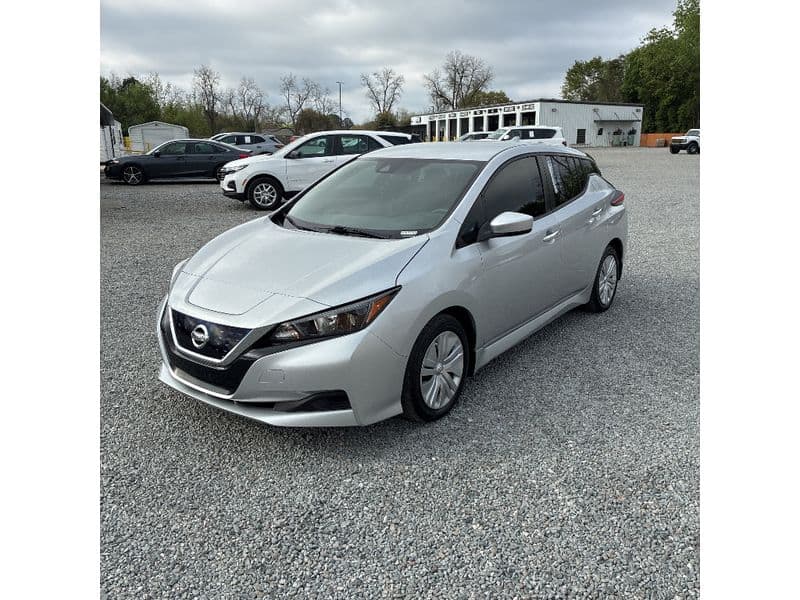
If you’re eyeing a used Nissan Leaf, one of the first practical questions is simple: with the rear seats down, how much cargo space do you actually get? On paper, numbers like 30 or 55 cubic feet don’t tell you whether the Leaf will swallow a Costco run, a mountain bike, or a weekend’s worth of camping gear. This guide breaks down Nissan Leaf cargo space with the seats down by generation, then translates the specs into real‑world use.
Leaf cargo space in one sentence
Quick takeaway: Leaf cargo space with seats down
Nissan Leaf cargo space at a glance
- 2011–2025 Leaf hatchbacks (both generations) are all in the same ballpark: roughly 30 cubic feet with the rear seats folded, and about 23–24 cu ft with the seats up.
- The all‑new 2026 Leaf crossover keeps a similar footprint but adds SUV‑like flexibility, with about 55.5 cu ft when you drop the second row.
Nissan Leaf cargo space with seats down by generation
Nissan Leaf cargo space with rear seats folded, by model
Approximate manufacturer‑rated cargo volumes and key notes for each era of Leaf.
| Model years & generation | Body style | Seats up (cu ft) | Seats down (cu ft) | Key notes |
|---|---|---|---|---|
| 2011–2012 Leaf (early Gen 1) | Hatchback | ≈24 | ≈30 | Tall “hump” in the trunk; seats don’t fold fully flat; limits long, flat loads |
| 2013–2017 Leaf (late Gen 1) | Hatchback | ≈24 | ≈30 | Slight packaging changes; still step between trunk well and folded seats |
| 2018–2025 Leaf (Gen 2 hatch) | Hatchback | 23.6 | 30.0 | EPA‑rated; deep trunk well and wide hatch, but noticeable drop from seatbacks to floor |
| 2026 Leaf (Gen 3) | Compact crossover | 20.0 | 55.5 | Lower seats‑up volume but far more total space with the second row folded, similar to many small SUVs |
Numbers are manufacturer specs or widely reported figures. Real‑world usable space always depends on how high you stack cargo and whether you load above the window line.
Beware the fine print on cargo specs
For 2018–2025 Leafs, the official EPA spec lists 23.6 cubic feet behind the rear seats and 30.0 cubes with the rear seats down. Those same 30-ish cubic feet also apply, broadly, to the earlier Gen 1 cars. The 2026 Leaf’s 55.5‑cu‑ft figure finally puts it in line with mainstream small crossovers such as the RAV4 or CR‑V when you fold the rear bench.
What those cubic feet actually mean in real life
Hatchback Leafs (2011–2025)
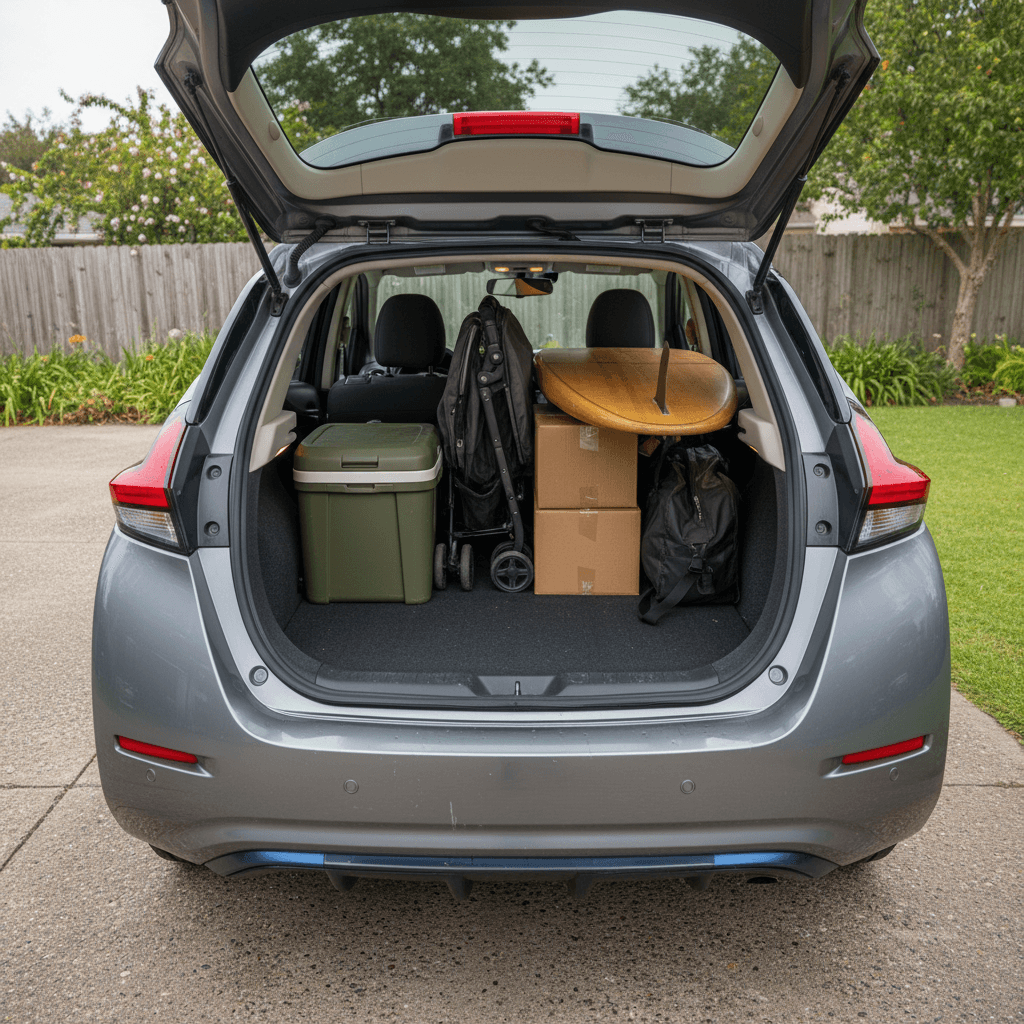
The hatchback Leaf’s cargo rating sounds modest next to small SUVs, but the tall roof, reasonably wide hatch opening, and deep floor mean you can often fit more real stuff than the spec suggests.
- Deep well behind the bumper is great for grocery bags and storage tubs.
- Squared‑off roofline means bulky boxes and strollers can stand upright.
- The limiting factor is length more than raw volume, especially with passengers.
2026 Leaf crossover
The 2026 Leaf’s 55.5‑cu‑ft figure is a big jump. Here, you’re dealing with proportions more like a compact SUV.
- Longer load floor once the second row folds.
- More vertical room above the floor, useful for bikes and camping gear.
- Seats are designed to fold flatter, so fewer gymnastics to slide things in.
In simple terms: the hatchback Leaf is a roomy small car. The 2026 crossover starts to behave like a purpose‑built family hauler.
Think in shapes, not just specs
Nissan Leaf vs small SUV cargo space
The internet loves to point out that a Chevy Bolt or Kia Niro seems to have much more max cargo volume than a Leaf. On paper that’s often true, especially for the Bolt and the new breed of box‑y small crossovers. But the way Nissan packages the Leaf makes the comparison less embarrassing than the spec sheets imply.
How the Leaf’s cargo area stacks up
Comparing a typical 2018–2025 Leaf hatchback to popular small crossovers.
Seats up: closer than you’d think
With the seats up, a modern Leaf’s ~23–24 cu ft behind the rear bench is in the same ballpark as many subcompact and compact crossovers. You can usually stand 3–4 full‑size suitcases upright without folding the seats.
Seats down: Leaf loses on paper
Most small SUVs quote 55–70 cu ft with their second rows folded. The 2011–2025 Leaf’s ~30 ft³ can’t match that … until you remember it’s a compact hatchback, not an SUV. Against other small hatch EVs, the Leaf feels competitive.
Usable vs. theoretical space
Where the Leaf falls behind is the lack of a completely flat floor and that drop between the folded seatbacks and the trunk well. You still get good space, but you may need a folding panel or thick mat to create a level surface.
Good news for used‑Leaf shoppers
Real-world packing scenarios with the seats down
Specs are one thing. What most shoppers really want to know is: will the Leaf do school‑run duty, IKEA duty, road‑trip duty? Here’s what you can realistically fit in a hatchback Leaf (2013–2025) with the rear seats folded.
- Airport run: 2–3 adults + rear seats folded 60/40. You can swallow 3–4 airline carry‑ons plus 2 large checked bags if you use the deep well and stack carefully.
- IKEA or Home Depot: Flat‑packed furniture boxes up to about 6 feet long will fit diagonally with the front passenger seat slid forward. Think bookshelves, dressers, and disassembled bed frames, full king mattresses are a stretch.
- Bike hauling: A full‑size mountain bike usually fits with the front wheel removed and the rear seats folded. Riders under 6 feet can also drop the passenger front seatback to make more room for handlebars.
- Family weekend trip: With the rear bench down, expect space for a medium dog crate, a large cooler, and 3–4 duffel bags without playing Tetris above the window line.
- Bulk shopping: Warehouse‑club runs are where the Leaf shines. Stacks of paper towels, a big bag of dog food, and several plastic totes can live low in the well while lighter items ride on top.
Rough interior dimensions to keep in mind
Can you camp or sleep in a Nissan Leaf?
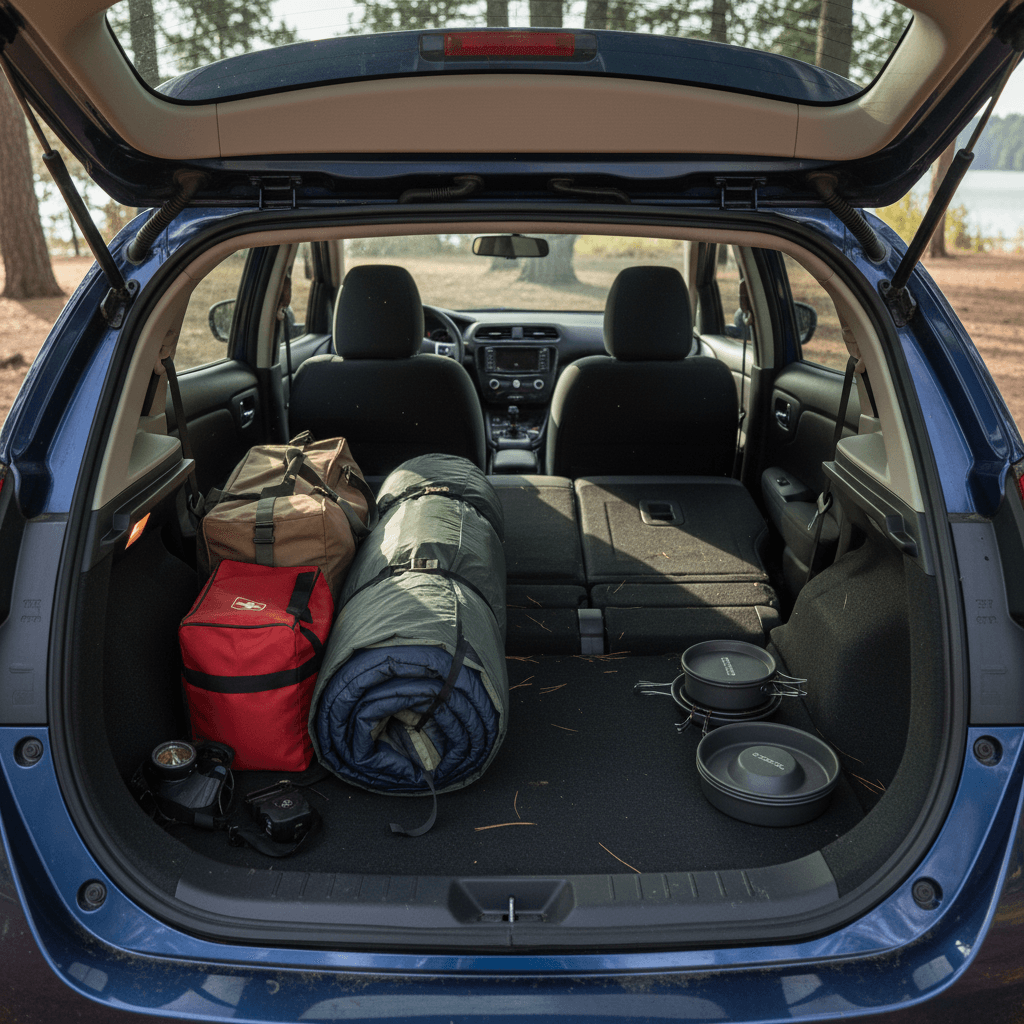
Many Leaf owners look at that tall hatch, drop the rear seats, and immediately wonder: could I sleep back here on a road trip, or use it as a micro‑camper? The answer is yes, within reason, and the generation of Leaf you choose makes a difference.
Camping in a Leaf: generation by generation
How each era of Leaf handles sleeping and camping setups.
2011–2017 hatchback
These early cars have a noticeable step between the trunk well and folded seats, and on some trims an audio “hump” in the cargo floor. Sleeping is possible, but you’ll want:
- A folding platform or thick foam mattress to level the floor.
- A diagonal sleeping position if you’re over ~5'8".
- Front seats moved forward to open up crucial inches.
2018–2025 hatchback & 2026 crossover
Gen 2 hatchbacks still have a drop at the seatback, but the area is more squared‑off and easier to level with a board and pad. The 2026 crossover is the most camp‑friendly:
- Longer, flatter load floor with seats down.
- Enough length for many adults to stretch out straight.
- More vertical and lateral space for bedding and gear.
Safety tip for camping in your Leaf
Basic Leaf camping setup checklist
1. Create a level floor
Bridge the step between the trunk well and folded seats with a plywood panel, folding platform, or stacked foam tiles. This makes sleeping more comfortable and loading heavy gear safer.
2. Protect the battery area
Avoid putting sharp, heavy objects directly over the battery tunnel or underfloor areas. Use rubber mats or a cargo liner so weight is distributed and nothing digs into the structure.
3. Control condensation
Use window vent shades or cracked windows plus a small 12V fan. Overnight breathing in a sealed cabin leads to surprising moisture on glass and fabrics.
4. Plan for power use
If you run climate control overnight, monitor state of charge and know where you’ll recharge in the morning. Many campers instead pre‑condition, then rely on blankets and small fans.
Tips to make the Leaf’s cargo area more usable
Whether you’re buying a used Leaf or already own one, a few simple upgrades can transform that 30‑cu‑ft space into something far more civilized and flexible.
Smart upgrades for Nissan Leaf cargo space
Cheap, practical ways to squeeze more from those 30 cubic feet.
Add a leveling panel
The single biggest quality‑of‑life upgrade: a folding cargo platform or DIY plywood board that spans from the hatch lip to the folded seatbacks. It removes the annoying step and gives you a flat floor for boxes, strollers, or sleeping pads.
Use stackable bins
Because the Leaf’s cargo area is tall, plastic totes are your friend. Store charging cables, emergency kit, and random gear in low bins at the bottom, then stack soft items like duffels on top.
Plan for pets & kids
A removable cargo liner and side‑wall protectors go a long way if you’re hauling dogs, strollers, and sports gear. In a used Leaf, this can also keep the interior looking fresher, which helps resale value later.
Pro tip: don’t forget under‑floor storage
Shopping used: which Leaf years are best for space?
From a pure cargo‑space perspective, no generation of hatchback Leaf absolutely dwarfs the others. The story is more about packaging quirks and how flat the seats fold than about dramatic jumps in volume.
Best all‑rounder: 2018–2025 Leaf hatchback
If you want a used Leaf today, the 2018–2025 Gen 2 cars hit a sweet spot.
- Modern interior and safety tech compared to early Leafs.
- Same ~30‑cu‑ft rated space with seats down, but a more refined layout.
- Enough room for bikes, big grocery runs, and occasional camping with some creativity.
At Recharged, we often point shoppers with young families or active lifestyles toward these later hatchbacks because they blend usable cargo with better range and battery health.
Maximum space: 2026 Leaf crossover
If cargo room is a top priority and your budget reaches newer models, the 2026 Leaf crossover is the clear choice.
- About 55.5 cu ft with seats down, almost double the hatchback’s rating.
- Far more flexible for moving days, DIY projects, and long trips.
- Feels less like an adapted compact car and more like a purpose‑built small SUV.
As 2026+ Leafs enter the used market, expect them to command a premium, but also to open up EV ownership for buyers who thought hatchbacks were too small.
How Recharged helps you pick the right Leaf
FAQ: Nissan Leaf cargo space with seats down
Frequently asked questions about Leaf cargo space
The Nissan Leaf will never be mistaken for a cargo van, but judged as what it is, a compact electric hatchback, it punches above its weight. With the rear seats down, the 2011–2025 Leafs give you about 30 cubic feet of genuinely useful, easy‑to‑load space, perfect for everyday life plus the occasional bike, flat‑pack binge, or micro‑camping adventure. The 2026 Leaf crossover simply extends that formula, adding SUV‑like volume without giving up the EV simplicity that made the Leaf popular in the first place. If you’re shopping used and wondering whether a Leaf can keep up with your stuff as well as your commute, the answer is almost always yes, as long as you pack thoughtfully and choose the right generation for how you live.