When people ask about the price of batteries for electric cars, they’re usually worried about one thing: “Am I going to get hit with a five‑figure repair bill someday?” The answer in 2025 is more nuanced. Battery packs are getting cheaper to build, but replacement costs at the service counter can still be eye‑watering if you don’t understand how warranties, chemistry, and battery health work, especially when you’re buying used.
The short answer
Why EV battery prices matter more than you think
The traction battery is the single most expensive component in an electric car. It typically represents 25–40% of the vehicle’s production cost, and it determines not only range and performance but also long‑term resale value. If you’re cross‑shopping gas and electric, or comparing two used EVs, understanding battery pricing is the key to understanding the total economics.
Three ways battery prices affect you
It’s not just about replacement cost
Upfront vehicle price
Cheaper packs let automakers price new EVs more competitively. Falling per‑kWh costs are one reason you’re seeing more sub‑$35,000 EVs arrive in 2024–2025.
Resale value & confidence
Battery health strongly influences what a used EV is worth. Verified diagnostics can mean thousands of dollars difference between two otherwise similar cars.
Long‑term risk
Out‑of‑warranty battery failures can be expensive, but good warranties and chemistry choices mean most owners never face a full‑pack replacement.
How much do EV batteries cost today?
There are two very different ways to talk about the price of batteries for electric cars: what automakers pay for batteries when they build the car, and what you’d pay to replace a pack at retail.
EV battery pack price trends
Those are averages. Packs used in long‑range premium EVs with nickel‑rich chemistries tend to be more expensive, while lithium‑iron‑phosphate (LFP) packs used in many entry‑level models are cheaper to build. But the direction is clear: the industry has gone from four‑figure pack costs per kWh to low triple digits in barely more than a decade.
A quick back‑of‑the‑envelope
Battery replacement costs by vehicle type
When people Google the price of batteries for electric cars, they rarely mean factory pack pricing. They want to know, “If this battery fails, what’s the damage?” Here’s what replacement looks like in the real world in 2025, using published estimates and shop quotes for mainstream EVs.
Typical out‑of‑warranty EV battery replacement costs (2025)
Approximate retail pricing in the U.S. for a full pack swap, including parts and labor, based on 2025 estimates and reported quotes. Actual pricing varies by region, dealer, and whether refurbished packs are available.
| Vehicle type / example | Usable pack size (kWh) | Typical full pack replacement cost | Notes |
|---|---|---|---|
| Entry EV hatch / sedan (Bolt EUV, LEAF, etc.) | 60–66 | $11,000–$15,000 | Some models offer refurbished or module‑level repairs that can be cheaper. |
| Mainstream compact crossover (Hyundai Ioniq 5, VW ID.4, etc.) | 70–82 | $13,000–$18,000 | Higher‑capacity packs and more complex thermal systems raise costs. |
| Tesla Model 3 / Y | 55–82 | $12,000–$18,000 | Recent quotes for Model 3/Y commonly fall in the mid‑teens, with some owners seeing ~$13,000 for Long Range replacements. |
| Premium sedan / SUV (Model S/X, Mercedes EQS, etc.) | 90–120+ | $18,000–$25,000+ | Large packs and limited volumes push prices toward the top of the range. |
| Pickup / large SUV (F‑150 Lightning, Rivian R1T/R1S, etc.) | 120–135+ | $20,000–$30,000+ | Very large packs; some early estimates for trucks exceed $25,000. |
These are ballpark figures, not official quotes. Always confirm with a service center for your specific VIN.
Beware of misleading “$5,000 battery” headlines
What drives the price of batteries for electric cars?
Why can a battery pack that costs $8,000 to build wind up with a $18,000 replacement quote? Because what you’re paying for is the entire system plus all the risk, not just the raw materials.
Five key cost drivers for EV batteries
From cell chemistry to service complexity
Cell chemistry
Nickel‑manganese‑cobalt (NMC/NCA) cells offer high energy density but use costly metals. LFP packs are cheaper and more durable, but heavier for the same range.
Pack design & integration
Case materials, cooling systems, and how the pack is integrated into the body (“structural” packs vs. bolt‑in) all change cost and serviceability.
Manufacturing scale
High‑volume platforms enjoy lower pack prices. Low‑volume premium models can see significantly higher per‑kWh costs.
Logistics & handling
EV packs are large, heavy, and hazmat‑rated. Shipping, storage, and safe disposal add cost when a pack is replaced.
Labor & tooling
Dropping and reinstalling a 1,200‑lb pack safely requires lifts, fixtures, and trained technicians. That shows up in the invoice.
Risk & warranty reserves
Service centers and automakers price in the risk of defects, diagnostics time, and potential comebacks when they quote a replacement.
Why LFP batteries are reshaping the cost curve
Warranty and when you actually pay out-of-pocket
Looking at those replacement tables, you might be ready to swear off EVs entirely. But in practice, the vast majority of owners never pay for a full pack. That’s because modern EVs ship with long battery warranties and relatively slow degradation.
What battery warranties typically look like
1. Long coverage windows
Most mainstream EVs sold in the U.S. offer 8 years of battery warranty coverage, usually with mileage limits between 100,000 and 150,000 miles depending on the model.
2. Capacity retention guarantees
Automakers commonly promise at least around 70% of original capacity by the end of the warranty period. If your pack falls below that threshold, it may qualify for repair or replacement.
3. Repairs vs full replacements
In many cases the manufacturer will replace modules or repair the pack rather than installing an entirely new unit, which keeps their internal cost lower even if you see “battery replaced” on the paperwork.
4. Edge cases outside warranty
Out‑of‑warranty failures are rare but do happen, especially on early‑generation EVs or vehicles with extreme mileage. That’s when the headline five‑figure quotes become real.
What this means for you
Used EVs, battery health, and resale value
If you’re shopping used, the price of batteries for electric cars shows up in a different way: in the discount or premium baked into the listing price. A five‑year‑old EV with a healthy pack can be a screaming deal compared to a new car. One with a weak or abused battery can turn into a rolling anxiety machine that’s hard to sell later.
Why battery health data matters
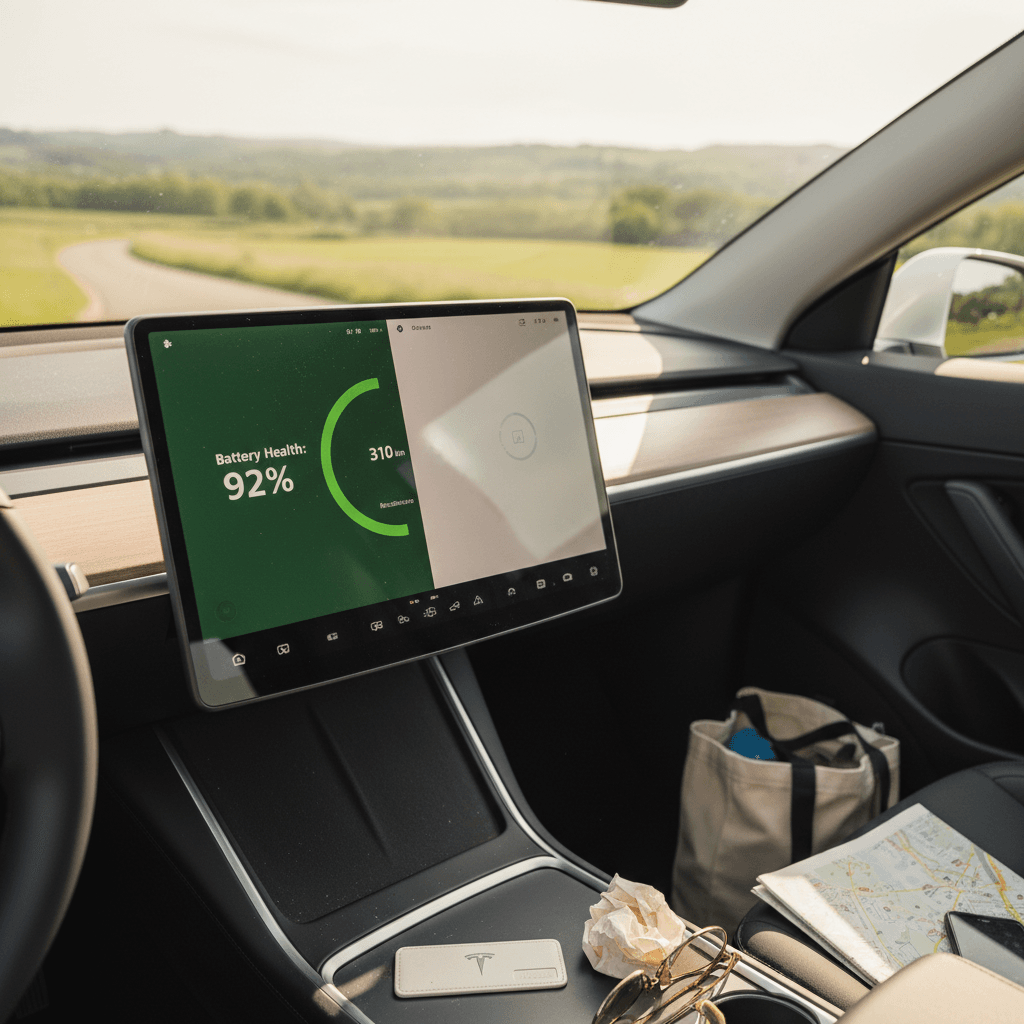
Unlike an engine, battery degradation isn’t obvious on a quick test drive. Range estimates can be misleading and most dashboards don’t show a simple “state of health” number. Without diagnostics, buyers and sellers end up guessing, and padding prices to manage risk.
How Recharged tackles it
Every used EV sold through Recharged includes a Recharged Score Report with verified battery health, fast‑charge behavior, and thermal performance. That turns battery condition from a mystery into a concrete data point, so you’re not overpaying for a tired pack or walking away from a great car because you’re unsure.
Battery health = price lever
How to avoid an unexpected battery bill
You can’t control commodity prices or pack design, but you can dramatically reduce your odds of ever paying for a battery pack yourself. Think of this as risk management rather than perfectionism.
Practical steps to reduce battery risk
1. Buy within the strong end of the warranty window
If you’re considering a used EV, look for cars that still have several years and tens of thousands of miles of battery coverage remaining. That way, any early‑life defect shows up on the manufacturer’s dime, not yours.
2. Prioritize proven chemistries and models
Models with large production volume and years of field data (Model 3/Y, LEAF, Bolt, Ioniq 5, etc.) give you better visibility into real‑world degradation than niche, first‑year products.
3. Get independent battery diagnostics
Ask for a battery health report or have one done before you commit. With a used EV from <strong>Recharged</strong>, these diagnostics are built into the buying experience via the Recharged Score.
4. Check charging history and usage patterns
Frequent DC fast charging, consistent 100% charges on non‑LFP packs, and use in very hot climates can all accelerate degradation. Service records and owner disclosures matter here.
5. Don’t oversize if you don’t need to
A 250‑mile EV that you drive 40 miles a day will age more gracefully than a 150‑mile EV that you constantly push to its limits. Right‑sizing range for your use case is a form of insurance.
6. Consider total cost of ownership, not just replacement
Even if a hypothetical battery replacement sounds scary, remember that EVs save substantially on fuel and maintenance. Over 8–10 years, many owners come out ahead even if they never see a battery invoice.
What not to do
Future trends: Will EV battery prices keep falling?
After a brief blip in 2022–2023 when raw material prices spiked, the trend line for the price of batteries for electric cars is back to where it’s been for a decade: down and to the right. 2024 saw the largest year‑over‑year drop in pack prices since 2017, and suppliers still have room to cut cost with new chemistries and scale.
What’s coming next for EV battery prices
Technologies and trends that will shape the next decade
Cheaper chemistries (LFP, LMFP, lithium‑sulfur)
Automakers are rapidly adopting lower‑cost cathode chemistries that reduce or eliminate expensive nickel and cobalt. Experimental lithium‑sulfur chemistries could further cut material cost later this decade if they scale.
Gigafactory scale and integration
New gigafactories in North America and Europe bring production closer to assembly plants, cutting logistics cost and taking advantage of incentives. Cell‑to‑pack and structural pack designs reduce parts count and assembly steps.
Right‑sizing range
Not every EV needs 350 miles of range. Expect more affordable models with modest packs but efficient drivetrains, targeting urban and commuter use.
Policy and supply chain localization
Domestic sourcing requirements, recycling mandates, and incentives will influence where and how cheaply packs can be built, and how much price volatility consumers see.
Battery prices are falling fast at the pack level, but the real unlock for consumers is turning that into lower vehicle prices and transparent used‑EV values, not just better margins for automakers.
FAQ: EV battery prices and replacement costs
Frequently asked questions about EV battery prices
Key takeaways for EV and used‑EV shoppers
The price of batteries for electric cars is dropping fast at the factory level, but retail replacement costs remain high enough that you shouldn’t ignore them. The practical reality, though, is that modern warranties, durable chemistries, and improved battery management make full pack replacements a low‑probability event for most owners.
If you’re shopping new, focus on models with solid battery warranties and chemistries that match your use case. If you’re shopping used, focus on battery health and remaining coverage, this is exactly where Recharged leans in with the Recharged Score Report, verified battery diagnostics, and expert guidance on fair pricing. When you can see the true state of an EV’s battery, you can make EV ownership as transparent and predictable as it should be.