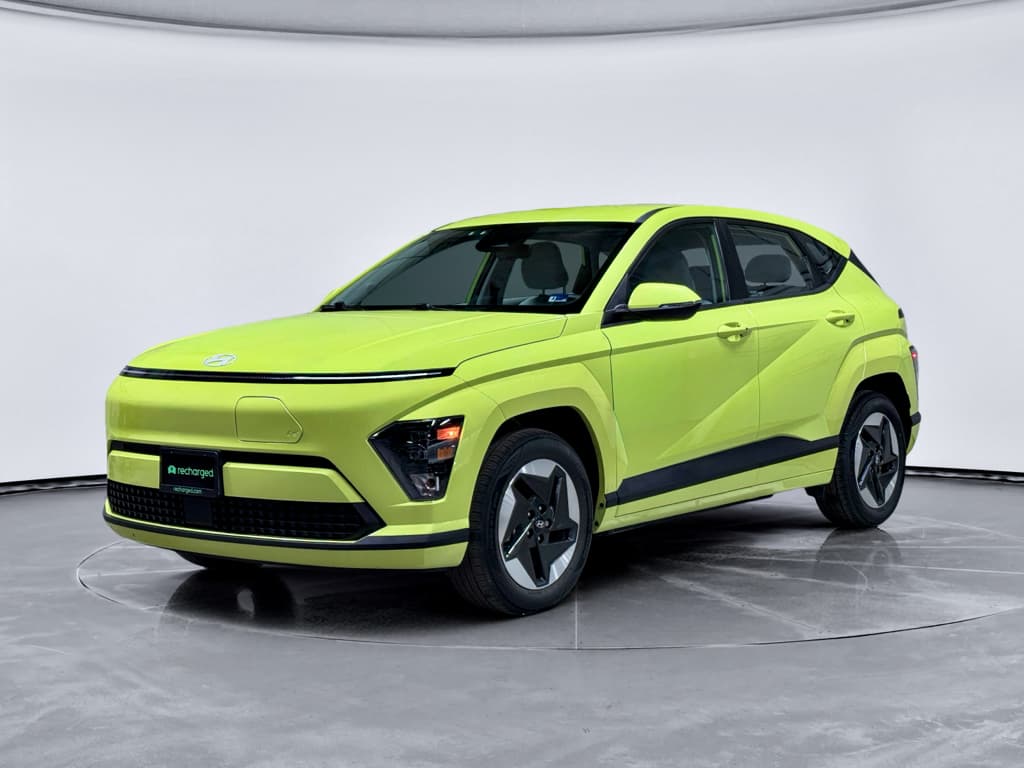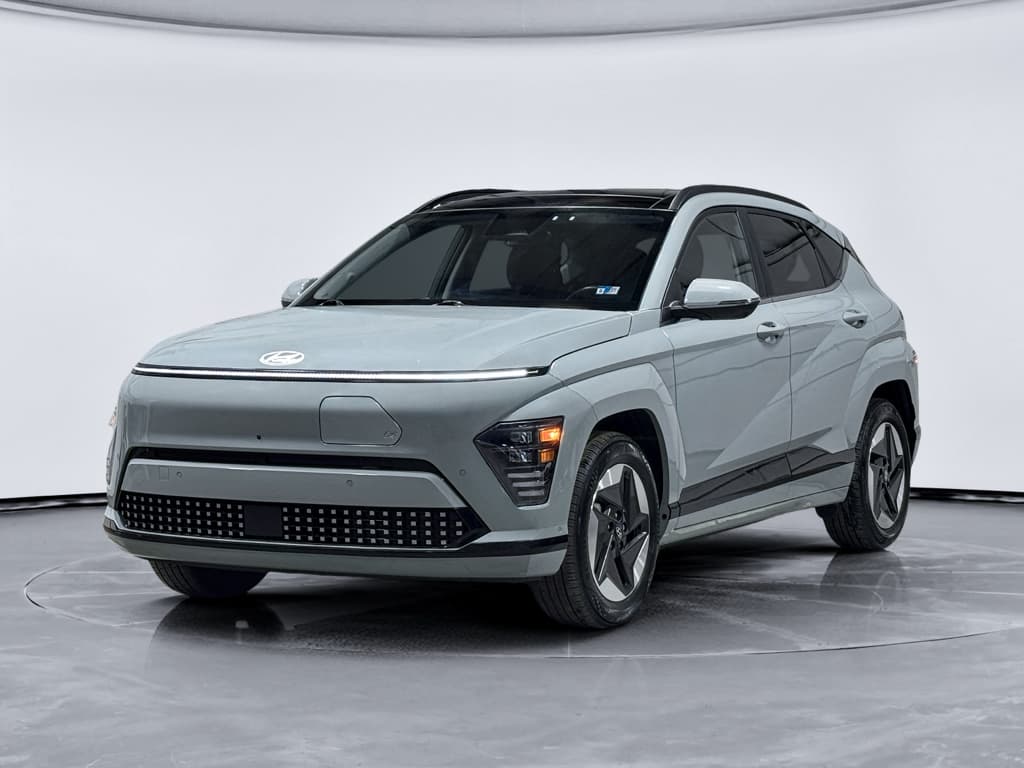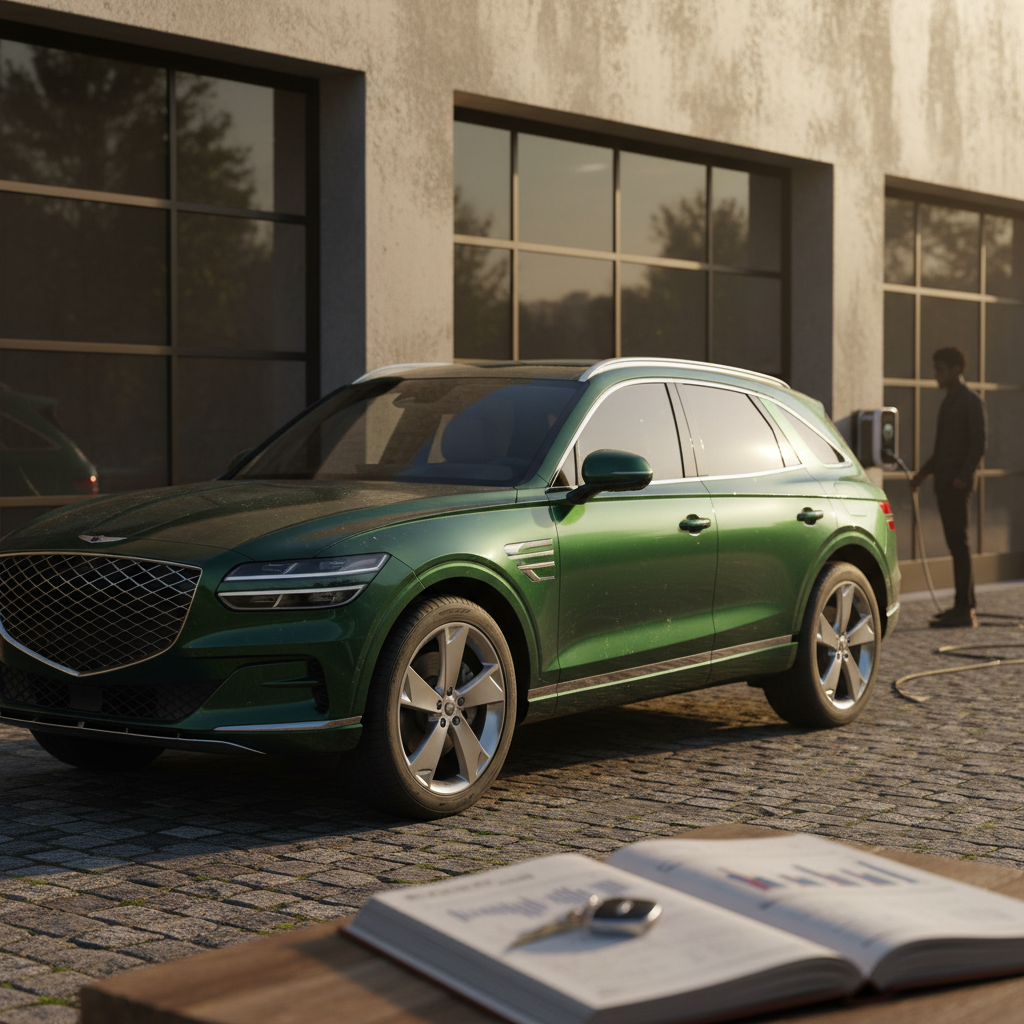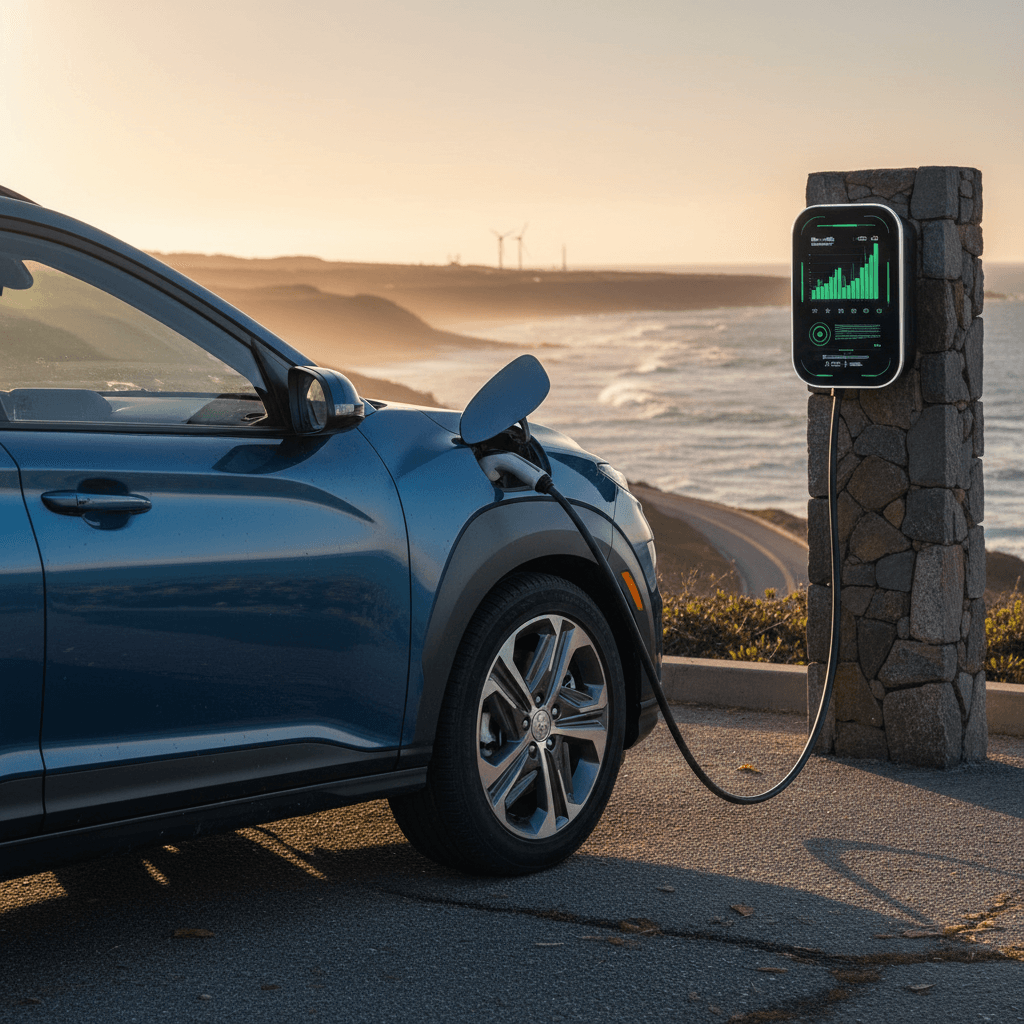
If you’re considering a Hyundai Kona Electric in 2026, you’re probably not asking “What’s the brochure range?” You’re asking what really matters: What is the Kona Electric’s real‑world range on the highway, around town, in winter, a few years down the road. This guide pulls together EPA data, owner reports, and physics (sorry, no way around that) to show what you can honestly expect from a Kona Electric today, especially if you’re shopping used.
Quick Take
Kona Electric EPA Range vs Real‑World Range
For the current second‑generation Hyundai Kona Electric sold in the U.S. (2024 onward), Hyundai offers two battery sizes. The one most U.S. buyers actually see on dealer lots is the long‑range pack at about 64.8 kWh usable, paired with a 201 hp motor. Hyundai and the EPA quote roughly 260–261 miles of combined range for this version. The short‑range battery (around 48.6 kWh) is rated closer to 200 miles combined, and appears in more limited trims.
Hyundai Kona Electric Key EPA Numbers (U.S., 2024+)
Those are the official numbers. On a spreadsheet, they’re precise. Out on I‑95 in a January headwind, they are… aspirational. A realistic mental rule for the long‑range Kona Electric is this: expect about 75–90% of EPA range in normal use, and closer to 60–70% in harsh winter highway conditions. The standard‑range pack scales down proportionally.
EPA Range Is a Lab Number
Standard‑Range vs Long‑Range Kona Electric
Standard‑Range Kona Electric
- Battery: ~48.6 kWh
- EPA range: about 200 miles combined
- Best for: Shorter commutes, urban drivers, second cars
- Real‑world mixed: ~140–170 miles for most owners
- Highway at 70–75 mph: often closer to 130–150 miles
Long‑Range (Extended‑Range) Kona Electric
- Battery: ~64.8 kWh
- EPA range: ~260–261 miles combined
- Best for: All‑purpose daily driver, light road‑trip duty
- Real‑world mixed: ~190–240 miles for most owners
- Highway at 70–75 mph: commonly 170–210 miles in good weather
Which Pack Should You Target Used?
City, Highway, and Mixed‑Driving Range
Hyundai’s small crossover is a bit of a paradox: the Kona Electric is more efficient around town than on the interstate. That’s true of most EVs, but the Kona’s stubby, upright shape exaggerates the difference. Drag is the enemy, and the boxier the car, the more it pays attention to physics class.
How Driving Style Changes Kona Electric Range
Assumes a healthy long‑range battery and mild weather (around 70°F)
Mostly City Driving
Speeds: 25–45 mph, plenty of stops
- Regen braking recovers energy
- HVAC loads are modest
- Expect: 230–260 miles if you’re gentle
Mixed Suburban & Highway
Speeds: 35–70 mph blend
- Typical American commute pattern
- Shorter highway stretches help
- Expect: 200–240 miles
Mostly Highway Driving
Speeds: 70–75 mph sustained
- Aerodynamic drag dominates
- Regen has little to do
- Expect: 170–210 miles
Why Highway Range Feels So Different
Weather and Seasonal Effects on Kona Range
If EPA range is the idealized number, winter is the reality check. Lithium‑ion batteries don’t love cold temperatures, and neither do heat‑soaked humans running the electric cabin heater at full chat. Owners of first‑gen Konas routinely report losing 25–40% of range on cold days; the second‑gen car is better at thermal management, but the basic chemistry hasn’t changed.
- In mild weather (60–80°F), a long‑range Kona Electric can often hit 80–95% of its EPA rating in mixed driving if you’re not driving aggressively.
- In hot weather (90°F+), the air‑conditioning load trims range, typically a 5–15% penalty depending on humidity and how cold you keep the cabin.
- In cold weather (below ~40°F), expect the steepest drop: 25–40% less range is common, especially on short trips where the car keeps reheating a cold cabin and battery.
- On very short trips, the Kona can be surprisingly inefficient in winter because it spends so much energy just getting the cabin to temperature.
Cold‑Weather Trap to Avoid
Battery Degradation: What Happens Over Time
By 2026 there are plenty of first‑generation Kona Electrics out there with 50,000–100,000 miles, along with early second‑gen cars approaching their third birthday. The good news for shoppers: Hyundai’s battery chemistry has aged better than many people feared. Real‑world owner reports commonly show only single‑digit percentage losses after several years, provided the car wasn’t fast‑charged hard every day or baked in relentless heat.
Typical Battery Health on a Well‑Cared‑For Kona Electric
Approximate capacity remaining under normal use; individual vehicles will vary.
| Age / Mileage | Likely Capacity Remaining | What That Means for Long‑Range EPA 261 mi |
|---|---|---|
| 1–2 years / 10k–30k mi | ~95–100% | Range effectively the same as new |
| 3–5 years / 30k–70k mi | ~90–95% | Maybe 10–20 miles less on a full charge |
| 6–8 years / 70k–120k mi | ~85–90% | Plan on losing 25–40 miles of original EPA range |
| 8–10+ years / 120k+ mi | ~80–85%+ | Specifics vary widely; individual history matters more than age |
Data is illustrative, based on owner reports and typical lithium‑ion behavior, not a Hyundai guarantee.
Hyundai’s Battery Warranty Helps
Real‑World Range Examples and Scenarios
To turn all these numbers into something you can actually picture, let’s walk through a few common use‑cases for a Kona Electric with the long‑range battery and a reasonably healthy pack. Real life is messier than any chart, but these scenarios get you in the ballpark.
Three Typical Kona Electric Range Scenarios
Assumes long‑range battery, good health, and driver not trying to hyper‑mile or drag race
Urban / Suburban Commuter
Pattern: 25–40 miles per day, mix of 35–55 mph, lots of stops.
- Mild weather: easily 3–4 days between charges.
- Winter: plan on 2–3 days.
- Range anxiety: essentially zero.
Weekly Highway Tripper
Pattern: 70‑mile round‑trip highway run once or twice a week, plus errands.
- Mild weather: 200+ mile comfortable usable range.
- Even at 75 mph, 70 miles barely dents the battery.
- Charge every 3–4 days without trying.
Occasional Road‑Tripper
Pattern: 200–250‑mile weekend journeys a few times a year.
- In summer: 1 DC fast‑charge top‑off makes it easy.
- In winter: expect 2 shorter fast‑charge stops.
- Kona is capable, but it’s not a dedicated grand‑tourer.
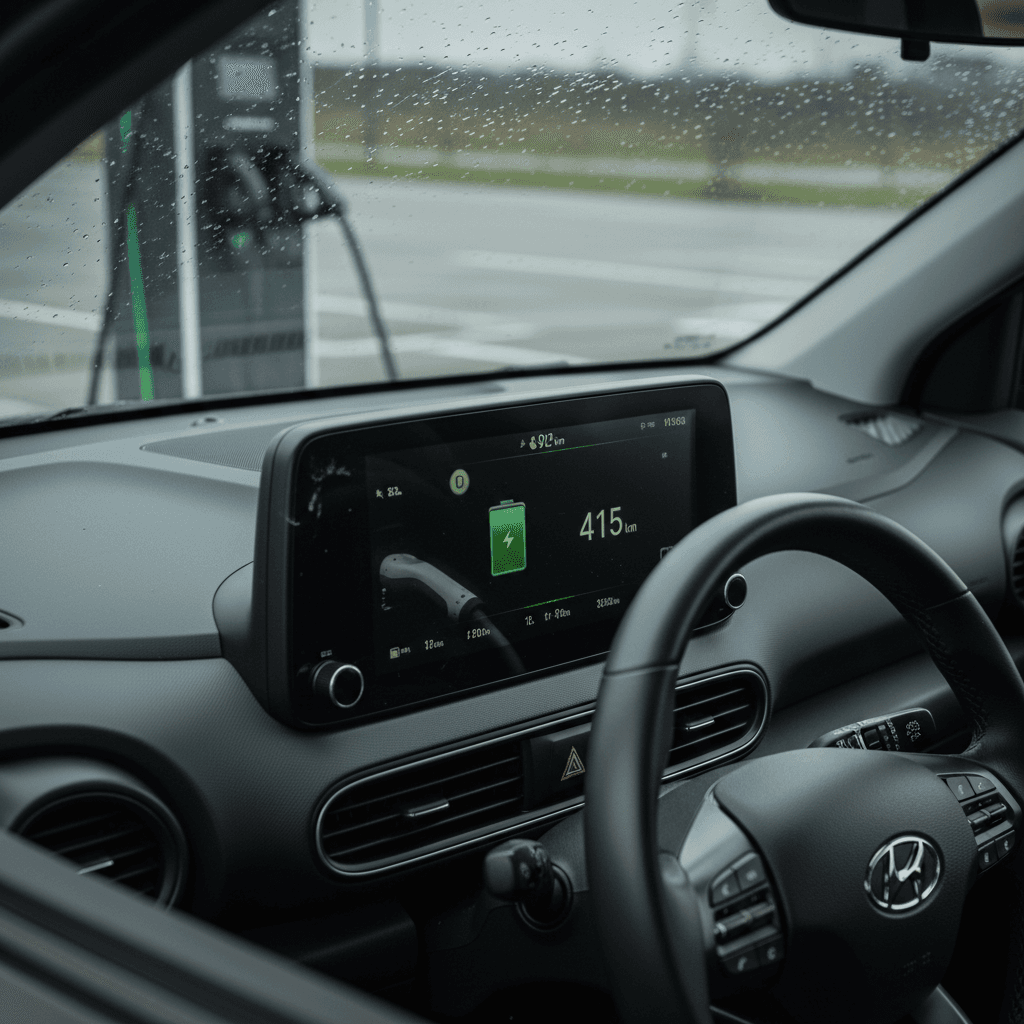
How to Maximize Range in Your Kona Electric
You can’t move the laws of thermodynamics, but you can negotiate with them. A few habits make a noticeable difference in how far your Kona Electric actually goes on a charge, especially once the car has a few years under its belt.
Practical Steps to Squeeze More Range from a Kona Electric
1. Drive at 65 mph instead of 75 mph
On a bluff‑faced crossover like the Kona, that 10‑mph difference can easily be worth <strong>20–30 extra miles of highway range</strong> on a full battery.
2. Use Eco or Eco+ modes when you don’t need full power
The Kona Electric’s Eco modes soften throttle response and optimize HVAC use. You still have enough power for normal driving, but the car is less eager to waste electrons.
3. Precondition while plugged in
On cold or hot days, start climate preconditioning while your Kona is still charging. That way, the grid pays to heat or cool the cabin instead of your battery doing it on the road.
4. Set a sensible daily charge limit
Living at 100% every day isn’t ideal for long‑term battery health. For daily commuting, charging to <strong>70–80%</strong> is usually plenty, and you can reserve 100% for road‑trip days.
5. Watch your tires
Under‑inflated or aggressive all‑terrain tires will quietly eat range. Keep pressures at spec and understand that winter tires or off‑road rubber will cost you efficiency.
6. Pack with aerodynamics in mind
Roof boxes and bike racks are range kryptonite at highway speed. If you can stash cargo inside or use a rear‑hitch carrier instead of a big roof pod, do it.
Let the Car Help You
Used Kona Electric: What Range to Expect in 2026
Shopping used in 2026 means you’ll see both generations of Kona Electric: early cars that started arriving around 2019, and the reshaped second‑gen models (with the higher 260‑ish mile EPA rating) arriving as 2024 models. For you, the buyer, the question isn’t “new or old,” it’s “How much range does this exact car still have?”
First‑Gen Used Kona Electrics (2019–2023)
- EPA when new: ~258 miles.
- Typical healthy pack in 2026: maybe 225–240 real‑world miles in mild weather.
- High‑mileage cars (100k+ mi) may sit lower; history matters more than age.
- Still an outstanding commuter if your daily use is under 80–100 miles.
Second‑Gen Used Kona Electrics (2024+)
- EPA when new (long‑range): ~260–261 miles.
- By 2026 most will be under 50k miles.
- Expect range close to new, maybe just 5–10% down if they’ve been treated decently.
- Short‑range versions are cheaper but better suited to dedicated city duty.
How Recharged Makes Range Less of a Guess
If you’re looking at a specific used Kona Electric, on Recharged or anywhere else, try to test‑drive it in the kind of driving you actually do. A 20–30 mile loop with both highway and surface streets, starting near a known state of charge, will tell you far more about real‑world range than any spec sheet.
FAQ: Hyundai Kona Electric Real‑World Range
Frequently Asked Questions
Bottom Line: Is the Kona Electric’s Range Enough?
If your mental picture of an EV is a nervous crawl from charger to charger, the Hyundai Kona Electric is a pleasant correction. Even allowing for the gap between lab tests and life, a long‑range Kona Electric in 2026 delivers ample real‑world range for commuting, school runs, and most weekend adventures, with enough efficiency to stay interesting even as the battery ages. It’s not a cross‑continent missile, but it was never designed to be.
For most drivers the more important questions are about battery health and honest range on the specific car you’re buying. That’s where shopping with data, through tools like the Recharged Score Report, transparent pricing, and EV‑specialist support, turns range from a worry into a line item. Know the numbers, understand your own driving, and the Kona Electric can be a deeply satisfying, quietly capable everyday EV well into the 2030s.