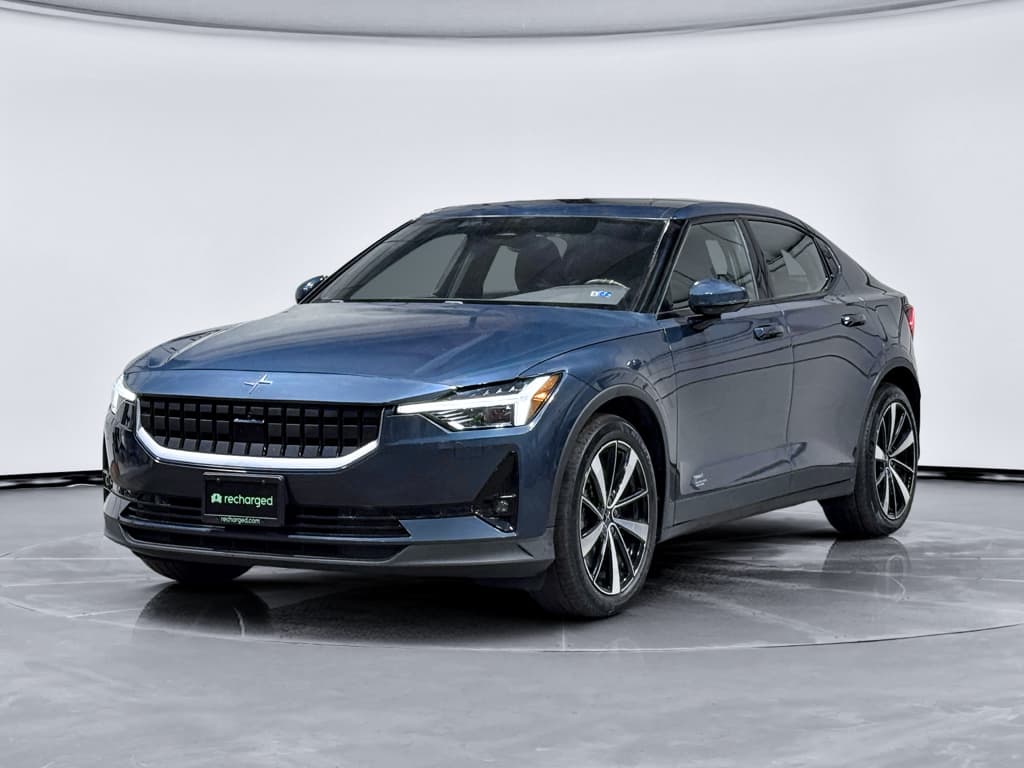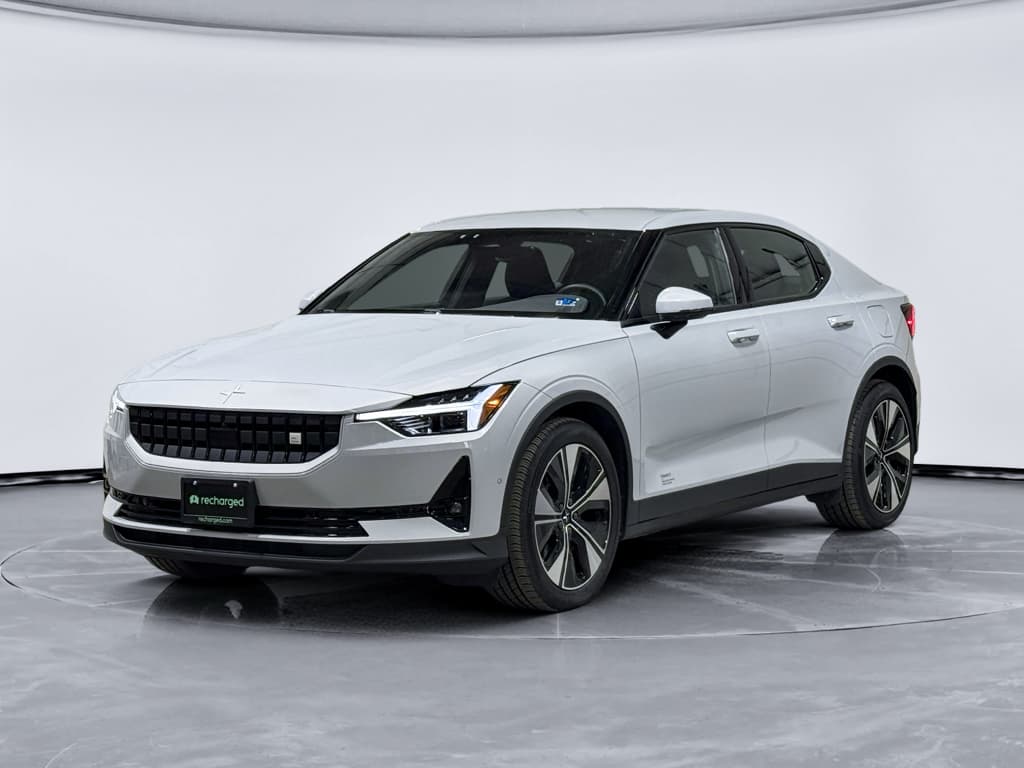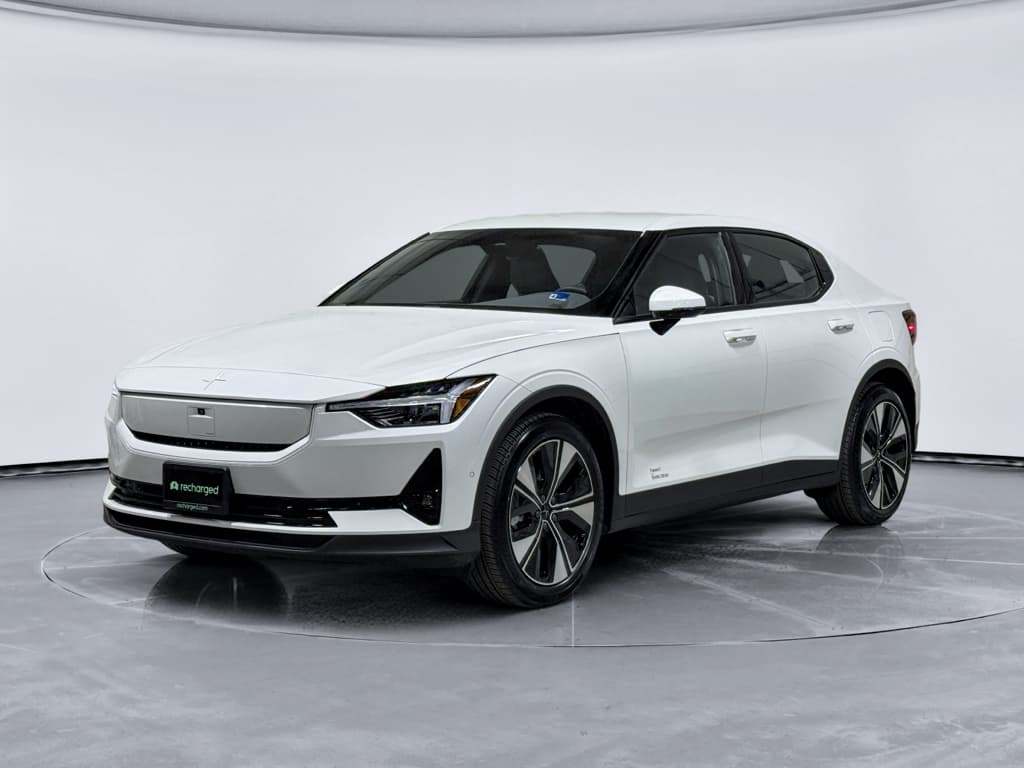
If you own, lease, or are shopping for a used Polestar 2, the big question is simple: **what is a Polestar 2 worth after 3 years**? With EV prices moving fast, incentives shifting, and new tech landing every model year, understanding 3‑year value is crucial whether you’re planning a trade‑in, lease buyout, or a smart used purchase.
Key takeaway
3-year Polestar 2 value at a glance
Polestar 2 value after 3 years (U.S. market)
These are market‑level averages. The **actual value of any 3‑year‑old Polestar 2** will depend on trim, mileage, region, incentives when new, and, critically for EVs, verified battery health.
How much is a 3-year-old Polestar 2 worth?
By early 2026, the “typical” 3‑year‑old Polestar 2 is a **2022 or 2023 model**. Based on recent used listings, MSRP histories, and residual‑value modeling, here’s where values commonly land for well‑kept cars with average mileage (around 10,000–12,000 miles per year):
Approximate Polestar 2 value after 3 years
Directional U.S. estimates for clean, average‑mileage cars with no major accident history. These are not offers for any specific VIN.
| Original MSRP (new) | Age | Condition example | Typical 3‑yr value | Value retained |
|---|---|---|---|---|
| $50,000–$55,000 | 3 years | Single‑motor, well‑equipped | $30,000–$33,000 | ~60–63% |
| $55,000–$65,000 | 3 years | Dual‑motor, Plus/Performance packs | $32,000–$36,000 | ~58–65% |
| $65,000+ | 3 years | High‑MSRP, heavily optioned | $34,000–$38,000 | ~55–60% |
Your real‑world value can be higher or lower depending on equipment, incentives when new, local demand, and battery health.
Averages aren’t appraisals
Earlier **2021 launch‑edition cars** have already moved past the 3‑year point. Many now sit closer to the **mid‑ to high‑$20,000s**, reflecting 4–5 years of age and the reality that early premium EVs took a heavy hit as technology and pricing evolved.
How fast does the Polestar 2 depreciate?
When you zoom out to the first several years of ownership, the Polestar 2 follows a familiar EV story: a **steep first‑year drop**, then more gradual declines. Aggregated analysis of U.S. MSRPs and used pricing across 2021–2024 shows an average **compound depreciation rate of roughly 18% per year** over the first 3–4 years.
How Polestar 2 depreciation usually unfolds
Actual curves vary by trim, incentives, and mileage, but the pattern is consistent.
Year 1: Biggest hit
Like most new vehicles, a fresh Polestar 2 loses a large chunk of value in the first 12 months as it moves from new to used status and early incentives reset the pricing floor.
Years 2–3: Smoother decline
From years 2–3, depreciation slows into the **mid‑teens to low‑20s percent per year**, depending on trim and broader EV market swings.
Year 4+: Market finds a floor
By year 4 and beyond, values start to stabilize. For the Polestar 2, that “floor” is still evolving as the model matures and more used inventory hits the market.
Where the Polestar 2 sits in the EV pack
What drives Polestar 2 value after 3 years?
Once you’re past the initial new‑car hit, **3‑year value** becomes a story about how desirable your specific car is versus the rest of the used market. For a Polestar 2, these factors are especially important:
- Trim and options: Dual‑motor cars with Plus/Performance packs tend to command stronger prices, but heavy MSRP when new can drag down the percentage of value retained.
- Mileage: Staying near or under 10,000–12,000 miles per year keeps you aligned with most depreciation curves; unusually low mileage can add a premium.
- Accident and service history: Clean Carfax reports, documented maintenance, and software updates help support higher offers.
- Warranty coverage: A 3‑year‑old Polestar 2 still carries remaining basic and powertrain warranty coverage, especially important for buyers nervous about new‑to‑them EV tech.
- Market conditions: Wider EV price cuts, federal and state incentives, and brand awareness for Polestar all move the needle on what buyers are willing to pay.
How Recharged looks at your Polestar
Battery health and 3-year value
With EVs like the Polestar 2, **what’s happening inside the battery pack** is just as important as the odometer reading. The good news so far: fleet data and owner reports point to **modest early‑life degradation** on the Polestar 2, typically in the single‑digit percentage range by year three when the car is treated reasonably well.
Typical 3‑year battery health
Real‑world fleets tracking state of health (SoH) on the Polestar 2 and similar EVs commonly see packs in the **92–96% capacity** range at 3 years, assuming roughly 30,000–40,000 miles and normal use. That aligns with owner reports of mid‑90s SoH in the 3–4 year window.
Why buyers care
For a used‑EV shopper, higher SoH means more usable range and less long‑term risk. A car showing mid‑90s battery health versus high‑80s can be worth **thousands of dollars more** in a competitive market.

Watch out for hard use
When you buy through Recharged, we surface **battery diagnostics in plain language**, so you can compare a 3‑year‑old Polestar 2 against others on the market instead of guessing from a generic range estimate.
Polestar 2 vs. competitors after 3 years
If you’re cross‑shopping or thinking about resale versus other premium EVs, it helps to know where the Polestar 2 sits. It’s not the resale champion of the segment, but it’s also not the worst offender.
3-year value comparison: Polestar 2 vs. similar EVs
Broad, directional retention bands for volume trims in the U.S. as of early 2026.
| Model | Segment | Typical 3‑yr value retained | Notes |
|---|---|---|---|
| Polestar 2 | Premium EV sedan/liftback | ~60–65% | Solid, but affected by smaller brand footprint and fast‑moving EV price cuts. |
| Tesla Model 3 | Premium EV sedan | ~65–70% | Generally stronger brand recognition and broader charging network support values. |
| Hyundai Ioniq 5 | Mainstream EV crossover | ~58–63% | Strong demand but impacted by frequent new‑EV discounts and incentives. |
| Volvo XC40 Recharge/C40 | Premium EV crossover | ~55–60% | Similar hardware to Polestar 2, but SUV body style and dealer incentives can pull prices down. |
Exact numbers vary by model year and configuration, but this gives you a rough sense of how the Polestar 2 stacks up.
Why this matters for you
Leasing vs. owning: impact on 3-year value
Many early Polestar 2s hit the road as **leases with aggressive incentives and relatively high residual values**. That has a few implications for 3‑year value today:
What 3-year value looks like from both sides
Whether you’re coming off lease or shopping used, the math is a little different.
If you’re at lease‑end
- Your **residual value** may be higher than today’s market price, especially on earlier high‑MSRP cars.
- Buying the car at residual can be a stretch if similar Polestar 2s are listing for thousands less.
- If you love the car, compare buyout versus simply finding a cheaper, similar spec on the used market.
If you’re buying used
- Off‑lease cars create **steady 3‑year‑old supply**, often in popular specs.
- Softening residuals and higher leasing volumes can push used prices **down into attractive territory**.
- You benefit from early depreciation someone else already paid.
Check buyout vs. real market value
7 tips to protect your Polestar 2’s value
Practical ways to keep 3‑year value higher
1. Stay on top of software and service
Keep Polestar app updates, over‑the‑air software, and scheduled service current. Buyers and appraisers alike view documented updates as a sign of a well‑cared‑for EV.
2. Treat the battery kindly
Avoid frequent 0–100% charge cycles, limit daily fast‑charging when possible, and don’t leave the car sitting at 100% for long periods. Better battery health translates directly into stronger offers.
3. Document everything
Hold on to service invoices, tire receipts, and any warranty work documentation. A tidy folder, or digital file, builds confidence that your 3‑year‑old Polestar 2 hasn’t been neglected.
4. Fix cosmetic issues early
Curb‑rashed wheels, cracked glass, or obvious dings can make shoppers scroll past your listing. Addressing these before trade‑in can produce a positive return on investment.
5. Keep mileage reasonable
If you know you’ll sell or trade around year three, try not to blow past 40,000 miles. Staying close to the market norm keeps depreciation predictable.
6. Time your sale strategically
Listing before major model‑year refreshes, big EV price cuts, or incentive changes can help you avoid sudden value drops driven by new‑car deals.
7. Get a third‑party battery report
If you sell privately, consider an independent battery health report. If you sell through Recharged, the **Recharged Score** does this for you and packages it in a buyer‑friendly format.
Should you buy a 3-year-old Polestar 2?
Why a 3‑year‑old Polestar 2 can be a smart buy
- Someone else already paid the steepest new‑car depreciation, so you get **premium EV hardware at a discount**.
- Battery and drivetrain issues are rare so far, and you still sit well within the factory battery warranty window.
- You benefit from **continuous software updates** and improvements without paying new‑car money.
What to watch out for
- Verify **battery state of health** and real‑world range instead of relying only on the original EPA rating.
- Check charging history, especially if the car lived on DC fast charging.
- Be realistic about **future resale**: strong, but likely not on the same level as a Tesla Model 3.
How Recharged simplifies the used Polestar 2 hunt
Ready to find your next EV?
Browse VehiclesFAQ: Polestar 2 value after 3 years
Frequently asked questions about 3‑year Polestar 2 value
Bottom line on Polestar 2 3‑year value
By the time a **Polestar 2 hits its 3‑year birthday**, most of the scary early depreciation is behind it. You’re typically looking at a car that’s kept **around 60–65% of its original value**, with a battery that has only lost a small slice of usable capacity and plenty of warranty runway ahead.
For owners, that means your decisions about **how you maintain the car, treat the battery, and time your sale or trade‑in** will have more impact than the generic depreciation curve. For shoppers, it means a 3‑year‑old Polestar 2 can be a compelling sweet spot, premium EV experience at a substantial discount to new, without stepping into genuinely “old” technology.
If you’re ready to see how those numbers look for real cars, browse used Polestar 2 listings on Recharged. Every vehicle includes a **Recharged Score Report** with verified battery health and transparent pricing, so you can see exactly how that specific Polestar 2 stacks up against the broader 3‑year value story.