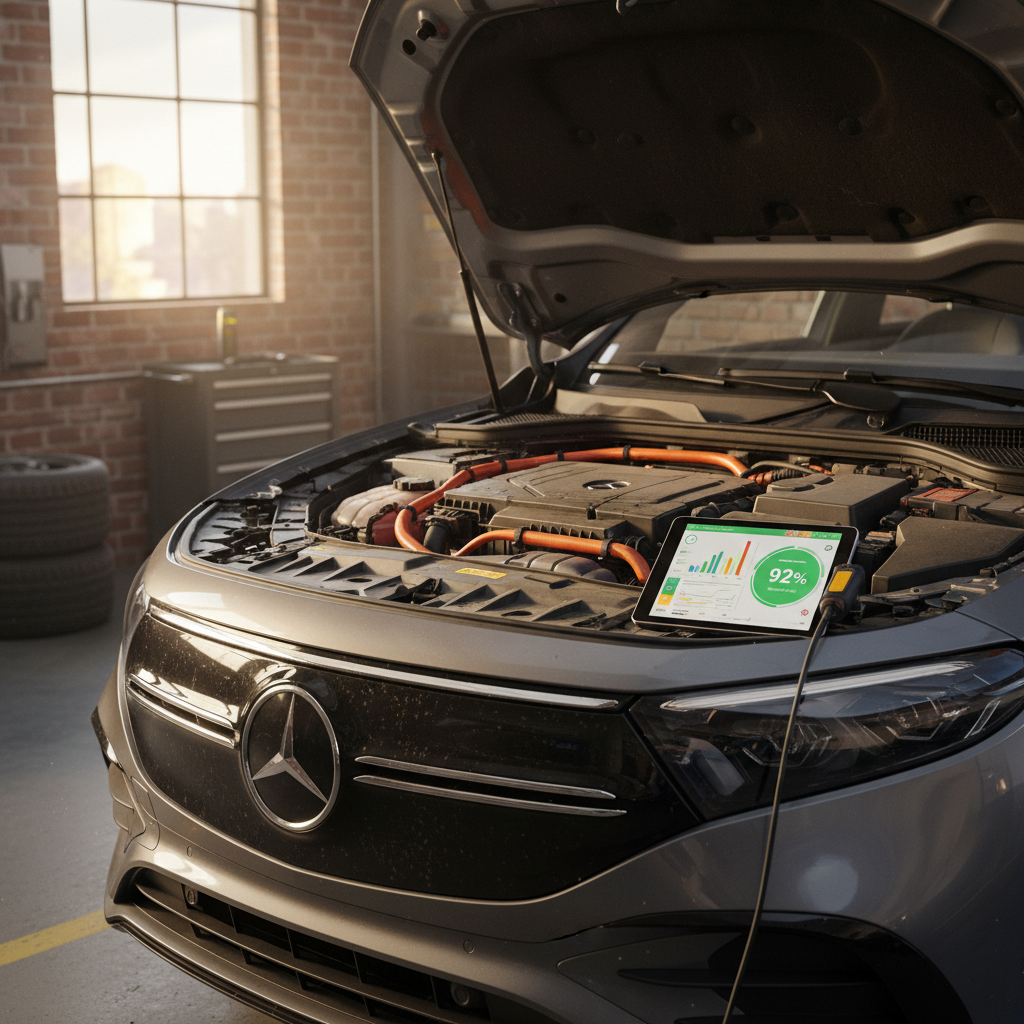
If you just typed “places for tune up near me” into a search bar, you’re probably either trying to keep a gas car on the road for a few more years, or wondering what “tune-up” even means now that so many vehicles are electric. The truth is, modern cars (especially EVs) don’t need the old-school tune-up you might be picturing, but they do need the right kind of service from the right kind of shop.
Quick takeaway
Why You’re Searching “Places for Tune Up Near Me”
Drivers in the U.S. are keeping vehicles longer than ever, and repair prices have climbed alongside parts and labor costs. It’s no surprise many people search for places for tune up near me hoping to find an honest shop that can keep their car reliable without wrecking their budget. At the same time, more drivers are switching into used EVs, which have fewer moving parts and lower routine maintenance costs than comparable gas cars. That shift changes what “tune-up” really means.
Maintenance: EVs vs. Gas Cars in 2025
What a “Tune-Up” Means for Gas Cars vs. EVs
What a tune-up means for gas cars
On a traditional gasoline car, a tune-up usually includes:
- Replacing spark plugs and sometimes ignition coils
- Inspecting or replacing belts and hoses
- Cleaning the throttle body and intake
- Replacing the air filter and fuel filter
- Checking timing, idle quality, fuel trims and emissions
Depending on the vehicle and shop, this can run from a couple of hundred dollars to well over $1,000 if major ignition parts are tired.
What “tune-up” means for an EV
Electric vehicles don’t have:
- Spark plugs or ignition coils
- Engine oil, timing belts or exhaust systems
- Fuel injectors, fuel pumps or oxygen sensors
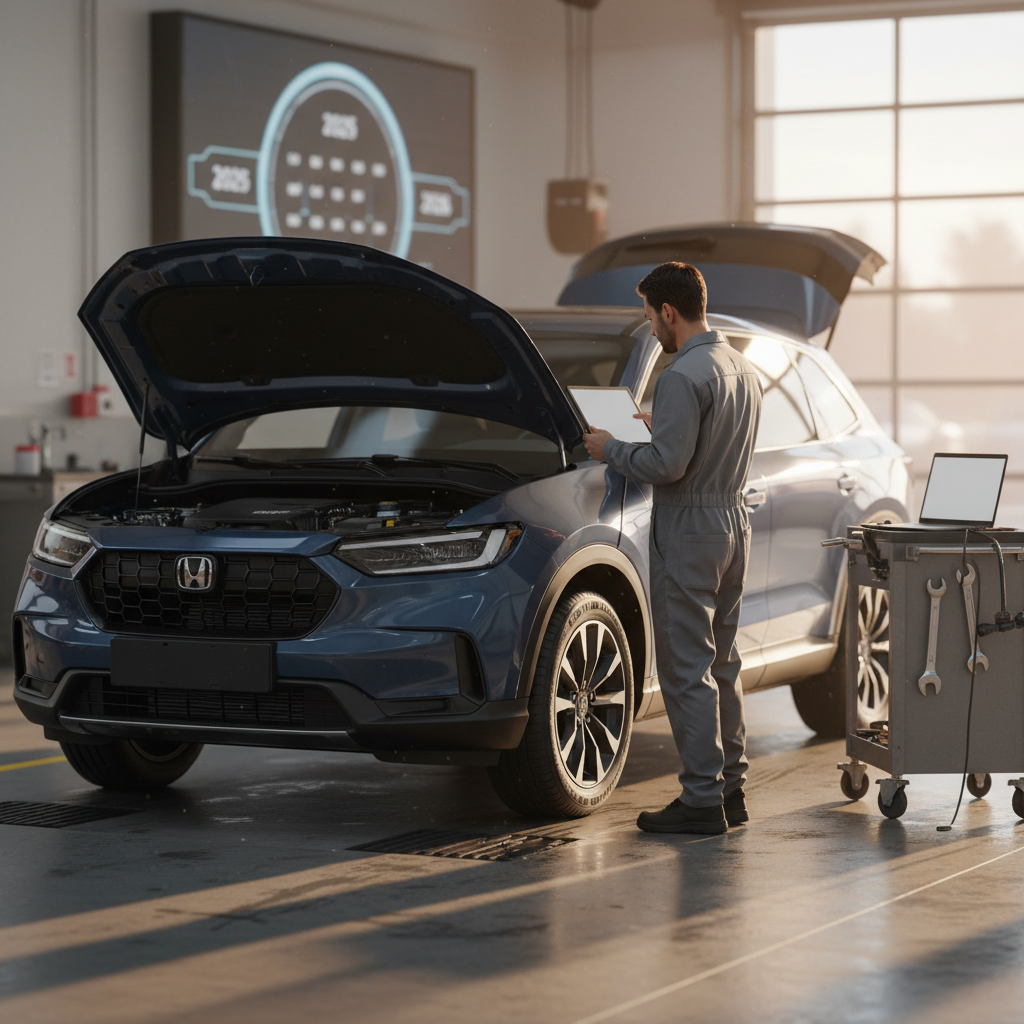
So there’s nothing to “tune” in the classic sense. Instead, an EV tune-up is really a routine inspection and wear‑item service:
- Tire rotation and balance
- Brake inspection (pads, rotors, calipers, parking brake)
- Cabin air filter replacement
- Coolant checks for the battery and inverter (when applicable)
- Software updates and diagnostic scans
The visit is usually quicker, and you’re paying mainly for technician time, not a cart full of engine parts.
Watch for outdated service menus
Common Places for a Tune-Up Near You
Whether you drive gas or electric, you’ve got several options when you look for places for a tune up near me. Each comes with trade‑offs in price, convenience and EV expertise.
Where People Go for Tune-Ups and Service
Pros and cons of the most common options near you
Franchise repair chains
Think national chains you see on busy intersections. They’re easy to find, often run coupons, and can handle basic maintenance on most gas cars.
Pros: Competitive prices, familiar process, decent warranties on parts and labor.
Cons: EV training varies widely. Many can do tires and brakes, but not high‑voltage work or brand‑specific diagnostics.
Dealership service departments
Brand dealers have factory tools and direct access to technical service bulletins.
Pros: Best for warranty work and software campaigns; strong EV familiarity for that brand.
Cons: Typically higher labor rates; may upsell services you don’t need, especially on older gas cars.
Independent specialty shops
Independent garages increasingly specialize, EVs, hybrids, European brands, off‑road, etc.
Pros: Strong expertise in a niche, owner‑operator accountability, often better communication.
Cons: You may have to drive farther; schedules can be tight because good shops stay busy.
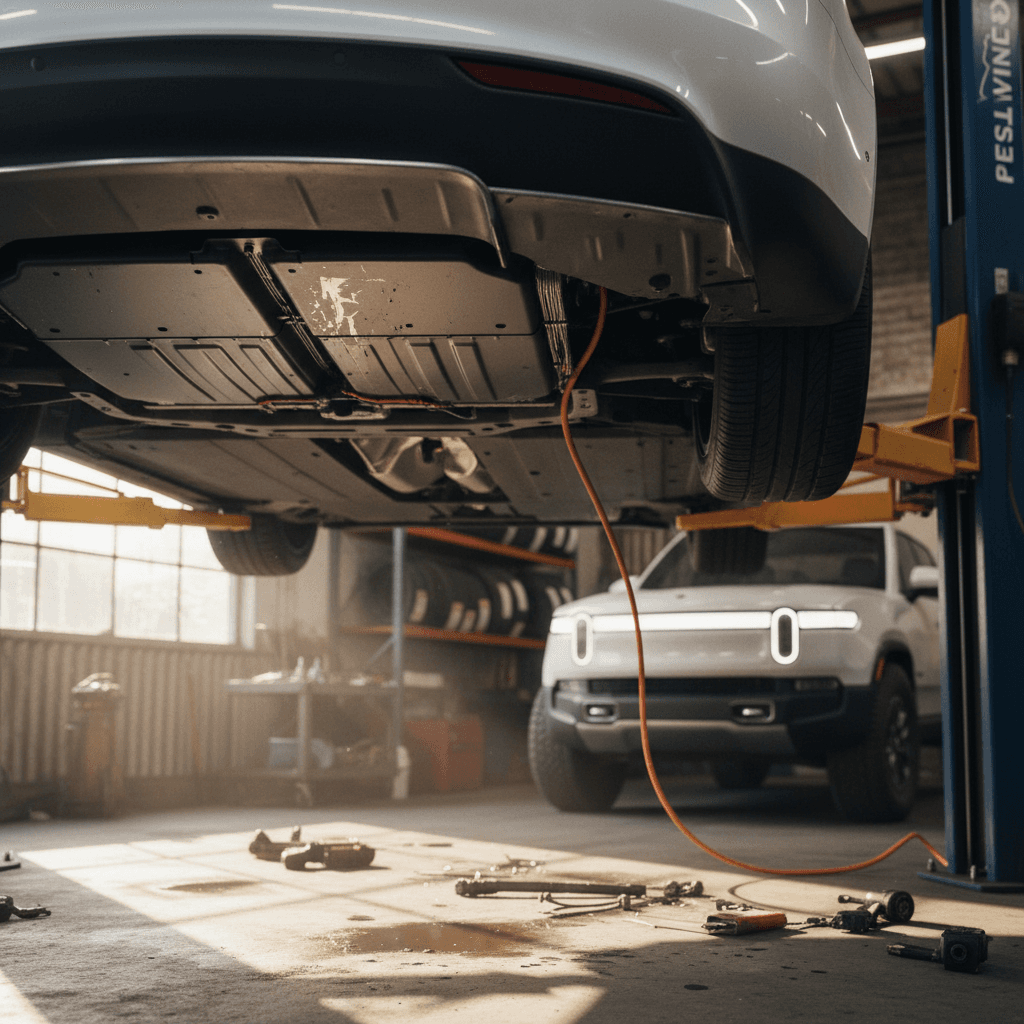
Tip for mixed households
How to Find EV-Friendly Service Shops Near You
Finding a basic oil-change shop is easy. Finding a place that understands high‑voltage safety, battery health and software on your EV takes a bit more work, but it’s worth it. Here’s how to narrow down your options when you search for EV tune up near me.
Checklist: Vetting a Shop for EV Service
1. Start with your brand’s network
If you own a Tesla, Ford, Hyundai, Kia or another major brand, check its website or app for certified EV service centers. These shops have been trained on your specific model and its battery and charging systems.
2. Look for EV or hybrid specialization
Search terms like “EV service,” “hybrid specialist,” or “electric vehicle repair” along with your city. Read reviews to confirm they actually work on EVs regularly, not just list it as a buzzword.
3. Ask direct questions on the phone
Ask what EVs they work on most, whether technicians have high‑voltage certifications, and what scan tools they use. A confident, specific answer is a green flag.
4. Confirm they follow your maintenance schedule
Instead of selling generic tune-ups, the right shop will pull up your <strong>factory maintenance schedule</strong> by VIN or model and walk you through what’s due and what can wait.
5. Check tire equipment and alignment capability
EVs are heavier and harder on tires. Make sure the shop has a modern alignment rack and can handle your wheel size and weight rating.
6. For used EVs, ask about battery health reports
If you’ve bought, or are buying, a used EV, ask whether they can generate a battery health report. With <strong>Recharged</strong>, every vehicle comes with a Recharged Score battery report built in, so you start with verified data.
Typical EV Maintenance Schedule and Costs
Most modern EVs recommend a quick checkup about once a year or every 10,000–12,000 miles, whichever comes first. That visit is less about replacing parts and more about making sure wear items and cooling systems are happy.
Sample EV Maintenance Items and Timing
Always confirm specifics in your owner’s manual, but this gives you a realistic picture of what EV service looks like.
| Item | Typical Interval | What’s Checked or Replaced | Notes |
|---|---|---|---|
| Tire rotation & inspection | Every 6,000–8,000 miles | Rotate tires, check tread depth and uneven wear, set pressures | Heavier EVs wear tires faster; budget for replacements sooner than with a small gas sedan. |
| Brake inspection | Every 12,000 miles or annually | Pads, rotors, calipers, parking brake function | Regenerative braking means pads often last much longer than on gas cars. |
| Cabin air filter | Every 20,000–30,000 miles | Replace filter, inspect for odors or debris | Easy job; many owners DIY this in 15–30 minutes. |
| Coolant checks (battery/inverter) | Every 2–4 years | Check coolant level and condition; replace if required by schedule | Not all EVs use the same coolant, only use what the manufacturer specifies. |
| Brake fluid service | About every 3 years | Flush and replace brake fluid | Important for corrosion prevention, especially in humid climates. |
| Comprehensive inspection | Every 1–2 years | Suspension, steering, high‑voltage cabling visual checks, software and fault-code scan | Equivalent of a “tune-up visit” for an EV, mostly inspection and preventive work. |
EVs still need maintenance, but the list is shorter and simpler than for gas cars.
Good news on EV costs
Signs Your EV Needs Service (Not a Classic Tune-Up)
EVs are pretty good at telling you when something’s wrong, but not every issue triggers a warning light right away. Instead of waiting for a generic “tune up” mileage, watch for these specific signs and book EV service promptly.
- Noticeable drop in driving range without a change in weather or routes
- Unusual noises while braking, especially grinding or squealing at low speeds
- Vibration through the steering wheel at highway speeds (often tire or alignment related)
- Warning lights for ABS, traction control, battery, or powertrain
- Persistent charging issues, slow charging, frequent charge interruptions or connector errors
- Uneven tire wear or the vehicle pulling to one side
- Harshness or clunks over bumps that weren’t there before
When to stop driving and call for help
Cutting Maintenance Costs by Switching to a Used EV
If your search for places for tune up near me keeps turning into big repair quotes on an aging gas car, it may be time to do the math on switching to a used EV. Purchase prices on used electric vehicles fell sharply in 2024, and by mid‑2025 used EV sales in the U.S. crossed the 100,000‑per‑quarter mark as shoppers chased lower running costs and attractive pricing. At the same time, multiple studies show EV owners spending thousands less on maintenance over a decade than owners of comparable gas vehicles.
Why Many Drivers Use a Used EV to Escape Tune-Up Costs
Less maintenance, more predictability, and a clearer picture with tools like the Recharged Score
Fewer systems to wear out
There’s no engine oil, timing chain, exhaust or multi‑gear transmission to maintain or replace. Most service visits focus on tires, brakes and inspections, the predictable stuff.
Over 10 years, that can mean thousands of dollars saved compared with chasing tune‑ups and repairs on a high‑mileage gas car.
Battery health you can verify
Battery condition is the big question with a used EV. That’s why every vehicle on Recharged includes a Recharged Score Report with verified battery health, real‑world range insight and fair market pricing.
Instead of wondering what’s under the hood, you see a data-backed picture of how that EV has actually been used and how the pack is aging.
Because Recharged focuses exclusively on electric vehicles, you also get EV‑specialist support, financing options, trade‑in or consignment of your current car, and nationwide delivery. In other words, less time bouncing between local shops and more time driving a car that doesn’t constantly need a tune-up.
Checklist Before You Book Any Tune-Up
Before You Click “Schedule Service”
Clarify what you actually need
Check your owner’s manual for the recommended services at your current mileage and age. Use that list to guide the conversation so you’re not buying a generic “tune-up package” that doesn’t match your car.
Get itemized estimates, not just a package price
Ask for a line‑by‑line estimate: parts, labor and shop supplies. That makes it easier to compare shops and to say no to extras you don’t need yet.
Ask how they handle EVs (or modern gas cars)
For EVs, confirm the shop has high‑voltage training and proper insulation tools. For gas cars with direct injection or turbos, ask about their experience with your engine family.
Confirm warranty and parts quality
Good shops use OEM or high‑quality aftermarket parts and stand behind their work with clear warranties. If they dodge the question, consider it a red flag.
Plan around your downtime
Ask about loaner cars, shuttle service or rideshare credits. Some EV‑centric shops and dealers will also let you schedule around fast charging so you leave with a topped‑up battery.
If you’re close to replacing the car, run the numbers
Compare the repair quote to the value of the vehicle. If you’re staring at another four‑figure tune-up, it may be smarter to put that money toward a <strong>used EV with lower ongoing maintenance</strong> instead.
FAQ: Places for Tune Up Near Me
Frequently Asked Questions About Tune-Ups and EV Service
Bottom Line: Tune-Ups, EVs, and Your Next Step
When you search for places for tune up near me, what you really need is a shop that understands the kind of vehicle you drive today, not the carbureted V8s of the past. For gas cars, that still means ignition parts, fluids and under‑hood diagnostics. For EVs, it means expert eyes on tires, brakes, cooling systems, software and battery health, with far fewer parts to replace along the way.
If you’re tired of writing four‑figure checks to keep an aging gas car on the road, it may be worth stepping back and asking whether that next tune-up should actually be your last. A well‑chosen used EV, especially one with a transparent Recharged Score battery health report and expert guidance from Recharged, can dramatically shrink your future maintenance bills and make those “tune-up near me” searches far less urgent.