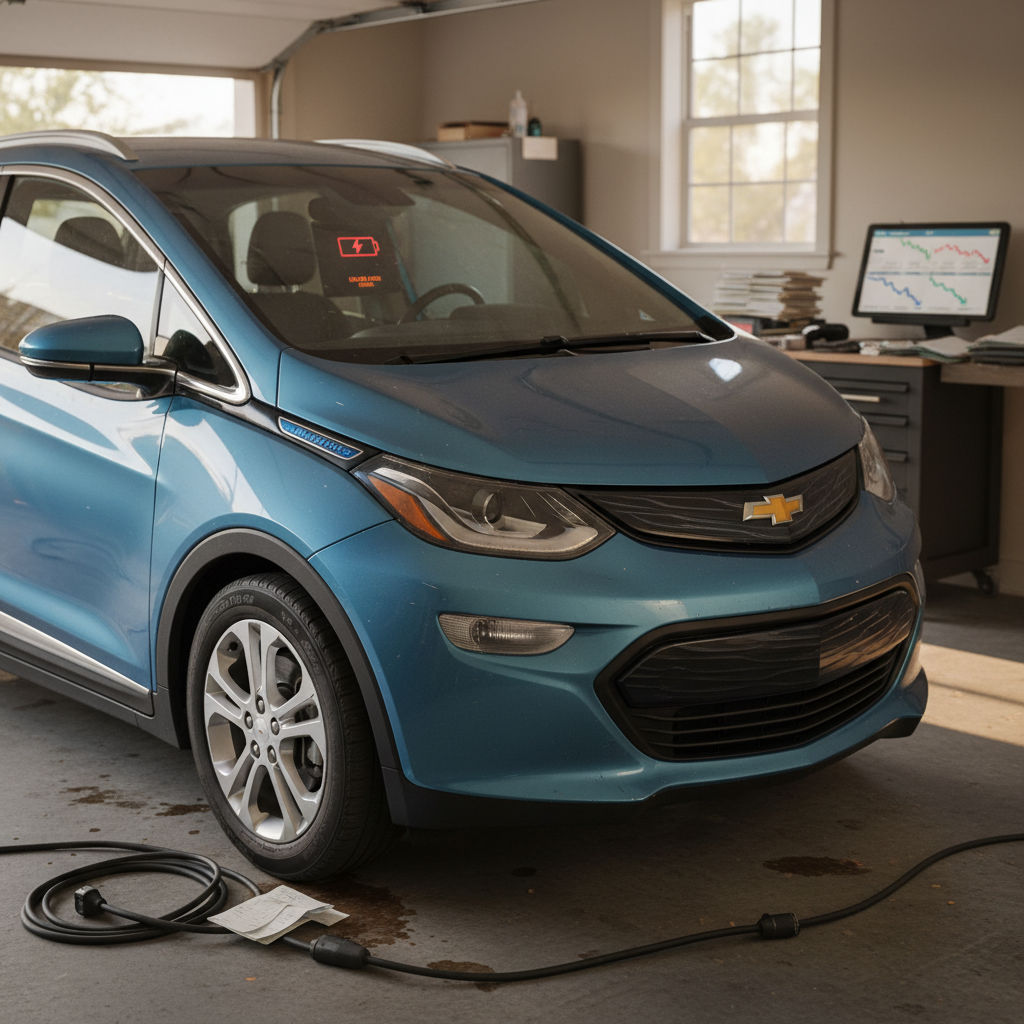
If you’re looking up the Honda Prologue service schedule, you’ve probably run into a wall: the Prologue is new, it’s electric, and a lot of dealers are still figuring it out. The good news is that maintenance is straightforward once you separate real EV needs from old gasoline habits and upsells.
Quick answer
Why the Honda Prologue service schedule matters
The Prologue rides on GM’s Ultium EV platform, but it carries Honda’s brand promise, and Honda’s dealer network will be the one maintaining it. That mix has created some confusion: EV owners being called in for oil changes, prepaid packages that assume gas-car service needs, and wildly different advice from different stores. Having a clear mental model of the real schedule helps you: - Budget for ownership, especially if you’re thinking about a used Honda Prologue. - Push back when a service advisor sells work that doesn’t match EV reality. - Protect your battery and warranty without overspending on fluff.
Does an electric Honda Prologue need much maintenance?
How Prologue EV maintenance differs from a gas Honda
Less under the hood, more under the chassis
What you <strong>don’t</strong> service anymore
- No engine oil or filter changes
- No spark plugs, timing belt, or exhaust system
- No transmission fluid in the traditional sense
- Far fewer moving parts overall
What still matters a lot
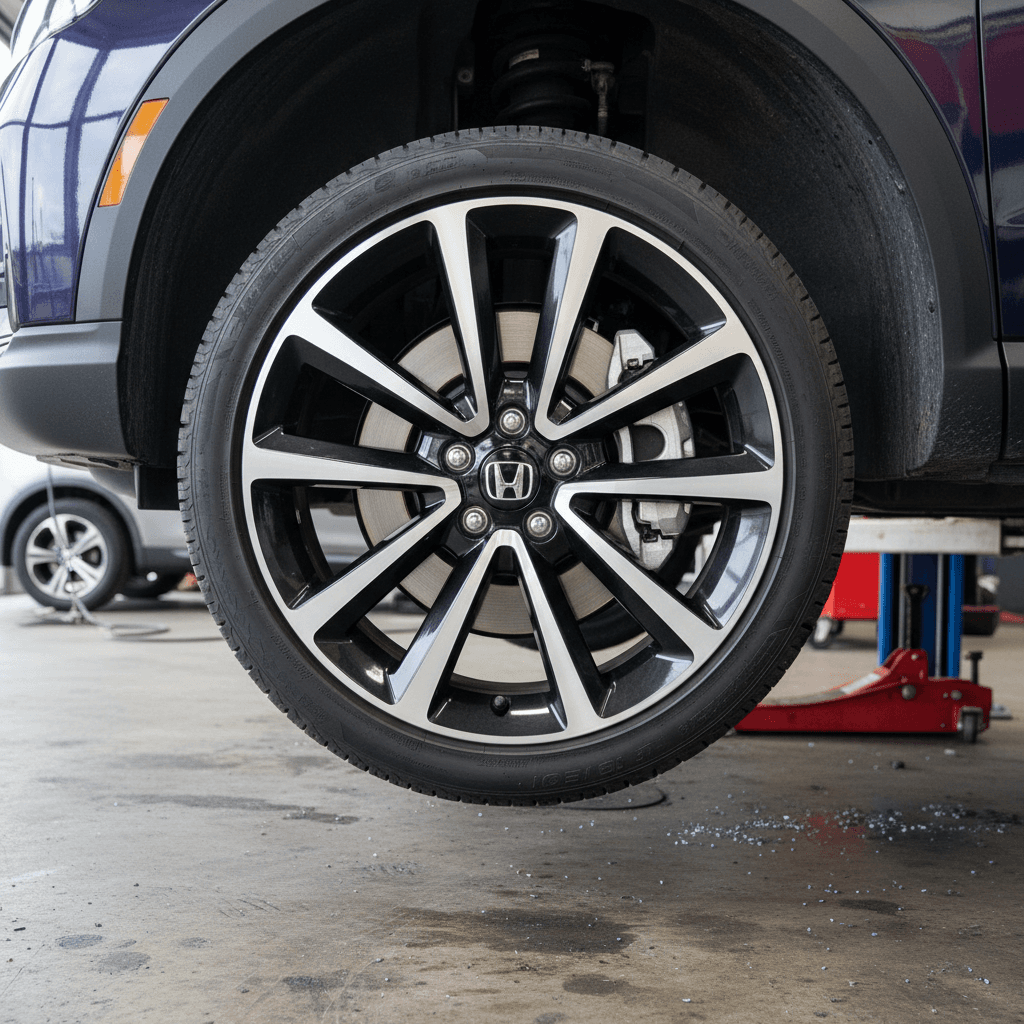
- Tires (heavy EV, instant torque)
- Brakes and brake fluid
- Cabin air filter and HVAC
- Coolant loops for battery and drive units
Watch the EV weight
Core Honda Prologue service schedule (simple version)
Key Honda Prologue service intervals (at a glance)
Here’s the short, owner-friendly summary of the Honda Prologue service schedule most drivers will follow. Think of these as “normal use” intervals for commuting and road-tripping without constant towing or track-style driving.
Honda Prologue service schedule (baseline plan)
Mileage or time, whichever comes first. Always cross‑check with your owner’s manual and on‑screen Maintenance Minder.
| Interval | What to do | Notes |
|---|---|---|
| Every 7,500 mi / 12 months | Rotate tires; check pressures, tread, and brakes | This is your main recurring service visit. |
| Every 15,000–20,000 mi / ~2 years | Replace cabin air filter | Sooner if you drive in dusty or polluted areas. |
| Every 25,000–30,000 mi / 3 years | Check brake fluid condition; replace if needed | Many owners just plan a full flush around the 3‑year mark. |
| Every 2–3 years | Wheel alignment check | Do sooner if you notice pulling or uneven wear. |
| Every year | Software / recall check, underbody and coolant system inspection | Typically done during regular service visits. |
| 8 yr / 100,000 mi | Battery warranty check at end of term if range seems low | Helpful documentation if you’re near warranty limits. |
This table is a practical baseline compiled from dealer guidance and EV best practices; your exact Maintenance Minder messages may differ slightly.
Think “tire rotation appointments,” not “oil change appointments”
Detailed Honda Prologue maintenance intervals
If you want a more granular look, here’s a Prologue schedule that lines up closely with what Honda dealers and practical EV ownership experience are recommending today. This is not an official replacement for the owner’s manual, but it will give you a realistic roadmap.
Practical Honda Prologue service checklist by mileage
0–7,500 miles: Early check-in
Confirm that software is up to date, document any early warranty issues, and get a feel for tire wear patterns. Many owners simply wait until the first 7,500‑mile rotation unless a warning light appears.
Every 7,500 miles or 12 months: Tire and brake visit
Rotate tires front-to-back, check pressures, inspect brakes and suspension, verify coolant level and look for leaks, and have the underbody shields and battery area visually inspected.
15,000–20,000 miles: First cabin filter
Replace the cabin air filter so HVAC airflow and defogging stay strong. This is often bundled with a tire rotation visit and should not be an expensive line item.
25,000–30,000 miles: Brake fluid and alignment
Have brake fluid tested and replaced if the moisture content is high or it’s been three years. Ask for an alignment check, especially if you see feathered or uneven tread wear.
45,000–60,000 miles: Second round of consumables
Plan on another cabin filter, wiper blades, and possibly your first set of replacement tires depending on how and where you drive. Heavy EVs can go through tires in 25–40k miles.
Beyond 60,000 miles: Condition-based
From here, most maintenance becomes condition-based: tires, brakes, 12‑volt battery, and coolant inspections. Pay more attention to noises, ride quality, and any warning messages on the dash.
How Maintenance Minder and dash warnings fit in
Honda has used its Maintenance Minder system for years on gasoline models, and the Prologue adopts a similar philosophy: instead of a strict paper booklet schedule, the car tracks time, mileage, and component health to tell you when service is due. You’ll see codes on the dash or in the infotainment system rather than flipping through a table of every possible service.
- Treat Maintenance Minder as the tie‑breaker if it conflicts with a generic one‑size‑fits‑all dealer postcard.
- When in doubt, follow the owner’s manual and in‑car messages, not a generic gas‑car interval chart.
- Any EV system or high‑voltage warning is a stop‑and‑diagnose situation, not a “drive it another month” problem.
High-voltage warnings are not optional
Dealer recommendations vs. what you actually need
Because the Prologue is new and based on a GM platform, some Honda dealers are still dragging gas‑era and legacy schedules into EV conversations. Owners report being sold oil changes, aggressive early brake service, and pricey inspection packages that don’t match the vehicle’s needs.
Common dealer add‑ons you can question
- Engine oil changes – the Prologue has no traditional engine oil.
- Overly frequent brake pad replacements – regen braking dramatically cuts brake wear in normal use.
- High‑priced “fuel system” or “induction” cleanings – there’s no fuel system.
- Automatic alignment and balance every visit with no symptoms.
Services worth paying for on schedule
- Regular tire rotations and balancing based on wear.
- Brake fluid changes roughly every three years.
- Cabin air filter replacements when airflow drops or every 15–20k miles.
- Alignment checks when you notice pull, vibration, or uneven tread.
How to push back (politely)
High-voltage battery and EV system care
The Prologue’s high‑voltage battery doesn’t have a “service interval” in the way tires or brake fluid do. Instead, Honda backs it with an 8‑year/100,000‑mile EV battery warranty for defects and excessive capacity loss, and expects the pack to live on basic good habits and periodic checks.
Practical battery care for a long-lived Prologue
Habits that matter more than any single service visit
Avoid living at 0% or 100%
Be kind in extreme temperatures
Charge fast when needed, slow when you can
Battery checks and warranty
Planning maintenance if you’re buying a used Honda Prologue
Because Honda and GM plan to wind down Prologue production by the end of 2026, a lot of these SUVs will move through the used market quickly. That makes it even more important to understand where a particular Prologue sits on its service curve before you sign anything.
Used Honda Prologue maintenance checklist
1. Verify tire condition and brand
Look for even tread wear, no edge feathering, and quality EV‑rated tires. A Prologue that needs four new tires right away can add $1,000+ to your real purchase price.
2. Ask for service records, not just stamps
You want to see <strong>tire rotations around every 7,500 miles</strong>, at least one cabin filter by ~20k miles, and brake fluid service in the three‑year neighborhood, not random gas‑car oil change invoices.
3. Check for software updates and recalls
Confirm that any recalls or important software campaigns have been done. This is especially important because Ultium‑platform software has evolved quickly.
4. Inspect brakes and suspension on a lift
Have a shop pull the wheels and look at pad thickness, rotor condition, bushings, and shocks. A heavy EV will expose weak suspension components faster than a compact gas car.
5. Get a battery health snapshot
Compare the displayed full‑charge range to what similar‑spec Prologues are seeing. A professional battery health report, like what’s included in a <strong>Recharged Score</strong>, is even better documentation.
6. Confirm remaining warranty coverage
Note the in‑service date so you know exactly how much of the <strong>8‑year/100,000‑mile battery warranty</strong> and basic coverage is left. This heavily influences both price and peace of mind.
How Recharged fits in
Ready to find your next EV?
Browse VehiclesEstimated Honda Prologue service costs over 8 years
Exact costs will vary by region, dealer, and how hard you drive, but we can outline a realistic order‑of‑magnitude view of what a Honda Prologue might cost to maintain from new through the end of its battery warranty, assuming typical U.S. driving around 12,000 miles per year.
Ballpark Honda Prologue maintenance cost ranges
Approximate owner-paid maintenance costs, excluding repairs from accidents or major defects that should be covered under warranty.
| Item | Typical Interval | Approx. Cost Range (per event) | 8‑Year Impact |
|---|---|---|---|
| Tire rotation & inspection | Every 7,500 mi (~once a year) | $50–$120 | $400–$800 |
| Cabin air filter | Every 15,000–20,000 mi | $60–$140 | $180–$420 |
| Brake fluid change | Every ~3 years | $120–$200 | $320–$600 |
| Wheel alignment (as needed) | Every 2–3 years or on symptoms | $120–$220 | $240–$660 |
| Replacement tires | Every 25,000–40,000 mi | $800–$1,400/set | $1,600–$2,800 |
| Misc. wipers, bulbs, 12‑V battery | Condition‑based | $30–$250 | $300–$600 |
Numbers are directional estimates for planning and comparison, always get local quotes for precise pricing.
How this compares to a gas SUV
FAQ: Honda Prologue service schedule
Frequently asked questions about the Honda Prologue service schedule
Bottom line: Build a simple, honest service plan
The Honda Prologue doesn’t need a complicated or expensive service schedule. It needs regular tire care, periodic fluid and filter changes, and a bit of mechanical sympathy around its battery and brakes. If you keep those basics on track and pay attention to the in‑car Maintenance Minder, you’ll avoid both premature wear and most of the dubious add‑ons that still haunt EV owners at some dealerships.
Whether you already own a Prologue or you’re considering a used Honda Prologue, treat this schedule as your reality check. Use your owner’s manual for the official details, use this guide to translate that into everyday decisions, and if you’re shopping, look for vehicles with documented care and strong battery health. That’s exactly what Recharged’s Recharged Score Report is built to surface, so you can spend less time decoding service menus and more time actually enjoying the drive.