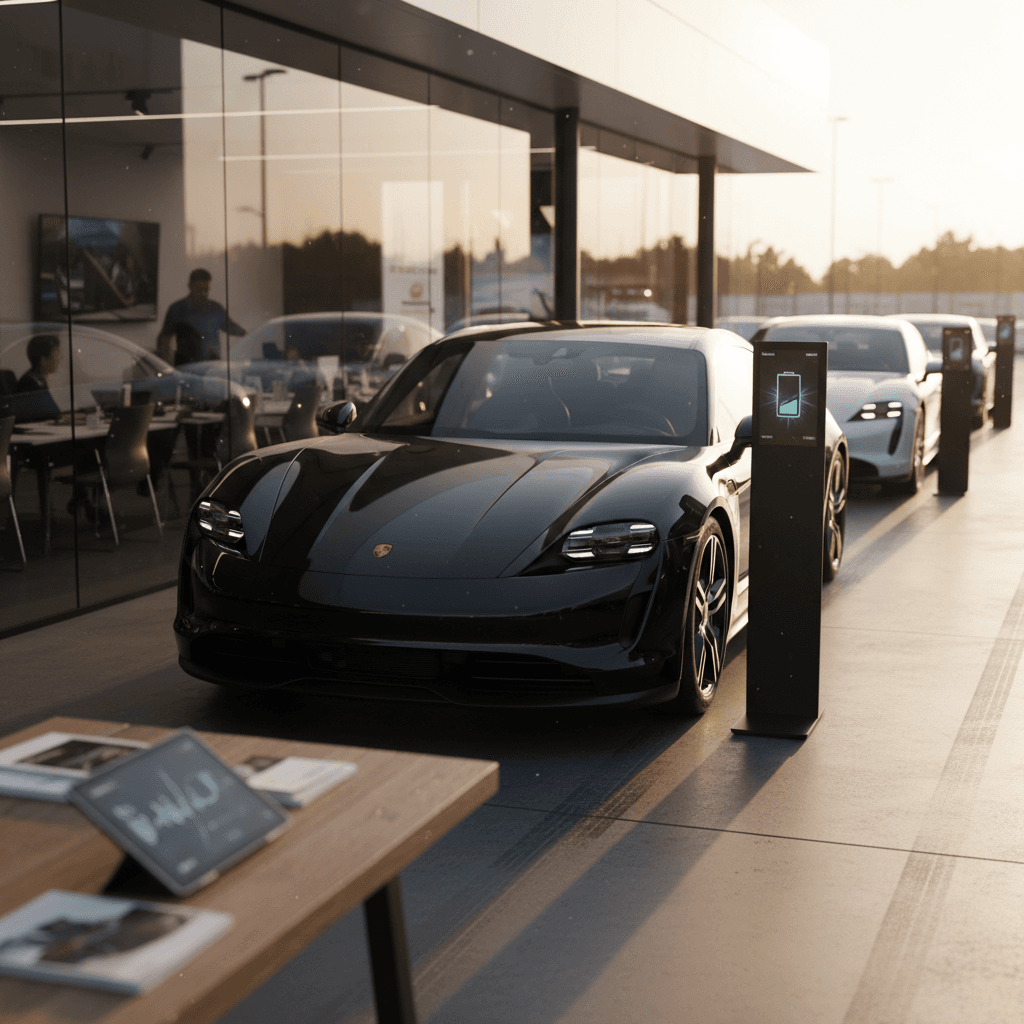
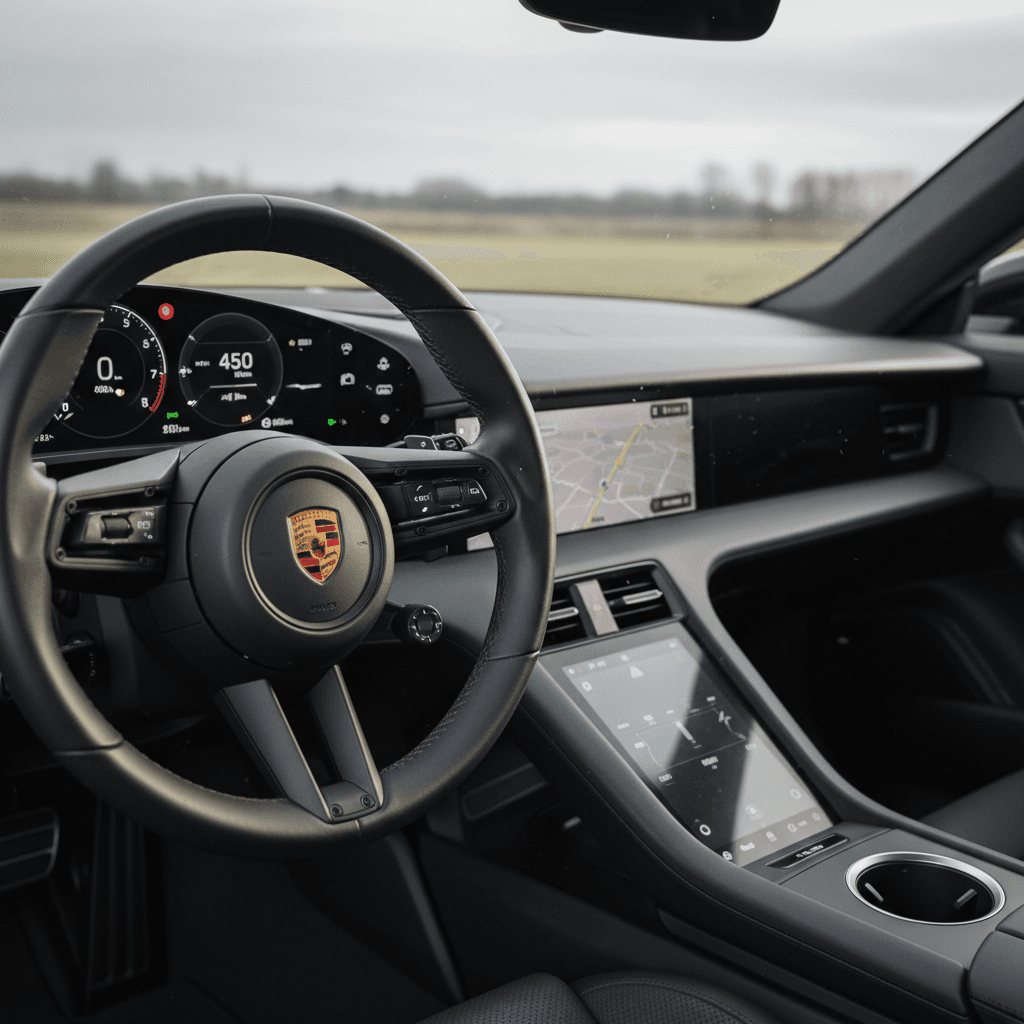
If you’re considering a 2025 Porsche Taycan, you’re looking at one of the most comprehensively updated EVs on the market. For 2025, Porsche has reworked batteries, motors, software and standard equipment, delivering more range, faster charging and sharper performance, all without losing the classic Porsche feel.
Model-year timing note
Why the 2025 Taycan is a Big Deal
2025 Taycan: headline upgrades vs earlier years
Earlier Taycans were already fantastic to drive, but they couldn’t escape questions about range and efficiency. The **2025 refresh attacks those weaknesses directly**. Larger battery packs, a more efficient rear motor, revised power electronics and smarter thermal management all combine to deliver more real‑world range and faster charging with less hassle.
Who should prioritize the 2025 update
2025 Porsche Taycan lineup at a glance
For 2025, the Taycan family is broad. In the U.S. you’ll typically see three body styles, **Taycan sedan**, **Taycan Cross Turismo** (raised, wagon‑like), and in much smaller numbers the **Sport Turismo** wagon, spread across multiple performance levels. Exact trim availability and naming can evolve, but conceptually most cars fall into four buckets:
Core 2025 Taycan variants, simplified
Think in terms of use case and performance, not just badges
Base & 4S: daily drivers
Who it fits: Drivers who want Porsche dynamics with usable range and lower entry price.
- Single‑motor RWD or dual‑motor AWD
- Performance or Performance Battery Plus
- Great balance of comfort, speed and efficiency
GTS & Turbo: performance sweet spot
Who it fits: Enthusiasts who want serious acceleration and sharper handling.
- Standard larger battery
- More power, sportier suspension and brakes
- Often the best mix of thrill and daily livability
Turbo S & Turbo GT: max attack
Who it fits: Buyers chasing bragging rights and track performance.
- Violent acceleration, advanced chassis tech
- More expensive tires, brakes and insurance
- Range still good, but tuned for performance
Cross Turismo / Sport Turismo
Who it fits: Families, outdoor types, and anyone who wants wagon practicality.
- More cargo, easier loading height
- Standard AWD and higher ride height (Cross Turismo)
- Slight efficiency penalty vs sedan
2025 Taycan: high‑level trim and pricing orientation
Approximate U.S. starting MSRPs for new 2025 models. Real‑world transaction prices and dealer markups may differ, and used pricing will be lower.
| Variant | Drivetrain | Body styles | Typical starting MSRP* |
|---|---|---|---|
| Taycan (base) | RWD, single motor | Sedan | ≈$100k–$105k |
| Taycan 4S | AWD, dual motor | Sedan / Cross Turismo | ≈$115k–$130k |
| Taycan GTS | AWD, dual motor | Sedan / Sport Turismo | ≈$135k–$145k |
| Taycan Turbo | AWD, dual motor | Sedan / Cross Turismo | ≈$155k–$170k |
| Taycan Turbo S | AWD, dual motor | Sedan / Cross Turismo | ≈$185k–$200k |
| Taycan Turbo GT | AWD, dual motor | Sedan only | North of ≈$225k |
Use this as a directional guide, not a quote sheet.
Pricing disclaimer
Range, batteries and charging: what buyers should know
Battery options
- Performance Battery: Smaller pack, lower price, slightly lighter; still delivers strong range with the 2025 efficiency upgrades.
- Performance Battery Plus: Larger pack with more modules. In 2025 it’s the key to the Taycan’s headline range and 320 kW peak fast‑charge rate.
On many trims, the big battery is optional on lower models and standard on GTS and Turbo variants. If you road‑trip, it’s worth prioritizing.
EPA range ballpark
- Base Taycan sedan (large battery): roughly mid‑250s to high‑200s miles EPA.
- Most efficient 2025 sedan configuration: up to about 318 miles EPA.
- Cross Turismo / Sport Turismo: usually a modest hit vs. sedan due to aero and weight.
- Turbo GT: tuned more for lap times than maximizing EPA numbers.
Exact ratings depend on wheels, tires and specific configuration, so verify the window sticker or official EPA listing for the car you’re considering.
Fast charging: why 2025 matters
- For daily use, most owners charge at home or work, using AC (Level 2) at 7–11 kW.
- On road trips, you’ll rely on 800‑V DC fast chargers (Electrify America, some newer high‑power sites from other networks).
- The Taycan can still use 400‑V DC sites, but you won’t see the headline 320‑kW figures there.
- Plan around **state of charge, not “empty to full”**, it’s usually faster to charge in shorter hops between 10–60% than to sit waiting for the last 20%.
Performance and driving feel by trim
Every Taycan is quick by normal standards, but Porsche still builds in real differentiation between trims. When you’re shopping, think about **how often you’ll actually use launch‑control power** versus how much you care about ride quality, tire wear and brake costs.
How the main 2025 Taycan trims feel from behind the wheel
Subjective impressions that matter more than spec‑sheet bragging rights
Taycan / Taycan 4S
- Still very quick, high‑4s to low‑5s 0–60 mph territory.
- Lightest steering effort and most compliant ride.
- Best choice if you want a comfortable daily that still feels special.
Taycan GTS
- Sharpened throttle and suspension; more playful, more planted.
- Often regarded as the enthusiast sweet spot.
- Noticeably quicker than 4S but less brutal than Turbo S.
Turbo / Turbo S / Turbo GT
- Violent acceleration that can genuinely overwhelm passengers.
- Massive brakes; adaptive and rear‑steer systems shine on twisty roads.
- Expect higher consumable costs and less forgiving ride on big wheels.
Most buyers’ sweet spot
Key options and packages that are actually worth it
Porsche’s option list is long enough to overwhelm even seasoned buyers. The trick with a Taycan, especially if you’re thinking about resale, is to prioritize features that affect how the car drives, charges and lives day‑to‑day, and to be cautious with highly personal cosmetic options.
High‑value 2025 Taycan options to prioritize
1. Performance Battery Plus (where optional)
If you can choose between the standard and larger battery, the **big pack is usually worth it**. You’ll get more range and the most capable fast‑charging profile, both of which matter a lot on road trips and for resale.
2. Adaptive air suspension with PASM
The updated Taycan already rides well, but adaptive air suspension with Porsche Active Suspension Management broadens the car’s bandwidth, comfortable in Normal, impressively tied‑down in Sport or Sport Plus.
3. Rear‑axle steering (on higher trims)
On longer‑wheelbase EVs, rear‑steer makes a huge difference in both low‑speed maneuverability and high‑speed stability. It’s not essential, but if you enjoy tight city streets or canyon roads, it’s a meaningful upgrade.
4. 2+1 rear seating or folding rear seats
If you ever carry passengers or bulky cargo, pay attention to rear‑seat and load‑through configurations. A Taycan can do family duty surprisingly well **if** it’s optioned intelligently.
5. Thermal and charging upgrades
Heat pumps, advanced pre‑conditioning and enhanced charging features can significantly improve cold‑weather efficiency and minimize charging time. For buyers in northern climates, these are smarter spends than cosmetic carbon fiber.
Think twice about
2025 Taycan vs used Taycan: which makes more sense?
Because the Taycan launched back in 2020 and early EV depreciation has been steep, many shoppers wrestle with whether to buy a **brand‑new 2025** or a **used earlier model**. There’s no single right answer, it depends on how you drive and how sensitive you are to the 2025 car’s improvements.
Reasons to prioritize a 2025 Taycan
- Substantial range and efficiency gains vs. 2020–2023 cars.
- Faster and more consistent DC fast‑charging behavior.
- Updated infotainment and driver‑assist feature set.
- Full factory warranty and eligibility for future software updates.
If you’re an early adopter type or plan to use the Taycan as a primary road‑trip car, the 2025 update is compelling.
Reasons to consider a used Taycan instead
- Significant price savings vs. new, sometimes tens of thousands of dollars.
- Early cars still offer brilliant steering, braking and chassis feel.
- Great fit if you mostly charge at home and drive shorter distances.
- Availability today, instead of waiting for a custom‑ordered 2025 build.
For many households with multiple vehicles, a well‑vetted used Taycan is a smarter value play than a fully loaded new one.
How Recharged fits in
Battery health, warranties and ownership costs
A big‑battery, high‑performance EV like the Taycan can be inexpensive to "fuel" yet expensive to neglect. Smart buyers focus on **battery condition, remaining warranty and long‑term running costs** just as much as 0–60 numbers.
- Porsche’s high‑voltage battery warranty typically runs 8 years / 100,000 miles from in‑service date, with a minimum capacity guarantee. For a new 2025 car, that takes you into the early‑2030s.
- Real‑world reports from early Taycans suggest **modest degradation** when cars are charged sensibly (not left at 100% or near‑empty for long periods, and not DC‑fast‑charged constantly).
- Porsche builds in usable‑capacity buffers, so the indicated 100% isn’t literal cell 100%, which helps protect the pack over time.
- Tire, brake and insurance costs can be substantial, especially on Turbo / Turbo S / Turbo GT cars with large wheels and performance rubber. Budget for this up front.
Good charging habits for Taycan longevity
How to spec your ideal 2025 Taycan
Once you understand the building blocks, battery, trim, body style and key options, you can work backwards from your life to the right configuration. Here’s a framework you can apply whether you’re building new or evaluating used inventory.
Sample 2025 Taycan builds for different buyers
Daily‑driver commuter
Body: Taycan sedan for best efficiency and parking ease.
Trim: Base Taycan or Taycan 4S, depending on budget and weather (AWD is nice in snow).
Battery: Performance Battery Plus if you frequently drive more than 150 miles in a day.
Options to prioritize: adaptive air suspension, heated seats and wheel, driver‑assist pack, 19" or 20" wheels.
Charging: Level 2 home charging at 7–11 kW; DC fast charging mainly for trips.
Enthusiast weekend car
Body: Taycan sedan or Sport Turismo for looks and handling.
Trim: GTS or Turbo depending on how extreme you want to go.
Battery: Larger pack (usually standard) for consistent performance and trip flexibility.
Options: rear‑steer, torque vectoring, performance‑oriented seats, sport exhaust‑style sound enhancement if you like it.
Charging: Home Level 2 plus strategic DC fast charging on canyon‑run days or track events.
Family road‑trip machine
Body: Taycan 4 Cross Turismo or 4S Cross Turismo for cargo and ride height.
Trim: 4S or GTS depending on how much power you’ll realistically use with kids onboard.
Battery: Performance Battery Plus mandatory; use the 2025 car’s improved fast‑charging to minimize stops.
Options: upgraded driver assistance, four‑zone climate, tow hitch if you plan small trailers or bike racks, rear‑seat comfort features.
Charging: Mix of home charging and pre‑planned DC fast charging on 800‑V networks along your routes.
Checklist for inspecting a used Taycan
Whether you’re buying from a franchise Porsche store, an independent dealer or a peer‑to‑peer marketplace, a Taycan deserves a more **EV‑specific inspection** than a typical sports sedan. Use this checklist as a starting point.
Used Taycan buyer’s checklist
1. Confirm facelift vs. pre‑facelift
Ask explicitly whether the car is the **updated Taycan (J1.2 platform / 2025‑spec)** or an earlier build. Range and charging behavior are meaningfully better on the facelift cars.
2. Pull battery health data
Have the seller provide a recent battery capacity test or health report. On Recharged, this appears in the Recharged Score; elsewhere, you may need a Porsche dealer or EV‑specialist inspection.
3. Review charging history
Look for signs of abuse: constant DC fast charging, long periods stored at 100% or repeated deep discharges. A mix of home Level 2 and occasional fast charging is ideal.
4. Inspect wheels, tires and brakes
Oversized wheels with worn performance tires can turn into a four‑figure bill right after purchase. Check remaining tread, brake pad/rotor condition and look for curb rash.
5. Test all charging equipment
Verify that the portable EVSE, wall‑box (if included) and both AC and DC charging ports work as expected. Try a short fast‑charge session if possible to confirm high power levels are achievable.
6. Check software, cameras and ADAS
Confirm that all driver‑assistance features, cameras, parking sensors and infotainment functions operate correctly. Glitches can usually be fixed, but on an out‑of‑warranty car they’re worth pricing in.
Walk‑away signs
2025 Porsche Taycan buying FAQ
Common 2025 Taycan buying questions, answered
Bottom line: who the 2025 Taycan is (and isn’t) for
The **2025 Porsche Taycan** takes one of the most rewarding EVs to drive and fixes many of its biggest practical compromises. If you care as much about chassis feel and build quality as you do about kilowatt‑hours, it’s one of the most complete electric cars you can buy. Just be honest about how much performance you’ll really use, and prioritize the battery, charging and options that align with your actual life rather than Instagram.
If you’re torn between new and used, remember that depreciation is your friend. A well‑vetted used Taycan, especially one with a strong battery‑health report and clear charging history, can deliver 90% of the experience for far less money. Platforms like Recharged exist precisely to make that path less risky, combining verified battery diagnostics, transparent pricing and EV‑specialist support. Whichever route you choose, going in with a clear plan and the right questions will make your Taycan feel like a joy, not a gamble.