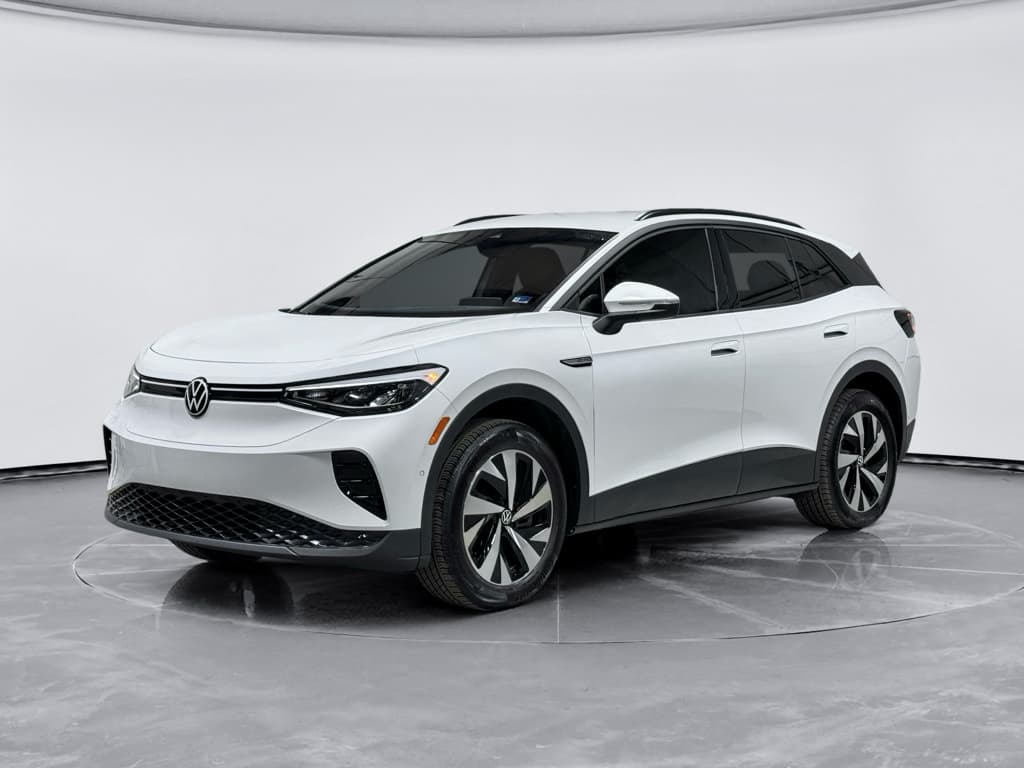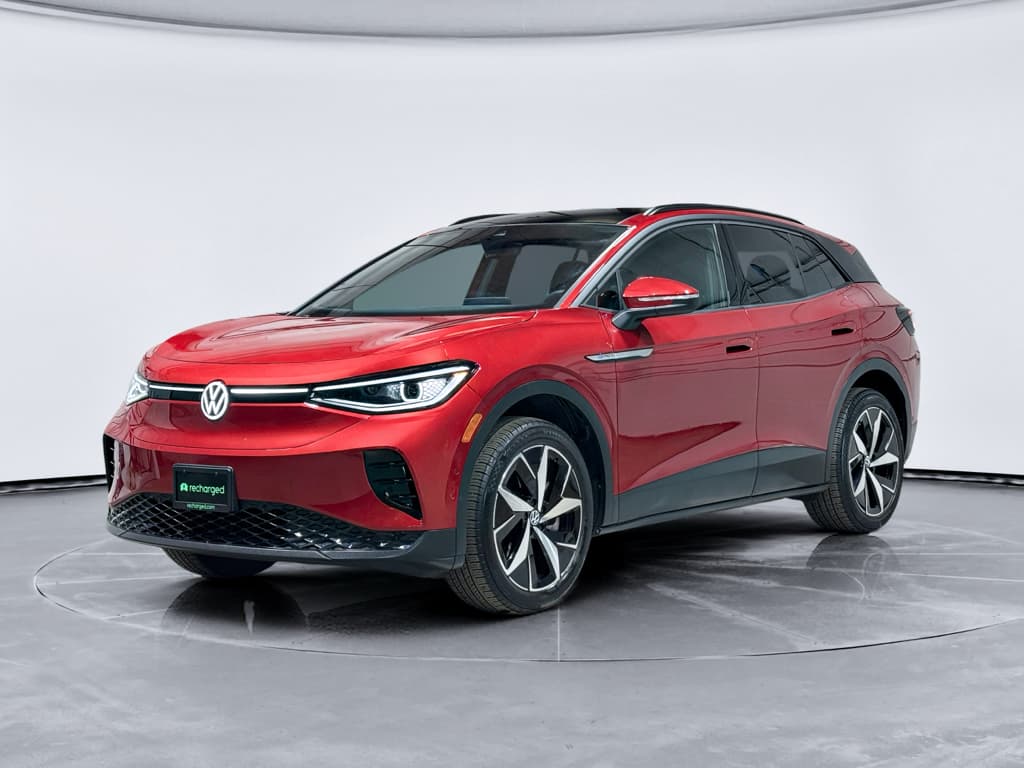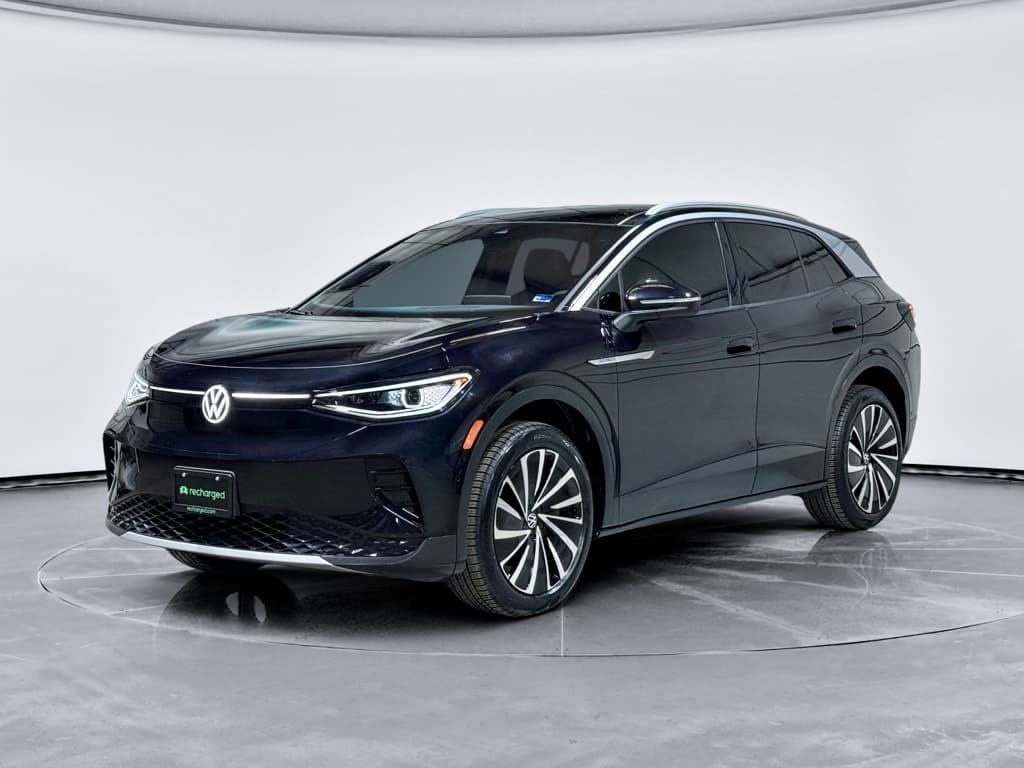
Shopping for a VW ID.4 should feel exciting, not like a pop quiz in electrical engineering. This VW ID.4 buying checklist walks you, step by step, through the decisions that actually matter, battery, range, charging, warranty, and real‑world quirks, so you can compare cars with confidence, especially if you’re considering a used ID.4.
At a glance
Step 1: Clarify how you’ll use your ID.4
Before you fall for a paint color or a payment, get clear on how this SUV will actually live its life. Your answers shape which ID.4 battery, trim, and options make sense, and which ones are just expensive window dressing.
Match the ID.4 to your driving life
Your use case should drive your spec sheet, not the other way around.
Daily commuter & family hauler
Typical profile:
- 40–70 miles per weekday
- School runs, errands, gym, kids’ activities
- Mostly home overnight charging
What to prioritize: comfort, driver‑assist, heated features, reliable Level 2 home charging.
Road‑trip and highway driver
Typical profile:
- Regular 150–300 mile days
- Frequent interstate driving
- Dependence on DC fast charging
What to prioritize: larger battery, faster DC charging, good public‑charging planning tools.
Snow states & towing
Typical profile:
- Mountain drives or harsh winters
- Occasional towing (small camper, utility trailer)
What to prioritize: AWD ID.4, proper tires, factory tow package (up to ~2,200 lbs in many trims).
Pro tip: Start with your longest day
Step 2: Choose the right battery and range
Volkswagen has offered the ID.4 with two main battery sizes in North America: a smaller pack around 58 kWh usable (often called “Standard” or “Pure/Limited”) and a larger pack around 77–79 kWh usable in Pro and AWD trims. EPA range on the big pack can reach the high‑200‑mile neighborhood in efficient rear‑drive models.
VW ID.4 battery and range cheat sheet (approximate)
Numbers vary slightly by model year, wheel size, and options, but this gives you a quick reality check when you’re comparing listings.
| Pack / Trim family | Usable capacity | Typical EPA range | Best for |
|---|---|---|---|
| Smaller pack (Standard / Pure / Limited) | ~58 kWh | ~200 miles | Short commutes, second car, budget buyers with reliable home charging |
| Larger pack (Pro RWD) | ~77–79 kWh | 250–290 miles | One‑car households, frequent highway trips, light towing |
| Larger pack (Pro AWD) | ~77–79 kWh | 230–260 miles | Snow‑belt drivers, performance‑oriented shoppers, towing in hilly terrain |
Always confirm exact EPA range and battery size on the specific VIN, listings are often vague or wrong.
Range reality check
Charging and range: ballpark numbers to know
Step 3: Understand trims, motors, and key features
Volkswagen has shuffled ID.4 trim names and equipment over the years, Standard, Pro, Pro S, S Plus, Limited, Pure, so don’t buy on name alone. Shop by the ingredients: motor layout, battery size, and the handful of features that change daily life in the car.
Rear‑wheel drive (RWD)
- Single motor at the rear, lower cost, more efficient.
- Smoother, lighter feel in everyday driving.
- Best range numbers, especially on 19‑inch wheels.
- Generally the right choice for mild climates and mostly city/suburban use.
All‑wheel drive (AWD)
- Dual motors, more power and quicker acceleration.
- Extra traction in snow and rain.
- Slight range penalty versus RWD (more weight and drag).
- Often bundled with higher‑end trims, larger wheels, and extra features.
Must‑decide ID.4 features
These options move the needle on comfort, efficiency, and resale more than paint or wheel design.
Cold‑weather kit
Look for:
- Heated front seats and steering wheel
- Optional heated windshield & mirrors
- Heat pump (on some model years/trims)
Worth it if you live where winter is more than a rumor.
Infotainment & driver assist
Later ID.4s gained a larger infotainment screen and upgraded software. On your test drive, check that:
- Touchscreen responds quickly
- Navigation and CarPlay/Android Auto work reliably
- Travel Assist / lane‑keep behaves the way you like
Tow package & roof rails
If you tow, verify a factory tow package and check the owner’s manual for the correct towing capacity (around 2,200 lbs on many trims). If you carry bikes or cargo boxes, make sure the car has roof rails.
Trim shopping shortcut
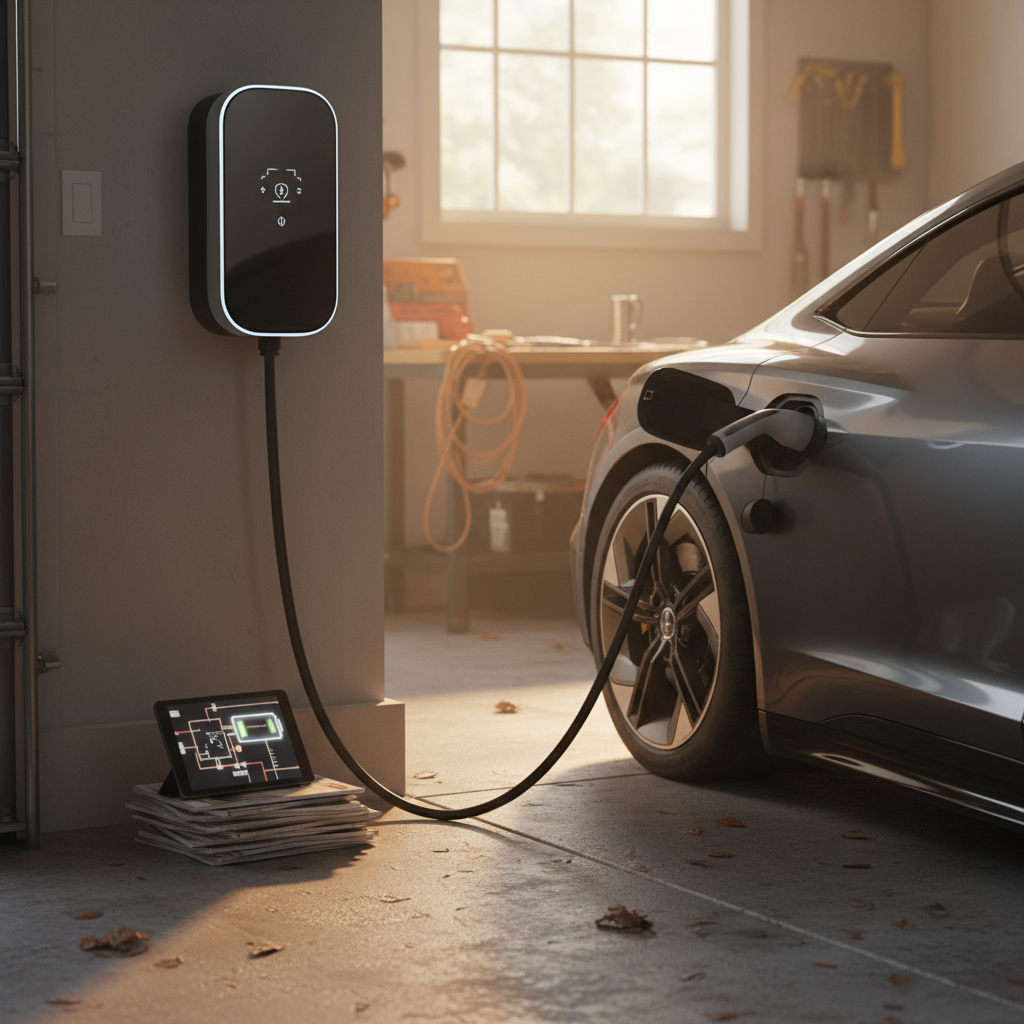
Step 4: Check charging speeds and your home setup
A great EV with a bad charging setup is just a very quiet headache. You’ll want to know how quickly the specific ID.4 you’re eyeing can charge, and whether your home is ready for it.
- Confirm the ID.4’s onboard AC charger rating (most support a solid Level 2 rate, pair that with a 32–40 amp home charger).
- If you own a home, budget for a 240V Level 2 outlet or wallbox. Charging overnight from 10–80% typically takes 8–11 hours depending on battery size and amperage.
- Apartment or condo? Make sure you have realistic access to workplace or public Level 2 charging, not just DC fast chargers.
- Ask the seller for their typical home charging routine: Do they charge to 80% daily? Frequently DC fast‑charge to 100%? That history affects long‑term battery health.
Healthy charging habits
Step 5: Evaluate battery health on a used ID.4
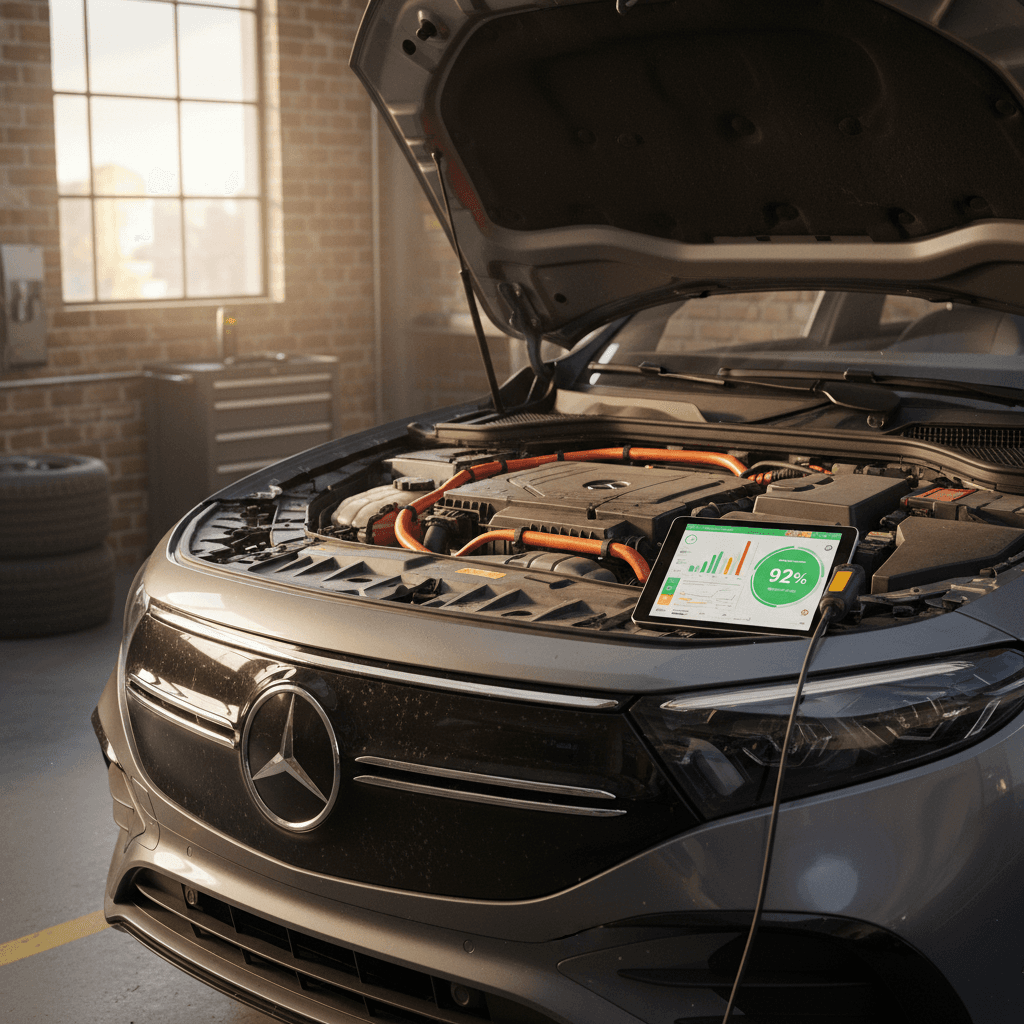
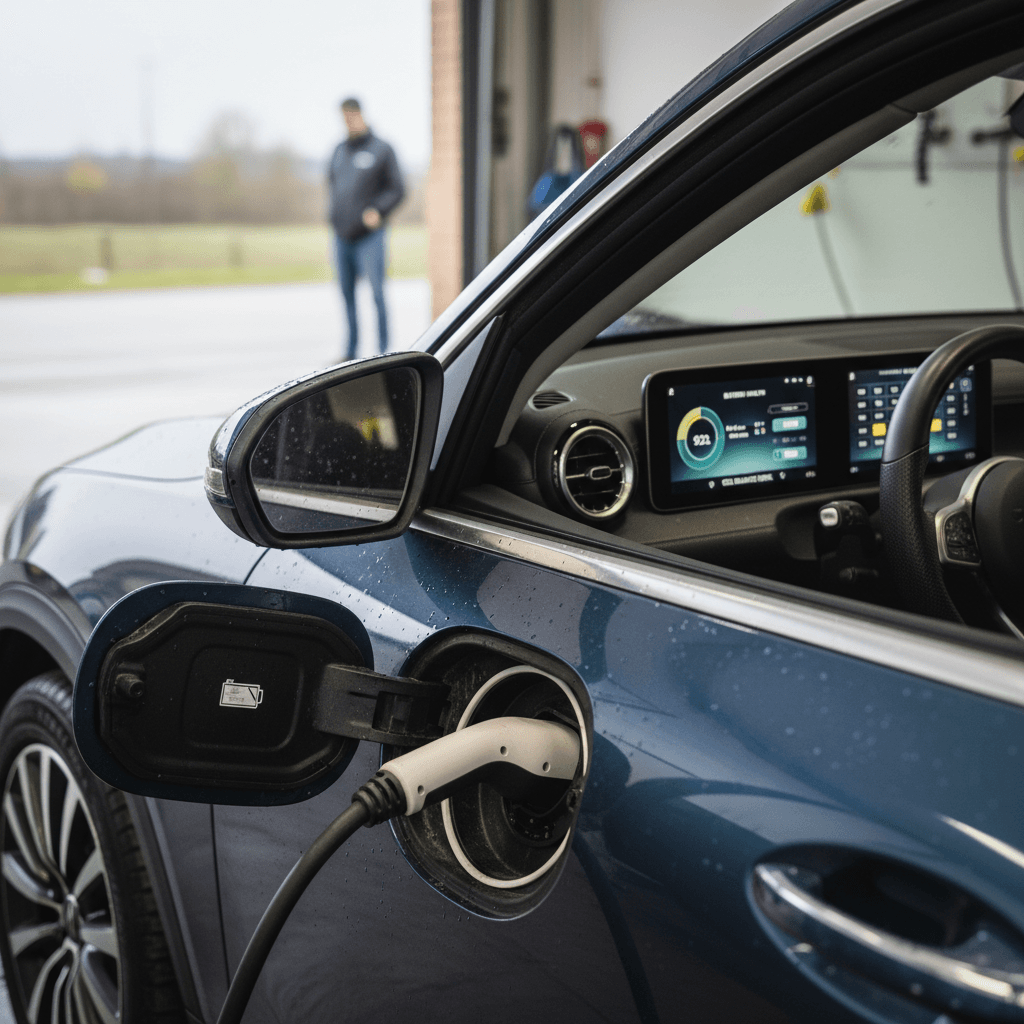
The high‑voltage battery is the engine and gas tank of your ID.4 rolled into one. You can’t see it, and you probably can’t replace it cheaply. With used EVs, knowing the battery’s condition is the difference between a solid deal and a science experiment.
Used VW ID.4 battery‑health checklist
Ask for real‑world range numbers
Have the seller describe their typical range at 80% and 100% charge in normal weather and driving. Compare that to the original EPA estimate, big gaps can signal degradation or driving conditions that differ from yours.
Review charging habits
Heavy DC fast‑charging, frequent 0–100% cycles, and years of parking at full charge in heat are red flags. A mostly home‑charged ID.4 that lives between ~20–80% is usually a better bet.
Scan for battery‑related alerts
On the test drive and key‑on, check for any battery, charging‑system, or electrical error messages. Walk away from cars with unresolved HV battery warnings unless they’re covered by a clear repair plan and factory warranty.
Get a third‑party or digital health report
Whenever possible, use an independent battery health test rather than just taking someone’s word for it. At Recharged, every used EV includes a <strong>Recharged Score Report</strong> with a verified battery health grade and charging history insights.
How Recharged helps here
Ready to find your next EV?
Browse VehiclesStep 6: Review warranty, recalls, and known issues
Volkswagen’s warranty and recent recall history matter more on an EV than on a typical gas crossover. You’re buying the whole ecosystem: battery, software, charging hardware, and the dealer network that supports it.
What to verify before signing
A few minutes of homework here can save months of frustration later.
Factory warranty status
- Ask for the in‑service date and mileage.
- Confirm remaining basic warranty (bumper‑to‑bumper) and high‑voltage battery warranty on the specific VIN.
- If the car’s been in for major electrical or battery work, read repair invoices carefully.
Recalls and service campaigns
- Look up open recalls by VIN on NHTSA’s site.
- Pay particular attention to high‑voltage battery and fire‑risk recalls, and confirm the fix was performed.
- Ask for documentation of any software updates, especially if previous owners reported charging or infotainment glitches.
Be cautious with unresolved HV battery recalls
- Ask the seller directly about software issues such as frozen infotainment screens, buggy app connectivity, or random warning lights.
- Check service records for repeated visits for the same electrical or charging complaints, patterns matter more than one‑off glitches.
- Confirm any 12‑volt battery replacements; a weak 12‑volt can strand an otherwise healthy EV.
Step 7: Do a thorough test drive and in‑car checks
The ID.4 is at its best when it just disappears into your life, quiet, smooth, and easy. A smart test drive is your chance to make sure this particular car behaves that way and not like a beta‑test prototype.
VW ID.4 test‑drive checklist
1. Start with a cold start
See how the car wakes up from a cold boot. Any warning lights? Does the screen lag or crash? Pair your phone and test CarPlay/Android Auto.
2. Check one‑pedal feel and regen
Try different drive modes and regenerative braking levels. Make sure the transitions between acceleration and braking feel smooth, with no clunks or jerks from the drivetrain.
3. Highway and rough‑road behavior
Get it up to highway speed. Listen for wind noise, rattles, and suspension thumps. The ID.4 should feel planted and quiet, not nervous or noisy.
4. Driver‑assist systems
Test adaptive cruise, lane‑keep, and Travel Assist if equipped. You should feel confident, not babysitting a system that wanders or beeps constantly.
5. Charging demo, if possible
If the seller agrees, do a short Level 2 or DC fast‑charge session. Confirm it starts cleanly, holds expected speed, and doesn’t throw errors or stop unexpectedly.
6. Cargo, car seats, and daily stuff
Fold the seats, test cargo floor configurations, and install a child seat if that’s part of your life. Make sure the ID.4 fits your gear without contortions.
Step 8: Run the numbers, price, TCO, and financing
Once you’ve found an ID.4 that fits your life, it’s time to decide if the numbers love you back. For EVs, the sticker price is only the start, you’ll want to look at total cost of ownership, from electricity to maintenance and resale.
Cost boxes to tick
- Out‑the‑door price: Compare across similar year, trim, mileage, and battery health. Certified or marketplace listings like those on Recharged can give you a reality check.
- Financing terms: Shop APRs and loan lengths; a slightly higher price with better financing can still be the smarter deal.
- Electricity vs fuel: Estimate your monthly charging cost using your local kWh rate and typical mileage, then stack that against what you spend on gas today.
Where Recharged fits in
Recharged is built specifically for used EV buyers:
- Transparent pricing and condition reports, including the Recharged Score battery assessment on every vehicle.
- Financing options tailored for EVs, with a fully digital process.
- Nationwide delivery and an Experience Center in Richmond, VA if you want to see a car in person.
If you’re trading in a gas car or another EV, Recharged can also provide an instant offer or consignment to smooth the switch.
VW ID.4 buying checklist: printable-style summary
Quick VW ID.4 buying checklist
Use & range
Know your daily miles, your real road‑trip needs, and whether a ~200‑mile small pack or ~250–290‑mile big pack fits better.
Battery & drivetrain
Confirm battery size, RWD vs AWD, and that the pack’s real‑world range and charging behavior line up with your expectations.
Home charging plan
Have a plan for a 240V Level 2 charger at home or reliable workplace/public Level 2 if you can’t install one.
Battery health proof
For used ID.4s, look for a data‑driven battery assessment (like a Recharged Score), plus honest answers about charging habits.
Warranty & recalls
Check remaining factory warranty, open recalls (especially battery‑related), and repair history for repeated electrical issues.
Test‑drive sign‑off
Only buy if the car drives quietly and smoothly, the tech behaves, and you can picture your real life fitting inside it without compromise.