If you drive an electric vehicle in North Carolina, you still have to deal with annual inspections, but the rules aren’t the same as they are for gas cars. Understanding North Carolina electric car inspection requirements can save you time at the DMV, help you avoid registration surprises, and make you a smarter shopper if you’re considering a used EV.
Quick answer
Overview: How North Carolina Inspections Work for EVs
North Carolina’s inspection system was built around gasoline cars, but today it covers everything from lifted pickup trucks to brand‑new EVs. The core structure is simple: every registered passenger vehicle under 30 years old needs a yearly safety inspection, and some also need an emissions inspection depending on where they’re registered and how they’re powered.
- Safety inspection: Required every year in all 100 counties. Techs check basics like brakes, lights, steering, tires, windshield, horn, and required equipment.
- Emissions inspection: Required only in 19 designated counties and only for vehicles that can burn gasoline and meet certain age/mileage rules.
- Registration linked to inspection: You generally can’t renew your North Carolina registration until your vehicle has a passing inspection recorded in the DMV system.
Don’t wait until the last day
Do Electric Cars Need Inspections in North Carolina?
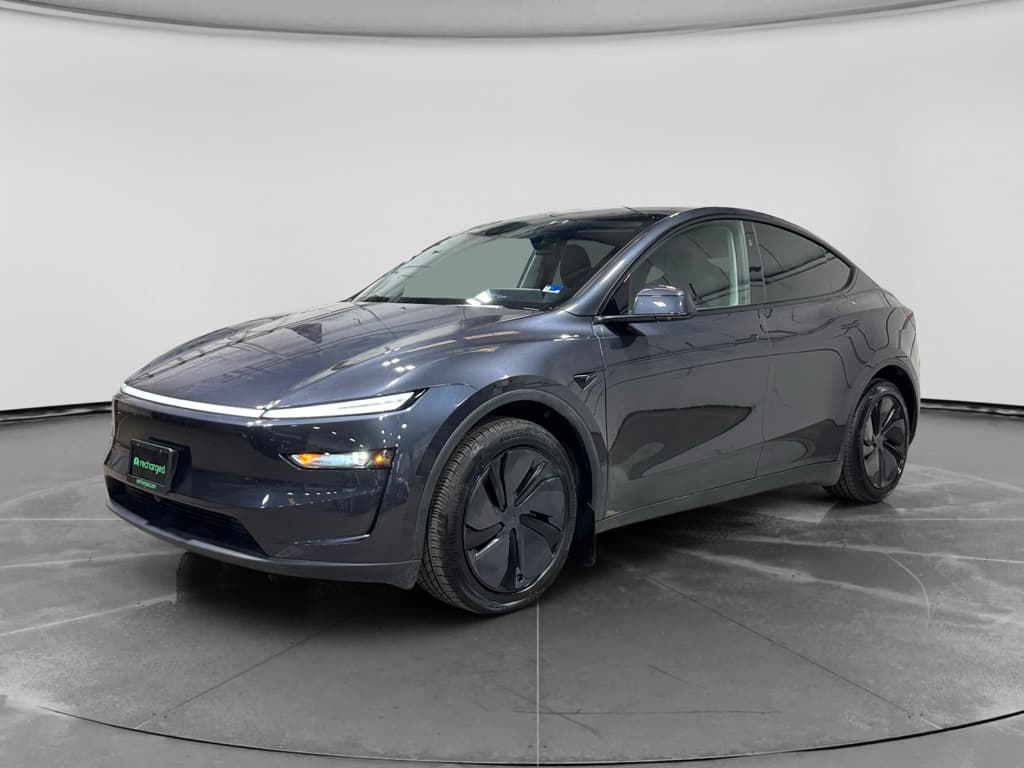
Yes, electric cars in North Carolina do need a yearly inspection, but it’s safety‑only, not emissions. That applies to full battery electric vehicles (BEVs) like the Tesla Model 3, Chevy Bolt, Hyundai IONIQ 5, Ford Mustang Mach‑E, and similar models.
Inspection requirements for battery electric vehicles in NC
Same safety rules as gas cars, different emissions rules
Safety inspection: YES
Emissions inspection: NO
Registration tie‑in
Good news for EV drivers
EV vs. Plug‑In Hybrid: Different Inspection Rules
The most common point of confusion is the difference between pure EVs and plug‑in hybrids (PHEVs). In North Carolina law, what matters is whether the vehicle can run on gasoline.
Battery electric vehicles (BEVs)
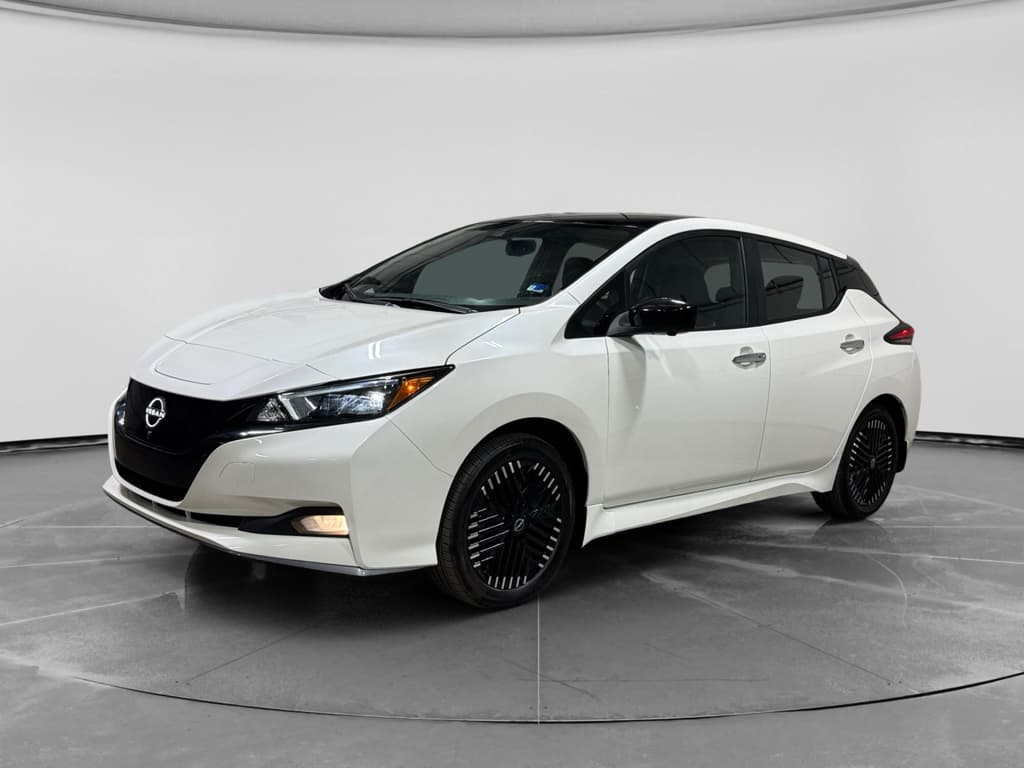
- Examples: Tesla Model Y, Nissan LEAF, Rivian R1T, Mercedes‑Benz EQE.
- Fuel: Electricity only.
- Inspection: Safety‑only every year, no emissions test in any county.
- Fees: Standard safety fee plus the separate state EV registration surcharge.
Plug‑in hybrids (PHEVs)
- Examples: Prius Prime, RAV4 Prime, Ford Escape PHEV, Jeep Wrangler 4xe.
- Fuel: Can run on gasoline, even though they plug in.
- Inspection: Safety inspection statewide, plus an emissions inspection if registered in one of the 19 emissions counties and not otherwise exempt (age/mileage, antique, etc.).
- Important: PHEVs are treated like other gas cars for emissions rules.
Don’t assume “plug‑in” means emissions‑exempt
Which NC Counties Require Emissions Tests, and What That Means for EVs
As of early 2026, only 19 of North Carolina’s 100 counties require an emissions inspection. If your car is registered in one of these counties and can run on gasoline, it normally needs an annual OBD emissions test alongside the safety check (unless it qualifies for an age or mileage exemption).
North Carolina emissions inspection counties (2026)
If your plug‑in hybrid is registered in one of these counties, expect both safety and emissions inspections, unless you qualify for an exemption. Fully electric vehicles get safety‑only inspections statewide.
| Region | Counties Requiring Emissions Inspections |
|---|---|
| Piedmont & Foothills | Alamance, Cabarrus, Davidson, Forsyth, Franklin, Gaston, Guilford, Iredell, Lincoln, Randolph, Rowan |
| Coastal & Sandhills | Cumberland, New Hanover |
| Triangle | Durham, Johnston, Wake |
| Mountains & Charlotte Metro | Buncombe, Mecklenburg, Union |
Counties listed alphabetically.
Changes on the horizon
For electric vehicles, the map is easy: no emissions testing anywhere, regardless of county. But if you’re cross‑shopping an EV with a plug‑in hybrid, where you register the car can change what your yearly inspection looks like.
Inspection Costs, Timing, and Paperwork for EV Owners
Typical inspection details for NC EV drivers
North Carolina sets maximum fees for safety and combined safety/emissions inspections. For battery EVs, you’ll pay the safety‑only rate, which is lower than the combined test charged for gas or plug‑in hybrid vehicles in emissions counties.
What to bring to your EV inspection
Current registration card
Inspectors use your plate and VIN to pull records and upload a pass or fail directly into the NCDMV system.
Proof of insurance
North Carolina requires active liability insurance to maintain registration. Have your insurance card or digital proof handy.
Form of payment
Most stations take cards and cash. Expect to pay the standard safety inspection fee for EVs.
Any recent repair receipts
If you’re returning after a failed safety check, bring receipts to document that repairs were completed.
Scheduling tip
Step‑by‑Step: NC Inspection Process for EV Drivers
If you’ve only ever owned gas cars, taking an EV through a North Carolina inspection lane will feel familiar, but a little quicker. Here’s how the process usually goes.
Step‑by‑step NC safety inspection for electric cars
1. Find a licensed inspection station
Look for shops displaying the official NC inspection sign, or use the station locator on the NCDMV website. Any licensed station can inspect an EV.
2. Check in and hand over documents
Provide your registration and insurance. Tell the technician your vehicle is a battery electric so they know it’s safety‑only.
3. Exterior and lighting check
The tech checks headlights (including high beams), turn signals, brake lights, hazard lights, license plate light, mirrors, horn, and windshield wipers.
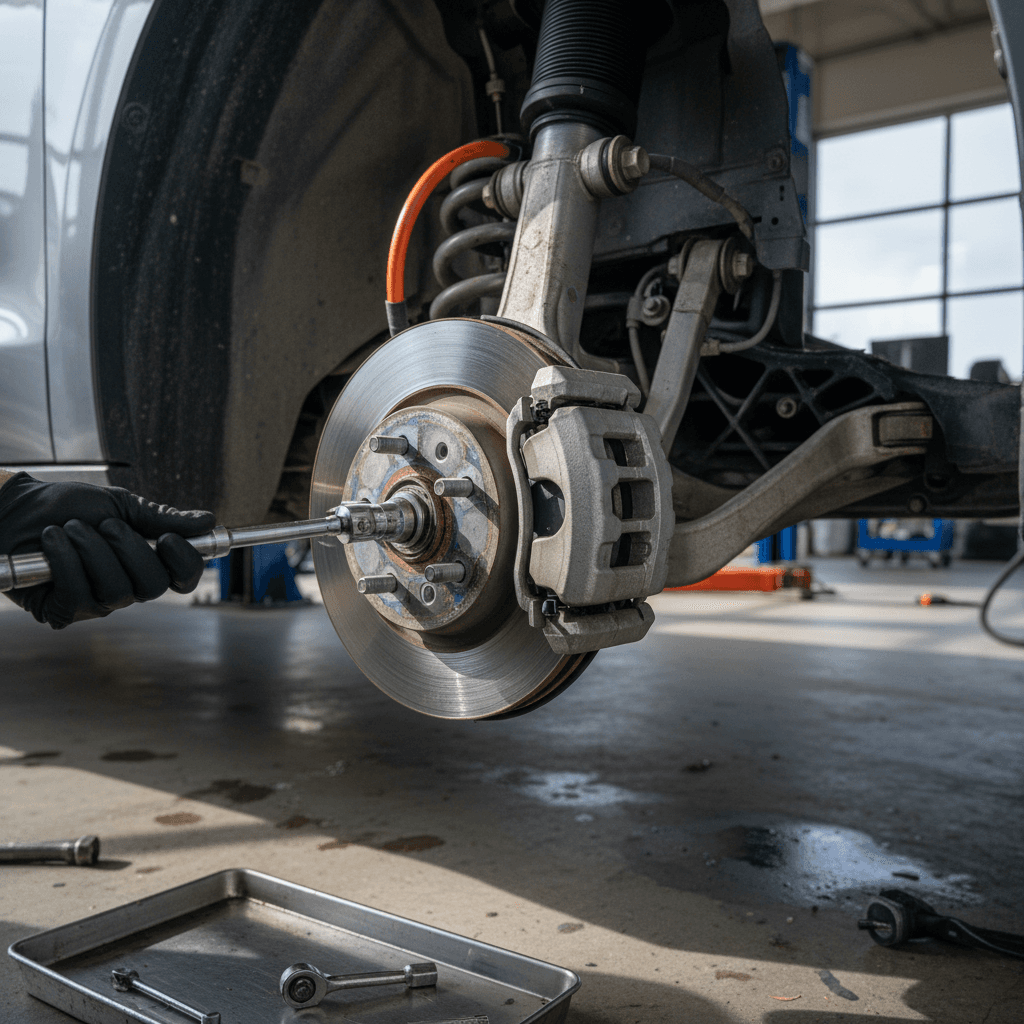
4. Brake and steering evaluation
They’ll test the service brake and parking brake, steering response, and look for obvious suspension or frame issues, critical on heavier EVs.
5. Tire and wheel inspection
Expect them to check tread depth, sidewall damage, and overall tire condition. EV torque can chew through tires quickly, so this is common fail territory.
6. Documentation and pass/fail result
Once complete, the inspector logs the result in the NCDMV system and gives you a receipt. If you pass, you’re clear to renew registration. If you fail, you’ll get a list of items to fix.
If your EV fails the safety inspection
Special Cases: New Cars, Out‑of‑State, Window Tint & More
Most EV owners will just follow the standard annual safety inspection routine. But a few situations come up often enough that they’re worth calling out: new vehicles, out‑of‑state cars, inspection exemptions, and window tint.
- New vehicles: Brand‑new cars usually get their first safety inspection at or before the initial North Carolina registration. After that, they follow the normal annual schedule. Emissions exemptions for newer gas cars don’t change the fact that EVs are already emissions‑exempt.
- Moving in from another state: If you bring an EV into North Carolina, you’ll typically need a passing safety inspection before the DMV will issue NC plates, even if you recently passed an inspection elsewhere.
- Antique and specialty plates: Vehicles with antique plates have different rules and may be exempt from some or all inspections, but very few electric cars qualify yet based on age. If you own a converted or specialty EV, check with NCDMV before assuming an exemption.
- Window tint: As of late 2025, after‑factory tint is no longer part of the safety inspection checklist, but state tint laws still apply. You can still be ticketed for illegal tint during a traffic stop, even if your car passed inspection.
Tint and EVs
Buying a Used EV in North Carolina: Inspection Tips
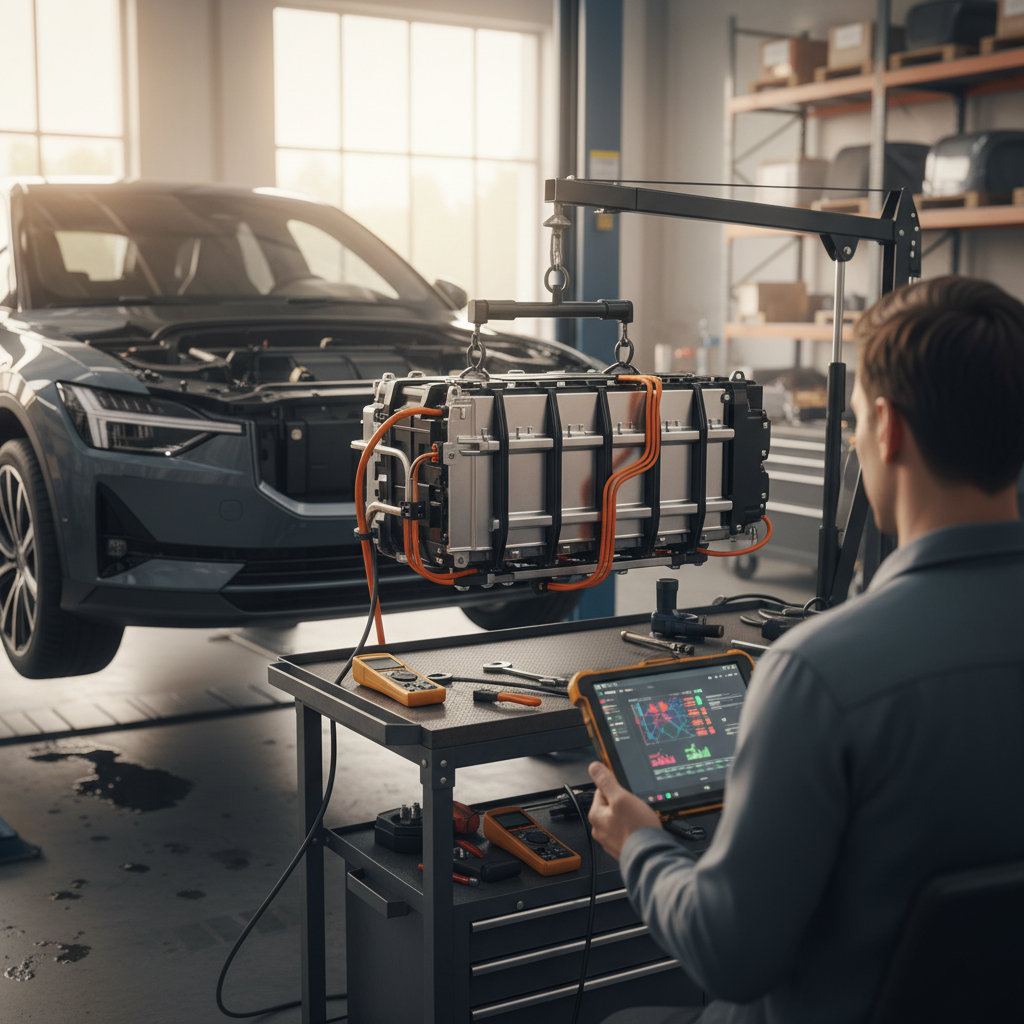
When you’re shopping used, “inspection” means more than the state safety checklist. North Carolina’s annual inspection will catch obvious issues, bad tires, broken lights, dangerous suspension problems, but it won’t tell you much about the health of the battery pack or the true condition of the high‑voltage system.
What a North Carolina inspection does, and doesn’t, tell you about a used EV
Use the state inspection as a baseline, then go deeper for long‑term peace of mind.
Covered by the NC safety inspection
- Lights, signals, and basic electrical accessories.
- Brake function and parking brake operation.
- Tires, wheels, and visible suspension components.
- Steering play and basic structural concerns.
- Windshield, wipers, mirrors, horn, and required safety equipment.
Not covered, but critical for used EVs
- Battery health and remaining capacity.
- DC fast‑charging performance or limitations.
- Hidden crash damage affecting the pack or high‑voltage wiring.
- Inverter, onboard charger, and thermal management issues.
- Software‑limited range or paid feature locks.
How Recharged fits in
Checklist for buying a used EV in North Carolina
1. Confirm inspection and registration status
Ask for the latest North Carolina inspection receipt and check that the registration is current. A recent fail can signal neglected maintenance.
2. Get battery health data
Use an independent battery test, an OEM app, or a marketplace like Recharged that provides verified battery diagnostics, not just a guess based on range display.
3. Test home and public charging
Verify that the car charges properly on Level 2 at home and, if possible, on DC fast charging. Intermittent charging problems often won’t show up during a state inspection.
4. Check tires and brakes closely
High instant torque and regenerative braking mean tires and brake components on EVs can wear in unusual patterns. Don’t rely on a quick glance, measure tread depth and look for uneven wear.
5. Review vehicle history and recalls
Pull a history report, check for open recalls (especially battery‑related), and confirm that previous repairs were done at qualified shops.
6. Consider a specialist pre‑purchase inspection
A shop or marketplace that truly understands EVs can spot issues that a general repair shop or basic state inspection might miss.
FAQ: North Carolina Electric Car Inspection Requirements
Frequently asked questions about NC EV inspections
Key Takeaways for NC EV Owners
Owning an electric car in North Carolina doesn’t free you from inspections, it just changes the mix. Every EV still needs a yearly safety inspection, but no electric car needs an emissions test, and plug‑in hybrids follow the same emissions rules as other gasoline vehicles in the 19 emissions counties.
If you’re already an EV owner, the smartest move is to treat the inspection as an annual health check and to schedule it 30–60 days before your registration expires. If you’re shopping for a used EV, remember that the state inspection is just the starting line. Battery health, charging performance, and hidden high‑voltage issues all live outside the official checklist.
That’s where Recharged comes in. Every used EV we sell includes a Recharged Score Report with verified battery diagnostics, transparent pricing, and support from EV specialists who understand both North Carolina’s inspection rules and the realities of day‑to‑day electric ownership. Whether you’re registering your first EV or trading into your next one, the right information, and the right partner, makes the whole process simpler, safer, and a lot more enjoyable.