If you’re considering a Volvo XC40 Recharge or already own one, you’ve probably heard mixed things: safe, quick, and comfortable, but also some complaints about charging quirks, software bugs, and the occasional recall. This guide walks through the most common Volvo XC40 Recharge problems and fixes, with a special focus on what matters most if you’re buying used or planning to keep yours for the long haul.
Model years this guide covers
Volvo XC40 Recharge reliability at a glance
Owner feedback on the XC40 Recharge is nuanced. Many drivers report a solid, confidence-inspiring EV with few mechanical failures, but there’s a consistent pattern of software, electrical, and charging-related annoyances. When problems do appear, they tend to be frustrating rather than catastrophic, but they can still cost time and money if you’re out of warranty.
XC40 Recharge reliability snapshot
Where Recharged fits in
High-voltage battery health, range, and degradation
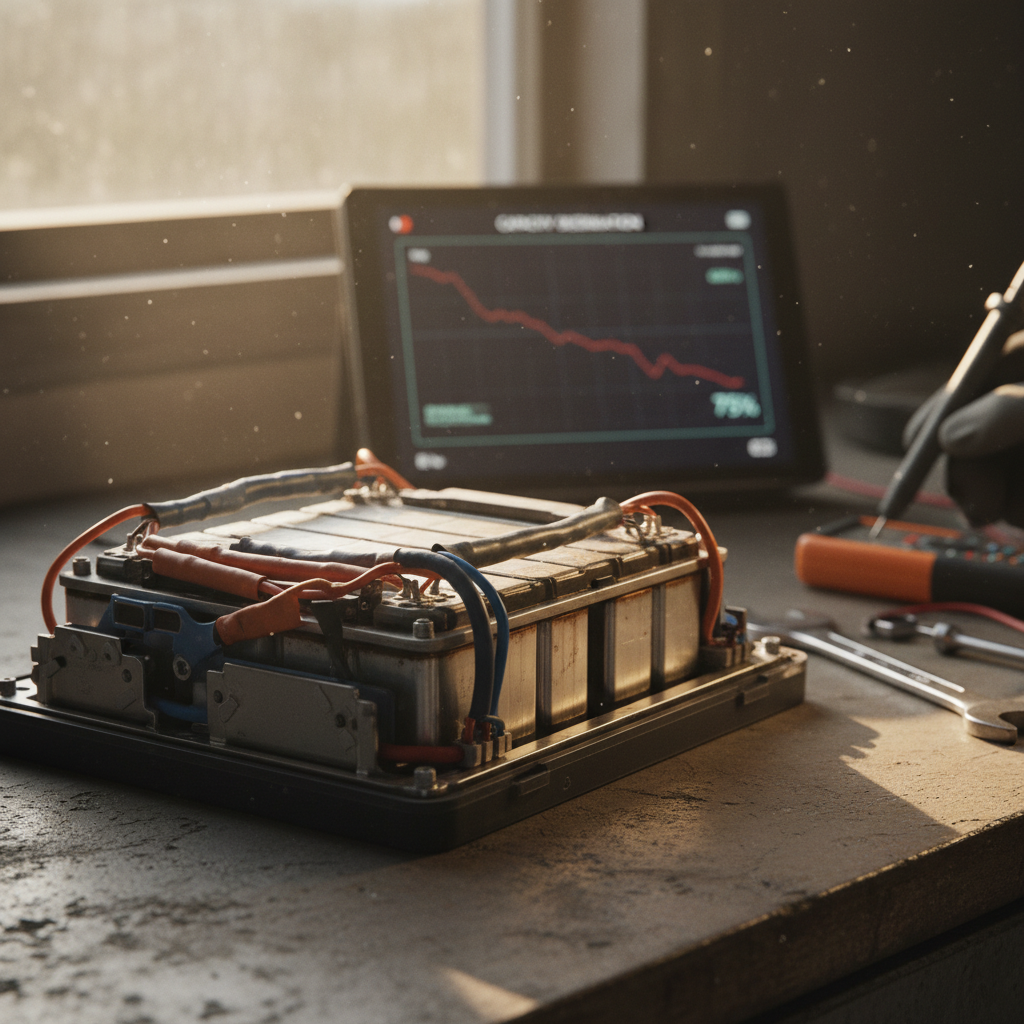
The XC40 Recharge uses a large lithium-ion pack that, when treated well, should last the life of the vehicle. Most owners see modest degradation over the first 3–5 years, with range reductions often in the single- to low-double-digit percentages. The bigger issues tend to be perceived range loss driven by software estimates, temperature, and driving habits.
- Range drops in cold weather, especially on short trips with heavy cabin heating.
- Battery percentage and remaining range estimates can feel jumpy after software updates or frequent DC fast charging.
- Some owners report the car reaching 0% sooner than expected if they routinely run the pack very low.
Cold-weather reality check
Best practices to prevent XC40 Recharge battery problems
Battery health habits that actually help
Keep daily charge between ~20–80%
Volvo recommends avoiding long periods at 100% or near 0%. Use the car’s charge limit for daily driving and only charge to 100% right before longer trips.
Favor AC over constant DC fast charging
Level 2 AC charging at home or work is easier on the pack. Use DC fast chargers when you need them, not as your default daily routine.
Avoid storing the car full or empty
If you’ll park for weeks, aim for 40–60% state of charge and, if possible, leave the car plugged in so it can maintain itself.
Precondition in extreme temperatures
Use preconditioning (while plugged in) to bring the battery and cabin up to temperature before you drive, especially in winter.
How Recharged evaluates battery health
Ready to find your next EV?
Browse VehiclesCommon XC40 Recharge charging problems and fixes
Charging is where many XC40 Recharge complaints cluster. The hardware itself is generally solid, but compatibility quirks, temperature limits, and the realities of third-party charging networks can create headaches. Let’s break down the most common patterns and what you can actually do about them.
Typical XC40 Recharge charging complaints
What owners experience, and what usually fixes it
Slow DC fast charging
Some owners see very low kW rates on public fast chargers, especially in cold weather or at high state of charge.
- Battery may be cold or already above ~60–70%.
- Charger itself may be derated or faulty.
- Software can limit speed to protect the pack.
Won’t start AC charging
Car shows a yellow or red ring at the charge port and refuses to charge on Level 2 or 240V outlets.
- Loose connector or worn-out cable.
- Ground-fault or wiring issue at the outlet.
- Onboard charger or software fault.
Erratic start/stop behavior
Charging session repeatedly starts and stops, or drops to very low amps after a while.
- Communication glitches between EVSE and car.
- Overly sensitive home charger settings.
- Onboard charger components starting to fail.
Step-by-step: Diagnosing slow or failed charging
Troubleshooting slow or failed XC40 Recharge charging
1. Check basics at the plug
Confirm the connector is fully seated and locked, and that the cable isn’t excessively hot. Try cleaning any visible dirt or debris around the port with a dry cloth (never use liquids).
2. Test a different charger
If a DC fast charge is crawling or fails, immediately try a different stall, or a different charging brand entirely. A surprising number of “car problems” turn out to be weak or broken chargers.
3. Compare AC vs DC behavior
If Level 2 charging at home is fine but multiple DC fast chargers are slow, you may be seeing normal behavior due to temperature or high state of charge. If <em>both</em> AC and DC are failing, suspect the car, not the station.
4. Check scheduled charging & limits
Make sure you haven’t accidentally enabled delayed or scheduled charging. Also confirm the max current setting (for home EVSE) isn’t set too low in either the charger’s app or the car.
5. Power-cycle and soft reset
Lock the car, walk away with the key, wait several minutes, and retry. For persistent issues, a dealer can perform software updates or deeper diagnostics.
When to call the dealer or roadside assistance

Software, infotainment, and app glitches
The XC40 Recharge was one of the early adopters of Google-based Android Automotive, which is powerful but has had its share of software bugs and odd behavior. Owners commonly mention laggy screens, failed over-the-air (OTA) updates, and the occasional system reboot while driving.
Common software complaints
- Infotainment freezing or rebooting mid-drive.
- Navigation or charging station data failing to load.
- Phone app not reflecting real-time state of charge.
- OTA updates failing, sometimes leaving the car temporarily inoperative until the dealer forces a reflash.
Simple owner-level fixes
- Perform a soft reset of the center display per Volvo’s instructions.
- Install OTA updates with plenty of time, at home, on a strong connection.
- Keep your phone’s Volvo app updated; log out and back in if data gets stuck.
- If an update fails and the car won’t ready up, call Volvo roadside or your dealer immediately, don’t keep trying to drive it.
Why keeping software current matters
Brakes, one-pedal drive, and recent safety recalls
Braking performance on the XC40 Recharge is usually a non-issue in daily driving, but there has been a software-related brake recall affecting certain Volvo EVs and PHEVs. Under a specific set of conditions, long downhill stretches in one-pedal or “B” mode, software could cause reduced or lost braking assist until hydraulic brakes take over.
- The issue is tied to brake control software, not worn pads or rotors.
- Most affected vehicles received an over-the-air fix; some still require dealer visits.
- Until the update is done, Volvo and regulators recommend turning off one-pedal drive in the affected vehicles and avoiding long downhill coasts in that mode.
If your brake recall isn’t done yet
Beyond recalls, some owners report slightly inconsistent feel as the car transitions between regenerative and friction braking. This is mostly a calibration quirk rather than a failure, but if you experience grinding, pulling, or warning lights, get it inspected right away.
12V battery and electrical gremlins
Like all modern EVs, the XC40 Recharge uses a conventional 12V battery to power computers, locks, and safety systems. When that battery goes weak, you can see a cascade of weird behavior: random warnings, infotainment reboots, or the car refusing to wake up properly, even if the main high-voltage pack is fine.
Typical 12V and electrical symptoms
When it’s probably not the big battery
Car won’t wake or start
The car may stay in a low-power mode, infotainment boots from scratch every time, or you see warnings about systems being temporarily unavailable.
Random error messages
Multiple, seemingly unrelated warnings appear, then disappear after a restart. Often this points to low 12V voltage or a software glitch rather than a failing drive unit.
What to do about 12V and electrical issues
Check 12V battery age
If the 12V battery is 3–5 years old and you’re seeing erratic electronics, proactive replacement is often cheaper than intermittent no-start events.
Document intermittent faults
Take photos of warning messages and note conditions (weather, SOC, charging, etc.). This helps the dealer reproduce and justify warranty repairs.
Verify grounding and wiring on aftermarket chargers
If issues began after installing a home EVSE, have a qualified electrician re-check wiring, breaker sizing, and grounding. Poor wiring can trigger vehicle-side errors.
Interior, HVAC, and everyday usability complaints
Most XC40 Recharge owners are happy with interior comfort, but a few recurring usability issues and minor defects come up in owner reports and forums.
- HVAC sometimes slow to respond or misreports cabin temperature, especially after software updates.
- Occasional rattles or squeaks from the rear hatch area on rough pavement.
- Door seals and glass can produce wind noise at highway speeds if not adjusted precisely.
- Seat and steering wheel heaters sometimes reset to default after updates or battery-saving events.
Simple livability fixes
Preventive care checklist for smoother XC40 Recharge ownership
EVs need less routine maintenance than gas cars, but they’re not maintenance-free. A few disciplined habits can reduce your odds of running into the most annoying XC40 Recharge problems.
XC40 Recharge preventive care essentials
Keep software and recalls current
Regularly check for over-the-air updates and recall notices. Schedule dealer visits promptly for anything related to brakes, charging, or safety-critical systems.
Inspect tires and alignment
Instant EV torque is hard on tires. Uneven wear or vibration can hurt efficiency and ride comfort, rotate and align on schedule.
Protect the charge port
Use the port door gently, avoid forcing frozen doors in winter, and keep the area free of dirt and ice to prevent connection issues.
Monitor charge behavior over time
If you notice DC fast charging getting slower at the same stations and conditions, or frequent AC failures, log details early and raise them with your dealer.
Plan for 12V replacement
Treat the 12V battery as a consumable. Replacing it on your schedule is cheaper and less stressful than a random no-start event in a parking lot.
Buying a used Volvo XC40 Recharge: what to inspect
The XC40 Recharge can be an excellent used EV, especially if you prioritize safety, all-wheel drive, and a premium-feeling cabin. But because many issues are software- or charging-related rather than obvious mechanical failures, a quick test drive doesn’t always tell the whole story. Here’s how to go deeper.
Used XC40 Recharge problem checklist
Key areas to inspect before you buy
| Area | What to Check | Red Flags | Questions to Ask |
|---|---|---|---|
| Battery & range | Realistic range at ~70–80% charge on your typical route. | Range far below peers; large mismatch vs. model’s typical reviews. | Has the car had any high-voltage battery repairs or replacements? |
| Charging behavior | Test Level 2 and, if possible, DC fast charging. | Refusal to charge, very low DC rates, repeated start/stop cycles. | Have there been repeated charger compatibility issues or repairs? |
| Software & infotainment | Smooth boot-up, fluid navigation, no persistent error messages. | Frequent reboots, failed OTA updates, non-functional apps. | Are all software updates and recalls current? |
| Brakes & one-pedal | Consistent pedal feel, predictable deceleration in one-pedal mode. | Grinding, pulling, warnings, or inconsistent stopping. | Has the brake software recall (if applicable) been completed? |
| 12V & electrical | No random warning lights, normal wake-up behavior. | Car often dead, in limp mode, or full of random errors. | When was the 12V battery last replaced? |
| History & usage | Service records, charging habits, climate. | Heavy DC fast charging, extreme climates, spotty maintenance. | How was the car primarily charged, home Level 2 or rapid DC road trips? |
Use this as a pre-purchase cheat sheet or to compare multiple used XC40 Recharges.
Buying used through Recharged
Volvo XC40 Recharge common problems: FAQ
Frequently asked questions about XC40 Recharge problems
Bottom line: Is the XC40 Recharge a good long-term EV?
If you want a compact EV that feels substantial, safe, and well-finished, the Volvo XC40 Recharge remains a compelling choice. Its most common issues aren’t blown motors or failing packs but rather software quirks, charging friction, and the occasional recall, annoying, but largely manageable with informed ownership. Go in with realistic expectations about range and charging, keep software and recalls current, and pay attention to 12V and brake updates, and the XC40 Recharge can be a satisfying long-term EV.
If you’re shopping used, pairing this problem-and-fix checklist with a data-backed Recharged Score Report, expert EV guidance, and flexible financing can help you separate a well-cared-for XC40 Recharge from one that’s likely to spend too much time back at the dealer.