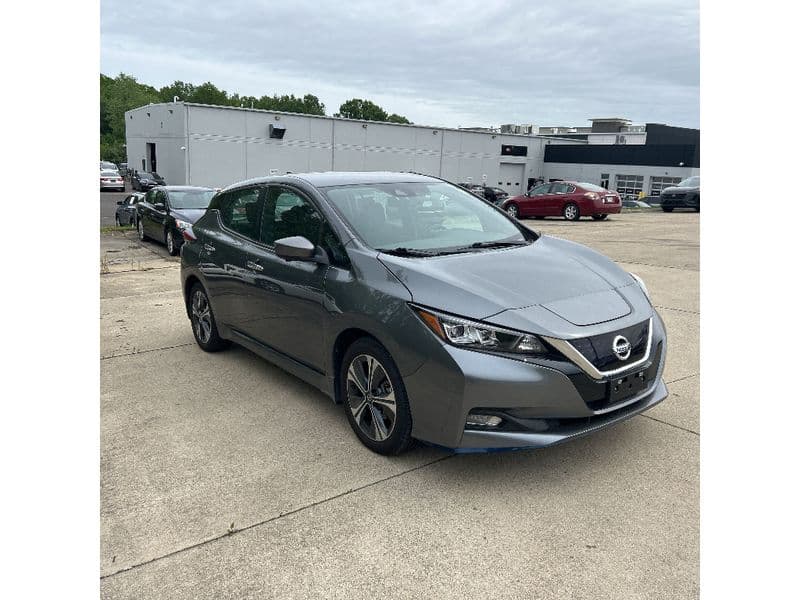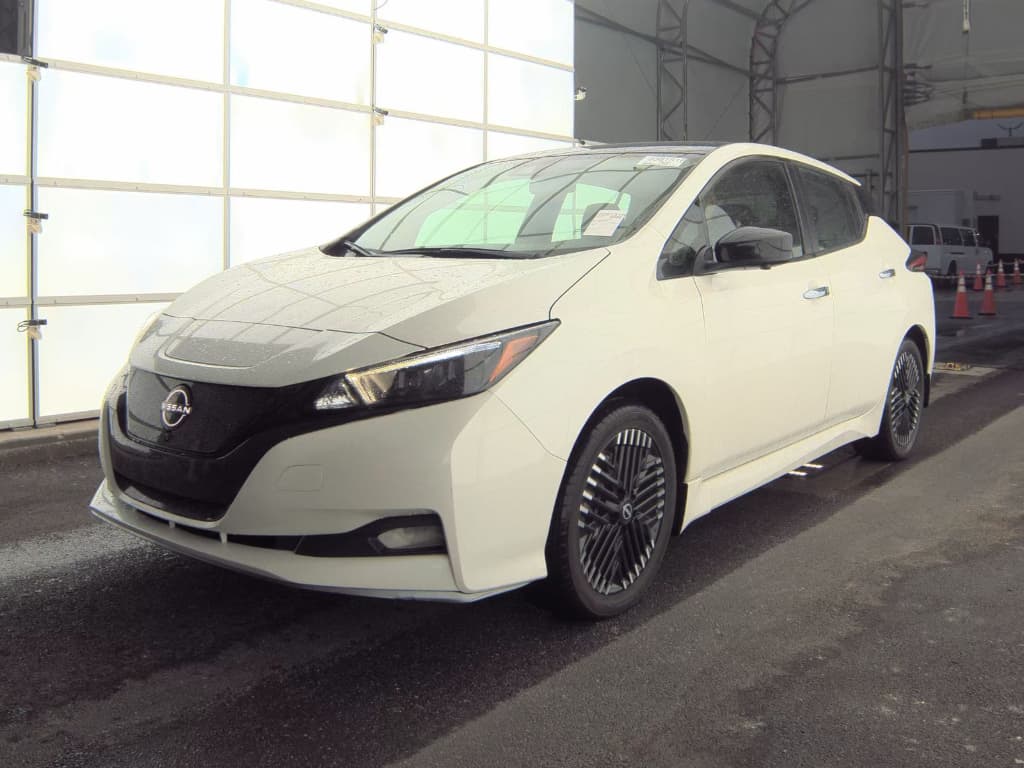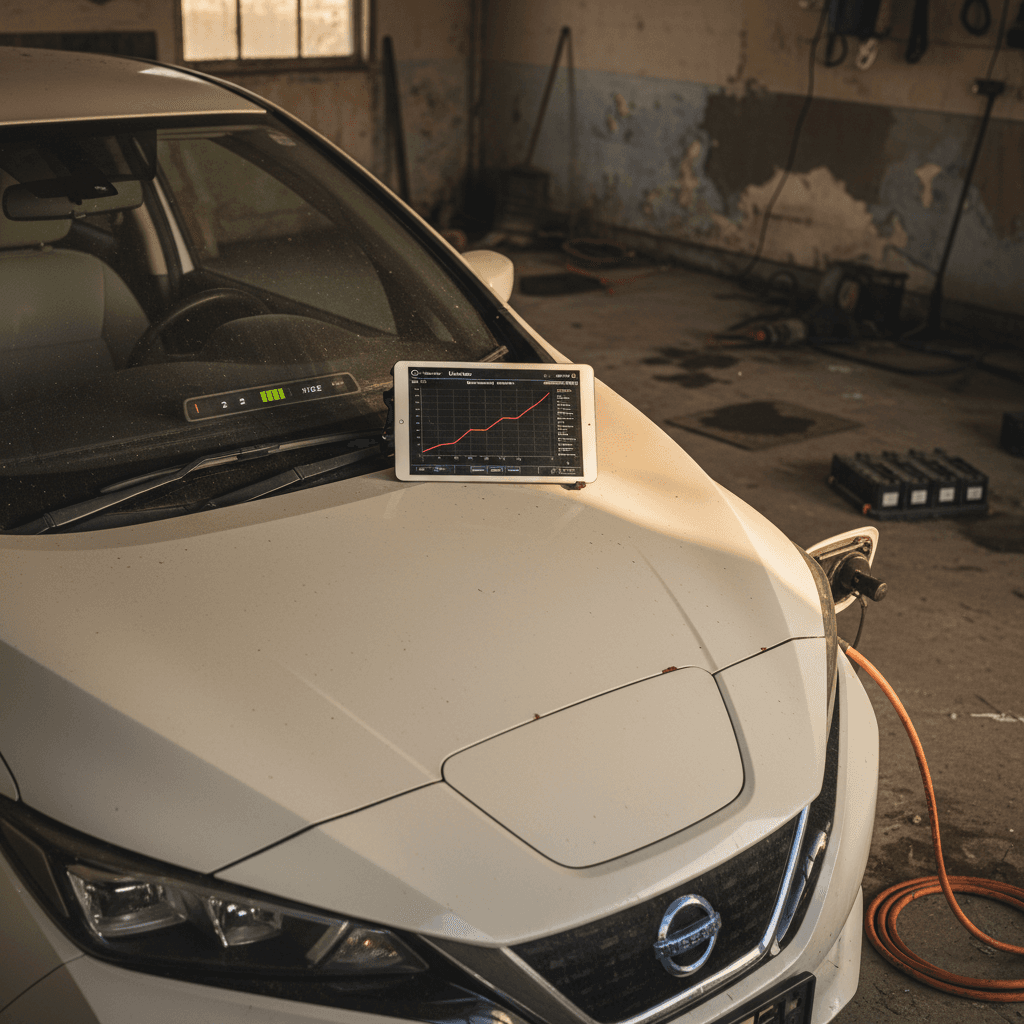
If you’re looking at a Nissan Leaf in 2026, especially a used one, you’ve probably heard two phrases more than once: battery degradation and CHAdeMO. The Leaf is one of the most affordable and proven EVs on the road, but it also has some well‑known weaknesses that can make or break your ownership experience. This guide walks through the most common Nissan Leaf problems in 2026 and how to shop, drive, and charge around them.
Quick take
Nissan Leaf reliability in 2026: the big picture
Nissan Leaf reliability snapshot for 2026
For most owners, the Nissan Leaf’s motors, gear reduction drive, and basic hardware are extremely robust. There’s no traditional transmission to fail, no timing belt to replace, and relatively few moving parts. Where things get complicated is in the high‑voltage battery and the Leaf’s aging CHAdeMO fast‑charging interface, both of which affect range and real‑world usability much more than they did when the car was new.
Model‑year matters
Battery degradation: still the number-one Nissan Leaf problem
Every EV battery loses capacity over time. With the Nissan Leaf, this is the headline issue, and it shows up differently depending on the generation and how the car has been used.
How Nissan Leaf battery problems differ by generation
Use this as a quick decoder before you shop
2011–2016 (24 kWh, early 30 kWh)
Most at‑risk packs. These early Leafs used a chemistry and passive air cooling that struggled in hot climates.
- High degradation in Phoenix, Texas, Southeast
- Some cars down to 50–60 miles of range
- Multiple class‑action cases led to updated warranties
2017–2019 (30 & 40 kWh)
Better, but still vulnerable. The chemistry improved, but there’s still no active liquid cooling.
- Moderate degradation in mild climates
- 40 kWh packs can lose bars early if abused
- Owners report weak cells and rapid drain in cold weather
2019–2026 (40 & 62 kWh e+)
Best so far. Larger packs age more gently if treated well.
- Many cars show only modest loss after 4–5 years
- Still sensitive to heat and heavy fast‑charging
- Capacity warranty still 8 years/100,000 miles
- Heat is the Leaf’s worst enemy. Because the Leaf uses air‑cooled battery packs, long periods over about 90°F, frequent DC fast‑charging, and parking in full sun can all accelerate capacity loss.
- Early cars can be “range‑shrunk.” It’s common to see 2011–2014 cars that started with 73–84 miles of EPA range now struggling to deliver 45–60 real‑world miles.
- Some 2018+ 40 kWh packs show weak cells. Owners report rapid state‑of‑charge drops on the highway or in cold weather, sometimes triggering limp‑home (“turtle”) mode well before the gauge shows empty.
- Newer 62 kWh Leafs age better, but not magically. A 62 kWh Leaf that’s been fast‑charged daily and parked hot can still lose noticeable range by year six.
How to quickly gauge Leaf battery health
Fast‑charging limits, CHAdeMO, and “Rapidgate”
Nissan stuck with the CHAdeMO fast‑charging connector on the Leaf all the way through the 2026 model year, even as almost every other automaker in North America moved to CCS and now NACS. That decision creates two separate issues in 2026: limited charging network growth and heat‑related fast‑charge throttling, also known as “Rapidgate.”
CHAdeMO vs modern fast‑charging standards in 2026
Why fast‑charging a Leaf often feels slower and harder than fast‑charging a newer EV.
| Feature | Nissan Leaf (CHAdeMO) | Most New EVs (CCS/NACS) |
|---|---|---|
| Max advertised DC power | 50–100 kW (model dependent) | 120–350 kW |
| Real‑world session speed | Often 30–45 kW once warm | Typically 70–150 kW |
| Connector availability | Shrinking, few new installs | Expanding rapidly |
| Road‑trip suitability | Challenging outside metro areas | Generally good on major corridors |
Fast‑charging standards comparison for US EV drivers in 2026.
Starting with 2018 models, owners noticed that after one or two fast‑charge sessions, the Leaf would heavily throttle charging power to protect a warming battery. On long trips in warm weather, that can turn what should be 40‑minute stops into hour‑plus waits. Larger 62 kWh packs improved range and reduced how often you need DC, but the fundamental cooling and CHAdeMO limits remain.
New for 2026: small battery‑fire recall
How “Rapidgate” feels on the road
- First fast‑charge: decent speeds, especially on a cool battery.
- Second or third stop: charging power steps down, your app might show 20–30 kW instead of 40–50 kW.
- Battery temp gauge climbs: more bars lit means more heat and more throttling.
- Trip planning becomes stressful: you’re waiting longer, and you can’t count on the next stop being faster.
What shrinking CHAdeMO support means
- Fewer new CHAdeMO plugs are being installed as networks focus on CCS and NACS.
- Urban and suburban areas still have workable coverage; rural corridors can be thin.
- Some sites now restrict CHAdeMO use or cap session time to prioritize newer standards.
- For many Leaf owners, the car is best as a commuter or regional EV, not a cross‑country road‑trip machine.
Slow or inconsistent charging: home and public
Beyond outright battery degradation, one of the most common 2026 complaints from Leaf owners is that “my Leaf charges too slowly” or “it used to be faster.” Some of this is just physics and expectations; some of it points to real issues you should understand.
Why your Nissan Leaf might be charging slowly
Seven common culprits, only a couple are truly serious
Home circuit limits
If you’re plugged into a 120V household outlet (Level 1), the Leaf can add only a few miles of range per hour.
Even on Level 2, an undersized breaker or wiring can limit current.
6.6 kW onboard charger
All modern Leafs are capped at about 6.6 kW on AC. That’s it, no 11 kW or 19 kW option.
On public Level 2, that can feel slow compared to newer EVs.
Cold‑soaked battery
In winter, the battery’s internal resistance rises. Both DC and AC charging slow down, sometimes dramatically, until the pack warms up.
Hot battery protection
After highway driving or repeated DC sessions, the Leaf will slow charging to stay within thermal limits.
This is good for long‑term health, but annoying when you’re on a road trip.
Weak cells / pack imbalance
On some 40 kWh packs, one or two weak cells can cause the car to taper charge early.
If you see big drops in state of charge under acceleration, get the pack checked.
Station side issues
Public Level 2 posts and older CHAdeMO units are often derated or shared between stalls.
It’s not always your Leaf, sometimes the station is the bottleneck.
How Recharged separates normal from “not okay”
Recent Nissan Leaf recalls and software updates
The Leaf hasn’t been plagued by mechanical recalls the way some newer, more complex EVs have, but there are a few software and safety campaigns 2026 shoppers should know about.
- Unintended acceleration recall (2023–2024 era models). Certain Leafs could continue accelerating if the driver changed drive modes or enabled e‑Pedal immediately after canceling cruise control or ProPilot Assist, then quickly tapped the accelerator. A software update changes how the car interprets that sequence.
- e‑Pedal default behavior change. After one of the safety updates, some owners noticed that e‑Pedal now turns itself off every time the car is restarted. That’s not a defect, it’s Nissan taking a cautious stance on driver‑assist defaults.
- High‑voltage battery recall (2026 small batch). As mentioned above, a limited number of 2026 Leafs are being inspected or having battery packs replaced due to a potential fire risk while parked.
- Regional service bulletins. Various technical service bulletins (TSBs) address things like HVAC performance, infotainment glitches, and onboard charger quirks. These are often handled quietly during regular service visits.
Always run the VIN
Other common Nissan Leaf issues owners report
Compared with engine‑powered cars, the Leaf has fewer ways to go spectacularly wrong. Still, 15 years of real‑world use have surfaced a handful of non‑battery issues you’ll see over and over in owner forums and service bays.
Non‑battery Nissan Leaf problems you should know about
Most are fixable, some are bargaining chips when you buy used
HVAC and heat pump quirks
Some Leafs develop weak cabin heat or inconsistent A/C performance, especially in early heat‑pump systems.
Diagnosis can range from simple refrigerant issues to more expensive component replacements.
Noisy HVAC fans or compressors
Whining or buzzing from the HVAC system at low speeds is a known annoyance.
Often it’s more about noise than failure, but it’s worth noting on a test drive.
Onboard charger / EVSE compatibility
Occasional complaints of the Leaf stopping charge mid‑session or refusing certain third‑party home chargers.
Firmware updates and using quality EVSEs usually solve this.
Over‑optimistic guess‑o‑meter
The range estimator can swing wildly based on recent driving style, elevation, and HVAC use.
Learn to read state of charge and average efficiency instead of trusting a single range number.
Suspension and tire wear
Heavy EV curb weight plus soft factory suspension can chew through front tires faster than many owners expect.
Uneven wear often traces back to alignment that’s never been checked.
Aging infotainment & connectivity
Older Leafs have small, slow head units and outdated apps. Map data, CarPlay/Android Auto availability, and telematics support all vary by year.
These aren’t safety issues, but they affect how “modern” the car feels in 2026.
Shopping a used Leaf? How to avoid the worst problems
In 2026, the Leaf might be the single most tempting entry point into EV ownership. Prices on older cars can look shockingly low, but that’s exactly where unsuspecting buyers get burned by weak batteries and shrinking fast‑charge support. Here’s how to separate a cheap Leaf from a good one.
Used Nissan Leaf buying checklist for 2026
1. Start with the right model years
If you live in a hot climate or want to do occasional road trips, prioritize 2018+ Leafs with 40 or 62 kWh packs. In mild climates and for short commutes, a healthy 2015–2017 car can still make sense at the right price.
2. Check capacity bars, then go deeper
Look for 11–12 battery health bars on the dash in newer cars and be wary of anything at 9 bars or less. Whenever possible, use a scan tool or a service like the Recharged Score to see true state of health in percentage terms.
3. Drive it like you own it
On the test drive, include a short highway segment and a hill if you can. Watch for sudden state‑of‑charge drops under load or the car limiting power earlier than expected, both are signs of weak cells.
4. Inspect charging behavior
Test Level 2 charging for at least 15–20 minutes on a known‑good station or home EVSE. If you can, also try a CHAdeMO fast‑charger to confirm the port works and the car charges at a reasonable rate for its state of charge and temperature.
5. Verify recalls and warranty status
Run the VIN through official recall tools and ask for service history. Confirm whether the battery capacity warranty is still in effect and whether the pack has already been replaced, a plus if the work was done by Nissan.
6. Factor CHAdeMO into your life
Open your preferred charging apps and map CHAdeMO stations near your home, work, and travel routes. If the map looks sparse, and you need fast‑charging often, you may want a different EV or a newer Leaf as a second car.
Where Recharged fits in
Ready to find your next EV?
Browse Vehicles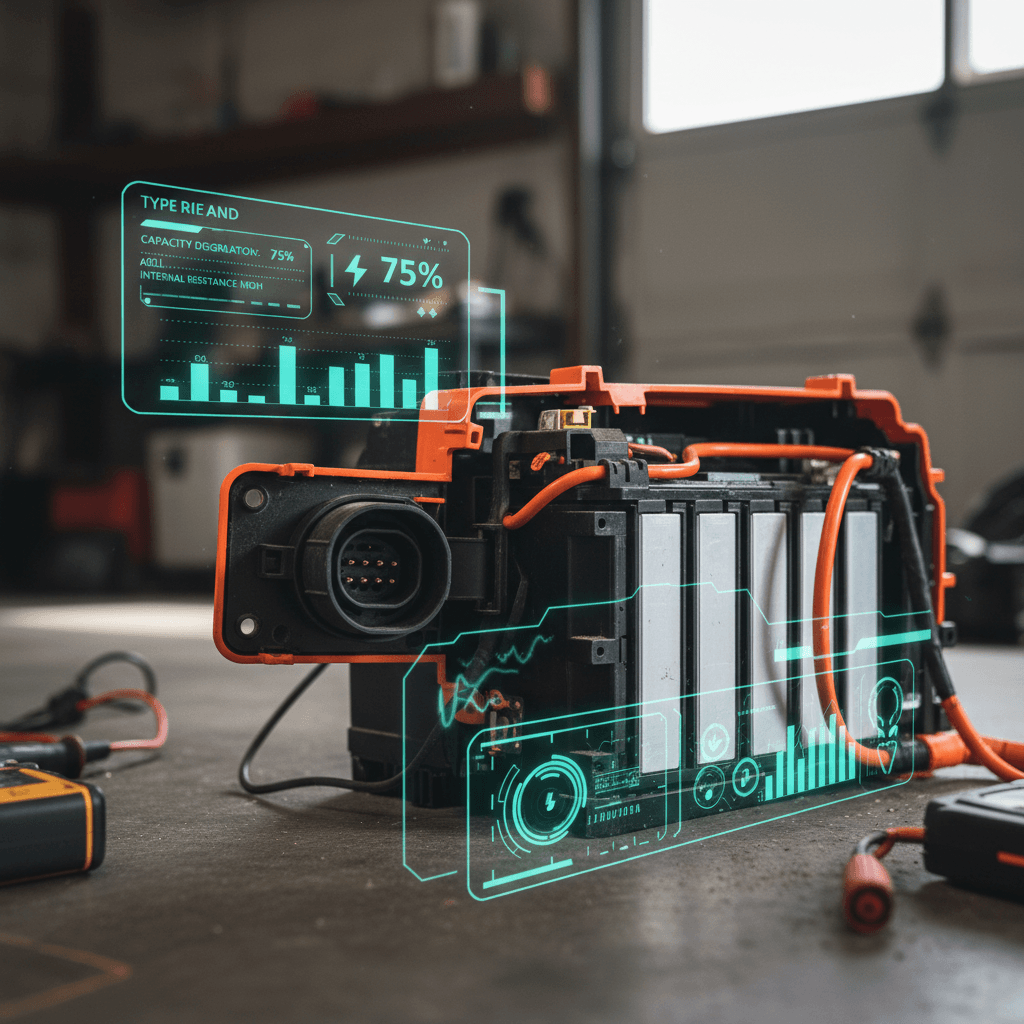
How Recharged evaluates used Nissan Leafs
Because the Leaf’s main risks live in the battery and charging system, not the engine bay, our process leans heavily on data and diagnostics, not just a quick visual once‑over. Here’s what typically goes into a Recharged Score for a Leaf.
1. Battery health diagnostics
- Read pack state of health (SoH) in percent, not just capacity bars.
- Check for module imbalance and weak cells under load.
- Compare measured capacity against model‑year norms.
2. Charging system testing
- Test Level 2 charging on a dedicated 240V circuit.
- Verify CHAdeMO fast‑charging performance where possible.
- Check for charge interruptions or communication faults.
3. Real‑world drive evaluation
- Replicate typical commute conditions, city, highway, mixed.
- Look for unexpected power limits or warning lights.
- Confirm HVAC performance, especially in extreme temps.
Transparent reporting, not guesswork
FAQ: Nissan Leaf common problems in 2026
Frequently asked questions about Nissan Leaf problems
Bottom line: is the Nissan Leaf still worth it in 2026?
The Nissan Leaf’s common problems in 2026 aren’t mysteries anymore. We know where the bodies are buried: heat‑stressed batteries, shrinking CHAdeMO fast‑charging support, and a handful of software recalls and comfort‑feature quirks. If you go in with clear eyes, armed with real battery data, a sense of how and where you’ll charge, and a realistic range target, the Leaf can still be a quietly brilliant choice that saves you thousands over a new EV.
If you’d rather not play battery roulette in a parking lot, you can let Recharged do the homework for you. Every Leaf on our platform comes with a Recharged Score Report, transparent pricing, and EV‑specialist support from first click to delivery. Whether you end up in a Leaf or another used EV, the goal is the same: an electric car that fits your life today and still feels like a good decision years from now.