If you’re wondering where to sell a used Chevrolet Bolt EV right now, you’re not alone. The Bolt has seen steep price swings thanks to battery recalls, new EV discounts, and shifting tax credits, and that makes choosing the right selling channel more important than ever if you don’t want to leave thousands of dollars on the table.
The short story on used Bolt pricing
Why Bolt owners are asking where to sell in 2026
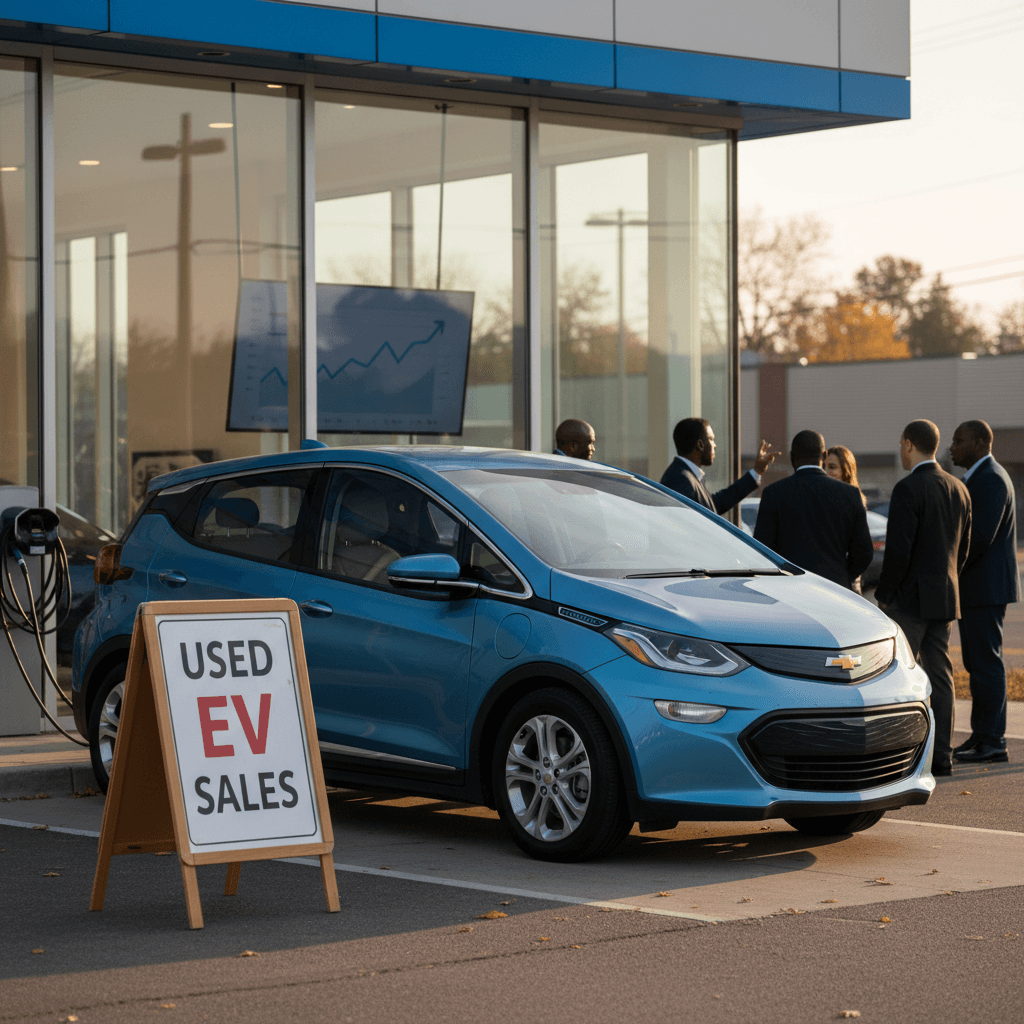
The Chevrolet Bolt EV is a bit of a paradox in the used market. On one hand, it suffered heavy depreciation when GM cut new‑car prices and the battery recall grabbed headlines. On the other, it’s become one of the most affordable long‑range EVs you can buy used, which is pushing demand up among budget‑minded shoppers and commuters.
Used Chevrolet Bolt EV market snapshot for 2026
That mix of heavy depreciation and rising used demand means Bolt owners have choices, but also confusion. Should you hit “sell” on Carvana, drive to CarMax, list it on Facebook, or work with an EV‑specialist marketplace like Recharged? The right answer depends on your priorities: speed, simplicity, or squeezing every last dollar out of your car.
Quick overview: best places to sell a used Chevy Bolt EV
Where to sell your Chevrolet Bolt EV: pros and cons
A high‑level look at the main channels for selling a used Bolt EV in the U.S.
| Channel | Typical Price | Speed | Hassle Level | Best For |
|---|---|---|---|---|
| Online instant‑offer sites (CarMax, Carvana, others) | Low–Medium | Fast (1–7 days) | Very low | Busy sellers who want a quick, guaranteed exit |
| Chevy or independent dealer trade‑in | Low–Medium (sometimes offset by discounts) | Fast (same day) | Low | Drivers already buying another car and prioritizing simplicity |
| Private‑party sale | High (if priced correctly) | Medium–Slow (1–6+ weeks) | High | Owners willing to do the work to maximize price |
| EV‑specialist marketplaces (e.g., Recharged) | Medium–High | Medium (varies by program) | Low–Medium | Owners who want strong pricing plus EV‑specific support |
| Salvage / damaged‑car buyers | Lowest | Fast (1–3 days) | Low–Medium | Bolts with major accidents, high miles, or title issues |
Your best option usually depends on whether you value convenience, price, or EV‑specific expertise.
A simple rule of thumb
Option 1: Online instant-offer sites (CarMax, Carvana & others)
If you want to sell your Bolt EV this week with minimal effort, online instant‑offer sites are usually the fastest path. CarMax, Carvana, and similar platforms let you enter your VIN, mileage, and condition, upload a few photos, and get a firm offer that’s usually good for 7 days or so.
Instant‑offer sites for your Bolt EV: pros and cons
The appeal is simplicity, but you may sacrifice some money for the convenience.
Why sellers like instant offers
- Speed: Many sellers can go from quote to cash in a few days.
- No strangers at your house: No need to meet buyers from classifieds.
- Transparent process: You know the number up front before you commit.
- Online friendly: Much of the process can be handled from your phone or laptop.
Where instant offers fall short
- Wholesale‑style pricing: Offers are closer to auction/trade‑in values than retail.
- EV uncertainty: Not every generalist buyer fully understands Bolt battery history.
- Volatile numbers: Offers can swing by hundreds or thousands in a week.
- Limited room to negotiate: The algorithm is mostly take‑it‑or‑leave‑it.
Reality check on online offers
Option 2: Selling to a Chevrolet or independent dealer
Your local Chevy store, or any multi‑brand used‑car dealer, may happily buy your Bolt EV even if you’re not trading in. In practice, though, dealers are most generous when they’re also selling you your next car, because they can move numbers around between your trade, your new‑car price, and financing.
When a Chevy dealer makes sense
- You’re buying another GM vehicle and they’re willing to sweeten your trade‑in.
- Your Bolt is a recall buyback with a new battery, and the store has experience selling Bolts.
- You want one transaction: hand them the keys, leave in your next car.
Limitations to watch for
- Many dealers still treat used EVs cautiously, especially older Bolts.
- They may send your car straight to auction, so they bid conservatively.
- “Over‑allowing” on your trade can be offset by a higher price on the car you’re buying.
Don’t focus only on the trade number
Option 3: Private-party sale for maximum price
If your goal is to squeeze every possible dollar out of your used Chevrolet Bolt EV, and you have some time, selling privately will usually yield the highest price. EV‑savvy shoppers understand what a well‑maintained Bolt with a healthy battery is worth, and they’re often willing to pay above dealer trade‑in values to get it.
Checklist: private‑party selling steps for your Bolt EV
1. Detail the car inside and out
Clean wheels, wipe down the interior, clear personal data from the infotainment system, and remove clutter. A spotless EV photographs, and sells, much better.
2. Gather key documents
Have your title or payoff info, service records, <strong>recall paperwork</strong>, and any battery‑health reports ready. Bolt shoppers will ask about these.
3. Price using real data
Check multiple sources, instant offers, online listings for similar Bolts, and valuation tools, to set a realistic asking price that still leaves room to negotiate.
4. Write an EV‑focused listing
Highlight battery replacement or recall completion, state of health if you have it, home charging habits, and daily driving patterns. These details build buyer confidence.
5. Screen buyers and plan test drives
Use a safe meeting spot, verify a valid driver’s license, and consider going along on the test drive. Trust your instincts and don’t be afraid to say no.
6. Use a secure payment method
Favor cashier’s checks verified at a bank branch, or services that facilitate private‑party EV sales and protect both sides. Avoid wire scams and overpayment schemes.
Leverage tax credits when you can
Option 4: EV‑specialist marketplaces like Recharged
Generalist buyers treat your Bolt like any other compact used car with a complicated recall story. EV‑specialist marketplaces look at it differently: they understand how battery health, charging habits, and recall campaigns affect real‑world value, and they have an audience actively hunting for used EVs.
Why an EV‑focused marketplace can be the sweet spot
You don’t have to choose between rock‑bottom trade‑in values and doing everything yourself.
Battery health is front and center
You’re selling to EV‑interested buyers
Guided, low‑friction experience
With Recharged, every vehicle includes a Recharged Score Report that covers verified battery health, fair‑market pricing, and condition insights. You can sell your Bolt EV via instant offer or consignment, tap into nationwide demand, and have EV specialists guide you through photos, listing copy, and negotiation so you capture more of your car’s true value without carrying the full private‑sale burden.
How Recharged fits into your selling plan
Ready to find your next EV?
Browse VehiclesOption 5: What if your Bolt has issues or a salvage title?
Not every Chevrolet Bolt EV on the road is a creampuff commuter with a fresh pack. Maybe yours was in an accident, has higher mileage, or carries a rebuilt or salvage title. In that case, your buyer pool changes, and so does the answer to “where should I sell it?”
- Contact online buyers that specialize in damaged or mechanical‑issue vehicles; they’ll price your Bolt closer to its parts or repair value but can move quickly.
- Get at least one instant offer from a mainstream buyer anyway; occasionally, algorithms misprice EVs in your favor.
- Be upfront about battery condition, error codes, and charging behavior. With EVs, hiding problems usually backfires when buyers scan the pack or plug in a Level 2 charger.
- If the car still drives well with a completed recall and new battery, an EV‑specialist marketplace may still help you realize more than a generic salvage bid.
Be realistic on value with salvage or major damage
How battery health and recalls affect what you can get
For gasoline cars, buyers obsess over miles and Carfax accidents. For a used Chevrolet Bolt EV, the conversation quickly turns to two things: battery health and recall history. Understanding both will make you a more confident seller, and help you push back if an offer feels unfair.
Battery health 101
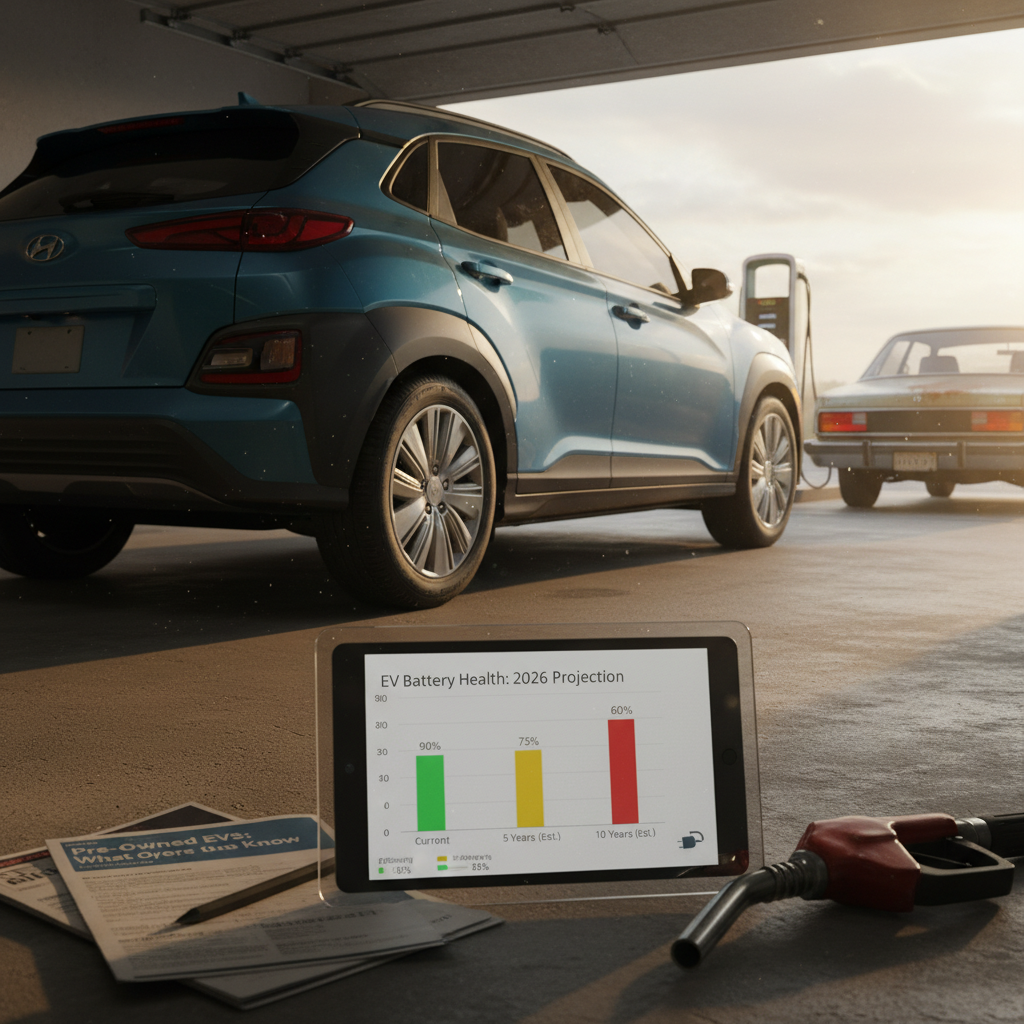
- Most buyers and lenders like to see state of health (SOH) at or above 80% on a modern EV.
- Healthy SOH suggests the car was charged and driven reasonably, not DC fast‑charged to 100% every day.
- Tools and diagnostics, like the Recharged Score battery analysis, let you document this and justify a stronger price.
Recall and buyback history
- Many 2017–2022 Bolts received new battery packs under recall campaigns, which can actually boost buyer confidence.
- Have documentation handy: recall letters, dealer invoices, or screenshots from myChevrolet.
- Be ready to explain whether the pack was replaced, updated, or simply inspected and cleared.
Turn recall history into a selling point
Step-by-step: how to compare offers on your Bolt EV
With so many ways to sell a used Chevrolet Bolt EV, the smart move is to turn it into a structured comparison instead of guessing. Here’s a simple process you can follow over a weekend.
Three paths for comparing your selling options
Path A: You want to be done this week
Get instant offers from at least <strong>two</strong> online buyers (e.g., CarMax plus another).
Visit a local dealer for an in‑person appraisal if you’re also shopping for your next car.
Compare the "net" numbers after payoff and fees, then pick the cleanest, fastest option.
Path B: You’ll wait for more money
Gather maintenance, recall, and charging history; run a battery‑health diagnostic if possible.
Request an offer or consignment evaluation from an <strong>EV‑specialist marketplace</strong> like Recharged.
List the car privately at a realistic price while you consider specialist or dealer options.
Revisit instant‑offer sites every 7–10 days, EV pricing can move with tax‑credit and inventory shifts.
Path C: You’re not sure yet
Start with a data‑driven valuation and Recharged Score Report on your Bolt EV.
Use that report to sanity‑check dealer and instant‑offer bids, does the number match your car’s actual battery condition?
Decide whether the extra potential profit from a marketplace or private sale justifies the extra time vs. a quick trade‑in.
- Create a simple spreadsheet (or note on your phone) with four columns: buyer, offer amount, fees/transport, and timing.
- Log every offer you receive, instant‑offer sites, local dealers, EV marketplaces, and serious private buyers.
- Adjust for convenience: a slightly lower offer from a trusted EV‑specialist or local pickup service may beat a higher price that requires weeks of showings.
- Once you’ve picked a path, move decisively. EV prices, including Bolts, can soften again if new‑EV incentives change or a wave of ex‑fleet cars hits the market.
FAQ: Selling a used Chevrolet Bolt EV
Frequently asked questions about where to sell a Bolt EV
Bottom line: what’s the best place to sell a Chevy Bolt EV?
There’s no single best answer to where to sell a used Chevrolet Bolt EV. If you want the fastest, least stressful path, instant‑offer sites and dealer trade‑ins are tough to beat. If you’re willing to invest more time and effort, a well‑priced private sale or an EV‑specialist marketplace can reward you with a higher check, especially if your Bolt has a strong battery, clean history, and completed recall work.
Whichever route you choose, treat battery health and documentation as your biggest bargaining chips. Start by getting a data‑driven view of your Bolt’s condition, ideally with an EV‑focused report like the Recharged Score, then use that information to compare offers from dealers, instant‑offer platforms, and potential buyers. In an evolving used‑EV market, the owners who do a little homework typically walk away with a smoother sale and more money in their pocket.