If you live on the road, covering territories, visiting clients, working trade areas, the **best used electric car for salespeople** isn’t the same EV a casual commuter should buy. You need real range, fast charging, all‑day comfort, and rock‑solid reliability, or your car becomes another quota‑killing headache.
Who this guide is for
Why salespeople are a tough test for used EVs
A salesperson’s car sees some of the **hardest duty cycles in the market**: lots of highway miles, heavy A/C or heat use, irregular stops, and frequent DC fast charging. That makes choosing the right used EV, and understanding its battery health, far more important than it is for a typical commuter doing 10,000 miles a year.
Why your use‑case is different
Why not just buy any cheap used EV?
Key features salespeople need in a used electric car
The EV feature checklist for sales reps
Focus on what protects your time, comfort, and income
Real‑world range, not brochure range
You’re not chasing the biggest number on the window sticker. You need usable highway range with climate control on, ideally 220–300+ miles when the battery was new. That gives you margin for degraded capacity, bad weather, and detours without white‑knuckle driving.
Fast, repeatable DC charging
Look for cars that can comfortably hold at least 100–150 kW on fast chargers when the battery is warm. That’s the difference between grabbing 150 miles in 15–25 minutes versus nursing a slow charge and missing your next meeting.
All‑day comfort & noise control
After 4–5 hours in the car, you’ll feel every seat compromise. Prioritize supportive seats, quiet cabins, and good ride quality over sporty handling. Adjustable lumbar and memory seats are worth it if multiple people drive the car.
Driver‑assist & navigation that actually helps
Adaptive cruise control, lane‑keeping, and good traffic‑aware navigation reduce fatigue on long days. A car that can plan charging stops into your route is a genuine productivity feature for salespeople.
Cargo & client‑friendly cabins
Trunks that easily swallow samples, roller bags, and pop‑up displays matter. So do rear seats that stay presentable for client rides. Hatchbacks and crossovers usually beat sedans here.
Proven battery reliability & warranty
Modern EV batteries are holding up well, and most brands offer at least an 8‑year / 100,000‑mile battery warranty, with some going longer. For a high‑mileage driver, knowing exactly how much warranty runway is left is critical.
Top used electric car picks for salespeople in 2026
There’s no single "best" used EV for every salesperson. Territory size, climate, home charging, and whether you carry bulky samples all matter. But a few models consistently stand out for high‑mileage work use on the U.S. used market.
Best used EVs for salespeople: quick comparison
Approximate EPA ranges are for when new; expect some degradation on used examples.
| Model | Body style | Approx. EPA range (new) | Charging strength | Best for |
|---|---|---|---|---|
| Tesla Model 3 Long Range | Sedan | 330 mi | Very strong Supercharger access | Highway‑heavy reps, long territories |
| Hyundai Ioniq 5 (RWD/LR) | Crossover | 303 mi | Very fast DC charging | Mix of highway and suburban calls |
| Volkswagen ID.4 (Pro) | Crossover | ~275 mi | Solid DC charging | Sales + family crossover duty |
| Chevrolet Bolt EUV | Hatchback | 247 mi | Modest DC charging | Value‑focused, regional routes |
| Tesla Model Y Long Range | Crossover | 330 mi | Very strong Supercharger access | Territories with rough weather & gear |
Always pair specs with a current battery‑health report and test drive before deciding.
Don’t chase max range at any cost
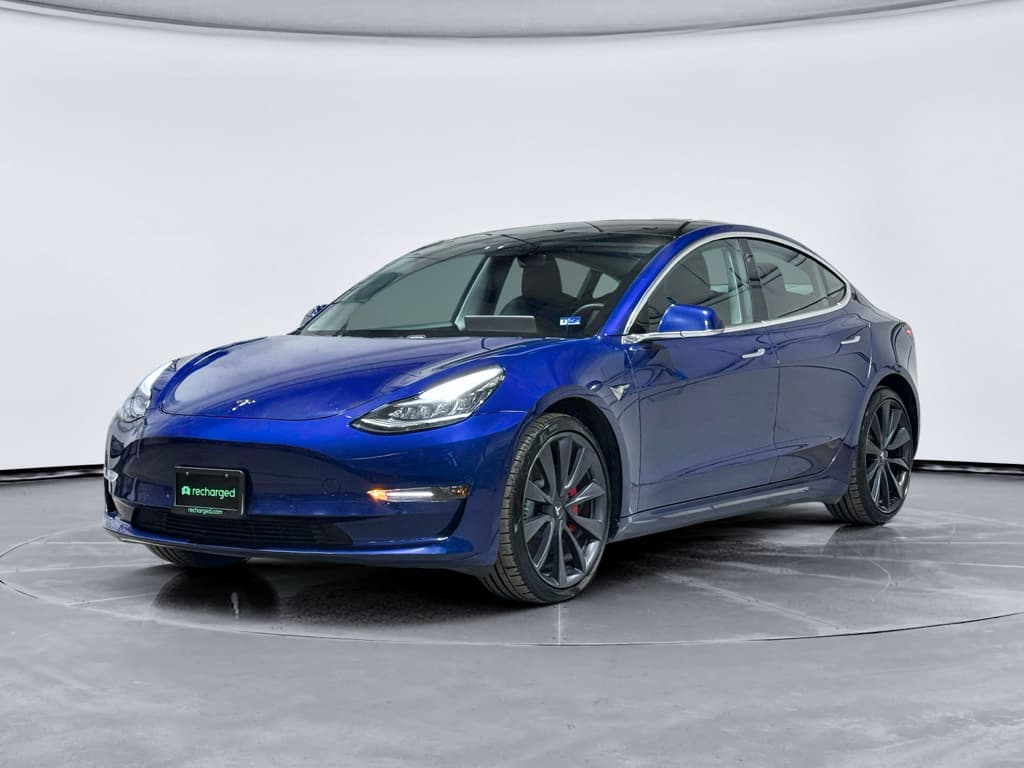
Tesla Model 3 Long Range (2018–2023+)
If you live in an area with good Supercharger coverage, a used **Tesla Model 3 Long Range** is arguably the benchmark road‑warrior EV. Real‑world highway range in the 250–300‑mile ballpark when relatively new, combined with fast and consistent DC charging, makes it easy to cover large territories with one well‑timed charge stop.
- Pros: Excellent Supercharger network access; strong driver‑assist; efficient at highway speeds; sedan form factor is easy to park in dense urban areas.
- Cons: Firm ride on some trims; trunk opening is smaller than a hatch; cabin minimalism isn’t for everyone.
- Best for: Reps who primarily do highway miles between cities and have consistent Supercharger coverage on their routes.
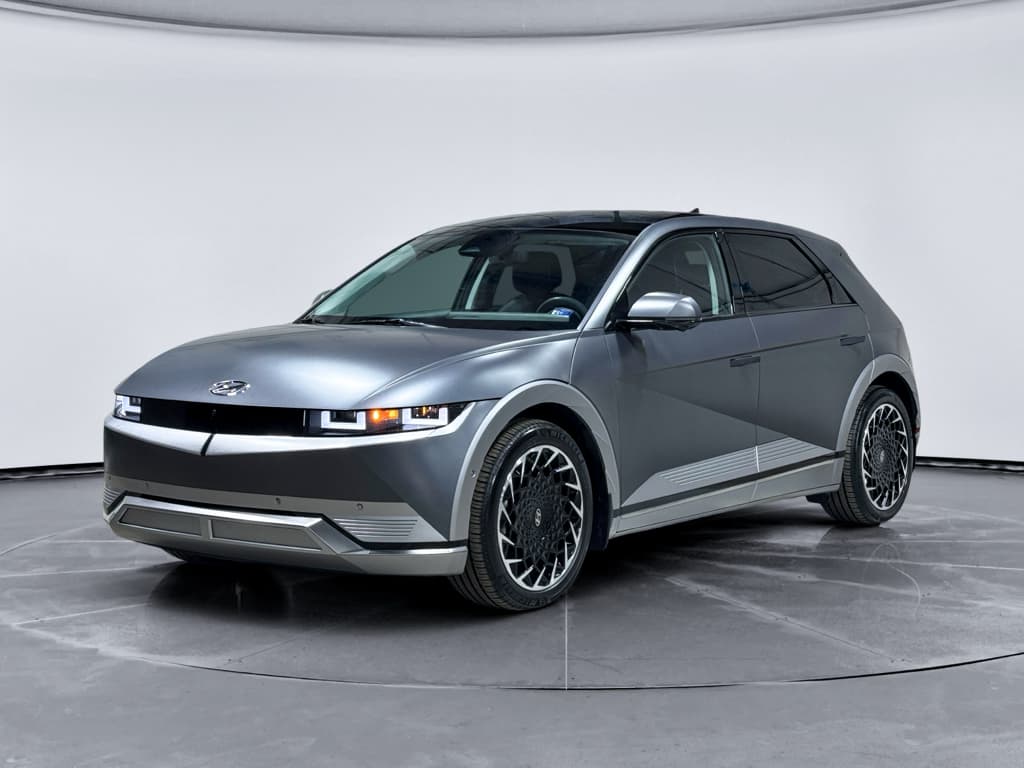
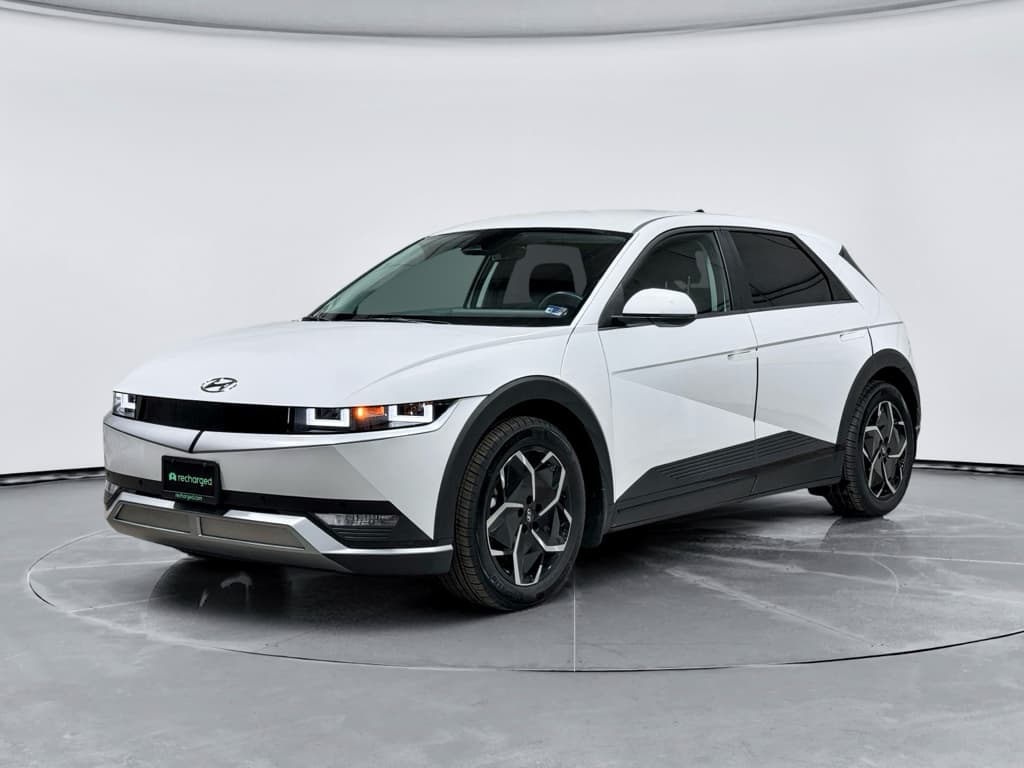
Hyundai Ioniq 5 (Long Range RWD)
The **Hyundai Ioniq 5** has become a darling among high‑mileage drivers because of its combination of comfortable ride, roomy hatchback layout, and very fast DC charging on an 800‑volt architecture. On a healthy battery, you can add serious highway range in roughly the time it takes to grab coffee and answer a few emails.
- Pros: Spacious cabin and cargo area; super‑fast DC charging; long battery warranty terms from new; quiet and comfortable for long days.
- Cons: Bigger footprint than a sedan; efficiency is good but not Tesla‑level; fast‑charge peak speeds depend on charger quality and battery temperature.
- Best for: Salespeople who need a do‑it‑all crossover that can handle work during the week and family duty on weekends.
Volkswagen ID.4 (Pro / Pro S)
The **Volkswagen ID.4** brings a more traditional crossover vibe that many fleet and company‑car drivers like. Range is competitive for saleswork, and the ride/seat tuning tends to prioritize comfort over sport. It’s a solid choice if you often have clients or colleagues in the back seat.
- Pros: Comfortable ride; practical cargo space; familiar interior layout; solid battery warranty from new.
- Cons: Software can feel slower than Tesla/Hyundai; DC charging is decent but not class‑leading; earlier build years had some teething issues, check history carefully.
- Best for: Reps who want a familiar crossover feel and often haul samples or passengers.
Chevrolet Bolt EUV
If you’re cost‑sensitive but still want a capable work EV, the **Chevrolet Bolt EUV** often offers the most electric miles per dollar on the used market. Rated around 247 miles when new, it works well for regional territories where you can plan around one DC fast charge or rely heavily on overnight charging.
- Pros: Often one of the most affordable long‑range used EVs; compact exterior with good interior space; efficient and easy to park; many post‑recall cars effectively have newer battery packs.
- Cons: DC fast charging is slower than newer architectures; smaller, lighter cabin can feel less refined on long interstate slogs; cargo space is hatchback‑sized, not crossover‑big.
- Best for: Budget‑conscious reps with dense territories or strong home/work charging who want to escape fuel bills without a huge payment.
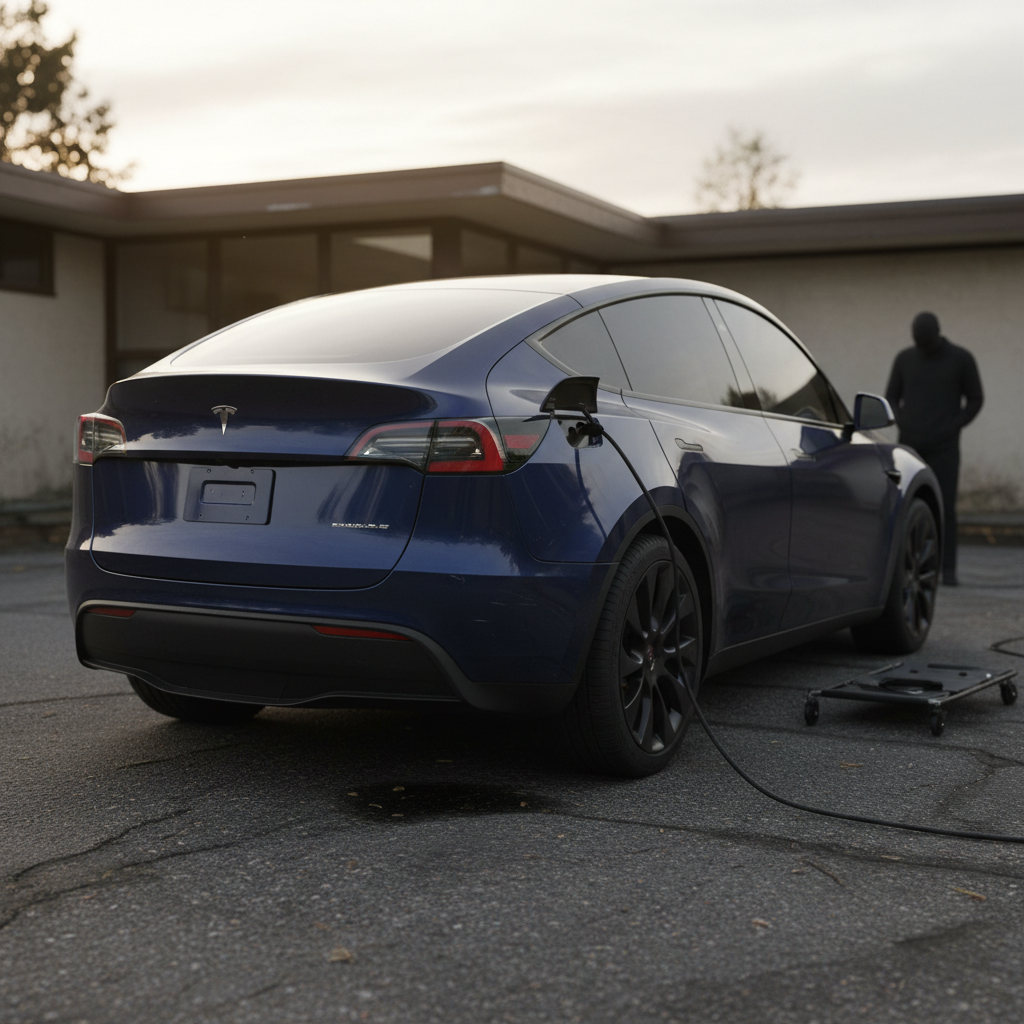
Tesla Model Y Long Range
For salespeople who need space for gear and maybe a child seat on the weekend, the **Tesla Model Y Long Range** blends the Supercharger advantage with a more versatile crossover body. Think of it as a Model 3 that’s easier to load and live with, especially in snow‑belt states where extra ground clearance matters.
- Pros: Excellent charging network access; strong range; roomy cargo area; popular with fleets, so there’s growing used inventory.
- Cons: Firmer ride than many crossovers; wind and road noise can be noticeable on some builds; demand keeps prices higher than some alternatives.
- Best for: Reps who regularly carry bulky samples or drive in varied weather and road conditions.
How many miles can you really drive in a day?
What ultimately matters for you is not the brochure range, but **how your workday looks**. A salesperson driving 150 miles in a tight metro area has very different needs from someone doing 350‑mile loops across three states.
Scenario 1: 150–200 miles, dense territory
If most days are 6–8 stops within a 30–50‑mile radius, you can often get by with a car that has ~220 miles of healthy real‑world range, especially if you can plug in at home.
- Home Level 2 charging overnight easily covers daily usage.
- Public DC fast charging becomes an occasional backup, not a daily habit.
- Value‑oriented cars like the Bolt EUV shine here.
Scenario 2: 250–350+ miles, wide territory
If you’re regularly driving across multiple cities or rural counties, you’ll want a used EV that started life closer to 280–330 miles of EPA range plus robust fast charging.
- You’ll likely fast‑charge once most days.
- Charging speed and network coverage now matter as much as range.
- Models like the Model 3/Y LR or Ioniq 5 are better suited to this use.
Think in segments, not just total miles
Battery health and warranty when you drive a ton
When you’re piling on 20,000+ miles per year, battery health isn’t a theoretical concern, it determines whether your car is still useful six years from now. The good news is that modern EV packs have proven more durable than early skeptics expected, and automakers back that confidence with strong warranties.
Typical EV battery warranty baselines
For a used‑EV shopper in sales, that means you should look at **both the calendar age and the odometer**. A 5‑year‑old car with 40,000 miles left on its battery warranty is a very different risk profile than a similar‑age car that’s already at 95,000 miles.
Use an objective battery‑health report
Charging strategy for road‑warrior EV drivers
The best used electric car for salespeople is only as good as the charging strategy behind it. Get this right, and the car disappears into the background of your workday. Get it wrong, and you’re staring at charge screens instead of talking to customers.
A practical charging plan for sales reps
Blend home, workplace, and fast charging to stay productive
1. Make home Level 2 your base
If at all possible, install or use a 240V Level 2 charger at home. Waking up to a full battery turns most days into non‑events. You’ll arrive at your first call with maximum range, even after a late return.
2. Add workplace or hotel charging
Even a few hours on a lower‑power charger at the office or a frequent hotel can add 30–80 miles. Over a year of sales travel, that’s a lot of gas station stops you never make.
3. Use DC fast charging intentionally
Fast charging is your "express lane", great for a midday top‑up during lunch or email time, but not something you want to rely on multiple times a day, every day. Build your routes around one well‑timed fast‑charge stop when needed.
Watch out for DC‑only habits
Cost of ownership vs a gas company car
Salespeople often think in terms of reimbursement rates or fuel cards. To decide if a used EV makes sense, you need to look at **total cost of ownership (TCO)** over several years, not just the purchase price.
Where EVs usually win
- Energy cost: Even with today’s electricity prices, home or workplace charging usually beats gasoline per mile.
- Maintenance: No oil changes, fewer moving parts, and regenerative braking mean fewer routine stops and often lower long‑term costs.
- Depreciation curve: Buying used lets you avoid the steepest early depreciation while still capturing years of useful life.
Where to run the numbers carefully
- High mileage vs. warranty: If you’re adding 25,000+ miles per year, see how quickly you’ll eat through remaining battery warranty miles.
- Public fast‑charging pricing: If you can’t charge at home, high DC fast‑charging rates can erode savings.
- Financing and resale: Make sure the payment, expected resale value, and your mileage outlook add up.
EVs shine in predictable, high‑mileage roles
How to shop for a used EV as a salesperson
Shopping as a high‑mileage driver is different from shopping as a weekend EV dabbler. You’re not buying a gadget; you’re choosing a core work tool. Treat the process more like hiring a key employee than picking a new smartphone.
Step‑by‑step used EV shopping checklist for salespeople
1. Map your real routes for the next 3 years
Look at your territory, key accounts, and likely changes. How many miles per day, in what climate, and how often will you be far from major highways?
2. Decide your minimum comfortable range
Based on those routes, set a floor for **usable real‑world range**, not brochure range. For many salespeople that’s at least 200–230 miles of healthy range, preferably more.
3. Shortlist models that fit your use‑case
Narrow down to 2–4 models, like Model 3/Y LR, Ioniq 5, ID.4, or Bolt EUV, that realistically meet your range, charging, and space needs.
4. Check remaining battery warranty runway
For each candidate car, estimate how many **years and miles of battery warranty** you’re likely to have left at your expected annual mileage.
5. Get a real battery‑health report
Avoid guessing based only on the dash range estimate. Use tools like the **Recharged Score battery diagnostics** to see objective state‑of‑health and any concerning patterns.
6. Test a real workday simulation
On a test drive, don’t just loop the block. Try a typical highway route, see how the seats feel after an hour, test adaptive cruise, and plug into a DC fast charger if possible.
7. Plan financing and exit strategy
If you’re financing, align the loan term with realistic usable life for your mileage. A platform like Recharged can help you compare vehicles and structure financing around your actual usage.
How Recharged helps high‑mileage drivers
High‑mileage drivers don’t just need a good price, they need confidence that the car will keep up. That’s where buying through Recharged is different from a typical used‑car lot or classifieds listing.
Why salespeople like buying used EVs through Recharged
Less guesswork, more transparency for road warriors
Verified battery health
Every vehicle on Recharged comes with a Recharged Score Report that includes detailed battery diagnostics, remaining warranty context, and fair‑market pricing analysis, exactly what a high‑mileage buyer should be looking at.
Financing built for real usage
Recharged offers EV‑friendly financing, so you can align your payment with expected savings on fuel and maintenance. You can even trade in a gas car or get an instant offer to streamline the switch.
Nationwide delivery & expert guidance
Whether you’re near the Richmond, VA Experience Center or across the country, Recharged can ship the right car to your driveway and connect you with EV specialists who understand high‑mileage use cases.
Ready to find your next EV?
Browse VehiclesDon’t roll the dice on an unknown battery
FAQ: Best used electric car for salespeople
Frequently asked questions
Bottom line: choosing the right used EV for sales
For salespeople and field pros, the best used electric car is the one that **protects your time and your income**. That usually means a long‑range sedan or crossover with strong DC fast charging, proven battery reliability, and a cabin you can live in for 8–10 hours at a stretch, often a Tesla Model 3/Y Long Range, Hyundai Ioniq 5, Volkswagen ID.4, or Chevy Bolt EUV, depending on budget and territory.
Don’t fixate on the lowest price or the highest range number in isolation. Instead, start with your real routes, charging options, and mileage outlook, then find the used EV whose capabilities match that reality. And if you want **battery‑health transparency, fair pricing, and EV‑savvy support** built in, shopping through Recharged can take a lot of the risk and guesswork out of putting an electric workhorse in your driveway.