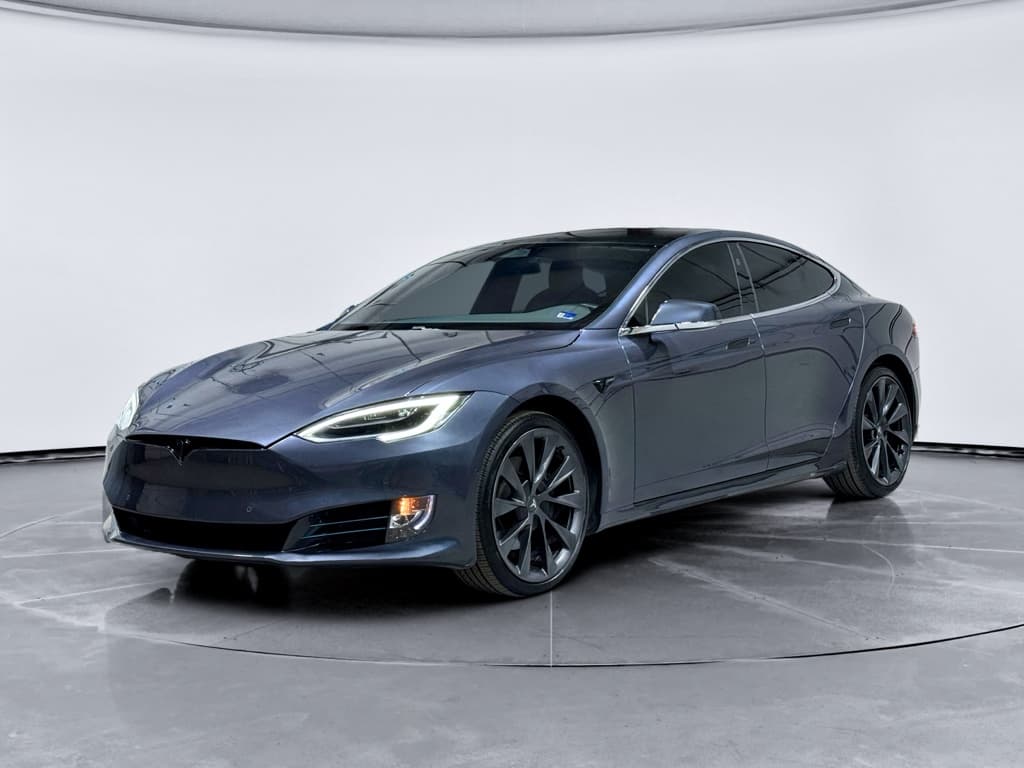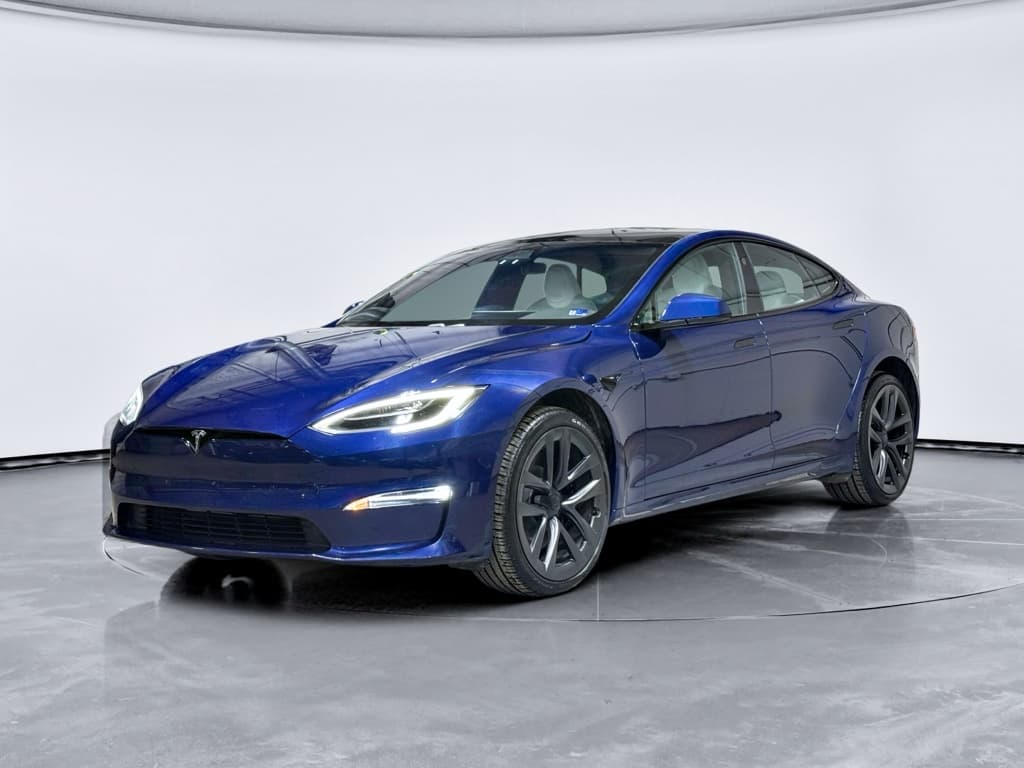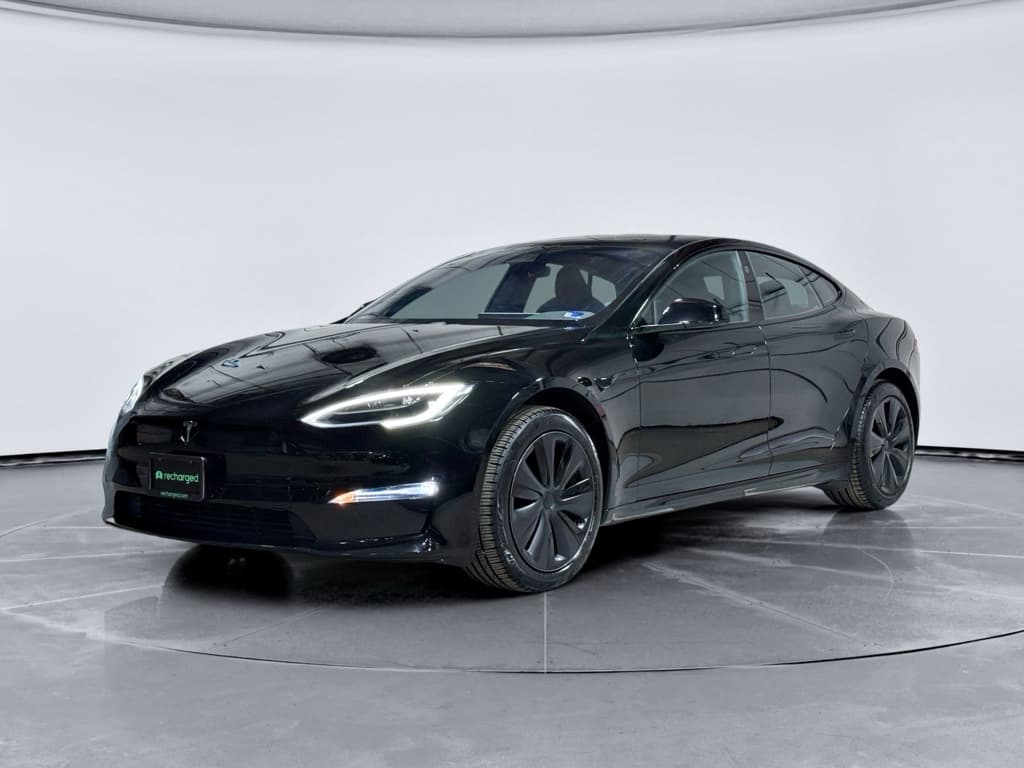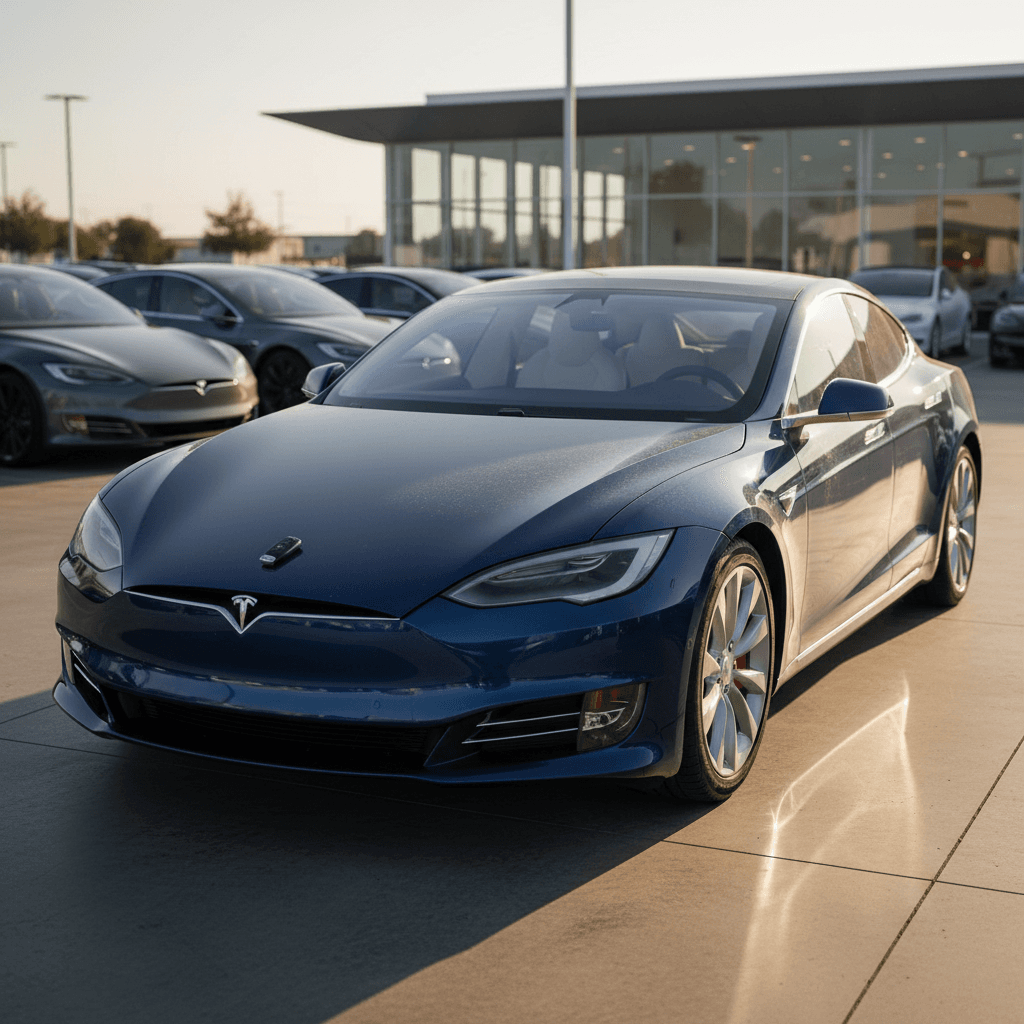
If you’re shopping for a used luxury EV, a 2022 Tesla Model S sits in a genuine sweet spot. It has the redesigned “Palladium” interior, modern tech, and big range, but by 2026 it has already absorbed a lot of depreciation. This 2022 Tesla Model S buying guide walks you through trims, realistic prices, battery health, software, and inspection tips so you can decide if it’s the right car, and the right deal, for you.
Snapshot: 2022 Model S at a glance
Why the 2022 Model S Is a Sweet Spot
2022 Model S value snapshot in 2026
The 2022 model year lands just after Tesla’s major 2021 refresh, so you get the updated interior, heat‑pump HVAC, revised battery and drive units, and the controversial yoke steering on early builds. At the same time, plenty of miles and years are left on the high‑voltage battery and drive unit warranties for most examples on the market.
Why many value‑hunters target 2022
2022 Model S trims: Long Range vs Plaid
Model S Long Range (often just “Model S”)
- Drivetrain: Dual‑motor all‑wheel drive
- Power: Roughly 670 hp
- 0–60 mph: ~3.1–3.7 seconds depending on wheels and software
- EPA range when new: Around the high‑300‑mile mark on 19" wheels
- Wheels: 19" standard, 21" optional (more grip, less range)
- Use case: Everyday luxury GT, long‑distance commuter, road‑trip car
Model S Plaid
- Drivetrain: Triple‑motor all‑wheel drive
- Power: ~1,020 hp
- 0–60 mph: ~2 seconds in ideal conditions
- EPA range when new: Mid‑300‑mile range on 19" wheels, less on 21"
- Wheels: 19" or 21" Arachnid performance wheels
- Use case: Supercar acceleration, track days, straight‑line performance
Under the skin, both trims share the same basic body and interior; the Plaid adds the third motor and heavier‑duty components to cope with repeated hard acceleration. For daily driving, the Long Range already feels extremely quick. Plaid’s value equation really only pencils out if you’re deliberately buying the fastest thing you can reasonably daily.
Watch wheel size and tires
Real‑world pricing and depreciation in 2025–2026
Tesla’s aggressive new‑car price changes and broader EV market softness have pushed used values down fast. That hurts original buyers, but it’s why you can now find 2022 Model S cars at a fraction of their original MSRP.
Typical 2022 Model S asking prices (U.S., early 2026)
Approximate retail asking prices for clean‑title, normal‑mileage 2022 Model S examples. Actual prices vary by region, options, and mileage.
| Trim / condition | Typical miles | Rough asking range | Notes |
|---|---|---|---|
| Long Range, value mileage | 35k–55k | High-$30,000s to low-$40,000s | Often no remaining basic warranty, but battery/drive unit coverage typically still active. |
| Long Range, low miles | <25k | Mid‑$40,000s and up | Low mileage, desirable color/option combos and clean history drive premiums. |
| Plaid, moderate miles | 30k–50k | Mid‑$40,000s to low‑$50,000s | Plaid’s performance halo keeps prices higher than LR at similar mileage. |
| Plaid, low miles / heavily optioned | <25k | High‑$50,000s+ | Color, wheels, upgraded interior, and FSD can push prices well above averages. |
Use this as a starting point, then adjust for mileage, condition, and options like FSD or upgraded audio.
Why Model S depreciates so hard
When you evaluate a specific car, think less about “discount from new” and more about cost per remaining year of useful life. A slightly more expensive, lower‑mileage car with better service history can actually be cheaper on a per‑year basis than a bottom‑of‑market example that needs tires, suspension work, and cosmetic fixes immediately.
Battery, range, and charging considerations
The 2022 Model S uses a large battery pack (roughly 100 kWh gross) with liquid cooling and software‑managed charging. Large‑scale failures remain rare, but by 2026 you should expect some degradation compared with new. For many Long Range cars, a realistic expectation is that a full charge now delivers somewhere around 85–95% of original usable range, depending on mileage and how the car was treated.
What really affects 2022 Model S battery health?
You can’t see inside the pack, but you can read the clues.
Fast‑charging habits
Heavy Supercharger use, especially to 90–100%, tends to be harder on packs than mostly home Level 2 charging. Occasional road‑trip fast charging is fine; constant DC fast charging is a yellow flag.
Climate and storage
Cars that live in very hot climates and sit at 100% state of charge frequently may see faster degradation. Garage‑kept vehicles in moderate climates generally age more gracefully.
Driving style and load
Hard driving and constant high‑speed Autobahn‑style runs pull high power from the pack and can nudge degradation up, especially on Plaid models driven aggressively.
Aim for data, not guesses
- Expect some degradation; a moderate drop in range is normal and not necessarily a deal‑breaker.
- Be more cautious with Plaid cars that have high mileage and lots of track/drag strip use; abuse shows up in heat‑soaked packs and driveline wear.
- Check that the car can still charge normally on both AC (home/Level 2) and DC fast chargers; intermittent charging issues can be expensive to trace.
Supercharging and your use case
Software, Autopilot, and FSD licenses
A big part of the 2022 Model S value proposition lives in software. Every car will have at least basic Autopilot (traffic‑aware cruise + lane centering). Some will include Enhanced Autopilot (EAP) or the controversial Full Self‑Driving (FSD) package.
Autopilot (AP)
- Standard on all 2022 cars
- Adaptive cruise + lane centering
- Good for reducing fatigue on highways
Enhanced Autopilot (EAP)
- Auto lane change and Navigate on Autopilot
- Autopark and Summon features
- Useful if you do lots of highway miles
Full Self‑Driving (FSD)
- Access to FSD Beta (where available)
- City‑street driver‑assist features still evolving
- Resale value is mixed; some buyers pay up, others avoid it
Does FSD actually add value?
Always verify which software packages are actually active on the car. That means checking the “Software” tab on the center screen or asking the seller for screenshots. Tesla doesn’t generally strip Autopilot, EAP, or FSD from private‑party resales, but misunderstandings about what’s included are common.
Remember: these are Level 2 systems
Common issues and what to inspect on a 2022 Model S
2022 cars avoid some of the serious early‑Model‑S headaches (like the original drive units and MCU1 failures), but no car is perfect. By now, usage patterns and build quality quirks start to show.
Higher‑priority inspection items on a 2022 Model S
Focus here during your test drive and pre‑purchase inspection.
Suspension, steering, and tires
- Listen for clunks or creaks over bumps, front control arm bushings and links can wear.
- Check for uneven tire wear, especially on 21" wheels; alignment or suspension may need work.
- On early yoke cars, inspect the yoke material for excessive wear or peeling.
Body, glass, and trim
- Look for panel misalignment and water leaks around doors and liftgate.
- Check windshield and glass roof for chips or cracks, repairs can be costly.
- Verify that all door handles and soft‑close latches operate smoothly every time.
Charging, HV system, and brakes
- Test AC and DC fast charging if possible.
- Look for warning lights related to battery, charging, or traction control.
- Check brake feel; EVs rely more on regen, so pads may age by time, not miles.
Electronics and infotainment
- Confirm that both the main screen and driver display work with no flicker or ghosting.
- Check all cameras, parking sensors, and speaker channels.
- Verify Bluetooth, LTE, and Wi‑Fi connectivity; spotty hardware can be frustrating.
Always run a history and recall check
2022 Model S buyer’s checklist
Step‑by‑step 2022 Model S buying checklist
1. Confirm trim, options, and build details
From the VIN plate and on‑screen menus, confirm whether the car is Long Range or Plaid, which wheel size it has, and what software packages (Autopilot/EAP/FSD) are active. Note interior color, audio package, and any retrofits like a round steering wheel.
2. Evaluate battery health and charging behavior
Check rated range at 100% and compare to original specs, review any available charging history, and test both home‑style AC charging and (if possible) a nearby DC fast charger. On Recharged, rely on the Recharged Score battery report for an objective view.
3. Inspect body, glass, and interior wear
Look closely for repainting, overspray, or mismatched panel gaps that may indicate prior accidents. Inside, check for bolster wear, screen scratches, and yoke or steering‑wheel material degradation.
4. Drive it like you’ll use it
On your test drive, include a mix of city, highway, and rough pavement. Confirm that Autopilot engages reliably, listen for rattles, and pay attention to how the suspension feels over expansion joints and potholes.
5. Review service history and warranty status
Ask for Tesla service invoices or app screenshots. Confirm remaining battery and drive unit warranty, and understand that most 2022 cars are now out of basic 4‑year/50,000‑mile coverage unless mileage is unusually low.
6. Model total cost, not just price
Add financing costs, insurance, charging costs, tires, potential suspension work, and any desired upgrades (e.g., swapping to 19" wheels) into your budget. A slightly higher purchase price for a better car can easily be cheaper over a 5‑year horizon.
Financing, trade‑ins, and total cost of ownership
Because the 2022 Model S has already taken a big depreciation hit, your main financial risk now is overpaying for a rough example or financing it in a way that leaves you underwater if values dip again. Treat this like any other near‑luxury car: sensible down payments, realistic term lengths, and an honest look at your driving profile all matter.
Key cost buckets to budget for
- Financing: Aim for terms that keep you from being wildly upside‑down 2–3 years from now.
- Insurance: Large, powerful EVs can carry higher premiums; get quotes before you commit.
- Maintenance: Less than a gas luxury sedan, but tires, alignment, and occasional suspension work add up.
- Charging: Home electricity is cheap per mile; frequent Supercharging is pricier but still often under gas costs.
How Recharged fits in
- Streamlined EV‑friendly financing tailored to used electric cars.
- Trade‑in or instant offer tools if you’re coming from a gas car or another EV.
- Transparent pricing backed by market data, so you’re less likely to overpay in a volatile Tesla market.
Use depreciation to your advantage
How Recharged helps you buy a 2022 Model S
Tesla’s direct‑to‑consumer model and constantly shifting prices can make it hard to know whether a specific 2022 Model S is a smart buy. That’s where an EV‑specialist marketplace like Recharged changes the experience.
Why shop for a 2022 Model S through Recharged?
Transparent battery health, fair pricing, and EV‑savvy support.
Recharged Score battery report
Fair market pricing
EV‑specialist guidance
Ready to find your next EV?
Browse VehiclesNationwide buying without the guesswork
2022 Tesla Model S buying FAQ
Frequently asked questions about buying a 2022 Model S
Is a 2022 Model S right for you?
A used 2022 Tesla Model S can deliver flagship‑EV comfort, range, and performance for the price of a new mid‑tier crossover, if you buy carefully. The Long Range trim fits most drivers, the Plaid rewards those who specifically want supercar thrust, and both depend heavily on battery health, prior use, and how they were maintained. If you take the time to verify trim, software, service history, and battery condition, and model your true total cost of ownership, you can come away with an EV that still feels cutting‑edge without paying new‑car money.
If you want to shortcut the guesswork, browsing 2022 Model S listings on Recharged gives you transparent battery data, fair‑market pricing, and EV‑specialist support from first click to delivery. Whether you’re upgrading from a gas luxury sedan or cross‑shopping other used EVs, this is one of the best moments in the market to let Model S depreciation work for you instead of against you.