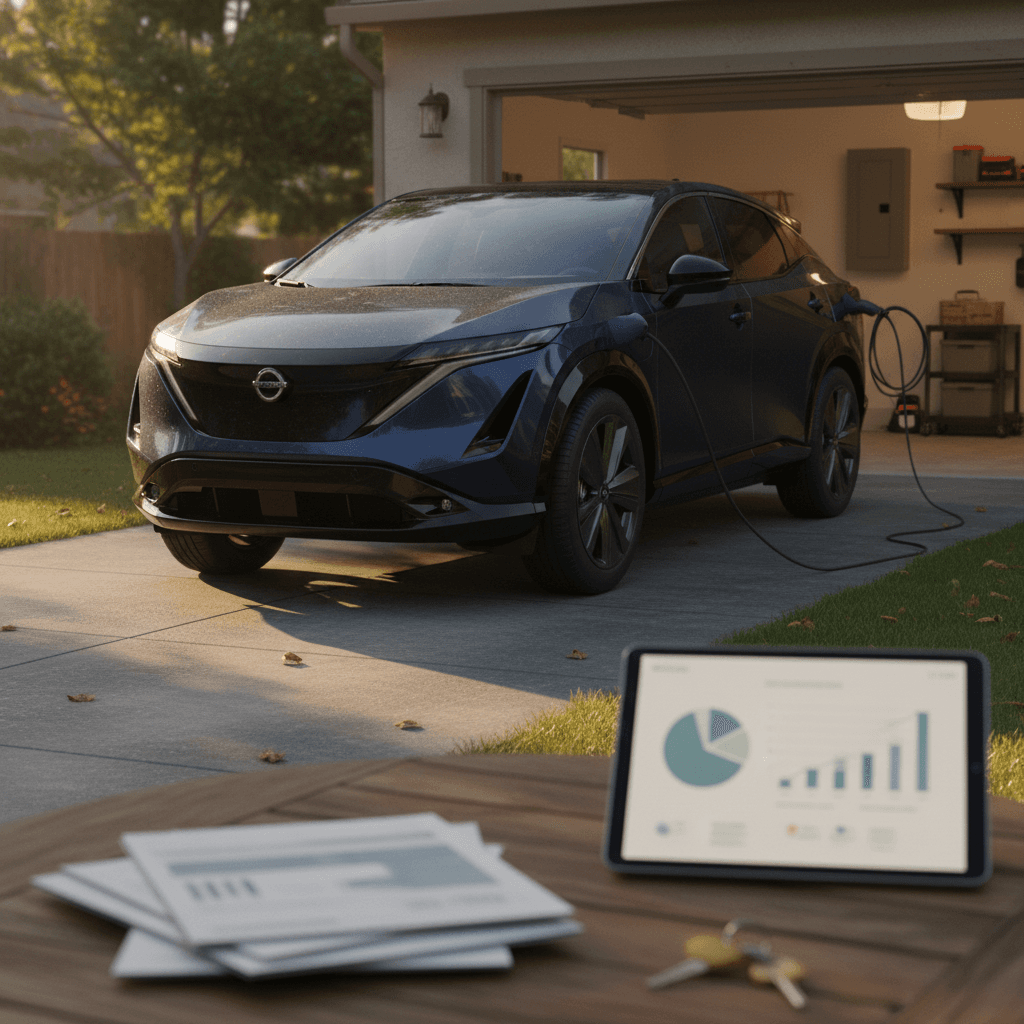
When you’re evaluating a **Nissan Ariya**, the sticker price only tells part of the story. What really matters is long-term ownership cost: how much you’ll actually spend on **energy, maintenance, insurance, and depreciation** over 5–10 years. The good news is that, as an electric SUV, the Ariya can be significantly cheaper to run than a comparable gas crossover, if you understand where the money goes.
Quick take
Nissan Ariya long-term cost overview
Let’s start with the big picture. Long-term **total cost of ownership (TCO)** for a Nissan Ariya breaks down into five main buckets:
- Purchase price (or lease/loan payments)
- Electricity costs for charging
- Maintenance and unexpected repairs
- Insurance, taxes, and registration
- Depreciation and resale value when you sell or trade in
Typical annual Nissan Ariya ownership costs (U.S. averages)
Put together, a realistic **all-in annual cost for an Ariya** (insurance + electricity + maintenance, excluding loan/lease payment) often lands around **$2,800–$3,200**, based on recent third-party cost analyses. That compares favorably with other compact electric SUVs and can undercut many similarly sized gasoline crossovers once you factor in fuel savings.
Important 2026 context
Charging & electricity costs for the Ariya
The Nissan Ariya is reasonably efficient for a family-sized EV SUV, though not class-leading. Depending on trim, the EPA estimates put most versions between **34 and 36.6 kWh per 100 miles**, which works out to roughly **2.7–3.1 miles per kWh**. In plain English: you’ll use about **0.33–0.37 kWh of electricity per mile** under typical conditions.
Home charging cost estimate
Assume:
- 12,000 miles driven per year
- Average efficiency: 0.35 kWh/mile (mixed trims and driving)
- U.S. residential electricity: $0.16/kWh (typical blended rate)
Annual energy use: 12,000 × 0.35 = 4,200 kWh
Annual charging cost: 4,200 × $0.16 ≈ $670/year
For many Ariya owners who charge mostly at home, energy spending looks more like one **modest utility bill bump** than a traditional fuel bill.
Public DC fast charging impact
If you rely heavily on public DC fast charging, say **road-tripping weekly** or living without reliable home charging, your cost per kWh can easily double.
- Public DC fast charging: $0.35–$0.50/kWh is common
- Same 4,200 kWh per year can cost $1,500–$2,100
In real life most drivers blend home, workplace, and public charging. Budget conservatively if you expect to fast charge more than once or twice a month.
Tip: Use range to back into cost
However you slice it, **electricity is rarely the budget-buster** in Ariya ownership. Even in a high-cost utility market, most owners find their annual charging cost is a fraction of what they used to spend on gasoline in a comparable SUV.
Maintenance, repairs, and battery health
One of the Ariya’s strongest cost advantages is its **simple EV powertrain**. There’s no engine, no multi-speed transmission, no timing belts, spark plugs, or oil changes. Over 5–10 years, that simplicity pays off in both scheduled maintenance and long-term reliability.
Where Ariya owners actually spend on upkeep
Less under-hood work, more focus on tires and wear items
Routine service
The Nissan maintenance schedule for the Ariya centers on inspections, cabin air filters, brake fluid, and coolant checks rather than major powertrain services. Many owners see only $200–$400 per year in routine work when using independent EV-savvy shops.
Battery & drivetrain
The Ariya’s traction battery is covered by an 8-year/100,000‑mile warranty against defects and excessive capacity loss. Electric motors and single-speed gearboxes tend to be extremely durable, with few common failure points.
Tires & brakes
Like most EVs, the Ariya is heavy and torquey. Expect to budget for tires more often than in a small sedan, especially on 20‑inch wheels. The flip side: regenerative braking dramatically reduces brake wear, so pads and rotors often last far longer than on a gas SUV.
Watch wheel size and driving style
Battery health is the big long-term question many shoppers have. Real-world data is still accumulating because the Ariya is relatively new, but early indications and Nissan’s conservative thermal management suggest **gradual, manageable degradation** when the car is charged and stored reasonably. The vast majority of owners will still have a very usable range at 8–10 years, especially if they avoid daily 100% DC fast charges and chronic high‑temperature abuse.
How Recharged helps on battery risk
Insurance, taxes, and routine fees
Insurance is one of the least glamorous but most important pieces of the Nissan Ariya ownership-cost puzzle. The Ariya’s safety ratings and pricing help it compare well to other EVs in its class.
Estimated annual insurance cost vs rival EVs
Typical nationwide averages for a clean-driver profile; your quote can vary substantially by state, credit tier, and coverage limits.
| Model | Typical annual premium | Notes |
|---|---|---|
| Nissan Ariya | $1,500–$1,700 | Often a bit cheaper to insure than performance‑oriented EVs |
| Tesla Model Y | ~$2,000 | Higher performance and repair costs push premiums up |
| Ford Mustang Mach‑E | ~$1,800 | Sits between the Ariya and Model Y |
| Hyundai Ioniq 5 | ~$1,600 | Very competitive for an EV SUV |
Insurance premiums are only one piece of TCO, but they recur every year.
Those estimates put the **Ariya toward the low end of insurance costs for compact electric SUVs**. Features like advanced driver-assistance systems and strong crash performance help, though repair complexity and parts pricing can still be higher than a mainstream gas crossover.
- **Registration & property tax**: In some states, EVs carry slightly higher annual registration fees but avoid emissions testing altogether.
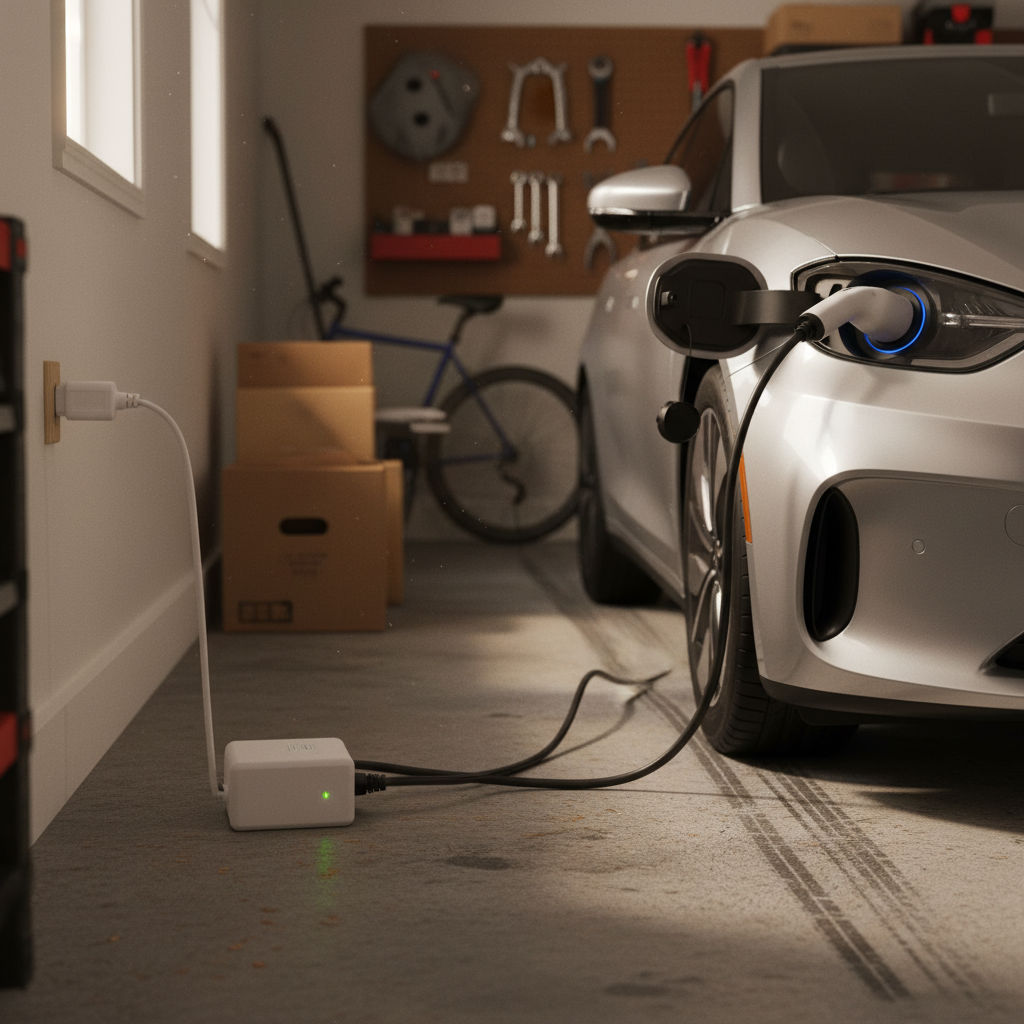
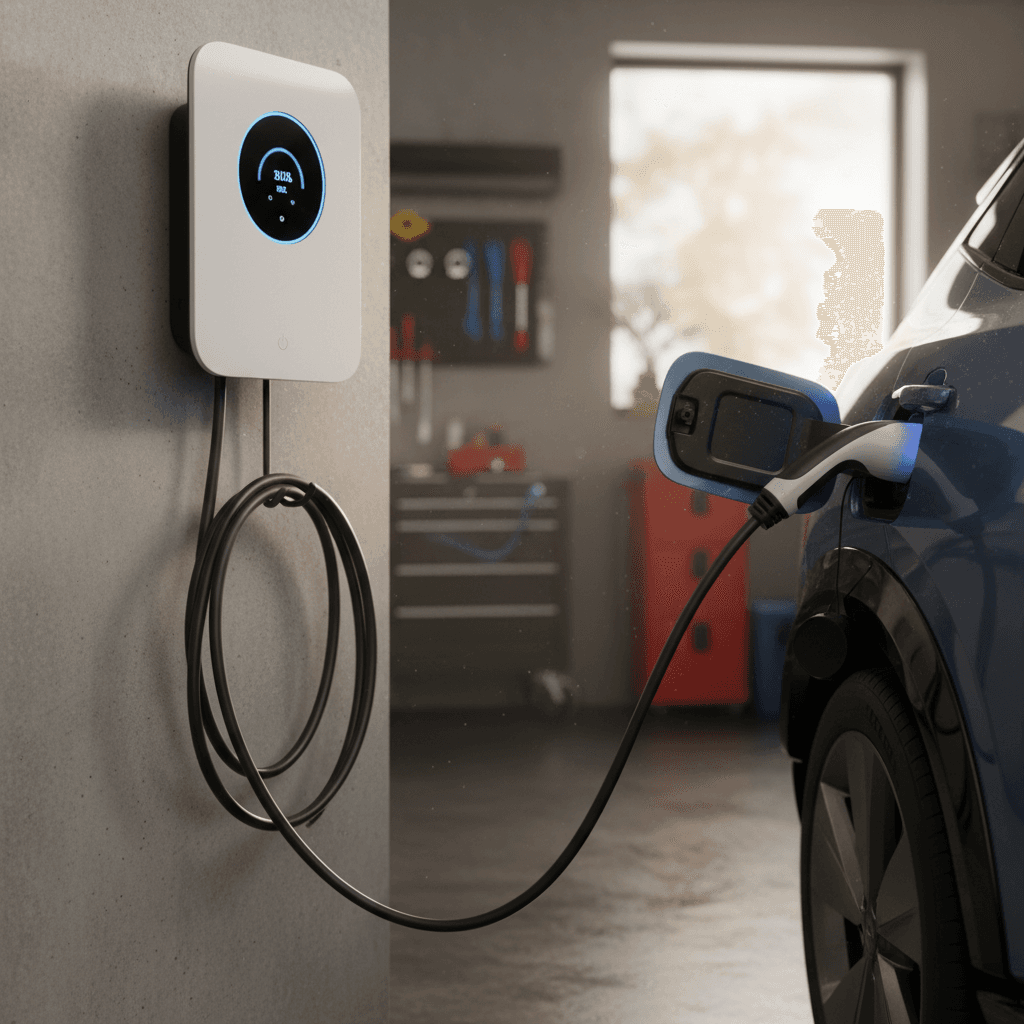
- **Home charging installation**: A 240‑volt circuit and wallbox can run from a few hundred dollars (using existing capacity) to several thousand if you need a panel upgrade. This is typically a one-time capital cost, not an annual expense.
- **Road-use or EV fees**: A handful of states assess modest annual EV surcharges (often $100–$200) to replace lost gas-tax revenue. Factor this into your local math.
Depreciation and resale value of the Ariya
Depreciation is where the Nissan Ariya’s long-term ownership story gets more complicated, and where savvy buyers can find serious value, especially in the used market.
Recent used-market data suggests that the Ariya loses roughly **63% of its value over five years**, compared with about **61% for a Tesla Model Y**. In plain terms, the Ariya depreciates a bit faster than some direct rivals, partly because it’s less of a halo brand and partly because it’s been caught in a fast-moving EV incentive and pricing environment.
Model discontinuation and future value
Scenario 1: New buyer
You buy a new Ariya today at, say, $45,000 out the door.
- 5‑year value loss at ~63%: car worth ≈ $16,500
- Total depreciation: about $28,500, or roughly $5,700 per year
If you’re planning a short 3‑year horizon, leasing or buying used instead may make more financial sense.
Scenario 2: Used buyer
You buy a 2‑year-old Ariya for around $30,000 that sold new near $45,000.
- Initial owner has already eaten about $15,000 in depreciation.
- Another three years might see it fall to ≈ $18,000.
- Your 3‑year depreciation bill is closer to $12,000, or about $4,000 per year.
This is why well‑chosen used EVs, especially with verified battery health, can offer an excellent cost-of-ownership story.
How Recharged can improve your exit value
Ready to find your next EV?
Browse VehiclesNissan Ariya vs Tesla Model Y & other rivals
Long-term cost isn’t decided in a vacuum. If you’re cross-shopping the Ariya with a **Tesla Model Y, Ford Mustang Mach‑E, Hyundai Ioniq 5, or VW ID.4**, you should think in terms of how each one treats your wallet over a decade, not just who has the biggest touchscreen.
How the Ariya stacks up on ownership costs
Big picture: it’s competitive, but not always the cheapest nor the priciest
Energy costs
With combined consumption around 34–36.6 kWh/100 mi, the Ariya is slightly less efficient than some rivals like the VW ID.4 or Toyota bZ4X, but the difference in annual electricity cost is typically measured in **tens of dollars**, not hundreds, for most drivers.
Insurance & maintenance
Insurance tends to be a bit cheaper than a Model Y and roughly in line with other compact EV SUVs. Maintenance is low across the entire segment, with no real standout here, though Tesla’s direct-service model and parts pricing can lead to more variability.
Depreciation & resale
The Ariya depreciates somewhat faster than a Model Y and broadly in line with other non-Tesla EVs. That’s a negative if you buy new, but it’s exactly why a used Ariya can be a bargain for the second owner.
When you compare compact electric SUVs, the Ariya rarely wins on raw specs, but it can win on comfort and value, especially used, where someone else already paid for the steepest depreciation curve.
Why used Nissan Ariya ownership can be a sweet spot
Because the Ariya has seen **price adjustments, aggressive incentives, and now model cancellation in the U.S.**, its used values have softened more quickly than some competitors. That’s painful for the first owner, but powerful for a smart second owner who buys on the right terms.
What makes a used Ariya attractive from a cost standpoint?
1. Early depreciation already taken
A 2–3‑year-old Ariya has already absorbed the steepest part of the depreciation curve. You’re buying closer to the car’s long-term value floor, which flattens your annual cost.
2. Modern battery and tech
Unlike some earlier EVs, the Ariya launched with a competitive pack size, modern thermal management, and DC fast-charging capability up to around 130 kW, features that matter for long-term usefulness.
3. Lower insurance than performance EVs
Because the Ariya isn’t a performance monster, insurers tend to treat it more gently than some high-output EVs. Over 5–8 years, that premium gap adds up.
4. Ongoing Nissan support
Even with the model discontinued for new U.S. sales, Nissan has committed to continued support for service, parts, and warranty coverage, which helps protect long-term viability.
5. Transparent health data via Recharged
Buying through <strong>Recharged</strong> gives you a Recharged Score with **battery diagnostics, pricing transparency, and expert EV guidance**, making it easier to predict your real cost of ownership.
Checklist: Estimate your personal Ariya ownership cost
No two owners will see exactly the same numbers. Your commute, electricity rate, insurance profile, and buying strategy all shift the math. Use this checklist to build your own Nissan Ariya long-term cost estimate.
Personal Nissan Ariya cost-of-ownership checklist
1. Nail down your annual mileage
Start with a realistic mileage estimate, 10,000, 12,000, or 15,000 miles per year. Every cost component (energy, maintenance, depreciation) scales with how much you drive.
2. Look up your actual electricity rate
Check your utility bill for your effective cents per kWh, including fees. If you have time‑of‑use EV rates, calculate a blended average based on when you’ll charge.
3. Decide on home charging vs. public
If you can charge at home most nights, your costs will be far lower and more predictable. If you’ll rely on public fast charging, bump your energy cost estimate accordingly.
4. Get two or three insurance quotes
Before you buy, plug the VIN of the Ariya you’re considering into online quote tools. Compare premiums to what you pay now and to other EVs on your shopping list.
5. Choose new vs. used strategically
If you value the latest options and plan to keep the car 8–10 years, new can still make sense. If you’re flexible, a 1–3‑year-old Ariya with verified battery health can meaningfully cut your depreciation hit.
6. Plan your exit
Are you likely to keep the Ariya until the wheels fall off, or trade in after 4–6 years? Knowing your planned ownership horizon helps you estimate how much depreciation you’ll actually experience.
FAQ: Nissan Ariya long-term ownership costs
Common questions about Nissan Ariya ownership costs
Bottom line: Is a Nissan Ariya cheap to own?
If you’re chasing the absolute lowest possible long-term ownership cost in the EV world, the Nissan Ariya probably isn’t your silver bullet. Slightly higher energy use than some rivals and faster depreciation than a Tesla Model Y keep it from dominating the spreadsheets. But for many real-world drivers, especially those buying **used with verified battery health**, charging mostly at home, and planning to keep the car for several years, the Ariya can be a **pleasant, reasonably priced long-term companion** that quietly undercuts the fuel and maintenance bills of a gas SUV.
The key is to buy intelligently: understand your **mileage, energy rates, insurance profile, and exit plan**, and then choose the specific Ariya trim and price point that fits. If you’d like help running those numbers on an actual vehicle, down to its battery health and fair-market value, Recharged is built precisely for that. Our EV specialists, digital buying experience, and Recharged Score reports are designed to make sure your Nissan Ariya isn’t just a car you like driving, but **one that makes financial sense for the long haul**.