Hit 20,000 miles in your Nissan and suddenly the dealership is calling, the dashboard reminder is glowing, and your wallet starts to feel nervous. The phrase “Nissan 20,000-mile service” sounds like a big, expensive milestone, but what does it really include, and how much of it do you actually need?
Good news
What is the Nissan 20,000-mile service?
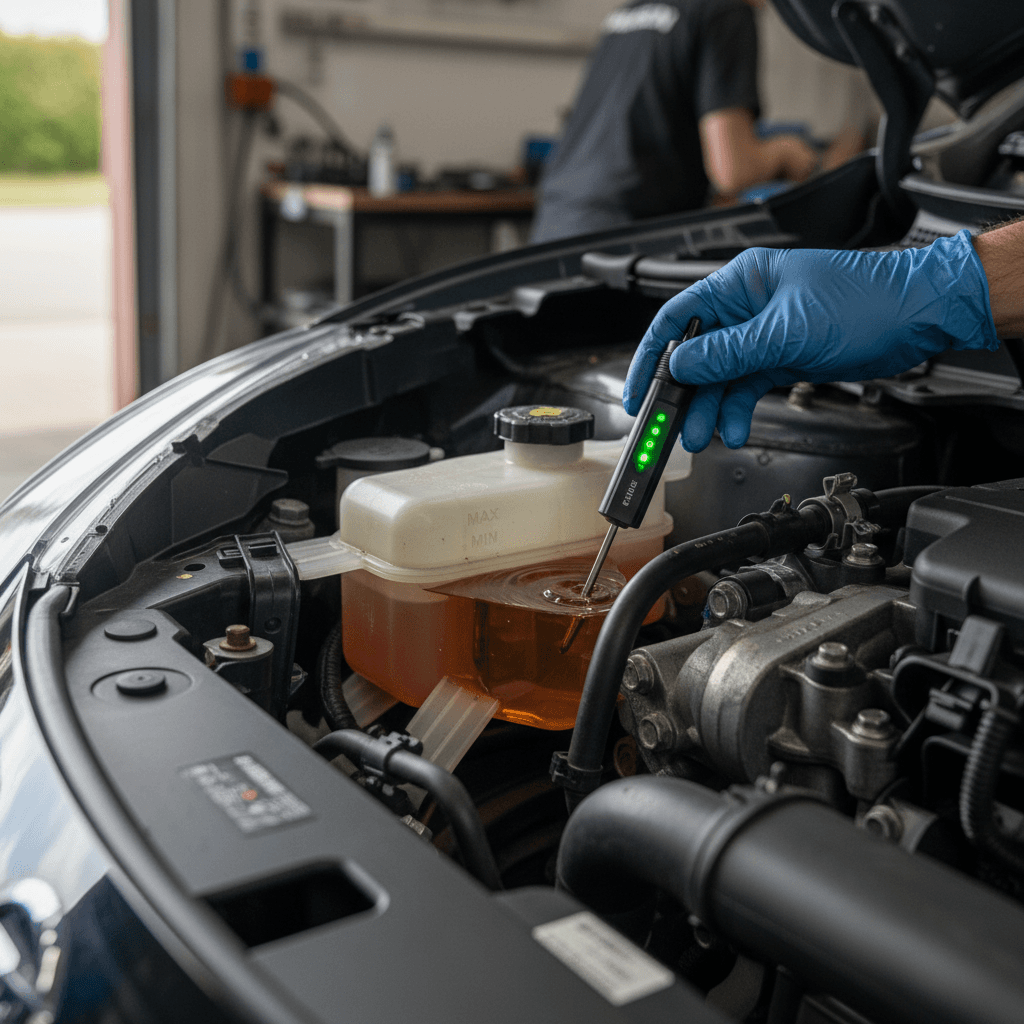
Nissan structures its maintenance schedule in 5,000‑mile steps (5k, 10k, 15k, 20k, and so on). At 20,000 miles, usually around the two‑year mark, the brand adds a deeper look at your braking system and underbody components on top of the usual oil change and tire rotation. Many dealer schedules also call for a brake fluid replacement at this visit.
Exactly what’s included can vary a bit by model and dealership, but for most late‑model Nissan cars, crossovers, and trucks, the 20k service follows the same pattern: keep fresh oil in the engine, keep tires wearing evenly, and make sure suspension, steering, and fuel systems are healthy before they have a chance to cause bigger, more expensive trouble.
What typically gets done at 20,000 miles on a Nissan
If you look at multiple Nissan dealer service schedules for 2014‑and‑newer vehicles, the 20k or 20,000‑mile service usually includes the same core items. Here’s the gist of what most service advisors are quoting when they say “20k service.”
Core items in a typical Nissan 20,000-mile service
The exact wording changes by dealer, but the work is largely the same.
1. Engine oil and filter
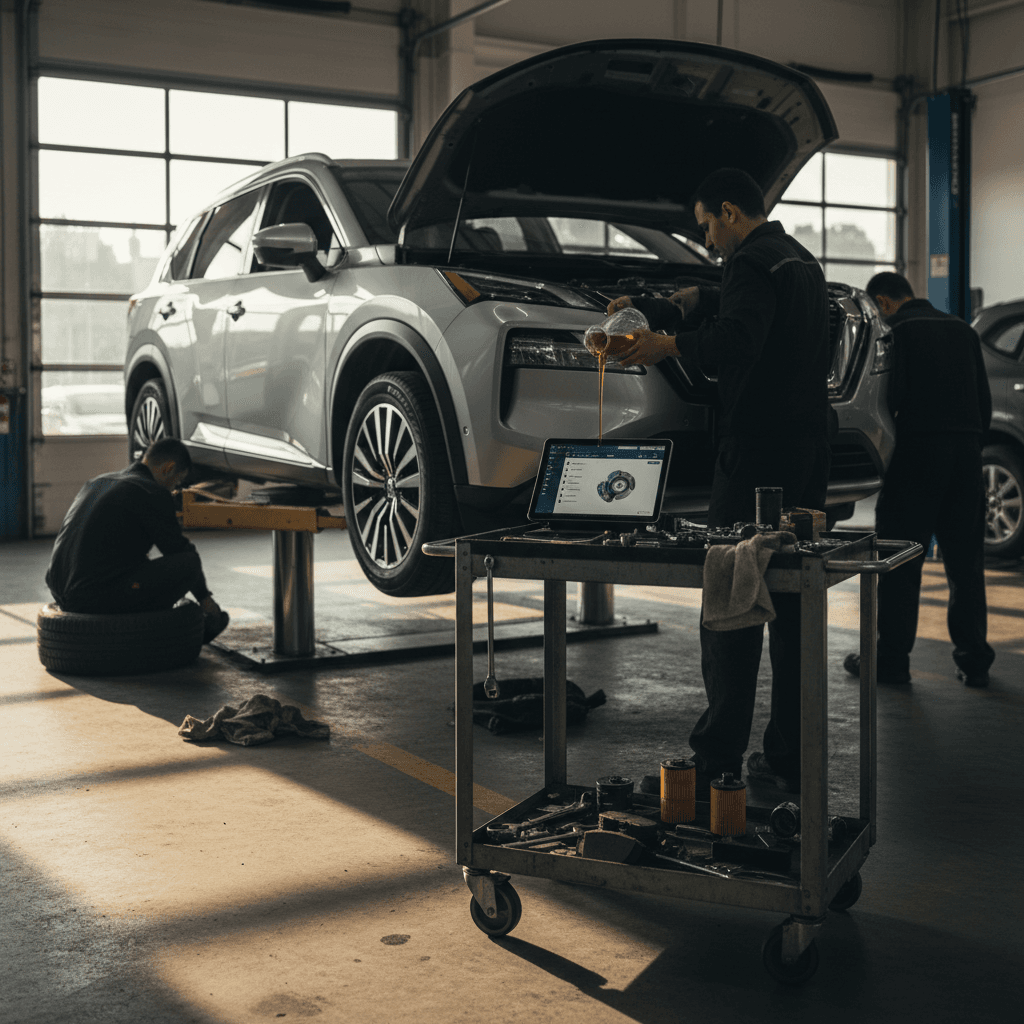
You’ll almost always see an engine oil and filter change on a 20,000‑mile service sheet, even if you’ve already been doing oil changes every 5,000 miles. If you’re on schedule, this isn’t “extra,” it’s just your regular 20k oil change folded into the visit.
2. Tire rotation
Nissan wants tires rotated about every 5,000–10,000 miles. The 20k visit is a natural rotation point. Rotating evens out wear between front and rear axles and can easily add several thousand miles to a set of tires.
3. Brake fluid replacement
On many Nissan maintenance guides, brake fluid is replaced around 20,000 miles or two years. Moisture in brake fluid lowers its boiling point and can corrode internal components. If this hasn’t been done yet, 20k is a smart time.
4. Multi-point inspections
Most of the rest of the line items are inspections: brake pads and rotors, CVT or transmission fluid condition, suspension and steering components, fuel and vapor lines, exhaust system, drive shaft boots, and ball joints. The tech is checking for wear, leaks, cracks, or rust, not automatically replacing parts.
Detailed 20,000-mile service checklist (typical Nissan dealer)
This reflects a common schedule for late-model Nissan gasoline vehicles. Always confirm against your owner’s manual and local conditions.
| Category | Service/Inspection | What the tech is looking for |
|---|---|---|
| Fluids | Replace engine oil & filter | Correct weight and level, no metal in oil, clean filter |
| Fluids | Replace brake fluid | Proper bleed, no moisture contamination, firm pedal feel |
| Fluids | Inspect CVT / AT fluid | Burnt smell, discoloration, metal particles if the pan is checked |
| Tires & Wheels | Rotate tires | Even tread depth across all four corners, no unusual wear patterns |
| Brakes | Inspect pads, rotors, drums, linings | Remaining pad thickness, rotor surface, signs of glazing or scoring |
| Brakes | Inspect brake lines & hoses | Leaks, corrosion at fittings, cracked rubber hoses |
| Suspension & Steering | Inspect axle & suspension parts | Worn bushings, leaking shocks/struts, damaged control arms |
| Suspension & Steering | Inspect front suspension ball joints | Play in joints, torn boots that could let dirt in |
| Suspension & Steering | Inspect steering gear & linkage | Looseness in steering, leaks from rack or gear housing |
| Driveline | Inspect drive shaft boots / propeller shaft (AWD/RWD) | Cracked CV boots, sling of grease, play in u‑joints |
| Fuel & Emissions | Inspect fuel lines & EVAP vapor hoses | Leaks, dry‑rotted rubber, rust on metal lines |
| Exhaust | Inspect entire exhaust system | Rust holes, loose heat shields, exhaust leaks at flanges |
Think of the 20k service as a combination of routine fluid changes and a thorough safety inspection.
Watch for “package padding”
Why the 20,000-mile service actually matters
At 20,000 miles a modern Nissan is barely broken in, which makes it tempting to shrug off more than an oil change. But this visit is timed around two things: fluids that age with time, not just miles, and wear that can start to show up once the factory fresh glow has worn off.
- Brake fluid slowly absorbs moisture from the air. Even if you baby the car, two years is enough to start lowering its boiling point.
- Rubber components, hoses, boots, bushings, can show early cracks and leaks under normal use, especially in hot or cold climates.
- Catching a seeping shock, torn CV boot, or uneven tire wear now usually costs less than waiting until the part fails outright.
- For leased vehicles, staying close to Nissan’s schedule helps avoid arguments at turn‑in time about “excessive” neglect.
Keep the paper trail
Nissan 20,000-mile service checklist (simple version)
Owner-friendly Nissan 20,000-mile checklist
Change engine oil and filter
Use the correct weight and Nissan‑approved spec listed in your owner’s manual. If you’re already changing every 5,000 miles, this is simply the next scheduled oil change.
Rotate and inspect tires
Request a tire rotation and ask the tech to note remaining tread depth and any abnormal wear. That note can alert you to alignment or suspension issues early.
Replace brake fluid (if due)
If this is your first brake fluid change, often around 2 years/20k miles, go ahead and do it. If it was done recently, there’s no need to pay for it again just because it’s on a generic menu.
Thorough brake inspection
Have the shop measure pad thickness and inspect rotors and hoses. Ask for the actual numbers; ‘looks fine’ isn’t a measurement.
Inspect suspension, steering, and driveline
Bushings, ball joints, CV boots, and drive shafts should be checked for play, cracking, or leaks. This is a quick visual check when the car’s already on the lift.
Check fuel, vapor, and exhaust systems
Tech should look for leaks, rusted clamps, or damaged shields. Small fixes now can prevent fuel smells, check‑engine lights, or rattles later.
Nissan EV vs gas: What changes at 20,000 miles
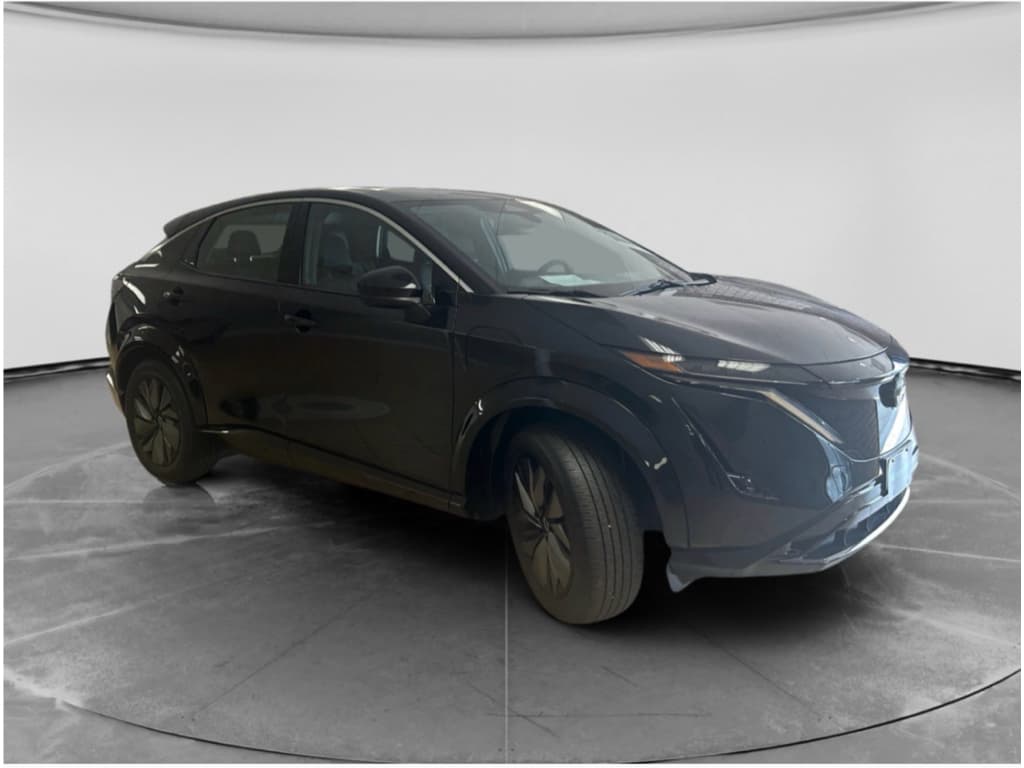
If you’re driving a gasoline Nissan, like a Sentra, Altima, Rogue, or Frontier, the 20,000‑mile service revolves around engine oil and traditional brake and suspension checks. But if you’ve moved into a Nissan EV like the LEAF or Ariya, that same mileage looks very different.
Gasoline Nissan at 20,000 miles
- Engine oil & filter change is mandatory.
- Brake fluid replacement is commonly due around now.
- Transmission/CVT fluid is usually inspected, not replaced, unless you tow or drive in severe conditions.
- More moving parts under the hood mean more chances to find small leaks or wear.
Nissan EV at 20,000 miles
- No engine oil at all, one of the big advantages of EV ownership.
- Brake fluid still ages with time, so replacement intervals are similar.
- Mechanical brakes often wear more slowly thanks to regenerative braking.
- Service visits are more about inspections and software checks than fluid changes.
Whether you’re in a LEAF or Ariya today, or shopping for a used EV, fewer fluid changes translate directly into lower running costs over time.
How Recharged fits in
Ready to find your next EV?
Browse VehiclesHow much does a Nissan 20,000-mile service cost?
Pricing swings a lot by region and by how much “extra” the shop tries to bundle in, but you can use these ranges as ballpark numbers for a 20,000‑mile visit on a typical gasoline Nissan in the U.S.:
Typical U.S. price ranges for Nissan 20,000-mile service
You don’t have to buy the most expensive package to “protect your warranty.” What matters is that the required maintenance is performed and documented, and you can often accomplish that with a basic oil/rotation plus a separate brake fluid service, while still getting all the inspections done as part of a standard multi‑point check.
Dealer vs independent shop vs doing some items yourself
Where to get your 20,000-mile service done
Each option has trade‑offs in cost, convenience, and documentation.
Nissan dealership
- Pros: Factory‑trained techs, access to technical service bulletins, easy warranty documentation.
- Cons: Usually the highest labor rate and the most aggressive “maintenance package” upsell.
- Best for: Cars under factory warranty, complex issues, or recalls.
Independent shop
- Pros: Often lower labor rates, more flexibility to pick and choose services.
- Cons: You must verify they use the correct fluids and follow the Nissan schedule.
- Best for: Out‑of‑warranty vehicles and budget‑minded owners.
DIY (select items)
- Pros: Lowest cost on simple jobs like air filters or wiper blades.
- Cons: Safety‑critical work like brake fluid should only be DIY’d if you’re experienced.
- Best for: Enthusiasts comfortable turning wrenches and documenting their work.
Know your limits
How to avoid overpaying for 20,000-mile service
Smart ways to trim your 20k service bill
Compare the printout to your owner’s manual
Ask the service advisor for the 20k checklist before you approve it. Compare it to the maintenance schedule in your glovebox and cross out non‑essential add‑ons.
Ask what’s inspect-only vs replace-now
A lot of line items say “inspect.” That’s fine, and should usually be included for free with any oil change. Push back if you’re being charged like every inspection is a major repair.
Time filters and fluids strategically
If your engine air filter or cabin filter were just replaced at 15,000 miles, you shouldn’t need them again at 20k. Keep your past invoices handy so you can say, “We just did that.”
Get two quotes
There’s nothing wrong with calling another Nissan dealer or a trusted independent shop and reading them the same checklist. Honest shops won’t mind competing on the same work.
Skip the wallet-drain flushes
Steer clear of generic power steering, fuel injection, or throttle body “flushes” unless Nissan specifically calls for them or you’re having a real drivability issue.
How maintenance history affects resale, especially for EVs
Service decisions you make at 20,000 miles follow the car for the rest of its life. When you’re ready to sell or trade, whether it’s into a newer Nissan or your first EV, buyers and lenders look hard at maintenance history.
For your current Nissan
- Documented oil changes and brake services show the car hasn’t been neglected.
- Consistent service at reasonable intervals reassures a buyer that you didn’t just rush to “clean it up” right before selling.
- A shop that notes tire tread and brake thickness on invoices creates a story of how the car was used, not just how it looks today.
When you move into a used EV
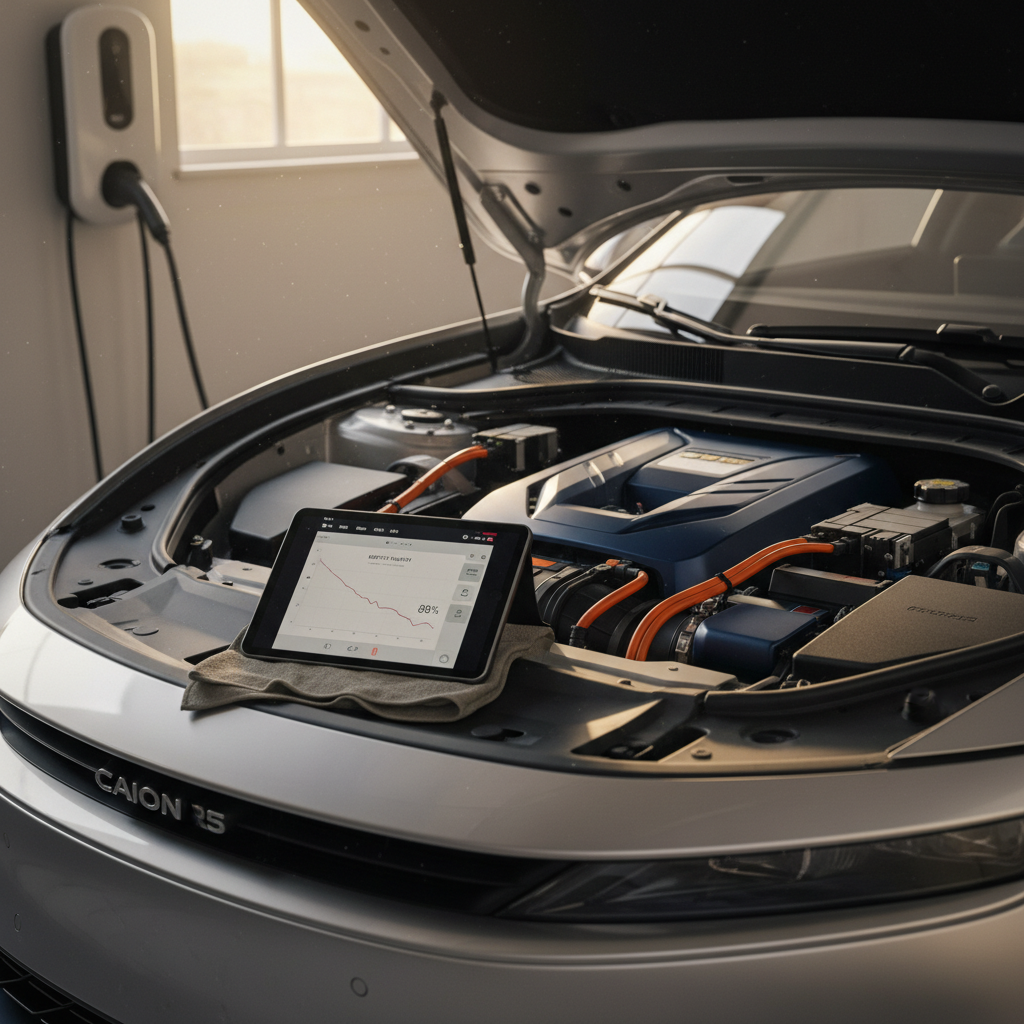
- EVs skip engine oil but rely heavily on healthy batteries and cooling systems.
- At Recharged, every used EV comes with a Recharged Score that shows verified battery health, mileage, and service history where available.
- That makes it easier to compare a well‑maintained EV with spotty records to one with a solid paper trail, and choose with confidence.
FAQ: Nissan 20,000-mile service
Frequently asked questions about Nissan’s 20,000-mile service
Bottom line: What you should actually do at 20,000 miles
Your Nissan’s 20,000‑mile service isn’t a mysterious, one‑size‑fits‑all package, it’s a mix of very normal maintenance jobs and some smart inspections timed for the age of the car. Focus on the essentials: fresh engine oil (for gas models), a brake fluid change if it’s due, tire rotation, and a careful look at brakes, suspension, and fuel and exhaust systems.
You can absolutely shop around, ask questions, and decline padded add‑ons without putting your car, or your warranty, at risk. Keep good records, treat the 20k visit as an investment in the car’s next 80,000 miles, and when you’re ready to move into a used EV, lean on tools like the Recharged Score Report so you can be just as confident about the next vehicle as you are about the one in your driveway today.