If you feel like every month brings another car logo you’ve never seen before, you’re not wrong. A wave of new automotive companies, most of them electric-first, are rewriting the rules of what a car is, how it’s built, and how you buy it. That’s exciting if you love tech, but it can be confusing when you’re just trying to figure out which EV will still make sense five or ten years from now.
The big shift
Why new automotive companies matter now
For most of the 20th century, getting into the car business was like trying to build your own moon program: brutally expensive and dominated by a handful of incumbents. What changed is that the car is now as much software and batteries as it is sheet metal. That has opened the door to new automotive companies that look and behave more like tech firms than old‑school automakers.
The new shape of the car industry
More choice, more homework
What counts as a “new automotive company”?
"New" doesn’t always mean a scrappy startup in a warehouse. Some new automotive companies are clean‑sheet brands, others are spin‑offs backed by deep-pocketed giants, and some are state‑supported projects designed to kick‑start regional EV industries.
Three flavors of new automotive companies
They may build cars, platforms, or only the software that glues it all together.
Pure EV startups
These are the companies that didn’t exist in the gas era.
- Clean‑sheet platforms
- Direct‑to‑consumer sales
- Often one hero product (a truck, a city car, a sporty crossover)
Spin‑offs & sub‑brands
Legacy automakers launching fresh badges to escape old baggage.
- Separate design language
- More software‑centric
- Targeted at new markets or price bands
Software & data natives
Companies that sell brains more than bodies.
- Autonomy stacks
- Connected‑car platforms
- Fleet & battery analytics
Look beyond the badge
Spotlight: EV‑first new automotive companies
A big share of new automotive companies are shaped around one thesis: the gasoline era is ending, and someone has to build the practical EVs that legacy brands are too slow, or too conservative, to attempt. Here are a few emblematic names that show where the market is headed.

- Slate Auto (US) – A startup based in Michigan, building the Slate Truck, a bare‑bones electric pickup you can convert into an SUV with a kit. Think analog controls, no giant touchscreen, and pricing aimed below many compact crossovers.
- Telo Trucks (US) – A California outfit working on the MT1, a pint‑sized electric pickup that’s city‑friendly but spec’d like a real truck. Its footprint is closer to an old compact than a modern full‑size rig.
- City‑EV projects like Olinia (Mexico) – State‑backed efforts to create ultra‑affordable electric city cars built locally, with small footprints and prices aimed at mass adoption rather than luxury margins.
Not all innovation is up‑market
Software-defined and AI-native car brands
The new sedan in your driveway may end up being less important than the software pipeline behind it. A growing group of new automotive companies doesn’t just build cars, they build software-defined vehicles, where features, performance, even safety systems evolve over time through updates.
Software‑first automakers
- Design vehicles around a central computing platform instead of dozens of separate controllers.
- Ship cars with hardware headroom, then unlock features over time.
- Rely heavily on over‑the‑air updates for bug fixes and new capabilities.
AI in the driver’s seat
- Use large AI models for driver‑assist, route planning, and energy management.
- Lean on simulation and digital twins to test features before they touch your car.
- Partner with cloud and data firms to ingest billions of miles of driving data.
Why this matters to you
The global wave: New automakers from Asia
If you zoom out, the new‑brand explosion is really an Asian story. Chinese and Southeast Asian companies, often with state support, moved aggressively into EVs years before many Western rivals. Today they’re exporting cars, platforms, and know‑how, while Japan and Korea spin up new series and sub‑brands to catch the same wave.
Examples of newer Asian EV‑focused brands
A sampling of companies illustrating how the new wave is not just Western startups.
| Brand / Project | Region | What’s new | US buyer impact |
|---|---|---|---|
| VinFast (VF series) | Vietnam / India | New EV brand building factories in India and Southeast Asia, focusing on premium electric SUVs. | Limited direct US presence so far, but may influence pricing pressure and technology expectations. |
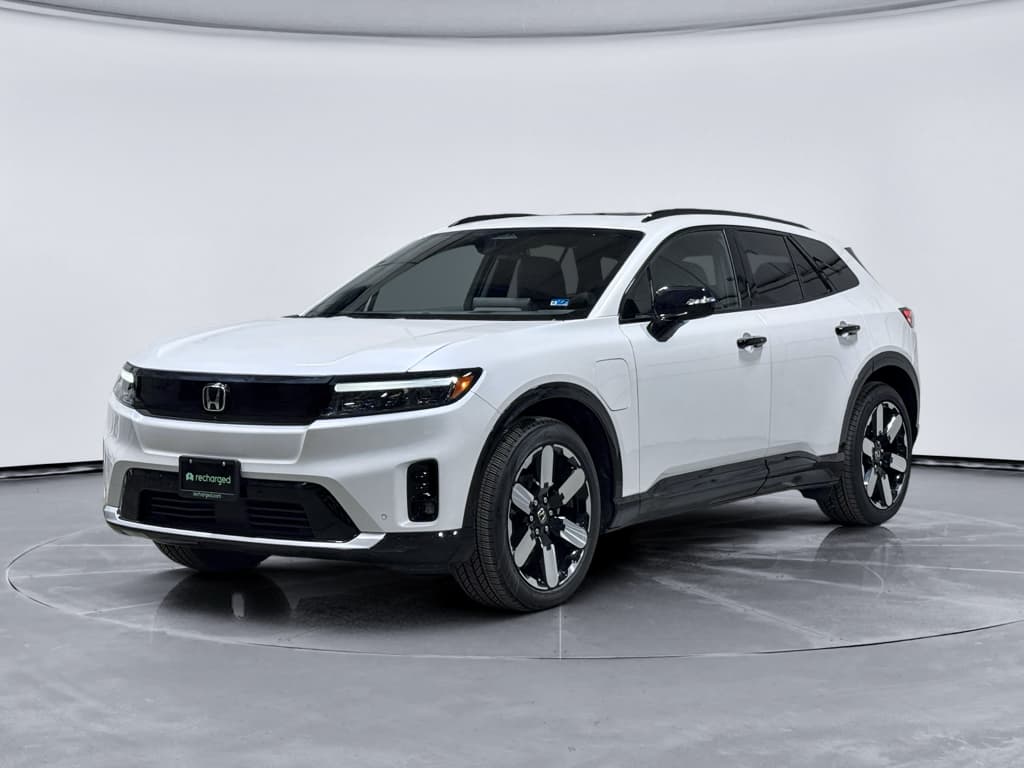
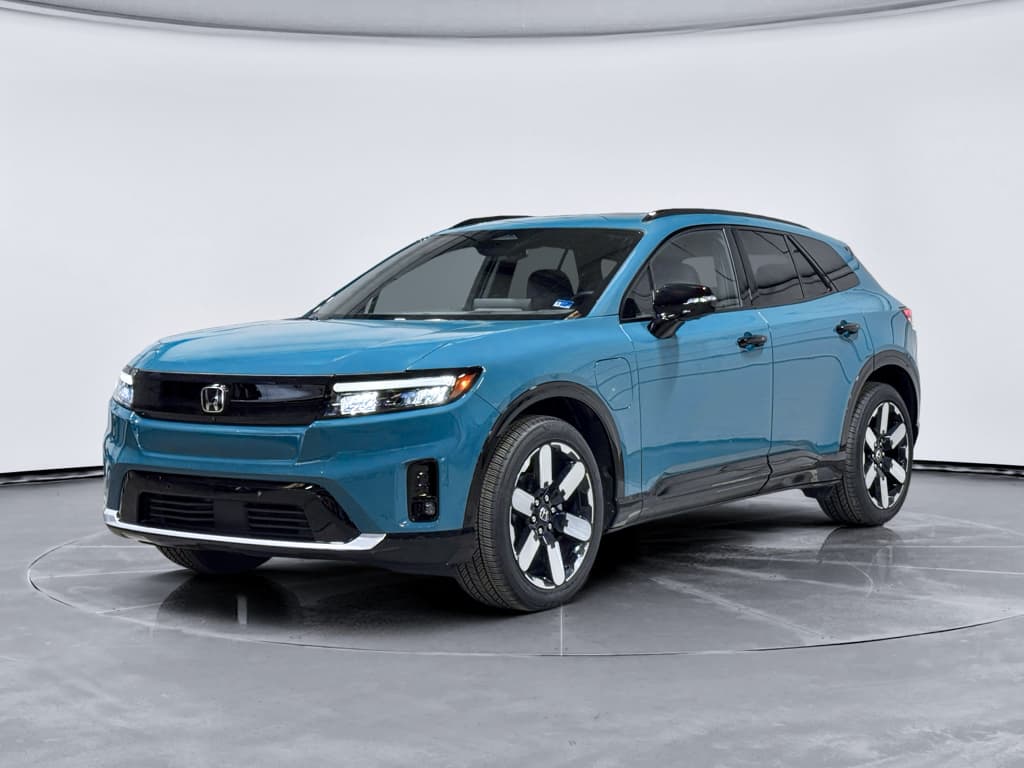
| Honda 0 (Zero Series) | Japan / US | Honda’s fresh electric line, debuting with a sedan and SUV designed from scratch as thin, light EVs. | Expected in North America around 2026; what they get right will filter quickly into the used market. |
| Leapmotor & peers | China / Europe | Younger Chinese brands using partnerships to enter Europe with value‑priced EVs. | Indirect pressure, if a $25k well‑equipped EV is normal in Europe, US drivers will eventually demand similar value. |
Not exhaustive, and availability in the US is limited by tariffs and policy, but these brands shape the global EV conversation.
Tariffs and politics are a wild card
How new automotive companies change the car-buying experience
Legacy automakers spent decades perfecting the ritual of haggling under fluorescent lights. New automotive companies are betting you’d rather never see a finance manager in a polo shirt again. They’re rebuilding the buying and ownership journey from first click to final trade‑in.
What feels different with new car companies
Less dealership, more device launch.
Digital‑first shopping
- Configuring your car feels like ordering a laptop.
- Transparent pricing and online deposits.
- Home delivery instead of lot wandering.
Subscription & bundles
- Insurance, connectivity and charging packages rolled into one payment.
- Features unlocked by subscription rather than trim levels.
Data‑driven support
- Apps that track battery health and usage.
- Predictive maintenance instead of arbitrary service intervals.
- Remote diagnostics before you even schedule a visit.
Where Recharged fits in
What this means if you’re shopping for a used EV
You might be reading about new automotive companies because they’re shiny and newsworthy. But the real question is: how does any of this help you pick a solid used EV today? The answer has less to do with hype and more to do with support, software, and batteries.
Upsides of young brands
- Tech‑forward features like long‑range batteries, faster charging, and modern driver‑assist, trickling down onto the used market quickly.
- Often better efficiency than legacy EV experiments, so you get more miles per kWh.
- Fresh designs that don’t scream “first‑generation science project.”
Risks to think through
- Will the company still be around in 8–10 years to supply parts?
- How dependent is the car on cloud services that could be shut off?
- Is there a strong service network in your area, or will every repair be a road trip?
How Recharged de‑risks newer brands
How to evaluate a new automotive brand like a pro
Whether you’re considering a brand‑new model or a two‑year‑old used EV from a little‑known badge, the playbook is the same: ignore the press shots, interrogate the fundamentals. Here’s a checklist you can actually use.
Checklist: Vetting a new automotive company
1. Follow the money
Who owns or backs the company, venture funds, a legacy automaker, or a national government? Backing can’t guarantee survival, but it dramatically changes the odds.
2. Study the factory, not the logo
Where are vehicles built, and by whom? A startup leasing capacity from an experienced contract manufacturer is very different from one still searching for a plant site.
3. Look at after‑sales support
Check where the nearest service center is, how parts are sourced, and whether independent EV shops are familiar with the brand.
4. Read the software fine print
Can key functions be bricked if you stop paying a subscription? Are critical features, like climate controls, tied to cloud services or just local hardware?
5. Research battery tech and warranty
What chemistry is used, what’s the usable capacity, and how is degradation handled under warranty? Battery health is the backbone of any EV purchase.
6. Check community and resale signals
Look for owner forums, mechanic chatter, and early resale values. A vocal owner base is often the first to surface hidden problems, or to confirm a car is quietly brilliant.
Don’t fall for version 1.0 FOMO
Future outlook: Which new car companies might endure?
No one can tell you exactly which new automotive companies will still be around in 2040. But you can make educated guesses by watching where the industry’s tectonic plates are moving: batteries, software platforms, and global scale.
Two likely paths for today’s new automotive companies
The survivors and consolidators
Have strong backing, deep software talent, and access to competitive batteries.
Build at least one globally competitive platform that can be shared across multiple models.
Either stay independent with profitable niches or become the tech spine inside bigger brands.
The acquired and the also‑rans
Struggle to scale production or control costs once incentives fade.
Get bought primarily for software, patents, or a loyal owner base.
Leave behind orphaned models that still need care on the used market.
The next decade of carmaking will look less like the 1950s and more like the smartphone wars, fast cycles, ecosystem lock‑ins, and a long tail of interesting but short‑lived brands.
For drivers, the practical takeaway is straightforward: you’re entering a market with more choice, more innovation, and more noise than ever before. If you’re shopping for an EV, especially a used one, treat every new badge as a question, not an answer. Ask who builds it, who will service it, and how well the battery and software will age. And lean on partners like Recharged that make the invisible parts of EV ownership, battery health, market pricing, long‑term support, visible before you sign anything.