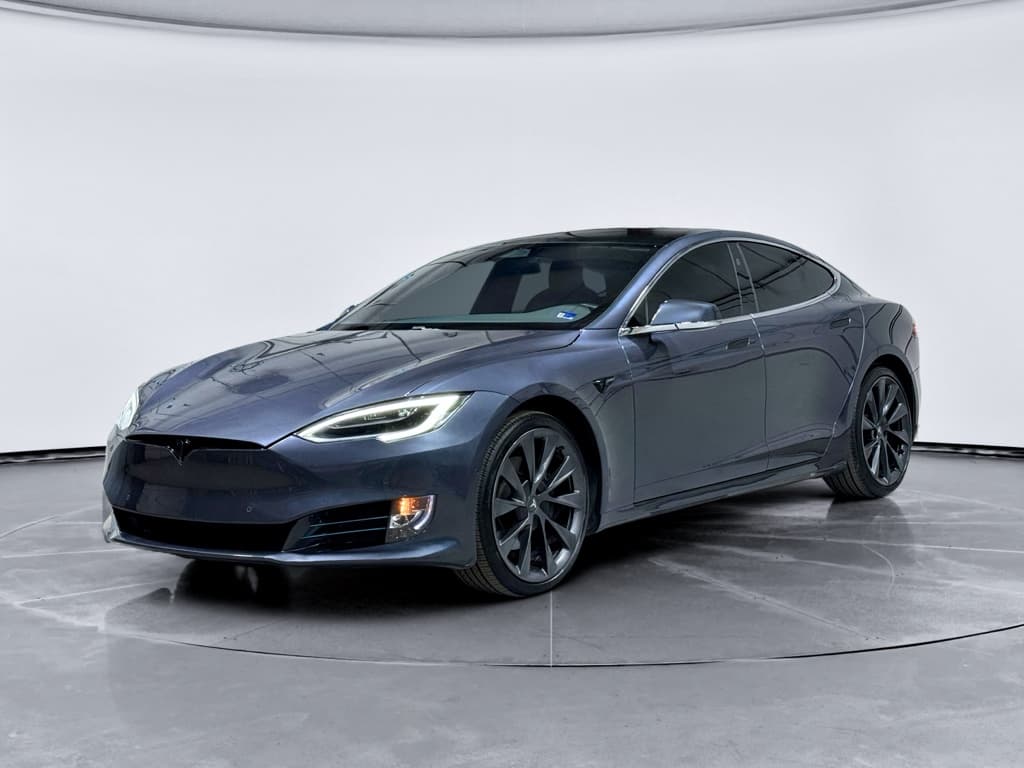
If you’re eyeing a Tesla Model S, especially on the used market, you’ve probably heard the warnings: great car, **hefty insurance bill**. Understanding your Tesla Model S insurance cost per month is just as important as knowing the purchase price, because insurance can quietly add hundreds of dollars to your budget every month.
Key takeaway
How much does Tesla Model S insurance cost per month?
Typical Tesla Model S insurance costs in 2026
Different data sources slice the numbers slightly differently, but they all agree on one thing: **the Model S is among the most expensive cars in the country to insure**. Recent insurer and rate‑comparison studies put annual Model S insurance around **$4,000–$5,000 per year**, roughly **$335–$420 per month** for a clean‑record driver with good credit buying full coverage. Some luxury‑trim or higher‑risk drivers can see **$500+ per month**.
Rates jumped in many states
Tesla Model S insurance costs by model year and trim
Insurers don’t just look at “Model S” as one vehicle. They price risk by **model year**, **trim**, and **sticker price**. A brand‑new Model S Plaid with a six‑figure MSRP is a very different risk than a nine‑year‑old, out‑of‑warranty 75D even though the badge is the same.
Illustrative monthly Model S insurance costs (2026 quotes)
These ballpark figures assume a 35‑year‑old driver, clean record, good credit, full coverage, and average‑cost suburban ZIP. Your actual rate can differ substantially.
| Model year & trim | Approx. vehicle value | Typical monthly premium | Why it prices this way |
|---|---|---|---|
| 2025–2026 Model S Long Range | $70,000–$80,000 | $360–$430 | High replacement cost, complex tech, but not quite Plaid‑level performance risk. |
| 2025–2026 Model S Plaid | $90,000–$110,000+ | $420–$520+ | Ultra‑high performance and a big battery push claims and repair costs up. |
| 2020–2022 Model S (various trims) | $40,000–$55,000 | $310–$390 | Still a relatively expensive luxury EV, but depreciation takes some pressure off rates. |
| 2016–2018 Model S | $20,000–$35,000 | $260–$340 | Lower cash value plus more options to carry lower comp/collision limits. |
| 2013–2015 Model S (high miles) | $12,000–$22,000 | $220–$310 | Older car with lower actual cash value, though repairs can still be pricey. |
Newer, more expensive trims like Plaid cost meaningfully more to insure than older, lower‑value used Model S examples.
Performance adds premium
Why is Tesla Model S insurance so expensive?
Four big reasons Model S insurance runs high
Understanding the “why” helps you find ways to push your rate back down.
1. It’s a high‑value luxury EV
2. Repairs and parts are costly
3. Advanced tech cuts both ways
4. EVs still price above gas cars
Leverage the safety story
What Model S owners actually pay per month
Published averages are useful, but they don’t tell you what happens when you plug your age, ZIP code, and driving record into a real quote form. Owner reports and rate comparisons show a wide spread, **from under $200 to nearly $600 per month** for a Model S, depending heavily on risk factors.
- A middle‑aged driver in a low‑theft suburb with a clean record can sometimes keep a used Model S in the **$220–$320/month** range.
- Urban drivers in high‑cost states like California, New York, or Florida commonly report **$350–$500/month** for full coverage.
- Younger drivers (under 25) or those with at‑fault accidents or tickets can easily see **$500+ per month** quotes, even on older Model S vehicles.
- Bundling home and auto, choosing a higher deductible, or logging strong telematics scores can trim **10–30%** off those numbers.
Don’t rely on someone else’s number
How used vs. new changes your insurance bill
One reason the used Tesla market has exploded is that you can get flagship‑EV performance for a fraction of the original MSRP. Insurance follows the same basic logic: **lower vehicle value usually means lower comprehensive and collision costs**, as long as you keep similar coverage limits.
New or nearly new Model S
- High replacement value: A 2025–2026 Model S can cost two to three times as much to buy as a 2016–2017 car, and insurance has to match that exposure.
- Loan or lease requirements: Lenders typically require low deductibles and full coverage, which pushes the monthly premium up.
- More at stake in a total loss: Insurers price for the possibility of writing a large six‑figure check if your new Plaid gets totaled.
Older, used Model S
- Lower actual cash value: A seven‑ or ten‑year‑old Model S is often less expensive to insure simply because it’s cheaper to replace.
- More flexibility on coverage: If you own the car outright, you control how high your deductibles are, and whether you keep comp and collision at all.
- Repairs still pricey: Don’t assume rock‑bottom premiums. Parts and labor are still costly, even if the car has depreciated.
Used can rebalance your budget

Ways to lower your Tesla Model S insurance cost per month
High‑impact strategies to cut your premium
You can’t change that a Model S is a luxury EV, but you can influence what you pay to insure it.
1. Adjust coverage & deductibles
2. Be smart about garaging
3. Bundle and shop around
4. Use telematics / safe‑driver programs
5. Fine‑tune liability limits
6. Add experienced drivers, not risky ones
Don’t forget EV‑specific discounts
How Tesla Insurance compares to traditional insurers
In some states, you’ll see **Tesla Insurance** show up alongside big national brands. Tesla uses your driving data (hard braking, following distance, etc.) to generate a “safety score,” and then prices your insurance accordingly. Traditional insurers lean more on your history, credit, and broad risk models.
Tesla Insurance (where available)
- Pros: Often competitive on Teslas, especially for drivers with excellent safety scores; tight integration with the car; transparent breakdown of how your driving affects price.
- Cons: Availability limited by state; premiums can fluctuate if your safety score drops; some drivers prefer not to share detailed telematics data on every trip.
Traditional insurers
- Pros: Nationwide availability; bundling discounts with home/umbrella; more predictable renewal process in some markets.
- Cons: Some carriers still price Teslas conservatively, leading to higher quotes than Tesla Insurance or EV‑focused competitors.
Try both if you can
Insurance and your total cost of ownership
EVs like the Model S can be cheaper to run day‑to‑day than comparable gas cars thanks to lower fuel and maintenance costs. But higher insurance premiums can eat into those savings. When you budget, think in terms of **total cost of ownership**: payment, insurance, charging, maintenance, and taxes, not just the sale price.
Where insurance fits in your EV budget
Why used can make sense
Checklist: insurance steps before you buy a used Model S
Before you sign for that Model S, do this
1. Get at least three real quotes
Use the specific VINs of the cars you’re considering and quote the same coverage limits with **three or more insurers**. This is the fastest way to understand your realistic Tesla Model S insurance cost per month.
2. Decide on your deductible strategy
Ask yourself how much you’re comfortable paying out of pocket after an accident. Moving from a $500 to a $1,000 deductible can drop premiums, but only if that $1,000 is truly affordable in an emergency.
3. Verify safety and anti‑theft features
Confirm that your quote accurately lists features like automatic emergency braking, lane‑keeping assist, and tracking/immobilization. These can unlock discounts when correctly coded.
4. Check your credit and driving record
In most states, credit‑based scores and violation history matter. Clearing old tickets, completing a defensive‑driving course, or correcting errors on your report can pay off at renewal.
5. Ask about EV‑specific discounts
Some carriers quietly offer lower rates for EVs, telematics participation, or low annual mileage. Ask directly which discounts apply to a used Model S in your ZIP code.
6. Align financing and insurance terms
If you’re financing, your lender may require certain coverage levels. Coordinate your **loan pre‑approval** and insurance quotes so you know the true monthly cost before you commit.
Where Recharged fits in
FAQ: Tesla Model S insurance
Tesla Model S insurance: common questions
The Tesla Model S delivers range, performance, and refinement that still feel ahead of the pack, but those strengths come with insurance costs that demand respect. If you go in with realistic expectations about your **Tesla Model S insurance cost per month**, shop multiple carriers, and choose the right used car and coverage structure, you can keep your premium in line with the rest of your budget. When you’re ready to explore used Model S options, working with an EV‑focused retailer like Recharged helps you see the whole picture, battery health, fair pricing, financing, and ongoing costs like insurance, before you ever sign on the dotted line.