If you’re hunting for the most reliable used electric car by brand, you’ve probably noticed something: the answers aren’t as simple as “just buy a Toyota.” With EVs, long‑term reliability has as much to do with battery health, software, and early recalls as it does with the logo on the hood. The good news is that certain brands and models have already proven they age far better than others, and you can use that to your advantage when you shop.
What this guide covers
Why brand matters less, and more, with used EVs
On gas cars, brand reputation is a strong shorthand for reliability. With EVs, it’s only half the story. Two owners can drive the same brand for 8 years and end up with wildly different results depending on climate, fast‑charging habits, and whether early recalls were handled correctly. That said, some manufacturers clearly engineered their batteries, cooling systems, and power electronics more conservatively, those brands see fewer serious issues as their cars age.
- Battery thermal management (how well the pack is cooled and heated) heavily influences long‑term range and degradation.
- Software maturity affects everything from charging behavior to phantom battery drain.
- Early‑run defects and recalls can define a model’s reputation for years, think Chevy Bolt battery recalls or Hyundai ICCU issues.
- Brand‑wide engineering philosophy (aggressive range vs. conservative durability) shows up plainly in used‑market reliability.
Don’t shop on brand name alone
How we evaluated the most reliable used EV brands
To build a realistic picture of used EV reliability by brand, you have to look beyond glossy marketing promises. This guide blends owner‑reported reliability data, recall history, and real‑world battery behavior across popular models sold in North America.
Inputs we considered
What actually predicts a reliable used EV
Independent reliability surveys
Warranty & recall history
Real‑world battery health
Finally, we layer on what we see every day at Recharged, where every vehicle gets a Recharged Score with a deep‑dive battery health scan and pricing benchmarked against actual market performance. That boots‑on‑the‑ground view often confirms what the spreadsheets suggest.
Most reliable used EV brands at a glance
Used EV reliability: brand snapshot
Start with a brand short list, then zoom in
Tesla used reliability: the benchmark, with caveats
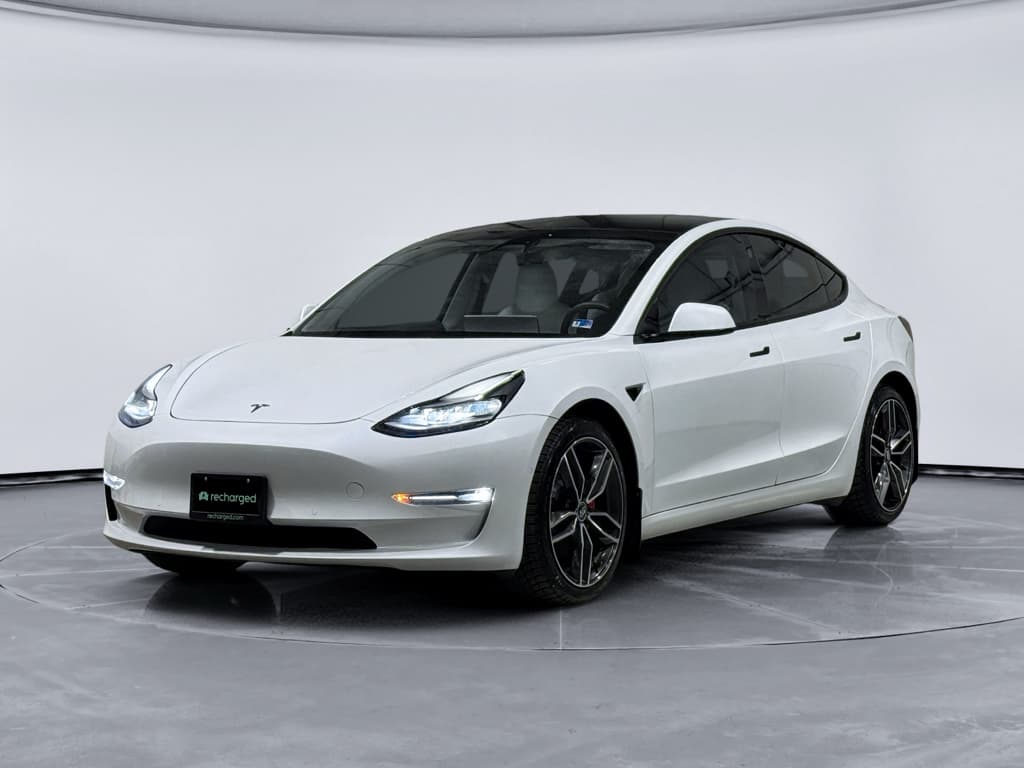
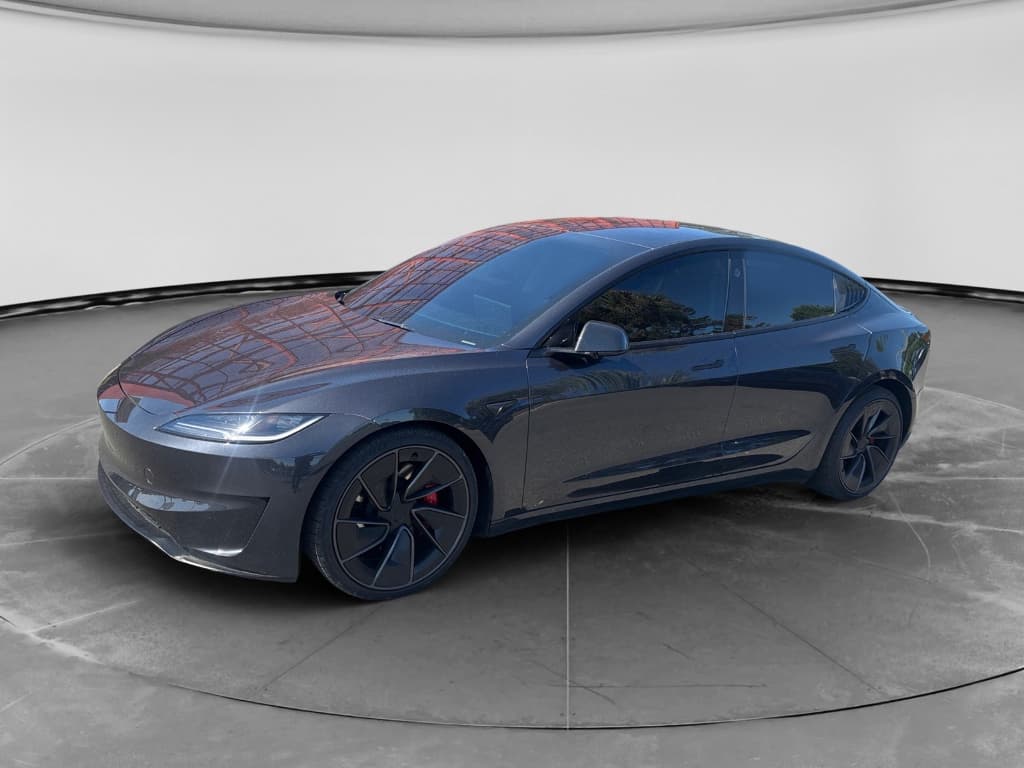
For many shoppers, the most reliable used electric car by brand conversation starts with Tesla. Their battery and motor tech has matured over more than a decade, and most Model 3 and Model Y vehicles show modest degradation when reasonably cared for. Software issues and fit‑and‑finish quirks pop up, but they’re rarely deal‑breakers on the used market.
Tesla used models: reliability highlights
How Tesla’s major models tend to age in the real world
| Model | Typical strengths | Common watch‑outs | Best used‑buy sweet spot |
|---|---|---|---|
| Model 3 | Efficient drivetrain, good DC‑fast‑charging performance, strong Supercharger access. | Interior squeaks/rattles, occasional infotainment glitches, alignment and tire‑wear issues. | 2019–2022, ideally with service history and no accident damage. |
| Model Y | Similar tech to Model 3, practical shape, robust battery behavior in most climates. | Wind noise, panel alignment, some suspension clunks on rough roads. | 2020–2023 with clean history; Performance trims checked for wheel/tire damage. |
| Model S/X (older) | Big packs can age well, many still have solid range. | Air‑suspension repairs, MCU/electronics issues; out‑of‑warranty repairs can be expensive. | Later refresh years with documented service; avoid neglected early cars unless deeply discounted. |
Battery condition still varies car by car, but this gives you a brand‑level starting point.
Why repair costs matter with Tesla
If you value road‑trip flexibility and long‑term driveline durability, Tesla sits firmly in the top tier. Just remember you’re buying into an ecosystem as much as a car: software updates, app‑based controls, and over‑the‑air fixes are part of the reliability story here.
Nissan used EVs: Leaf and Ariya
Nissan is a tale of two eras. Early Nissan Leafs proved an EV could be simple and dependable, but the air‑cooled battery packs were vulnerable to heat. Newer Leafs and the Nissan Ariya benefit from improved battery chemistry and, in Ariya’s case, liquid cooling, putting modern Nissans in a much stronger spot on the used‑reliability ladder.
Leaf: know your battery and climate
- 2011–2016 Leafs in hot climates (think Arizona, Texas, inland California) often show significant range loss.
- Later Leafs with larger packs (40–62 kWh) fare better, especially in milder climates and with home charging.
- Simple drivetrains and few complex options mean fewer mechanical surprises beyond the battery.
Ariya: promising newer option
- Liquid‑cooled pack and conservative tuning suggest good long‑term durability.
- Owners report stable range and few high‑voltage issues so far.
- Still newer in the used market, so prioritize warranty coverage and verified battery health.
Leaf rule of thumb
Hyundai and Kia used EVs: strong but watch for recalls
On paper, Hyundai and Kia offer some of the best‑engineered, most efficient EVs on the road. Models like the Kona Electric, Niro EV, Ioniq 5, and EV6 pair conservative battery management with long factory warranties, great ingredients for a reliable used EV. Early on, though, both brands were hit with battery‑related recalls and, more recently, failures of the Integrated Charging Control Unit (ICCU) on some models, which could cause sudden power loss if not repaired.
Hyundai & Kia used EVs: what to like, what to verify
Why these brands land near the top, but require recall diligence.
| Brand / model | Reliability upside | Key watch‑outs | Used‑market guidance |
|---|---|---|---|
| Hyundai Kona Electric | Efficient, compact, relatively simple hardware; strong range for size. | Battery recalls on some early packs; ICCU failures on certain years if not addressed. | Post‑recall vehicles with documented pack replacement or inspection are solid used buys. |
| Hyundai Ioniq 5 | 800‑V architecture, fast charging, comfortable highway manners. | ICCU and charging‑system recalls; some early software quirks. | Focus on 2022+ with full recall history and plenty of battery warranty left. |
| Kia Niro EV | Conservative tuning, practical shape, good real‑world efficiency. | Occasional onboard charger/charging‑port issues; infotainment glitches. | Well‑maintained Niros with service records are among the safest used EV bets. |
| Kia EV6 | Shares tech with Ioniq 5, but sportier tuning. | Same ICCU/charging‑system themes; check for crash or wheel damage on performance trims. | Look for clean‑title cars with completed recalls and no fast‑charge abuse. |
Always confirm recall completion and software updates on any used Hyundai or Kia EV.
Why Hyundai/Kia still rank high
GM: Chevy Bolt EV/EUV and others
General Motors’ EV reputation in the U.S. largely rises and falls with the Chevy Bolt EV and EUV. Early on, the Bolt was lauded for efficiency and value, then hit by a high‑profile battery‑fire recall that led to widespread pack replacements. The result is a used EV that you should approach with questions, but not necessarily avoid.
Why Bolts can be a smart used buy
- Many affected cars received brand‑new battery packs under recall, effectively resetting pack age.
- Simple, efficient drivetrain with few moving parts; plenty of real‑world data on long‑term performance.
- Prices often undercut comparable‑range rivals, especially in the hatchback EV space.
What to check carefully
- Confirm recall completion and whether the pack was repaired or fully replaced.
- Review charge limits; some owners kept conservative settings after the recall, good for longevity.
- Interior wear and previous rental or fleet use can be more of a concern than the EV hardware itself.
Be cautious with first‑gen, low‑volume EVs
Ford, VW, BMW and other notable brands
A handful of other brands have quickly become important players in the used EV market, each with a different reliability story. In most cases, the battery and powertrain hold up well; the headaches, when they appear, come from software, infotainment, or early‑build glitches.
Brand‑by‑brand reliability notes
How key non‑Tesla brands stack up on the used market
Ford (Mustang Mach‑E, F‑150 Lightning)
- Mach‑E has seen software and charging‑system recalls, but the core battery/motor tech is solid.
- Later‑build cars with updated software and completed recalls are safer picks.
- Lightning is newer and more complex, prioritize warranty coverage and service access.
Volkswagen (ID.4)
- ID.4 offers a well‑rounded package; owners report average or better battery behavior.
- Some early cars had software bugs and infotainment issues; many were cured by updates.
- A 2021–2023 ID.4 with updated software and clean history can be a strong family EV value.
BMW (i3, i4, iX)
- BMW’s EVs generally post average‑or‑better reliability scores, especially on the battery side.
- i3s age well when maintained; carbon‑fiber body and unique parts can raise repair costs.
- Newer i4 and iX are still maturing in the used market; focus on dealer service history.
Don’t forget service ecosystem
Brand vs. battery health: what matters more?
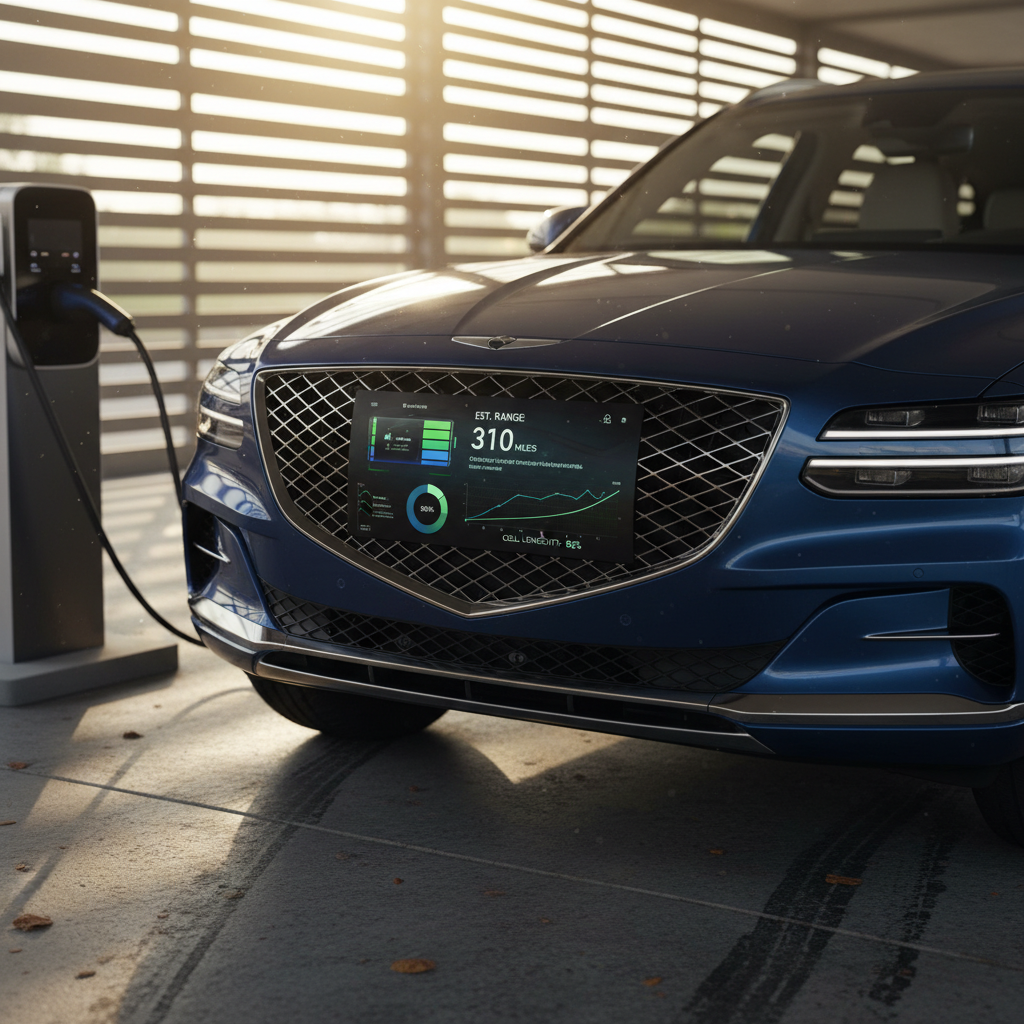
So which matters more, the badge or the battery? On used EVs, battery health wins every time. A perfectly maintained Nissan, Ford, or Chevy with a strong pack is a better bet than a name‑brand Tesla or BMW whose battery has been fast‑charged hard and frequently left at 100% in the sun.
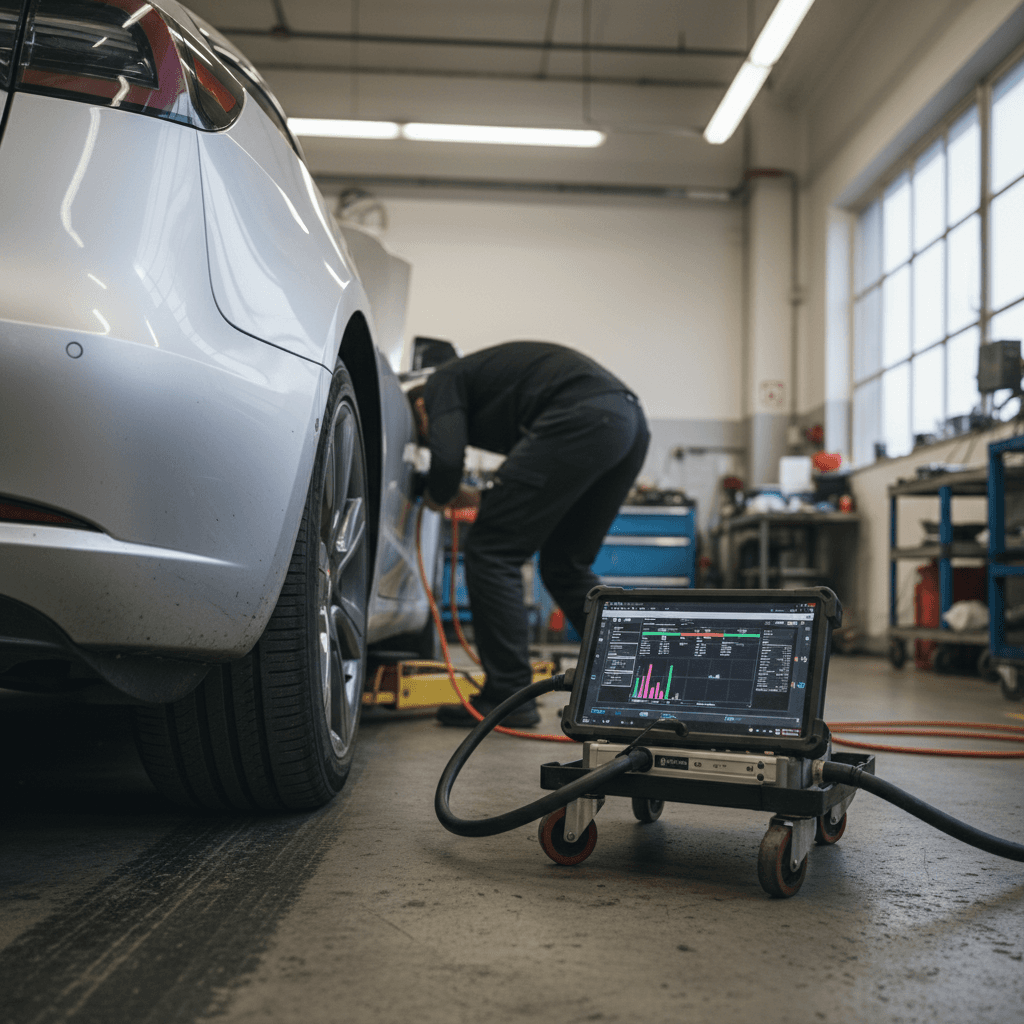
- State of health (SoH) describes how much usable capacity the pack retains versus new, this directly affects range.
- Charging history (especially frequent DC fast charging to 100%) can accelerate wear, particularly in hot climates.
- Thermal management varies by brand, but even good systems can’t undo years of abusive charging habits.
- Software estimates in the dash are only that, estimates. A third‑party health scan gives you a clearer view.
How Recharged reduces the guesswork
Ready to find your next EV?
Browse VehiclesUsed EV reliability checklist before you buy
Whether you’re leaning toward Tesla, Hyundai/Kia, Nissan, or another brand, you can dramatically increase your odds of landing a reliable used EV by following a simple, structured process. Treat this like a pre‑flight checklist before you sign anything.
10‑point used EV reliability checklist
1. Verify battery health objectively
Ask for a recent battery health report, ideally from an independent tool, not just the dash guess. On Recharged listings, this is built into the Recharged Score so you can compare cars on more than just odometer readings.
2. Confirm recall and campaign completion
Look up VIN‑specific recall history and ensure battery, charging‑system, and software recalls are complete. This is especially important for Chevy Bolts and many Hyundai/Kia and Ford models.
3. Check remaining factory battery warranty
Most EVs carry 8‑year/100,000‑mile (or similar) battery warranties. A car with several years of coverage left gives you an extra reliability safety net.
4. Review charging behavior and history
Ask how the car was charged, mostly at home on Level 2, or almost exclusively on DC fast chargers? Frequent fast charging in hot climates can age packs faster.
5. Inspect tires and suspension for abuse
Heavy, torquey EVs are tough on tires and suspension. Uneven tire wear or clunks over bumps can hint at hard driving or alignment issues, especially on performance trims.
6. Test all charging ports and cables
Plug into both Level 2 and, if possible, DC fast chargers to ensure the car charges reliably and at expected speeds. A flaky charge port can be an expensive annoyance.
7. Evaluate software and infotainment behavior
During your test drive, check for laggy screens, random reboots, or disabled driver‑assist features. Some issues are fixed with updates; others signal deeper electronics problems.
8. Look for flood or collision history
Obtain a vehicle history report and inspect under‑car components. High‑voltage systems don’t always tolerate poor collision or flood repairs gracefully.
9. Match real‑world range to your needs
On a full or near‑full charge, confirm the indicated range and compare it to your daily driving. Don’t assume EPA numbers; buy based on what the car can do today.
10. Consider who’s backing the sale
Buying from a seller that specializes in EVs, and stands behind battery health, like Recharged, reduces your risk. Private‑party bargains can be fine, but you’re assuming more of the diagnostic work yourself.
FAQ: most reliable used electric car by brand
Frequently asked questions about reliable used EV brands
Bottom line: choose the right used EV for you
When you ask which is the most reliable used electric car by brand, you’re really asking two questions: which manufacturers engineered durable EVs, and which individual cars were treated kindly by their first owners. Brands like Tesla, Hyundai, Kia, Nissan, BMW, Ford, VW, and GM have all built models that can serve reliably for years, but only if the battery is healthy, recalls are complete, and the car fits how you actually drive.
If you’d rather not decode all of that on your own, platforms like Recharged are designed for exactly this problem. Every used EV comes with a Recharged Score battery‑health report, fair‑market pricing, and EV‑specialist support from first click to final delivery. That way, you’re not just buying a brand name, you’re buying verified reliability backed by data.