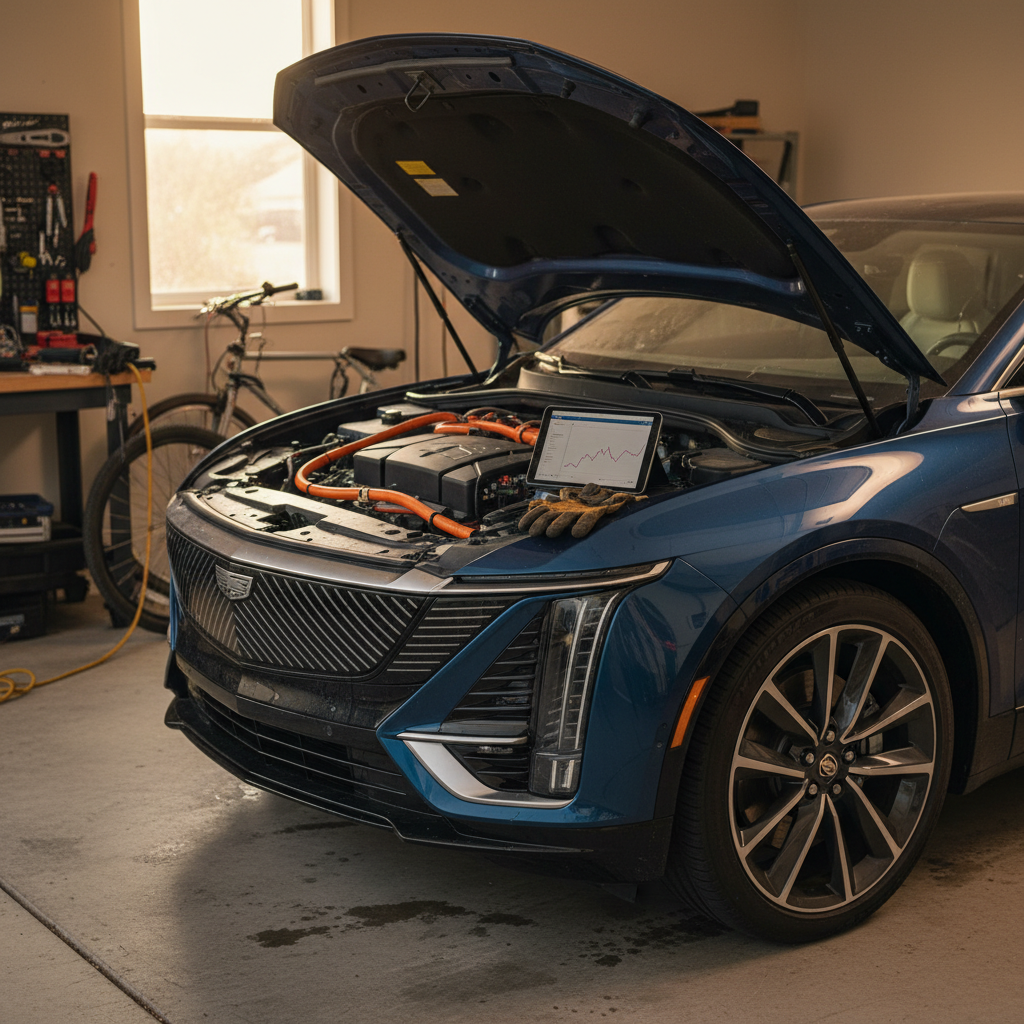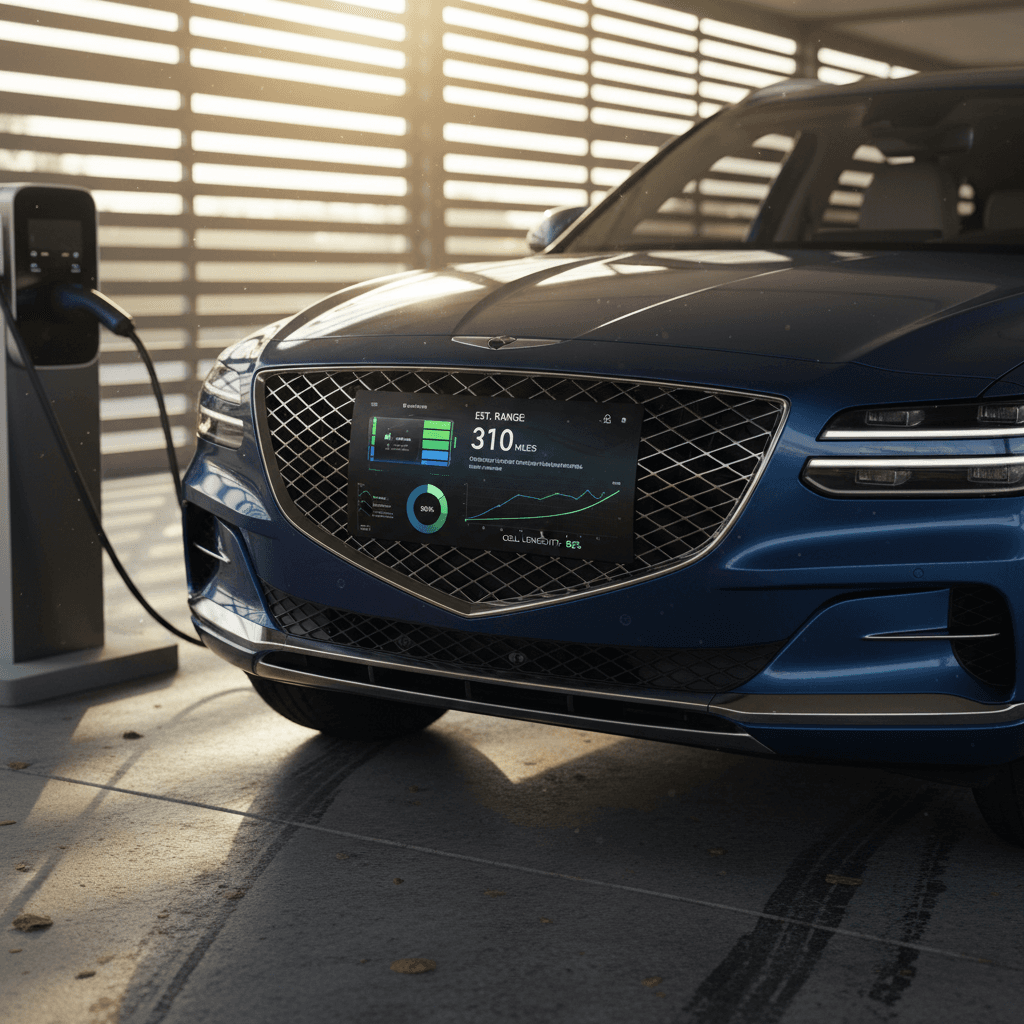
The Genesis Electrified GV70 is a quietly outrageous idea: a 5,000‑pound luxury SUV that does 0–60 in the mid‑4s and still claims well over 230 miles of range from its roughly 84 kWh battery. That performance only stays magical, though, if you treat the pack kindly. In this guide, we’ll walk through how to maximize battery life and real‑world range in your Genesis GV70 Electrified, whether you just drove it off the lot or you’re shopping used with an eye on long‑term health.
The short version
Why battery care matters in the Electrified GV70
The Electrified GV70’s high‑voltage pack is the single most expensive component in the vehicle. Genesis backs it with a long battery warranty (typically around 8–10 years or 100,000 miles in the U.S.), but that doesn’t mean all batteries age the same. How you charge, how you drive, and even where you park can be the difference between losing just a few percent of capacity after many years, or watching your range collapse before you’re done making payments.
- Battery degradation is normal, but you can slow it down a lot.
- High temperatures, high state of charge, and repeated hard fast charging are the main long‑term stressors.
- Gentle daily use and smart charging can keep the GV70 feeling strong into six‑figure mileage, which matters even more if you plan to sell or trade it later.
Think like an owner and a future seller
Know your Electrified GV70 battery and range
Electrified GV70 battery & range at a glance
Genesis uses a high‑energy lithium‑ion battery similar to what you’ll find in other Hyundai‑Kia EVs. It’s designed to tolerate ultra‑fast DC charging and hard acceleration, but it’s still bound by chemistry. High voltage and high heat accelerate wear. That’s why your GV70 Electrified comes with charge‑limit settings, battery temperature management, and drive modes: they’re not just toys, they’re tools to stretch the pack’s usable life.
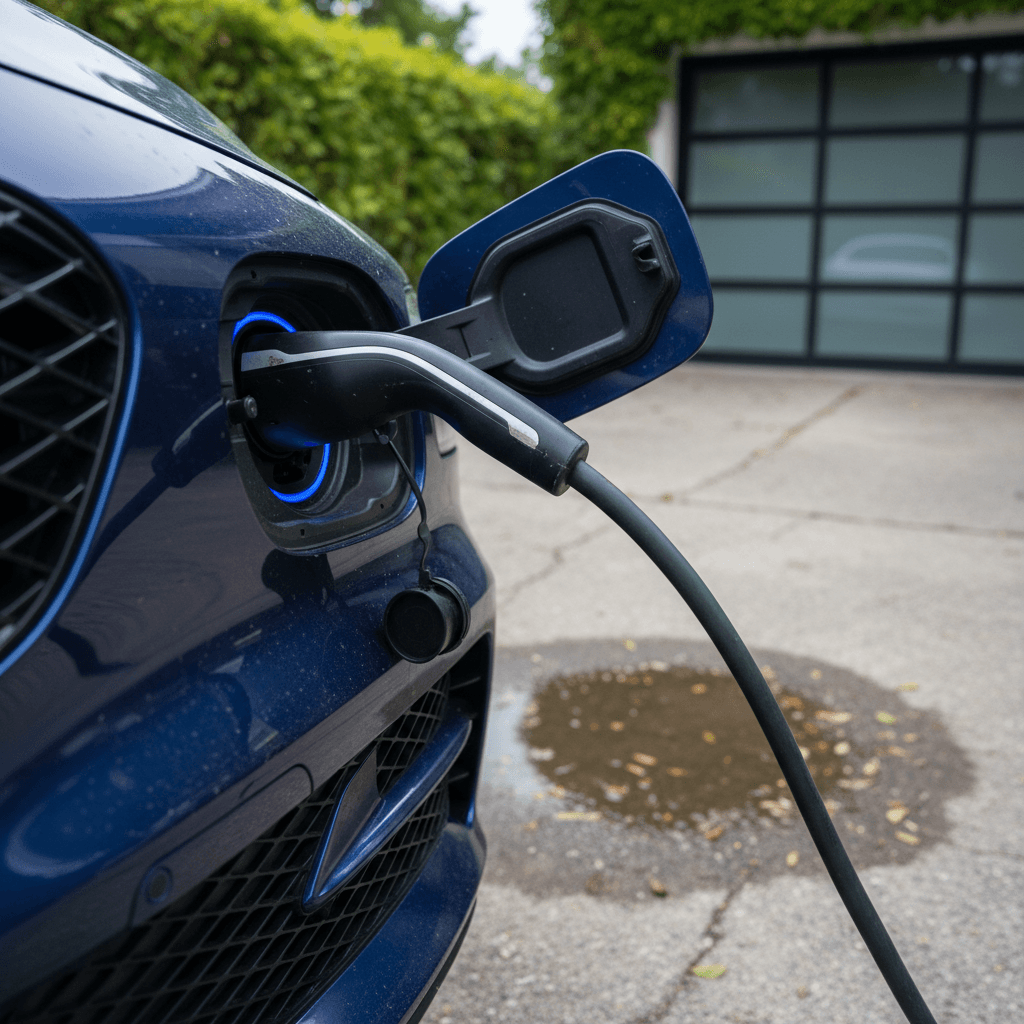
Smart daily charging habits for maximum battery life
If you remember nothing else, remember this: how high you charge, how low you run, and how often you plug in are the levers you control every day. Set those up correctly and you’ve already won 80% of the battle.
Daily charging rules of thumb for the Electrified GV70
Simple habits that quietly add years of healthy battery life
1. Aim for 20–80% most days
For commuting and errands, set your charge limit to 80% (90% if you need a little more buffer) and try not to let the pack routinely fall below about 10–20%.
This keeps the cells away from the extremes where long‑term chemical stress is highest.
2. Schedule charging to finish before departure
Use scheduled charging so the car reaches your target state of charge just before you leave in the morning.
That way the battery spends less time sitting at a higher charge level, and it’s already at a good temperature for efficiency and performance.
3. Prefer Level 2 over DC fast
Level 2 (240V) charging in your garage or at work is gentler on the pack than frequent ultra‑fast DC sessions.
Use DC fast charging as a tool for trips, not as a daily habit, unless you truly have no other option.
Don’t obsess over perfection
Suggested charge limits for common GV70 Electrified use cases
These are conservative targets meant to balance convenience with long‑term battery health.
| Use case | Suggested daily limit | When to go to 100% | Notes |
|---|---|---|---|
| Short commute (<40 miles/day) | 70–80% | Rarely; maybe once a month | Plenty of margin; you can be aggressive about staying in the middle of the pack. |
| Moderate commute (40–90 miles/day) | 80–90% | On days you know you’ll drive farther | Let the car sit below 90% when parked for long stretches. |
| Frequent road trips | 80–90% at home; 80% at DC fast | Charge to 100% right before a long leg | Use 100% as a tactical move: arrive low, charge just before departure, hit the road. |
| No home charging (public only) | 80–90% | As needed to reduce stops | You’ll lean on DC fast more, counterbalance with gentler driving and avoiding extremes when possible. |
Adjust your upper limit on days when you need extra highway range; just avoid parking at 100% for long periods.
How to use DC fast charging without killing the pack
One of the Electrified GV70’s party tricks is 10–80% charges in roughly 18–20 minutes on a 350 kW station when conditions are right. That doesn’t mean you should treat every coffee stop like a Top Fuel pit lane. Done carelessly, frequent ultra‑fast charging can age the battery faster; done wisely, it’s just another arrow in your quiver.
Fast‑charging: the DOs
- Arrive in the 10–30% range when possible; this is where the GV70 pulls maximum power and tapers more gently.
- Use battery preconditioning (via navigation) before a high‑power station so the pack reaches the right temperature.
- Stop around 70–80% on road trips instead of waiting for the last few slow percent to trickle in.
- Move once you’re above 80% if someone’s waiting; it’s better etiquette and reduces high‑SOC stress.
Fast‑charging: the DON’Ts
- Don’t fast‑charge from 0–100% habitually. Save full charges for days you truly need maximum range.
- Don’t leave the car sitting at 100% in summer heat after a fast charge, drive soon after you’re topped up.
- Don’t chase the highest advertised kW if the battery is very cold or very hot; the car will protect itself, but you’re still stressing the pack.
- Don’t ignore the charging curve: the last 10–20% always slows; your time and your battery are usually happier if you unplug earlier.
Plan the day, not just the stop
Driving modes and habits that help or hurt the battery
Battery life isn’t just about plugs and kilowatts; it’s also about how hard you ask the pack to work. The Electrified GV70 will happily deploy all its Boost‑mode thrust over and over, but if you live in full‑send mode, don’t be surprised when long‑term range slips a bit faster.
How your driving style affects GV70 Electrified battery life
Same battery, three different owners, three very different outcomes
Smooth & efficient
Owner A uses Eco or Normal most of the time, sets strong regen, and accelerates briskly but not violently.
Result: lower pack temperatures, less current draw, and slower long‑term degradation.
Real‑world spirited
Owner B mostly drives in Normal, uses Boost occasionally, and sticks near the speed limit on the highway.
Result: still healthy battery life, with only slightly more wear than the efficiency nerd.
Track‑mode fantasy
Owner C drives in Sport all the time, launches at every light, sits at 85–90 mph on the interstate.
Result: more heat, more stress, and faster degradation, even if they charge "correctly."
Heat is the unseen villain
- Use Eco or Normal around town; save Sport and Boost for when you’ll actually enjoy them.
- Lean on regen instead of friction brakes by using higher regenerative settings when traffic allows.
- On long highway drives, consider 5–10 mph under the fastest flow of traffic; aero drag is brutal at SUV ride heights.
- Keep your tires properly inflated; under‑inflation quietly kills both range and sidewalls.
Climate control, preconditioning, and weather impacts
Weather is the silent third party in your relationship with the Electrified GV70’s battery. Cold reduces immediate range and charging speed; heat accelerates chemical aging. Genesis gives you tools, preconditioning, scheduled climate, seat and wheel heaters, to fight back without abusing the pack.
In winter
- Pre‑heat while plugged in so the cabin and battery are warmed on shore power, not from the pack.
- Use seat and wheel heaters aggressively; they sip power compared to cranking cabin air to 80°F.
- Expect slower DC charging until the pack warms; don’t panic if early‑session kW is lower than the sign says.
- If possible, park indoors or at least out of the wind; even a carport helps.
In summer
- Avoid leaving the car at 95–100% in direct sun for hours; if you must charge that high, time it to finish near departure.
- Use cabin pre‑cooling while plugged in at home or work so you’re not blasting the A/C at full tilt from battery power.
- Crack the windows or use ventilation features when safely parked to reduce interior heat soak.
- On road trips, consider slightly lower sustained speeds in brutal heat; your pack and tires will thank you.
Let the car manage itself, mostly
Parking, storage, and long-trip strategies
Most GV70 packs aren’t worn out on the highway; they’re worn out in driveways, parking lots, and airport garages where the car sits for days at the wrong state of charge and temperature. A few small adjustments here can deliver outsized benefits to long‑term battery life.
Parking & storage best practices for the Electrified GV70
1. Park in the shade when you can
Even a tree or multi‑story garage can knock cabin and battery temperatures down meaningfully in summer. Less heat means slower aging.
2. Don’t store the car at 100%
If you’re leaving the GV70 for several days, aim to park it around <strong>40–60%</strong>, not fresh off a full charge. The mid‑pack is the battery’s comfort zone.
3. For long airport parking, go mid‑pack
Before a week‑long trip, charge to 60–70% and disable any always‑on features you don’t need. You’ll lose a few percent to standby drain, but the pack will be happier than sitting at the top or bottom.
4. Move the car occasionally for very long storage
If you’re not driving the GV70 for a month or more, take it for a short spin every few weeks and keep it between roughly 30–70%.
5. Avoid leaving it at 0%
If you arrive home with the pack nearly empty, plug in soon. Letting the car sit at or near 0% for days is harder on the cells than briefly touching 100%.
Monitoring battery health in a new or used Electrified GV70
Unlike a smartphone, your GV70 Electrified doesn’t show battery “health” as a simple percentage, so you have to read between the lines. That matters whether you’re the first owner or you’re eyeing a used one on the lot.
- Watch how your full‑charge range estimate changes over time in similar weather and driving patterns. A slow, single‑digit decline over many years is normal.
- Pay attention to DC fast‑charge behavior: if it used to pull strong power to 60–70% and now gives up early in similar conditions, that can be a sign of aging or just colder temps.
- Listen for warnings or power‑limit messages; your Genesis will generally tell you if something is significantly out of spec.
Shopping used? Get objective battery data
Checklist: Daily, weekly, and occasional habits
A simple battery‑friendly routine for your Electrified GV70
Everyday habits
Set your charge limit to around <strong>80%</strong> (or 90% if your commute demands it).
Use <strong>Eco or Normal</strong> as your default drive mode; save Sport/Boost for fun moments.
Rely on <strong>Level 2 charging</strong> at home or work when available, not DC fast.
Pre‑condition the cabin while plugged in on very hot or cold days.
Park in the <strong>shade or indoors</strong> whenever it’s practical.
Weekly habits
Glance at your <strong>tire pressures</strong>; adjust if needed for efficiency and safety.
Look at your typical arrival SOC: if you’re ending each day with 50–60%, consider lowering your charge limit a bit.
Review your energy consumption screen to see how climate and driving style are affecting range.
If you’ve been using only surface‑level charge swings (say 40–60%), allow at least one <strong>deeper cycle</strong> occasionally so the BMS can recalibrate.
Occasional habits (monthly/seasonal)
Charge to <strong>100%</strong> before an actual long drive, not just because it feels good to see three digits.
On a cool morning, take a long highway run from a higher state of charge down to somewhere in the 10–20% range to give the BMS a good dataset for estimating capacity.
Before summer and winter, update any scheduled charging and climate routines to match new departure times and temperatures.
If you notice a <strong>sharp drop</strong> in range or unusual charging behavior, schedule service rather than trying to self‑medicate with homebrew routines.
Genesis GV70 Electrified battery life FAQ
Frequently asked questions about Electrified GV70 battery life
Summary: Keep your Electrified GV70 feeling fresh for years
The Genesis Electrified GV70 is a deeply impressive piece of hardware, a luxury SUV that happens to be an ultra‑quick, ultra‑quiet EV. Maximizing battery life isn’t about babying it; it’s about stacking a handful of smart habits in your favor: living mostly between 20–80%, using Level 2 for daily needs, deploying DC fast charging tactically on trips, and avoiding long hot soaks at 100% or long deep sleeps near 0%.
Drive it the way it begs to be driven when the mood strikes, then let it relax the rest of the time. Do that, and your Electrified GV70 should deliver strong range and performance well into the high‑mileage years, whether you keep it for the long haul or eventually pass it along to the next owner. And if you’re shopping for a used one, pairing these best practices with a transparent battery‑health report, like the Recharged Score on every EV we list, turns the battery from a mystery into just another spec you can shop confidently.