If you’ve been Googling the most affordable electric vehicles lately, you’ve probably run into a frustrating reality: headline prices keep creeping up, federal incentives have changed, and the truly cheap new EVs are few and far between. The good news is that with a realistic view of the market, and a willingness to consider used, there are still very compelling ways to get into an electric vehicle without wrecking your budget.
Quick reality check
Why “affordable” EVs are harder to find in 2025
Affordability in 2025 isn’t just about the sticker price. Over the last year, several forces have pushed entry-level EV prices up, even as technology improves. Federal EV tax credits have been repealed for new EV purchases after September 30, 2025, while tariffs on some imported EVs have increased costs at the low end of the market. At the same time, some of the cheapest nameplates, like the original Chevy Bolt, were discontinued before their next-generation replacements arrive.
- Most new EVs now start in the low-to-mid $30,000s rather than the low $20,000s.
- The federal $7,500 EV tax credit for new vehicles has been removed as of fall 2025, though some state/local incentives remain.
- Tariffs on imports from certain countries have pushed up prices on some affordable models.
- Manufacturers are prioritizing higher-margin crossovers and trucks over minimalist “econobox” EVs.
Sticker price vs. real-world affordability
Cheapest new electric vehicles on sale today
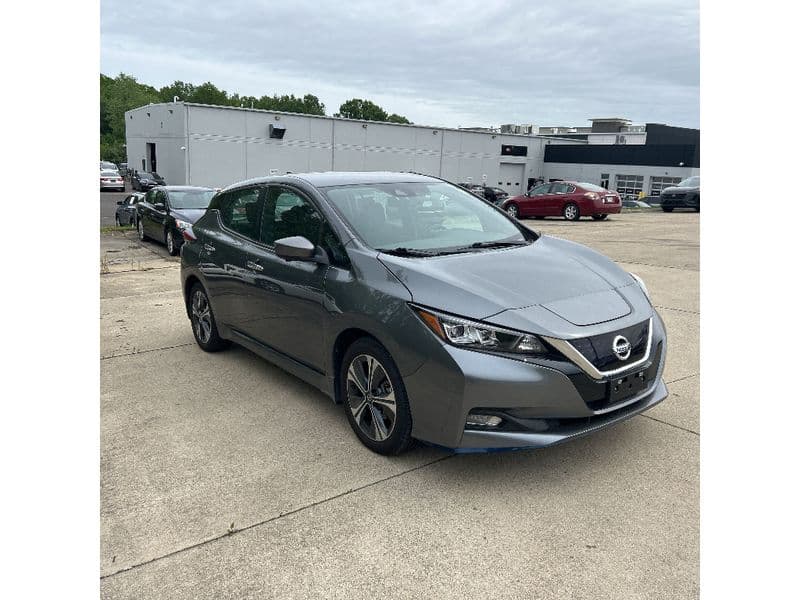
Let’s start with the new-car side, because that’s where most price-shopping begins. In late 2025, one of the last true budget EVs still on sale in the U.S. is the 2024–2025 Nissan Leaf. It’s not glamorous, but it undercuts nearly every other new electric car on price.
Representative affordable new EVs in late 2025 (U.S.)
Approximate starting MSRPs before destination, taxes, or incentives. Real-world transaction prices may be lower depending on dealer discounts and local programs.
| Model | Type | Approx. starting MSRP | EPA range (base trim) | Key trade-offs |
|---|---|---|---|---|
| Nissan Leaf S (2024) | Compact hatchback | ≈ $28,000 | 149 miles | Lowest new-EV price, but modest range and older fast-charging tech. |
| Nissan Leaf SV Plus (2024) | Compact hatchback | ≈ $36,000 | ≈ 212 miles | Better range and power, price no longer truly "cheap". |
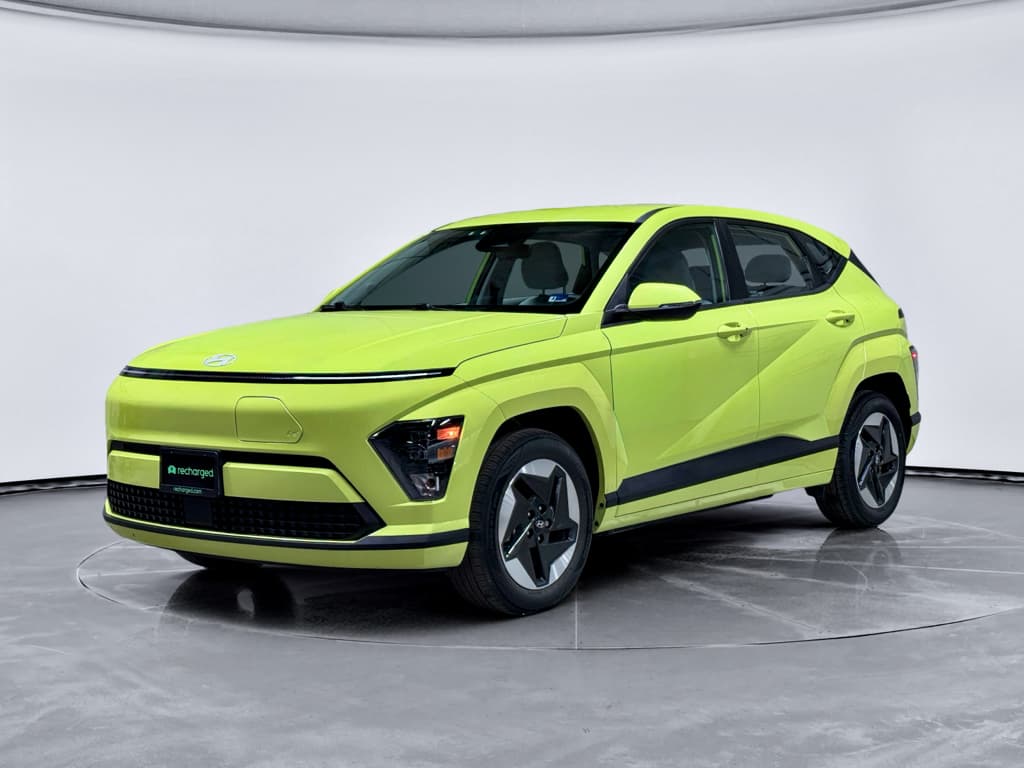
| Hyundai Kona Electric SE (2024) | Subcompact SUV | ≈ $32,700 | ≈ 200 miles | Modern interior and tech, but starting to creep into mid-$30Ks. |
| Hyundai Kona Electric SEL (2024) | Subcompact SUV | ≈ $36,700 | ≈ 261 miles | Strong range for the price; no longer budget in monthly-payment terms. |
| Upcoming Chevy Bolt (next gen, announced) | Compact hatchback | "Under $30,000" target | ≈ 255 miles (estimate) | Announced as affordable, but timing and final pricing remain in flux. |
These aren’t the only new EVs on the market, but they illustrate where “affordable” really starts in 2025.
About that “under $30,000 Bolt”
If you’re focused purely on the purchase price of a brand-new EV, the Leaf S is effectively the floor right now. The challenge is that 149 miles of EPA range and older CHAdeMO fast charging can be limiting if you’re planning frequent road trips or relying heavily on non-home charging. For many households, that’s a compromise too far, especially when used options can provide more range and nicer cabins for the same or lower money.
Why used EVs are often the most affordable choice
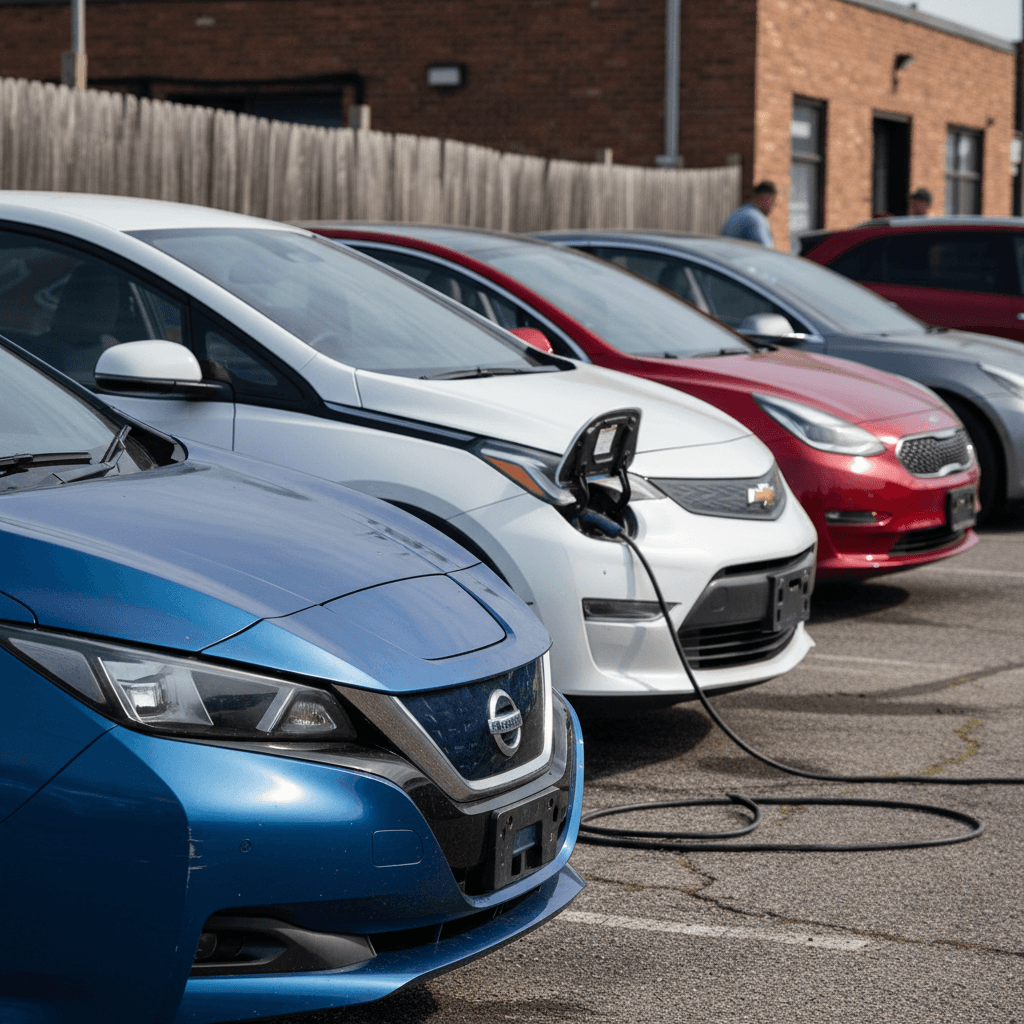
Because new-EV pricing has drifted upward, the real action for the most affordable electric vehicles has shifted to the used market. Early EV adopters have been trading up to longer-range models and crossovers for years, leaving a growing pool of 3–7 year-old EVs with perfectly usable range but sharply lower prices.
Where used EVs save you money
The catch, of course, is battery health. Range and resale value both hinge on how the pack has aged. Two identical-looking EVs can perform very differently if one has 10–15% more degradation than the other. That’s why battery diagnostics and transparent data matter, guessing is expensive.
Used EV sweet spot
Top affordable used EV picks by segment
Exact prices vary by mileage and condition, but certain models consistently show up as strong values for budget-conscious buyers. Below is a high-level guide to what tends to offer the most bang for the buck in late 2025.
Affordable used EVs to target
Good starting points if you’re shopping for value, not badges.
City & commuter specials
Nissan Leaf (2018–2023)
- Often the lowest entry price into EV ownership.
- Earlier cars have shorter range; prioritize larger battery trims.
- Best if you can charge at home and mainly drive in-town.
Compact all-rounders
Chevy Bolt EV / Bolt EUV (2017–2023)
- Real-world range often 200+ miles even used.
- Comfortable for commuting and moderate road trips.
- Eligible units received battery replacements after recalls, huge win if documented.
Budget crossovers
Hyundai Kona Electric, Kia Niro EV
- More upright seating and usable cargo space.
- Range that competes with many newer, pricier EVs.
- Often overlooked, so used pricing can be attractive.
Used Teslas as value plays
As Model 3 and Model Y volumes have exploded, so has the used supply. That’s pushing values down in a way we don’t typically see from legacy luxury brands.
- Model 3 RWD / Long Range (2018–2022) often undercuts similarly spec’d new EVs while still offering robust software and charging access.
- Over-the-air updates and access to the Supercharger network make even early cars feel more modern than their age suggests.
Non-Tesla value heroes
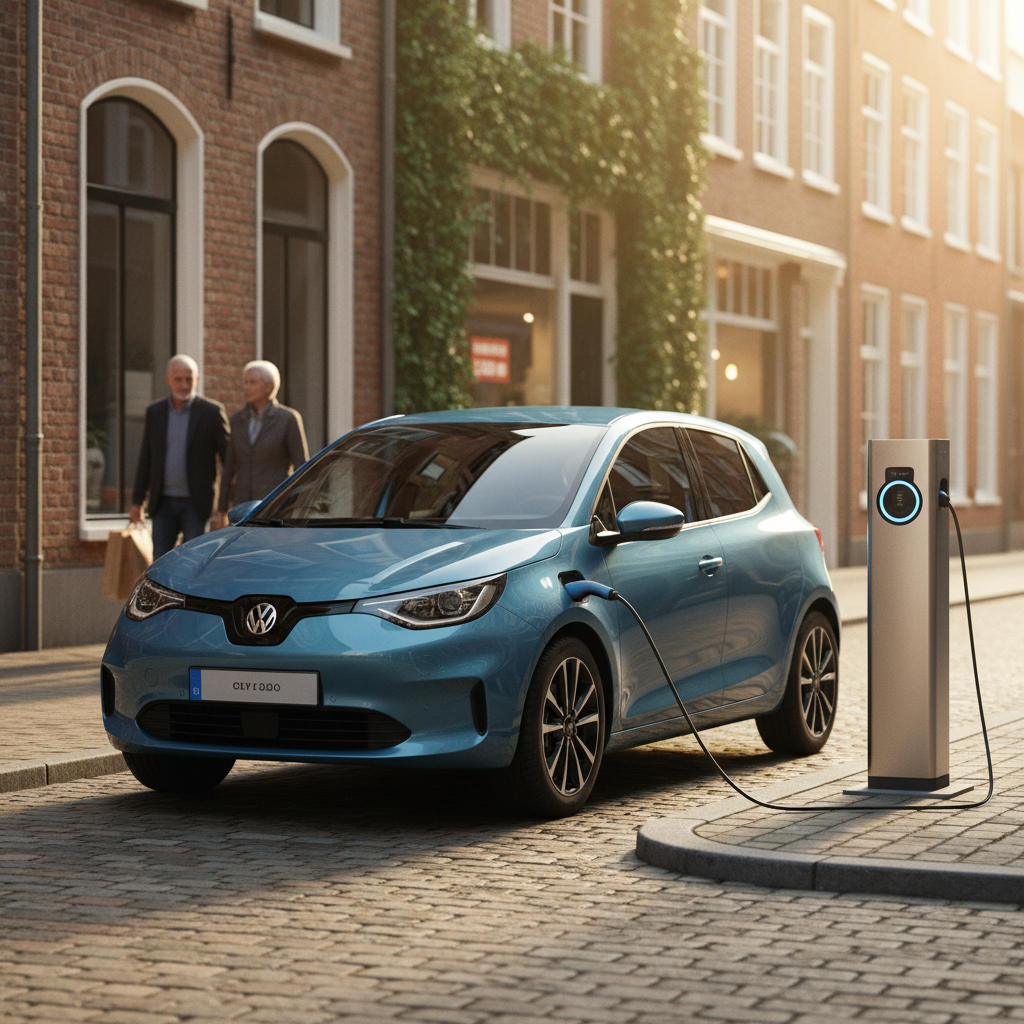
Don’t overlook cars like the Hyundai Ioniq Electric, first-gen Kia Soul EV, or early VW ID.4. They lack Tesla’s brand halo but can deliver compelling daily usability for thousands less.
Where they lag is charging network integration and, in some cases, infotainment polish, but if your priority is a low payment, those trade-offs may make sense.
Where Recharged fits in
Understanding total cost of ownership
Price tags get attention, but real affordability shows up in your monthly cash flow over years of ownership. EVs can win big here, but not always, and not automatically. You need to look beyond the sticker to electricity costs, insurance, maintenance, and financing.
Why a $28k EV can beat a $24k gas car
Some mainstream EVs, like the Hyundai Kona Electric, are already ranking in the upper tier of their class for 5‑year cost-to-own, even if their purchase price doesn’t look “cheap” at first glance. The same dynamic is even stronger with used EVs, where depreciation has already taken a hit but you still capture the low fuel and maintenance costs.
Don’t ignore insurance costs
How to shop smart for a budget EV
Once you accept that there’s no $19,999 new EV miracle waiting around the corner, shopping becomes much more straightforward. Your job is to match your real-world use case to a car that offers enough range and space, without paying for capability you’ll never use.
Practical steps to find an actually affordable EV
1. Define your real range needs
Log a week or two of driving and look at your longest regular days. If your typical day is under 70 miles and you have home charging, a 150–180 mile EV can be perfectly adequate.
2. Prioritize home charging
Installing (or at least planning for) Level 2 charging at home is the single biggest quality-of-life and cost win. It lets you buy a cheaper EV with less range while still feeling unlimited day-to-day.
3. Start with segments, not brands
Decide whether you need a hatchback, sedan, or crossover first. Then look at which models in that segment offer the best mix of used pricing, range, and reliability rather than starting with a logo.
4. Demand battery transparency
Ask for real battery health data, not just “it feels fine.” Recharged’s battery diagnostics, for example, quantify degradation so you know if you’re getting 90% of original capacity or 70%.
5. Compare total monthly cost
Look at payment + insurance + estimated charging vs. your current gas and maintenance spending. An EV with a slightly higher payment can still be the cheaper choice overall.
6. Consider financing and trade-in together
If you have a vehicle to trade, factor your equity directly into the deal. Platforms like Recharged can give you an instant offer or help you maximize value via consignment before you lock in an EV purchase.
Use a simple EV budget rule of thumb
How Recharged helps you get an affordable EV
Recharged was built around the reality that EV buyers care about three things: price transparency, battery health, and not getting stranded in the process. That matters even more when you’re stretching your budget to get into an electric car.
Ways Recharged can lower the real cost of your EV
Not just a listing site, tools to de-risk a major purchase.
Verified battery health
Every vehicle on Recharged comes with a Recharged Score Report that includes professional battery diagnostics. You see capacity, charging history signals, and pack condition, not just an estimated range in the cluster.
Fair-market pricing
Recharged benchmarks each vehicle against live market data, so you can see how its price stacks up to similar EVs nationwide. That makes it easier to spot real deals and avoid overpriced listings.
Flexible ways to buy or sell
From traditional financing and trade-ins to instant offers and consignment, Recharged helps you unlock the most value from your current car and structure a payment that fits your budget.
Ready to find your next EV?
Browse VehiclesYou can shop and complete your purchase entirely online or visit the Recharged Experience Center in Richmond, VA if you want to talk through options with EV specialists in person. Either way, the goal is the same: make EV ownership simpler, more transparent, and more affordable than what you’re used to from traditional dealerships.
Frequently asked questions about affordable EVs
Affordable EV FAQ
Key takeaways
In 2025, the phrase “most affordable electric vehicles” means something different than it did just a few years ago. The era of deeply subsidized new EVs with rock-bottom pricing is on pause, and the cheapest new electric cars now live mostly in the $28,000–$35,000 band. But that doesn’t mean affordable EV ownership is off the table.
- The best values are in the used market, especially 3–7 year-old EVs with 150–250 miles of real-world range.
- Battery health is the make-or-break variable, insist on real data rather than vibes.
- Total cost of ownership (payment + energy + maintenance + insurance) matters more than MSRP alone.
- Home charging dramatically expands your choices and lets you buy a less expensive EV without feeling constrained.
- Platforms like Recharged that offer verified battery diagnostics, transparent pricing, financing, trade-in options, and specialist support can compress weeks of shopping and risk into a much smoother process.
If you approach the market with clear range needs, a realistic budget, and a focus on verified battery health, an EV can still be one of the smartest financial decisions you make on a vehicle, even without generous federal incentives. And if you’d like help translating that into a specific car and monthly payment, Recharged is built exactly for that conversation.