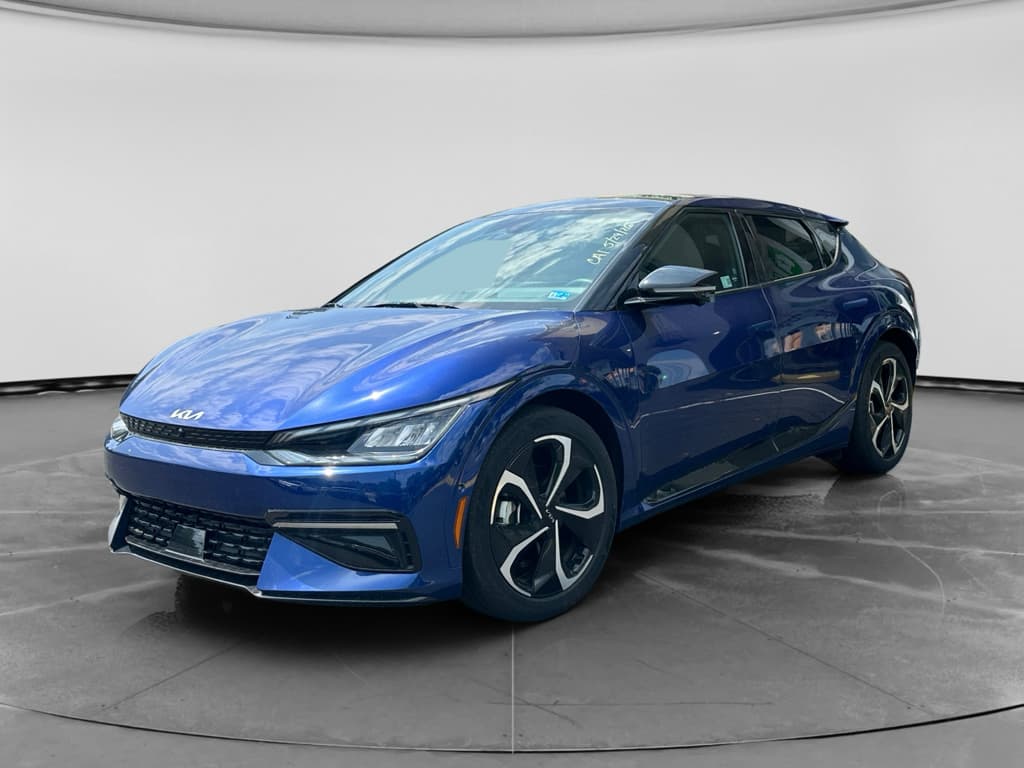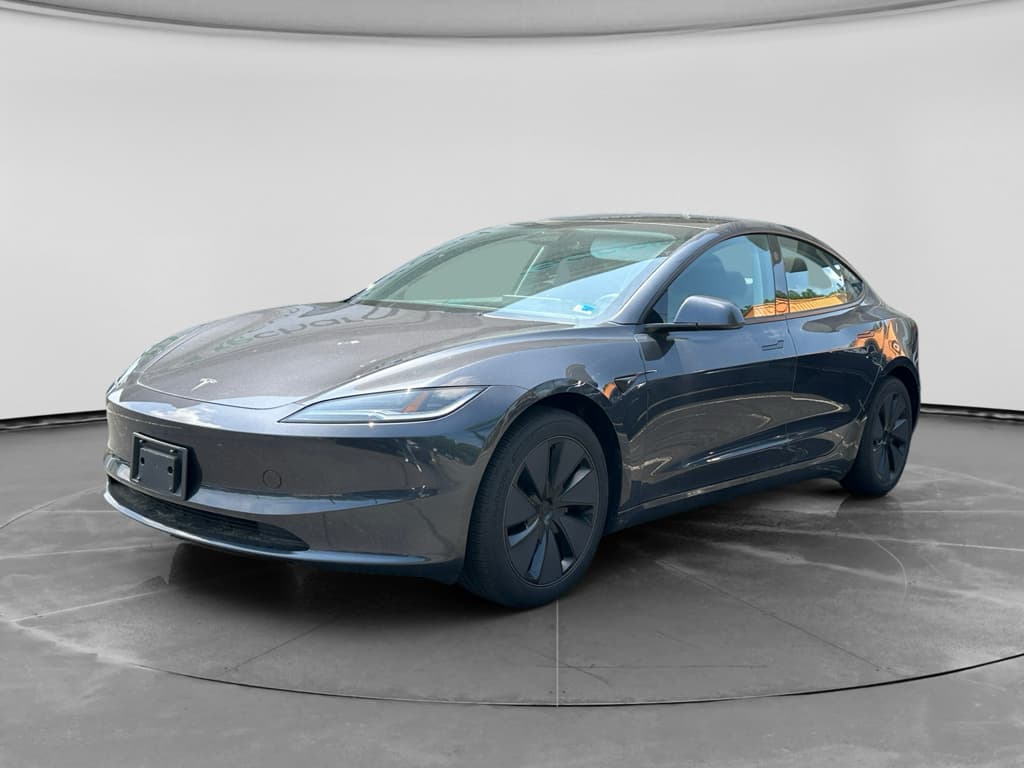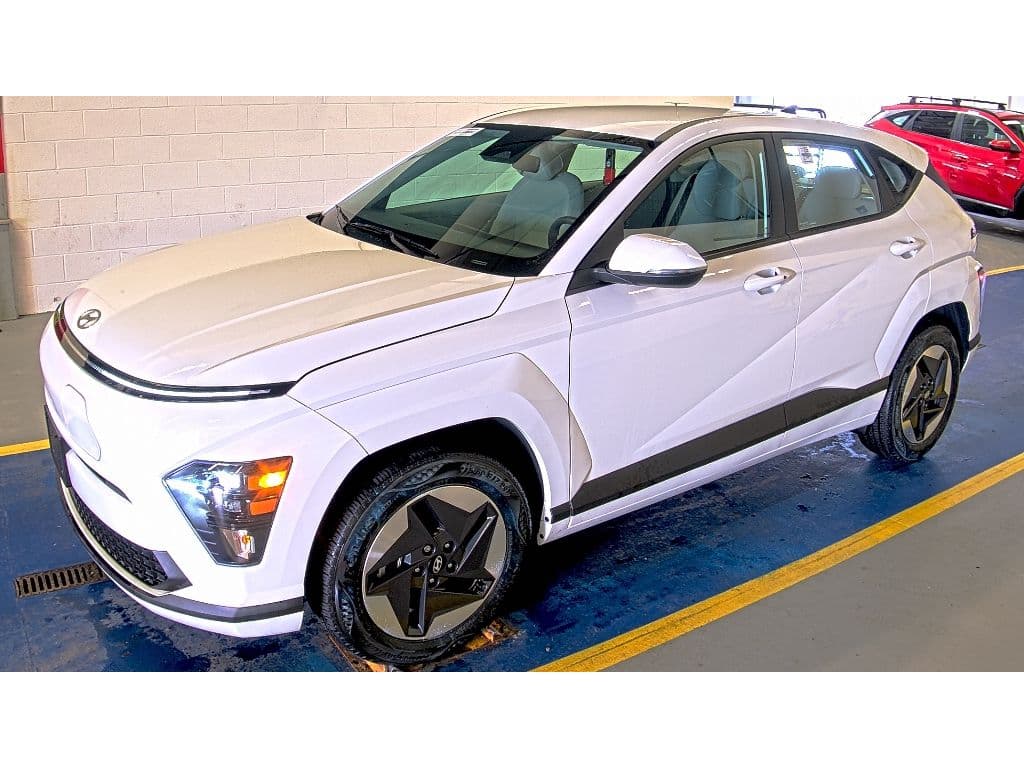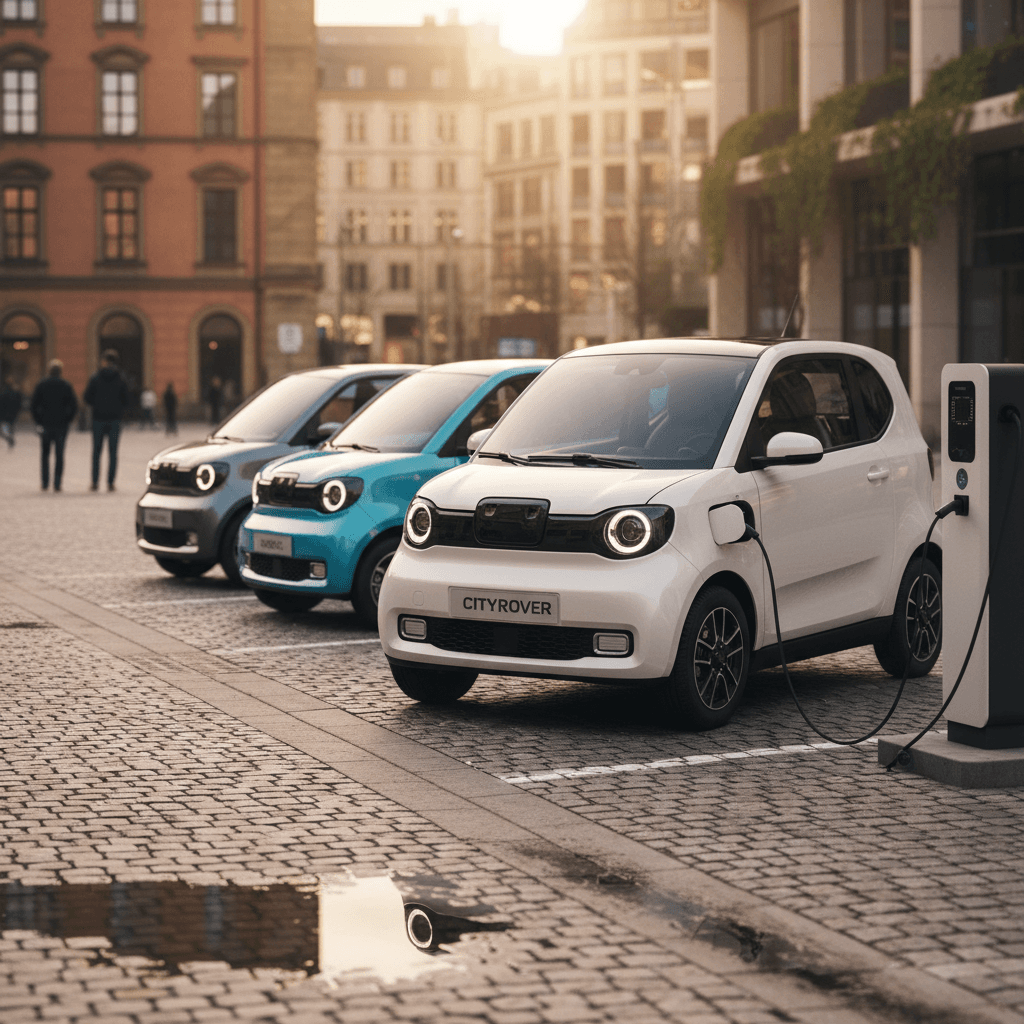
If you spend most of your time in the city, a mini electric car can be the sweet spot: easy to park, cheap to run, and quiet. In 2025 there are more small EVs on the market than ever, plus a fast‑growing supply of used options, so figuring out which mini electric cars for sale are actually worth buying is the hard part.
Mini EVs in one sentence
Why mini electric cars are hot right now
The small‑EV segment is finally catching up with the rest of the market. Automakers have learned that many drivers don’t want a 5,000‑lb SUV just to commute 20 miles a day. At the same time, battery costs have fallen and more compact platforms, like Renault’s AmpR Small in Europe or updated small‑car platforms from Nissan and Kia, are making it easier to build efficient, compact EVs.
How mini electric cars fit real driving patterns
Think use‑case, not just size
What actually counts as a mini electric car?
“Mini electric car” isn’t a formal category like “compact crossover.” In practice, shoppers use it to describe short, narrow, urban‑friendly EVs that are easier to live with in tight spaces and usually cheaper than larger electric SUVs.
- Overall length roughly under 170–175 inches (about the size of a Mini Cooper or small hatchback)
- Tight turning circle and easy parallel parking
- Focus on efficiency and city range rather than long‑distance highway cruising
- Usually seats four (sometimes five) with a modest cargo area
- Battery pack sized for 150–260 miles of real‑world range, not 300+ miles
Mini EV
- Subcompact footprint
- Best for city driving, short commutes
- Often lower purchase price
- Range is adequate but not road‑trip‑optimized
“Normal” compact EV
- More back‑seat and cargo space
- Better long‑distance comfort
- Higher price and more battery cost
- Still smaller than a midsize SUV
U.S. vs Europe
Best mini electric cars for sale in 2025
Let’s start with the models that most U.S. shoppers will actually see when they search for mini electric cars for sale, especially in the used market. We’ll highlight core specs that matter for urban driving: range, footprint, and typical pricing.
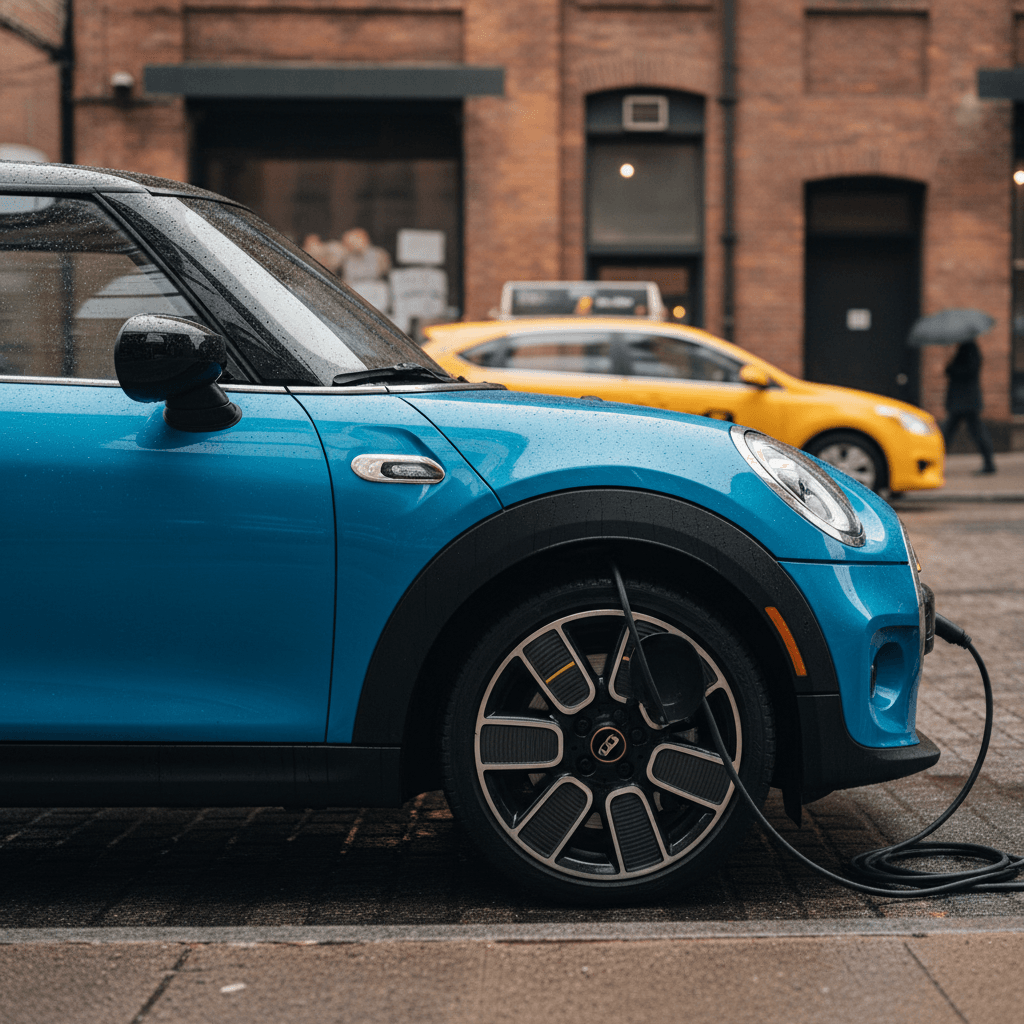
Popular mini electric cars you’ll actually find for sale
Approximate U.S. specs and pricing for small EVs with city‑friendly footprints. Prices are typical asking prices for used examples in late 2025; local markets will vary.
| Model | Body style | EPA range (mi)* | Typical used price** | Best for |
|---|---|---|---|---|
| Mini Cooper SE Hardtop (2020–2024) | 2‑door hatchback | 110–114 | $16,000–$25,000 | Short urban commutes, tight parking |
| Chevy Bolt EV (2017–2023) | 4‑door hatchback | 238–259 | $12,000–$22,000 | Budget all‑rounder with good range |
| Chevy Bolt EUV (2022–2024) | Small crossover | 247 | $18,000–$26,000 | More space, still easy to park |
| Hyundai Kona Electric (2019–2024) | Small crossover | 258 | $19,000–$28,000 | Longer commutes, mixed city/highway |
| Kia Niro EV (2019–2024) | Wagon‑like crossover | 239–253 | $20,000–$30,000 | Small families who still want compact size |
| Nissan Leaf Plus (2019–2024) | Hatchback | 215–226 | $11,000–$20,000 | Value pick if you understand CHAdeMO limits |
Use this as a starting point, then compare individual listings for mileage, options, and battery health.
About those asterisks
Three standout mini EV choices
Each hits a slightly different sweet spot.
Mini Cooper SE Hardtop
If you want something that feels like a classic city car, short, playful, and easy to park, the Cooper SE is hard to beat.
- Range around 110 miles EPA
- Ideal for dense urban cores
- Premium‑feeling interior, sporty handling
Chevy Bolt EV
Technically bigger than a Mini, but still very compact. It’s the workhorse of the affordable EV world.
- ~240–260 EPA miles
- Excellent efficiency, DC fast‑charge capable
- One of the most common used EVs on the market
Hyundai Kona Electric
A small crossover that still qualifies as “mini” by U.S. standards, but with enough range for serious commuters.
- ~258 EPA miles
- Comfortable ride, decent cargo room
- Good compromise between size and utility
Where Recharged fits in
Ready to find your next EV?
Browse VehiclesNew vs used mini EVs: where the value really is
In 2025, most of the value in mini electric cars is on the used side. New small EVs are still relatively niche in the U.S., and many of the most interesting mini EVs, like the upcoming Renault 5 or tiny European city cars, aren’t here yet. But a wave of off‑lease Bolts, Leafs, Konas, and Mini Coopers is hitting the secondary market.
Pros of buying new
- Full factory warranty on the whole car
- Latest safety tech and infotainment
- Fresh battery with minimal degradation
- Potential rebates or local incentives
Pros of buying used
- Much lower upfront price for the same basic utility
- Depreciation hit already taken by first owner
- Plenty of lightly‑used 3–5 year‑old cars available
- Some battery warranty often still remaining
A practical rule of thumb
Range and charging: are mini EVs enough for real life?
The biggest hesitation people have about mini electric cars is range. Many of the smallest models, especially the Mini Cooper SE and older Nissan Leafs, offer around 100–150 miles of rated range. That sounds tiny next to 300‑mile crossovers, but it’s often more than enough for the way these cars are actually used.
- Typical daily round‑trip commute is under 40 miles for most U.S. drivers
- Home charging turns every night into a “full tank” opportunity
- Public DC fast charging can top you up quickly on longer days
- Smaller batteries mean faster charging and lower replacement cost if that ever becomes necessary
Watch the charging plug
What different ranges feel like in real life
Match the car to your routine, not your fears.
100–140 miles
Think Mini Cooper SE or early Leaf.
Perfect for:
• Short urban commutes
• Second car households
• Drivers with reliable home charging
180–230 miles
Common for many compact EVs.
Great for:
• Longer suburban commutes
• Occasional regional trips
• Apartment dwellers with workplace charging
240–270+ miles
Chevy Bolt, Kona Electric territory.
Strong choice for:
• Single‑car households
• Mixed city/highway driving
• Drivers who road‑trip a few times a year
Ownership costs: insurance, maintenance and depreciation
Once you actually own a mini EV, the economics look very different from a gasoline car of the same size. The headline is simple: you pay more attention to electricity rates and less to oil changes and engine repairs.
Key cost factors for mini electric cars
1. Electricity vs gasoline
Mini EVs are extremely efficient. A car like a Chevy Bolt or Mini SE might use 25–30 kWh of electricity to go 100 miles. At $0.15/kWh, that’s roughly $3.75–$4.50 for 100 miles, often half the cost of gas for a similar small car.
2. Maintenance
You’re skipping oil changes, timing belts, spark plugs, and most exhaust work. Expect cabin filters, brake fluid, tires, and wiper blades. Tiny city EVs are also easier on brakes thanks to regenerative braking.
3. Insurance
Insurance isn’t automatically cheaper just because the car is small. Some EVs have higher repair costs. Get a quote on the exact model and trim, and compare against a gasoline hatchback you might otherwise buy.
4. Depreciation
Early EVs depreciated fast, which is painful for first owners but great for used buyers. Just remember: battery health and remaining warranty coverage will drive resale value more than trim packages.
5. Home charging setup
If you can, budget for a Level 2 (240V) charger. It’s not mandatory for low‑mileage drivers, but it makes living with a mini EV much more convenient. Recharged’s advisors can help you understand basic installation costs and options.
Run a back‑of‑the‑envelope TCO
How to shop for a used mini electric car
Shopping for a used mini EV is different from shopping for a used Civic. Mileage and service records still matter, but the battery pack and charging hardware are now the main event. Here’s a step‑by‑step process that keeps you out of trouble.
7‑step checklist for buying a used mini EV
1. Start with your daily use
Write down your typical weekday and weekend driving, miles, passengers, and cargo. This will tell you whether a 110‑mile Mini SE is fine or if you really need 230+ miles from a Kona or Bolt.
2. Decide your charging reality
Do you have a garage or driveway? Can you install a 240V outlet? If you’re reliant on public charging, favor cars with CCS or NACS fast‑charge ports over legacy CHAdeMO.
3. Shortlist 2–3 models
Pick a few models that match your needs, not just the cutest sheet metal. For many buyers that ends up being something like: Mini Cooper SE, Chevy Bolt EV/EUV, and either a Kona or Niro EV.
4. Investigate battery warranty
Look up the original in‑service date and the battery warranty terms. Many EVs offer 8‑year/100,000‑mile coverage against excessive degradation. A 5‑year‑old car may still have years of coverage left.
5. Get real battery health data
Don’t rely on a 12‑bar graphic in the instrument cluster. A proper diagnostic will estimate remaining usable capacity. Recharged’s Score Report is built around exactly this kind of battery‑health transparency.
6. Check for open recalls and software updates
Some small EVs, most famously the early Bolt EV, had battery recalls and software changes. Verify that any recall work has been done and that the car is on the latest stable software.
7. Drive it like you’ll actually use it
On a test drive, include a stretch of highway at your usual speed and some rough pavement. Mini EVs can feel busy or noisy at 75 mph; it’s better to learn that before you sign papers.
How Recharged can help
Common pitfalls to avoid with mini EVs
Most disappointments with small EVs trace back to mismatched expectations. The car wasn’t wrong; the buyer just needed something slightly different. Here are the big traps to sidestep.
- Buying the smallest‑range car on the lot without honestly assessing your highway driving needs
- Ignoring the charging‑port standard and then discovering your nearest DC fast charger isn’t compatible
- Expecting an ultra‑short wheelbase car to ride like a big sedan on rough highways
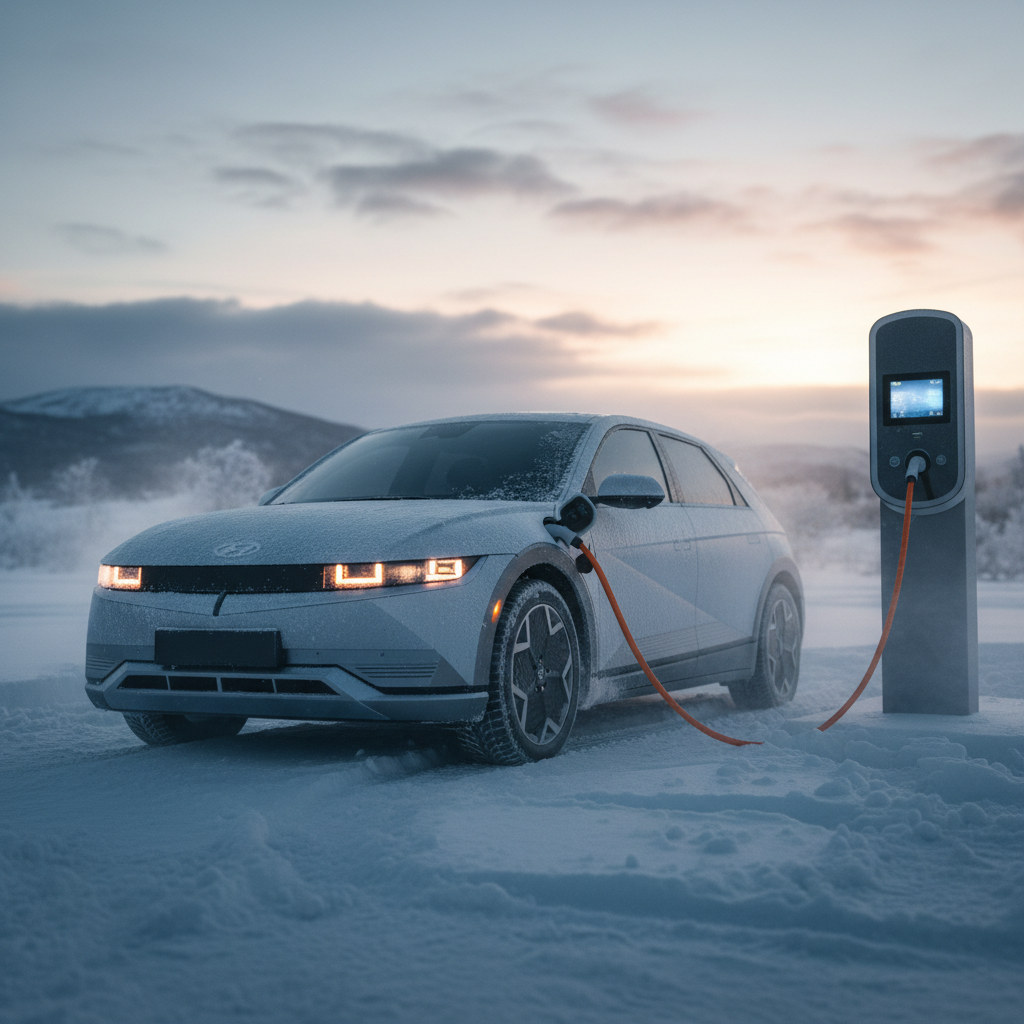
- Underestimating winter range loss in cold climates (plan for 20–30% reduction in harsh conditions)
- Focusing on screen size and ambient lighting instead of battery health and remaining warranty
Don’t skip battery diagnostics
FAQ: mini electric cars for sale
Frequently asked questions about mini electric cars
Bottom line: who should actually buy a mini electric car?
Mini electric cars are at their best when you’re honest about how you drive. If your life is mostly short hops across town, limited parking, and a desire to keep running costs under control, a small used EV, from a Mini Cooper SE to a Chevy Bolt or Kona Electric, can feel like a cheat code. If you’re a heavy highway driver, need to haul gear, or can’t reliably charge at home, it’s worth stepping up a size or rethinking the EV timeline altogether.
The upside is that the used mini‑EV market is finally mature. You’re no longer choosing between a couple of quirky compliance cars; there’s genuine choice. The key is to buy the right small EV with clear insight into battery health, charging compatibility, and total cost of ownership. That’s exactly the problem Recharged is set up to solve, so when you’re ready to make a move, you don’t have to navigate the mini EV world alone.