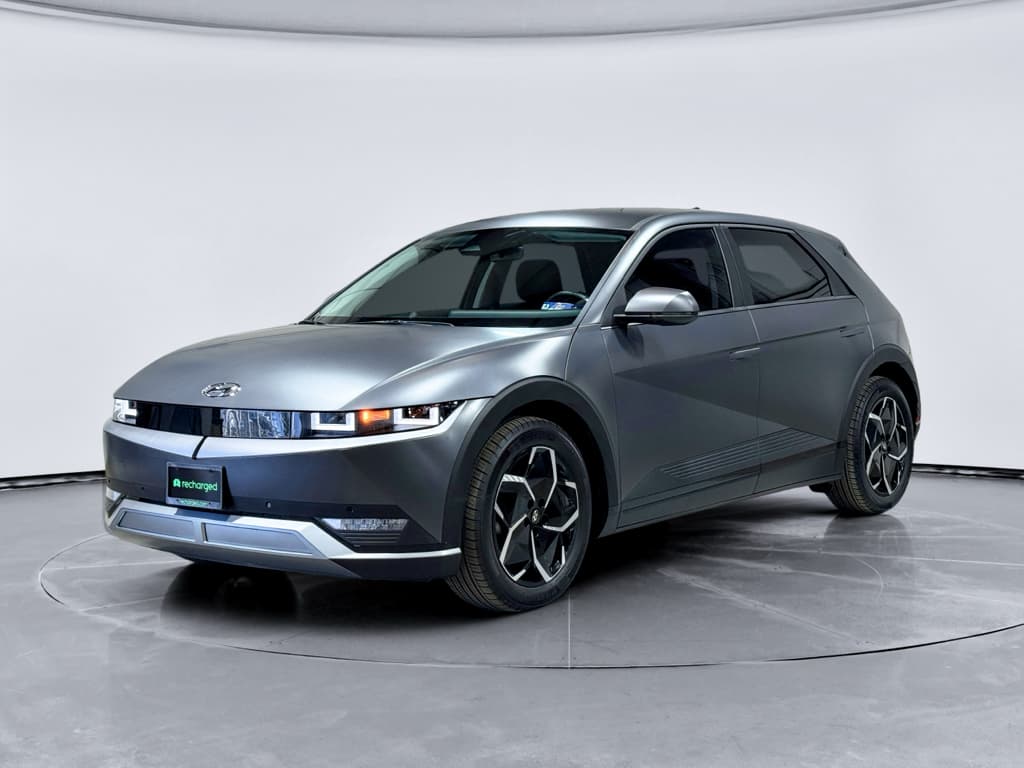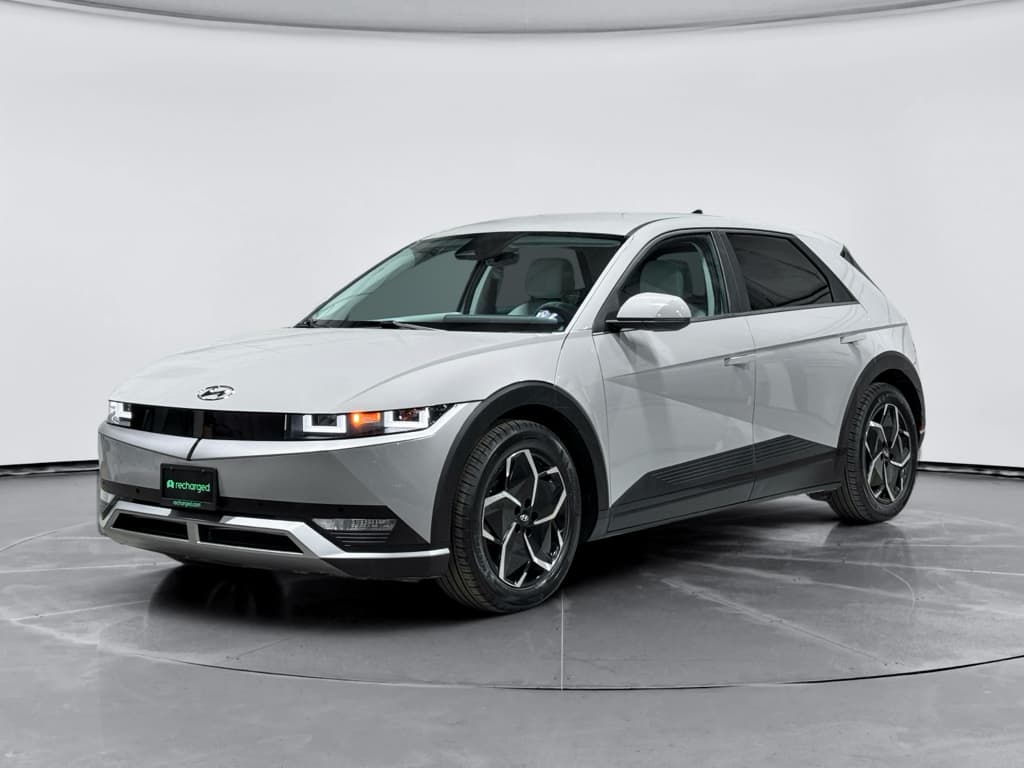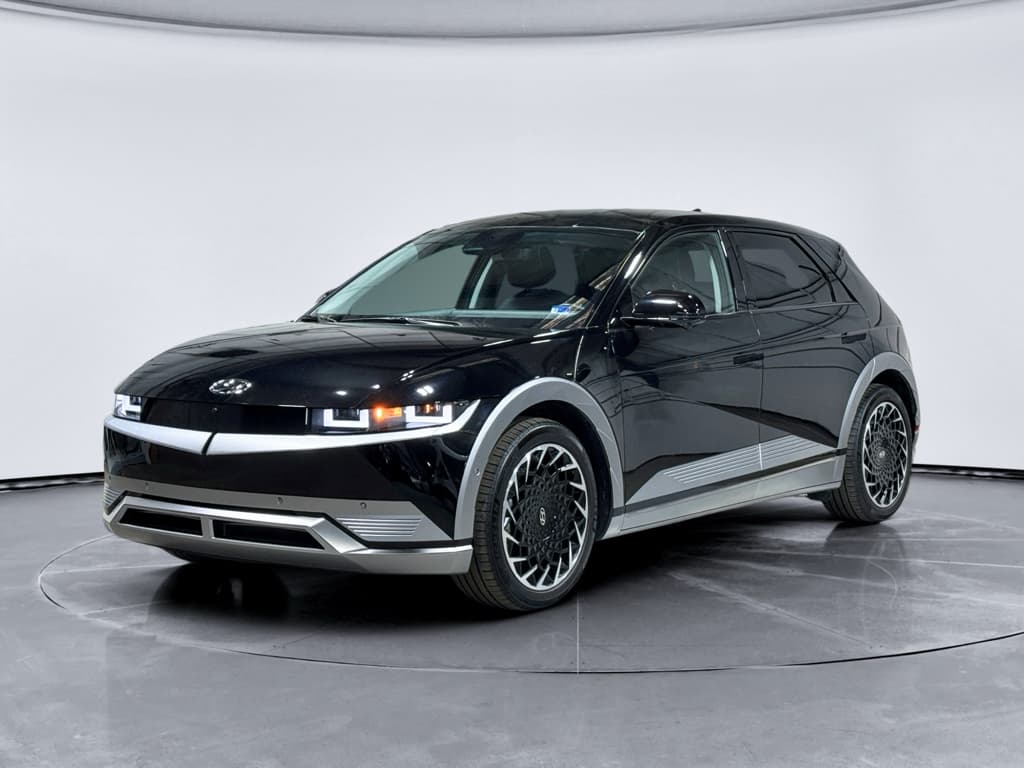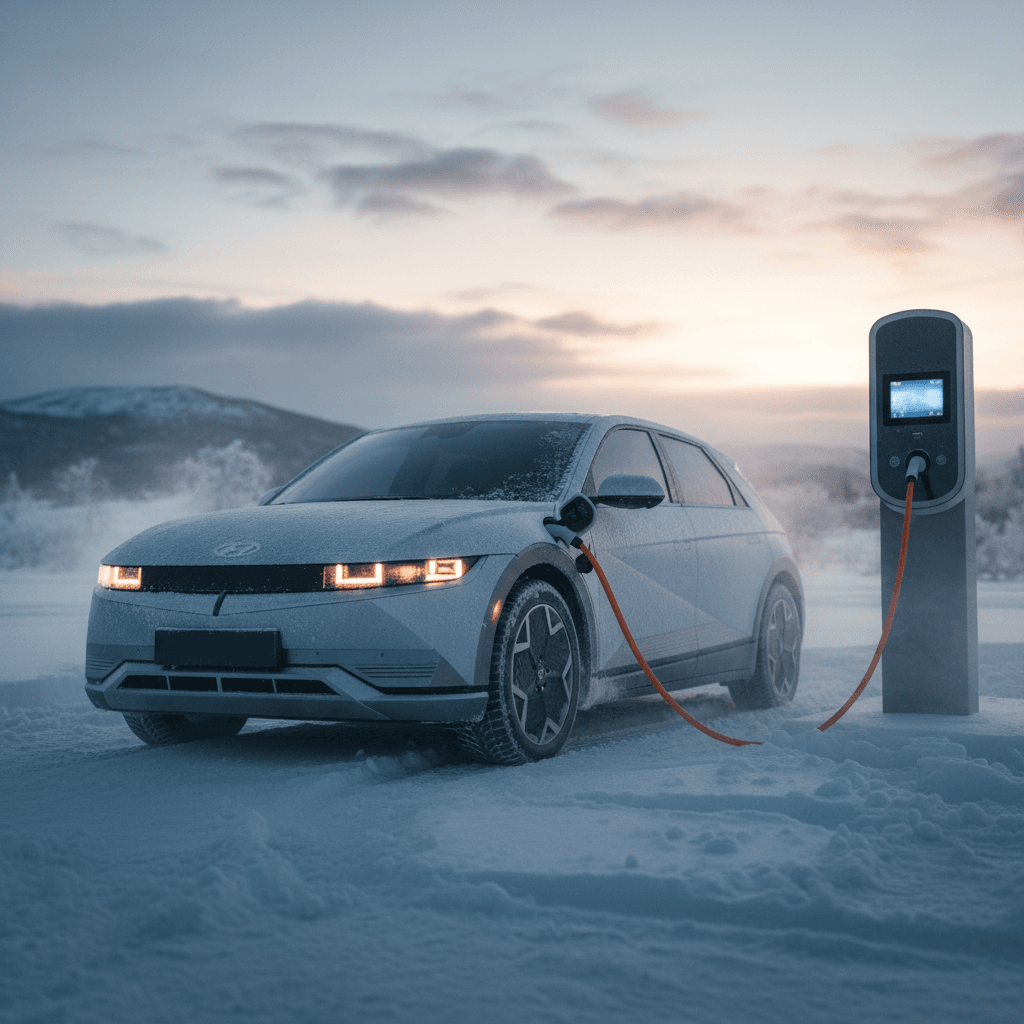
Search forums for “Hyundai Ioniq 5 winter range loss percentage” and you’ll see everything from 10% to “help, I lost half my range.” They’re all telling the truth, from their own context. The Ioniq 5 is a strong winter EV, but like every battery‑electric, cold weather can take a serious bite out of your usable range if you don’t know how to play the game.
Quick answer: typical Ioniq 5 winter range loss
How much winter range does the Ioniq 5 lose?
To get past the anecdote storm, we’ll triangulate from three places: controlled winter tests, large real‑world data sets, and owner experiences. When you average those out, you get a pretty consistent picture of roughly 20–30% winter range loss for the Hyundai Ioniq 5, with big swings based on temperature and driving pattern.
Hyundai Ioniq 5 winter range loss at a glance
That 36% figure you may have seen comes from controlled cold‑weather testing where the Ioniq 5 was run from full to near empty at sub‑freezing temps. In broader owner data, the car often does slightly better, closer to the low‑ or mid‑20% losses in ordinary winter commuting, but the headline remains: you should mentally treat a quarter to a third of your summer range as missing in real winter and plan your charging accordingly.
Lab tests vs. real world: why 10–40% loss all show up online
What the tests say
Several independent winter tests have put the Hyundai Ioniq 5 through controlled cold‑weather cycles:
- Standardized cycles in cold chambers show roughly 20–35% range loss versus mild‑weather testing.
- One high‑profile Canadian test measured about 36% less range in cold conditions compared with rated range.
- European lab work (Green NCAP–style testing) has shown winter‑cycle range drops on the order of a third from ideal.
These are "worst‑case but repeatable" scenarios: low temps, continuous driving, no cheating with pre‑heated garages.
What owners report
Meanwhile, owner data in snow‑belt regions paints a more nuanced picture:
- 10–20% loss on cool days (30–45°F) with mixed driving and modest heat.
- 25–35% loss when it’s truly cold (teens to low 20s°F), especially on the highway.
- 40%+ effective loss for short, stop‑and‑go winter errands where the car keeps reheating cabin and battery.
So the same car can look like a 15% loser or a 45% loser depending on where you live, how far you drive, and how you use the heater.
Don’t compare your 3‑mile grocery run to lab tests
5 factors that change your Ioniq 5 winter range loss percentage
Why two Ioniq 5 owners see totally different winter range
Same car, same battery. Different usage, wildly different percentages.
1. Actual temperature
There’s a world of difference between 35°F and 5°F. Above freezing, the Ioniq 5’s heat pump is efficient and the battery chemistry is only mildly grumpy. Dip into the teens and single digits, and you’re fighting basic physics: cold lithium cells and a hungrier cabin heater.
2. Trip length & pattern
One 60‑mile winter commute is kinder to range than six 10‑mile errands with cold soaks in between. The more often the car has to re‑heat the cabin and battery from cold, the higher your apparent winter range loss percentage will be.
3. Speed and driving style
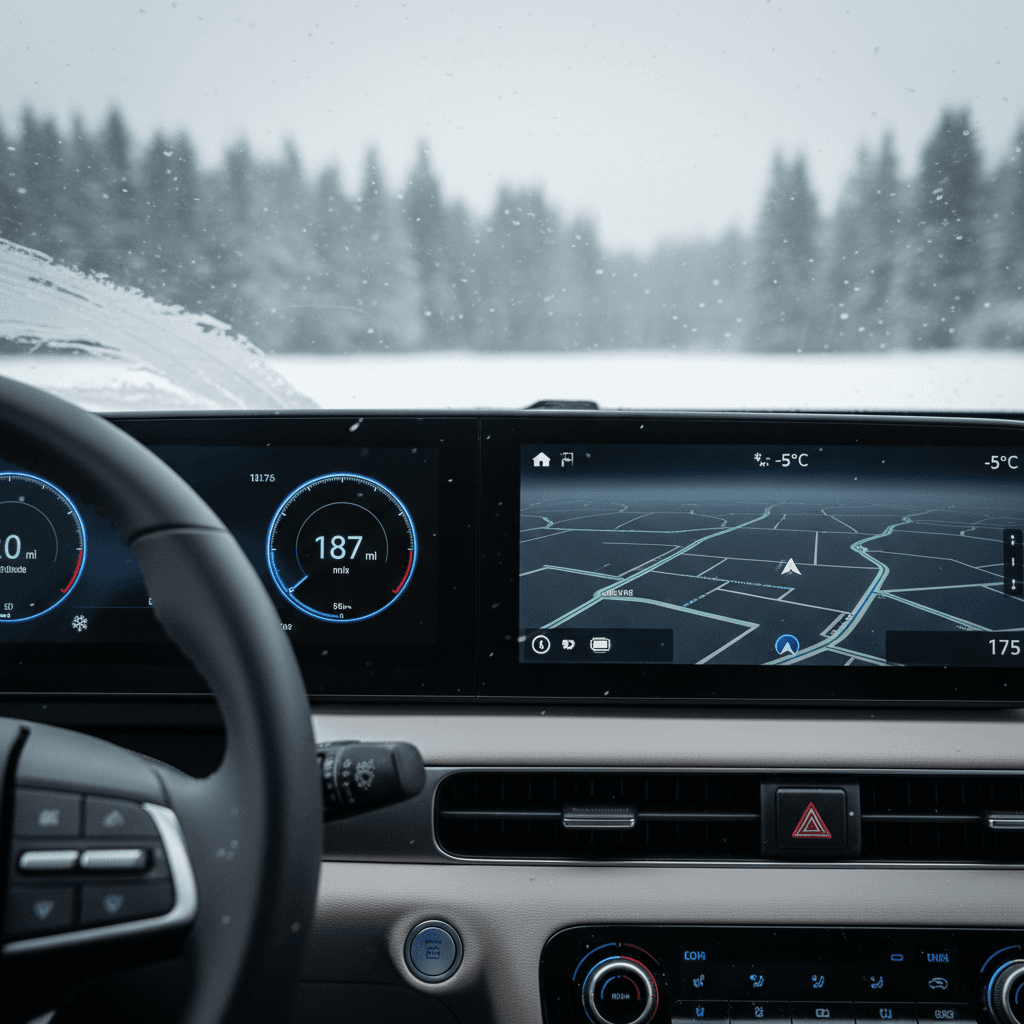
At 70–80 mph, aero drag dominates, and cold dense air makes it worse. An Ioniq 5 driven gently at 60 mph in Eco mode might lose 20–25% in winter; the same car doing 80 mph into a headwind can feel like it’s giving up 40%.
4. Trim, wheels & tires
RWD long‑range cars on smaller wheels are the winter efficiency champs. AWD, big wheels, aggressive winter tires, and roof boxes all nibble away at range. They don’t change the chemistry, but they absolutely change the percentage you see.
5. Heat pump & settings
The Ioniq 5’s heat pump is a major advantage over EVs that rely on simple resistive cabin heaters. But you can still burn through range by cranking cabin temp to 78°F and blasting defrost. Seat and wheel heaters deliver comfort at a far lower energy cost.
6. Charging habits & preconditioning
Preconditioning the battery and cabin while plugged in, especially before DC fast charging, means you start warm and waste less range getting up to temperature. Skipping preheat entirely leaves you with a colder, less efficient battery for the first part of every drive.
How the Ioniq 5’s winter range loss compares to other EVs
The useful question isn’t “does the Ioniq 5 lose range in winter?” It does. The question is whether it loses more or less than the pack. Here the news is good: across independent tests and owner data, the Ioniq 5 typically lands slightly better than the EV average for winter efficiency once you normalize for battery size and driving conditions.
Ioniq 5 winter range loss vs. other popular EVs
Illustrative comparison based on recent winter tests and aggregated owner reports. Exact results vary by temperature, speed, and route.
| Model | EPA Range (approx) | Typical Winter Range | Approx. Loss % |
|---|---|---|---|
| Hyundai Ioniq 5 (AWD) | 256 mi | ≈180 mi | ≈29% |
| Hyundai Ioniq 5 (all trims, cold tests) | Varies | Varies | ≈25–36% |
| Segment average EV | 250–300 mi | ≈190–220 mi | ≈20–30% |
| Less efficient EVs (boxy SUVs, trucks) | 230–320 mi | ≈150–210 mi | ≈30–40% |
Use these percentages as directional comparisons, not promises, your actual winter range will depend heavily on how and where you drive.
The Ioniq 5 is a solid winter EV
Ioniq 5 winter range planning cheat sheet
You don’t live in a test lab; you just want to know how far you can go before you’re hunting for electrons. Here’s a simple way to translate your trim’s EPA range into realistic winter expectations.
Rule‑of‑thumb winter range for common Ioniq 5 trims
1. Find your official EPA range
Check your window sticker, owner’s manual, or the in‑car display for your exact EPA rating (for example, ~303 miles for earlier long‑range RWD, ~256 miles for many AWD trims, up to 318 miles for some 2025 RWD cars). This is your baseline.
2. Mild winter (35–45°F, mixed driving)
Plan on using about <strong>85–90% of EPA</strong>. A 300‑mile car behaves like a 255–270 mile car. Think of this as "cool‑weather normal."
3. Typical winter (20–32°F, highway + city)
Plan on <strong>70–80% of EPA</strong>. That same 300‑mile rating is now closer to 210–240 miles in real life with the heater on and normal speeds.
4. Harsh winter (single digits, steady highway)
Assume <strong>60–70% of EPA</strong>. Your 300‑mile rating can effectively become 180–210 miles, especially at 70–80 mph into winter air.
5. Lots of short trips from a cold soak
Energy use per mile can nearly double. For planning, treat your car as if it temporarily has <strong>50–60% of its rated range</strong> until you get onto a longer continuous drive.
6. Give yourself a winter buffer
On road trips, don’t aim to arrive at chargers with 2% remaining. In cold weather, it’s smart to keep a <strong>15–20% buffer</strong> in case of headwinds, detours, or slower‑than‑expected charging.
8 ways to cut your Ioniq 5 winter range loss in half
- Pre‑heat while plugged in. Use the Hyundai app or scheduled climate to warm the cabin and battery while you’re still on shore power. Those first few miles are where EVs burn the most extra energy in winter.
- Use seat and wheel heaters first. You stay just as comfortable at a lower cabin setpoint, say 68°F instead of 74°F, while spending less energy on air heat.
- Dial back your speed. Dropping from 78 mph to 68 mph on the interstate can save tens of miles of winter range, no software update required.
- Pick Eco mode on true winter slogs. It softens throttle response, reduces peak power, and can help curb wasteful bursts of acceleration.
- Limit short, separate trips. Combine errands when you can so the battery and cabin stay warm, instead of reheating from stone‑cold five different times a day.
- Keep tires properly inflated. Cold air lowers pressure, increasing rolling resistance. Check and top up pressures when temps swing, your range (and safety) both benefit.
- Use proper winter or all‑weather tires, but know the trade. The right rubber dramatically improves traction and safety, at the cost of a small efficiency penalty. It’s a trade worth making if you see real snow and ice.
- Plan charging around weather. If a deep freeze is coming, try to finish charging closer to departure so the pack is warm, and avoid parking at 100% for days in the cold.
Think like a pilot, not a passenger
Winter charging speed and battery preconditioning
Winter doesn’t just shrink the number on your dash; it also slows how quickly you can refill those miles. A cold Ioniq 5 battery will charge more slowly on DC fast chargers, especially below freezing. That’s where preconditioning comes in.
What preconditioning does
- Warms the battery to its preferred temperature range before fast charging.
- Improves DC fast‑charge speeds, especially in sub‑freezing weather.
- Reduces the time you spend crawling from 10–60% at a cold charger.
Think of it as the difference between trying to sprint in ski boots versus sneakers. Same legs, different readiness.
How to use it on the Ioniq 5
- Set your DC fast‑charger as the destination in navigation so the car knows to precondition.
- Allow enough lead time: the farther away the charger, the more time the car has to warm the pack.
- In deep cold, don’t expect summer‑spec charge curves even with preconditioning, aim for "good enough," not miracle numbers.
For most owners, learning to trigger preconditioning is the single biggest upgrade to winter road‑trip sanity.
Don’t pull into a fast charger ice‑cold at 5%
Used Ioniq 5 buyers: winter range and battery health
If you’re shopping a used Hyundai Ioniq 5, you’re juggling two variables at once: normal winter range loss percentage and long‑term battery health. A healthy pack should still deliver the kinds of winter percentages we’ve been talking about. A tired pack can turn acceptable winter loss into a real headache.
Winter questions to ask when buying a used Ioniq 5
You’re not just buying a battery size, you’re buying how much of it is still usable in February.
Battery health & diagnostics
Ask for objective data, not just "it feels fine." A battery health report that measures usable capacity and fast‑charging performance tells you how much real‑world range you’re actually getting, especially under load.
Every used EV sold through Recharged includes a detailed Recharged Score with verified battery health, so you know how much winter range you’re working with before the first frost.
Cold‑climate history & usage
A car that’s lived its whole life in Arizona and fast‑charged daily has a different story than one that spent three winters in Minnesota but was mostly garage‑kept and AC‑charged.
Ask how the previous owner charged it and whether they ever noticed severe winter range loss beyond the usual 20–30% hit.
How Recharged simplifies winter‑ready used EV shopping
Ready to find your next EV?
Browse VehiclesFAQ: Hyundai Ioniq 5 winter range loss
Frequently asked questions about Ioniq 5 winter range
Bottom line: what winter range loss percentage to expect
If you boil down all the lab tests, data sets, and late‑night owner posts, the Hyundai Ioniq 5’s cold‑weather story is pretty simple. In everyday winter use around freezing, expect to keep roughly 70–80% of your rated range. On harsher days, especially with higher speeds or lots of short trips, assume more like 60–70% and plan your charging stops around that reality.
Treat those numbers not as doom, but as guardrails. With smart habits, preheating while plugged in, using seat heaters, moderating speed, and arriving at chargers with a sensible buffer, an Ioniq 5 is an easy car to live with through winter. And if you’re stepping into a used Ioniq 5, working with a seller that gives you verified battery health data, like the Recharged Score on every vehicle at Recharged, turns winter range from a nervous guess into a known quantity.