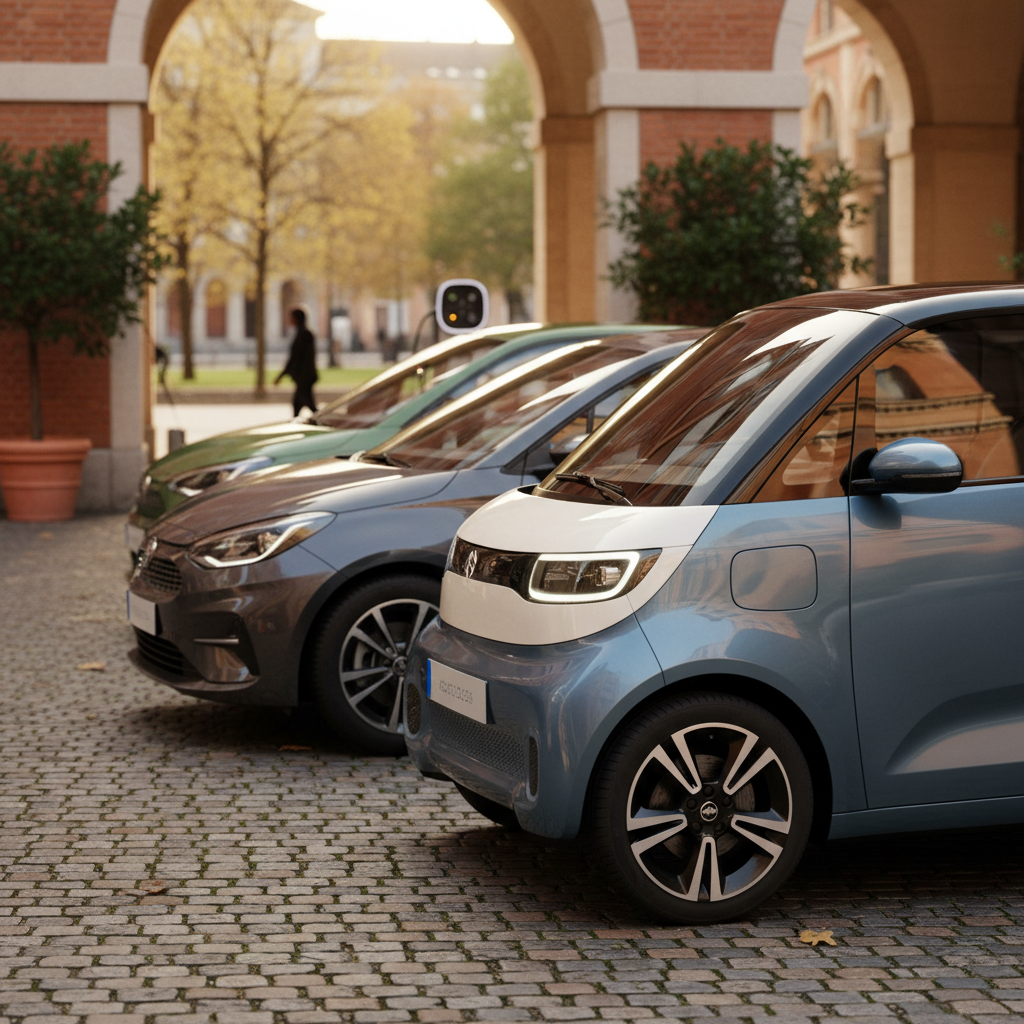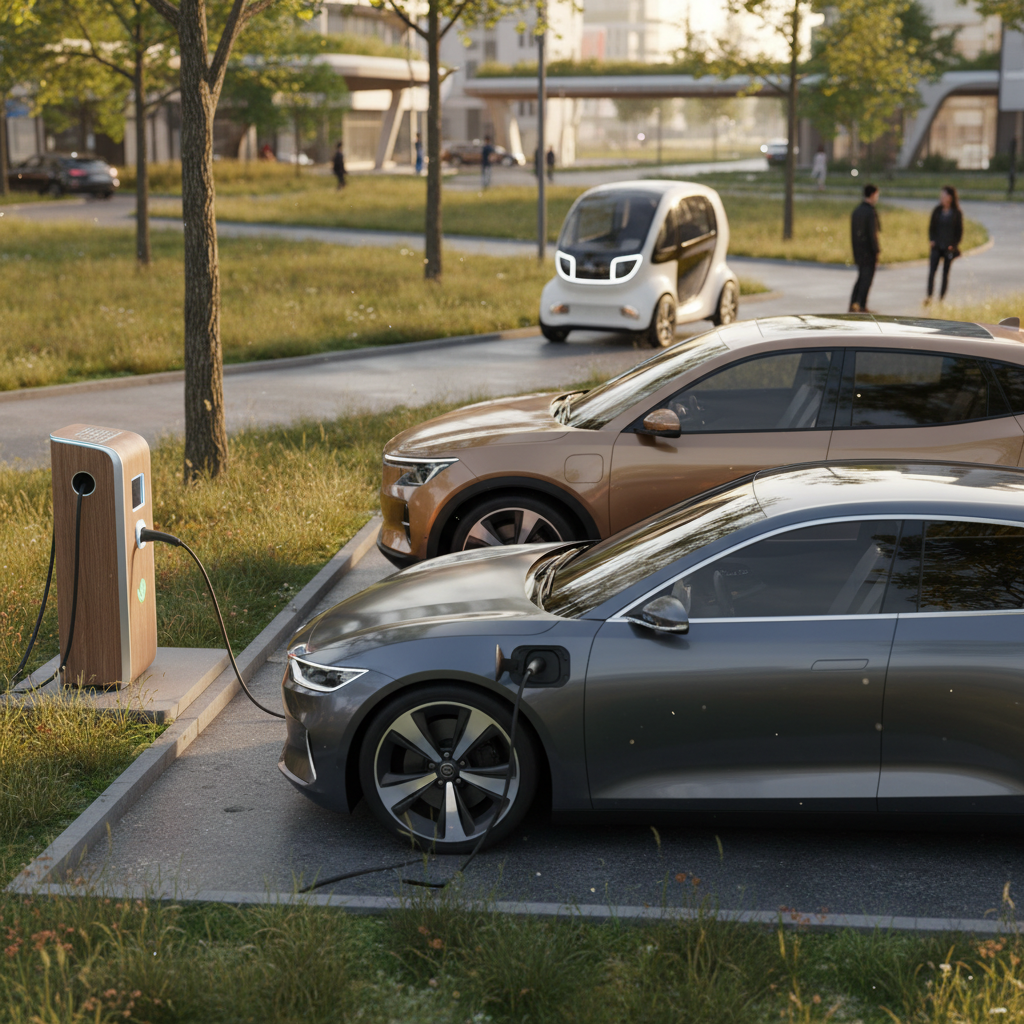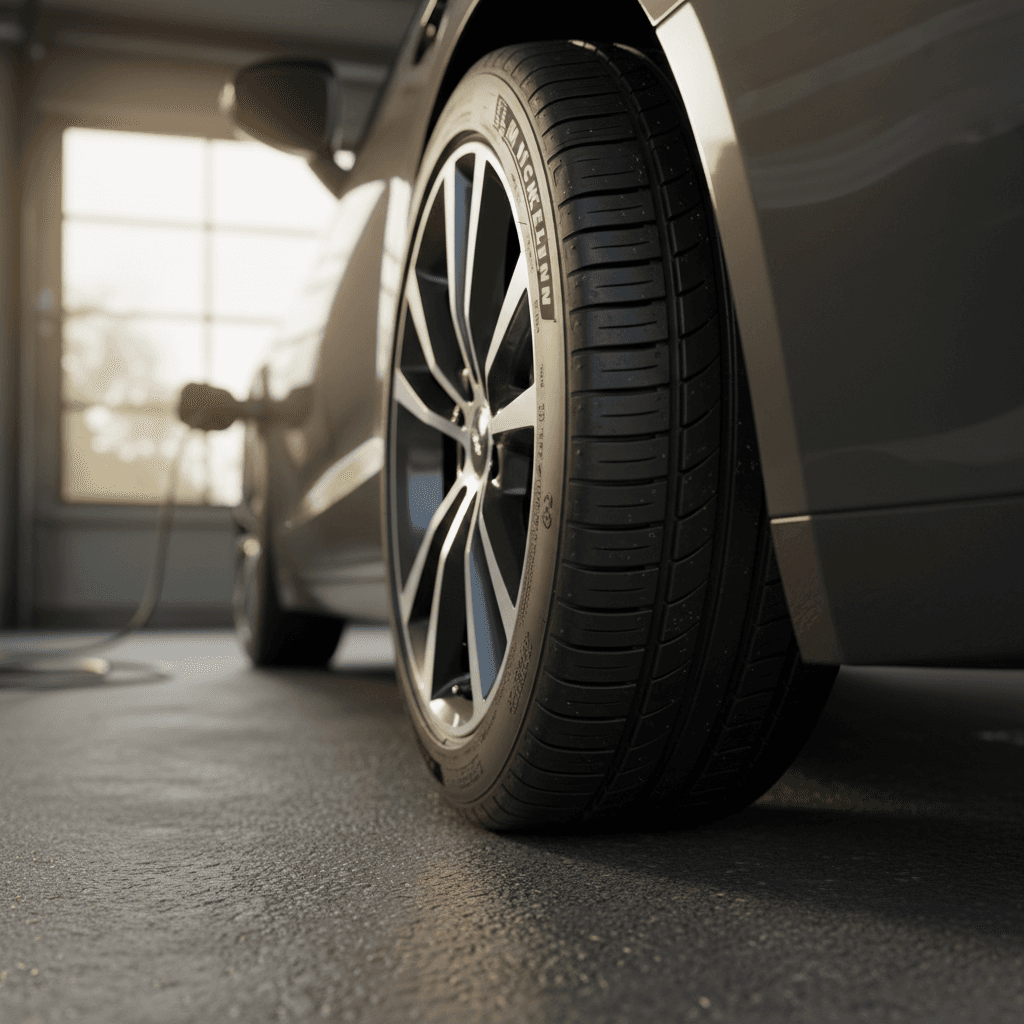
If you drive an electric vehicle, your tires have a bigger job than they did on your last gas car. They have to handle instant torque, keep road noise down, manage a heavy battery pack and still protect your range. Michelin Primacy EV tires are one of the most talked‑about options for that job, especially if you’re cross‑shopping replacements for your OEM EV tires or trying to improve comfort on a used EV.
Quick takeaway
What are Michelin Primacy EV tires?
Michelin Primacy EV is an all‑season tire line designed specifically for electric vehicles (and some plug‑in hybrids). It lives in Michelin’s "touring" family, which prioritizes low noise, good ride quality, and long tread life over track‑day grip. Think of it as the EV‑optimized cousin of traditional Primacy touring tires, tuned to support heavy EV platforms and maximize efficiency.
Automakers have started using Primacy EV as original equipment on select battery‑electric crossovers and sedans, and it is increasingly available as a replacement option through tire retailers. It competes with other EV‑specific lines like Michelin Pilot Sport EV (performance) and Energy Saver/EV (efficiency), as well as offerings from Continental, Pirelli and others.
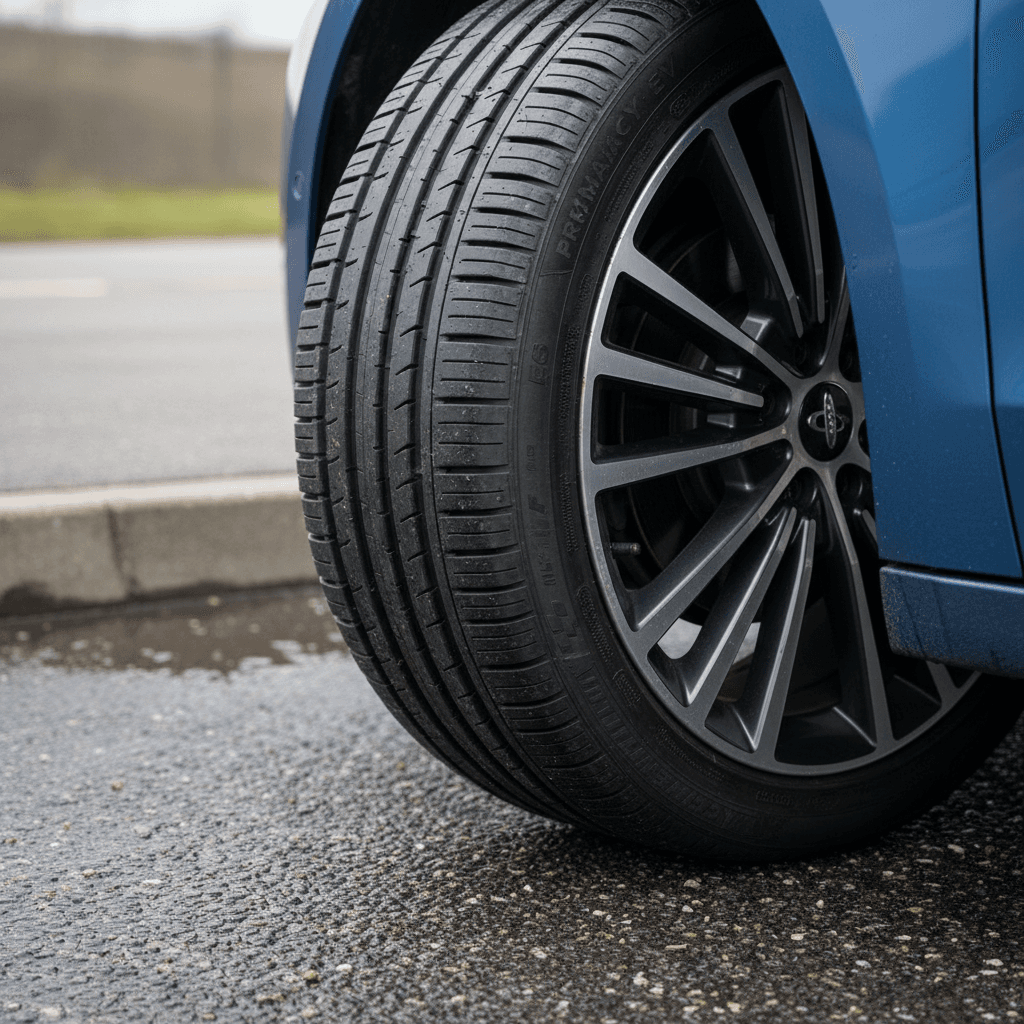
Key features and technology behind Primacy EV
Core technologies in Michelin Primacy EV tires
Designed to balance efficiency, comfort and EV‑ready durability
Low rolling resistance compound
Reinforced for EV weight
Noise‑optimized tread pattern
EV‑specific vs "EV‑compatible"
How Primacy EV tires affect range, noise and comfort
What EV drivers usually care about from their tires
Switching to Michelin Primacy EV tires is unlikely to give you a dramatic range increase versus the most efficient OEM EV tires, but it can help you avoid losing range when you replace worn‑out originals. The low rolling resistance compound is designed to keep energy consumption in line with what EV engineers expect when they quote EPA range numbers.
Where Primacy EV really earns its reputation is noise and ride quality. Many owners report that the tire’s muted road roar makes highway driving feel more premium, especially on concrete surfaces that can make cheaper tires drone. The sidewalls and construction tend toward comfort, so if you’re chasing the sharpest steering response, you might prefer a sportier EV tire. But for daily driving, commuting and long trips, Primacy EV hits the quiet/comfort sweet spot.
Expect a trade‑off on ultimate grip
Primacy EV vs other Michelin EV tire families
How Michelin Primacy EV compares to other Michelin EV‑focused lines
Positioning, priorities and typical use cases for three popular Michelin EV‑oriented tire families.
| Tire line | Primary focus | Best for | Ride & noise | Dry/wet grip | Price positioning |
|---|---|---|---|---|---|
| Primacy EV | Efficiency & comfort touring | Daily commuting, family driving, long highway trips | Very quiet, smooth | Good, not track‑oriented | Mid‑to‑upper mid |
| Pilot Sport EV | High performance | Sporty EVs, performance driving, summer‑biased use | Firmer, still refined | High grip, sharper steering | Upper mid to premium |
| Energy Saver / e‑Primacy (region‑dependent) | Maximum efficiency | Drivers chasing every mile of range in mild climates | Comfortable but more efficiency‑biased | Moderate, often lower snow traction | Mid |
Use this as a directional comparison; always confirm specific sizes, load ratings and speed ratings for your vehicle.
Choose Primacy EV if…
- You value a quiet cabin and a smooth ride more than razor‑sharp handling.
- You do a lot of highway miles and want predictable all‑season behavior.
- Your EV is a family crossover, daily commuter or long‑range sedan.
Choose Pilot Sport EV or similar if…
- You drive a performance‑oriented EV and enjoy spirited driving.
- You can live with slightly more noise and a firmer ride for better cornering grip.
- You prioritize warm‑weather performance over winter capability.
Sizes, fitment and EV compatibility
Michelin Primacy EV tires are offered in a range of 17–20‑inch wheel sizes commonly found on compact and midsize EVs and crossovers. As with most EV‑specific tires, load and speed ratings are carefully matched to heavier vehicles, so you’ll notice "XL" (extra load) markings on many sizes.
- Common widths range from roughly 205 to 255 section width, covering compact hatchbacks up through midsize crossovers.
- Aspect ratios favor 40–55 series, balancing efficiency, comfort, and wheel protection.
- Many sizes carry load indexes in the 94–104+ range to accommodate heavy EV curb weights.
- Speed ratings are typically H, V or W, more than adequate for U.S. highway speeds.
Never downsize load rating on an EV
Fitment checks before you order Primacy EV tires
1. Confirm size on the door jamb
Always check the tire placard inside the driver’s door, not just the sidewall of your current tires. Previous owners may have changed wheel or tire sizes.
2. Match load index and speed rating
Ensure the Primacy EV size you’re considering has an equal or higher load index and appropriate speed rating for your vehicle’s gross vehicle weight and top speed.
3. Look for EV or XL markings
Prioritize Primacy EV sizes designed for electric vehicles or clearly marked as extra‑load. These are engineered for heavier curb weights and instant torque.
4. Consider your climate
Primacy EV is an all‑season tire, but not a dedicated winter tire. If you regularly drive in deep snow or prolonged sub‑freezing conditions, consider a separate set of winter tires.
Tread life, cost and value for money
Compared with budget tires, Michelin Primacy EV typically carries a higher price tag, reflecting Michelin’s premium positioning. Across common sizes, pricing often lands in the mid‑to‑upper mid range of the EV tire market, with a warranty that’s competitive for an all‑season touring tire.
The upside is that Michelin’s touring tires have a long‑standing reputation for strong tread life when properly maintained. On an EV, actual mileage will depend heavily on how you drive and how often you rotate tires, but many drivers are comfortable paying a bit more up front for long‑term durability, stable wet‑weather performance and fewer noise issues as the tire ages.
Protect your tire investment
When to upgrade tires on a used EV
If you’re shopping the used EV market, or already own a pre‑owned EV, tires are one of the first items you should inspect. A car can have a healthy battery and clean history report but still feel rough, loud or inefficient because it’s riding on worn or mismatched tires. Upgrading to a set of Michelin Primacy EV tires can be a smart way to reset the driving experience without touching the battery.
- Tread depth at or below 4/32", you’ll notice wet traction loss and longer stopping distances.
- Cupping, scalloping or uneven wear, often caused by worn suspension components or infrequent rotations.
- Mixed tire models or non‑EV tires on just one axle, which can add noise and unpredictable handling.
- Noticeable highway drone or vibration that doesn’t trace back to wheel balance alone.
What Recharged checks on every used EV
Step‑by‑step tire buying checklist for EV owners
Your EV tire buying roadmap
1. Define your priorities
Decide what matters most: range, quietness, grip, snow performance or price. Primacy EV is ideal if you lean toward quietness, comfort and efficiency.
2. Verify exact specs
Check size, load index, speed rating and any EV‑specific notes on your door jamb placard and owner’s manual before you shop.
3. Compare EV‑specific options
Put Michelin Primacy EV side‑by‑side with at least two other EV‑focused options. Look at rolling resistance, noise ratings, treadwear warranties and winter performance.
4. Get total installed pricing
Ask for an out‑the‑door quote including mounting, balancing, TPMS services, disposal fees and alignment, if needed. Premium tires are only as good as their installation.
5. Plan alignment and rotation schedule
Any time you install new tires on a used EV, it’s wise to check alignment. Set reminders to rotate them on a mileage or time interval that fits your driving pattern.
6. Monitor range and noise after install
After you switch to Primacy EV, watch your efficiency and cabin noise on familiar routes. That real‑world feedback will confirm whether the tire meets your goals.
Common questions about Michelin Primacy EV tires
Michelin Primacy EV FAQ
How Recharged helps with tires on used EVs
When you’re buying a used EV online, it’s hard to judge tire condition from a single photo. That’s why every vehicle listed on Recharged comes with a Recharged Score Report that covers battery health, but also practical wear items like tires and brakes. If the tires are close to needing replacement, you’ll see that called out clearly before you commit.
If you already know you want an upgrade such as Michelin Primacy EV tires, you can factor that cost into your budget, finance it along with the vehicle, or plan it for your first major service. Our EV‑specialist support team can help you understand tire options for the specific model you’re looking at and how those choices can affect range, comfort and ownership costs.
From online research to driveway delivery
Ready to find your next EV?
Browse VehiclesBottom line: Are Michelin Primacy EV tires right for you?
If you want your EV to feel calm, quiet and efficient, Michelin Primacy EV tires sit in a sweet spot. They won’t turn your crossover into a sports car, and they’re not a replacement for dedicated winter rubber in harsh climates. But for most daily‑driven electric vehicles, they deliver exactly what matters: a quieter cabin, predictable all‑weather behavior and range‑friendly efficiency.
As with any tire decision, the best choice depends on how and where you drive. Use the checklist above to clarify your priorities, confirm the right size and load rating, and compare Primacy EV against other EV‑specific options. If you’re considering a used EV, tools like the Recharged Score Report can give you a head start by showing where the tires stand today, so you can decide whether an upgrade to something like Primacy EV belongs in your first‑year ownership budget.