If you spend more time in traffic than on interstates, the **best small electric car in 2026** is probably a better fit than a giant three‑row SUV. Urban‑friendly EVs are easier to park, cheaper to run, and, when you choose carefully, surprisingly capable for weekend trips. This guide breaks down the strongest small EV options for 2026 and how to shop smart, especially if you’re considering a used electric car.
What do we mean by “small electric car”?
Why small electric cars matter in 2026
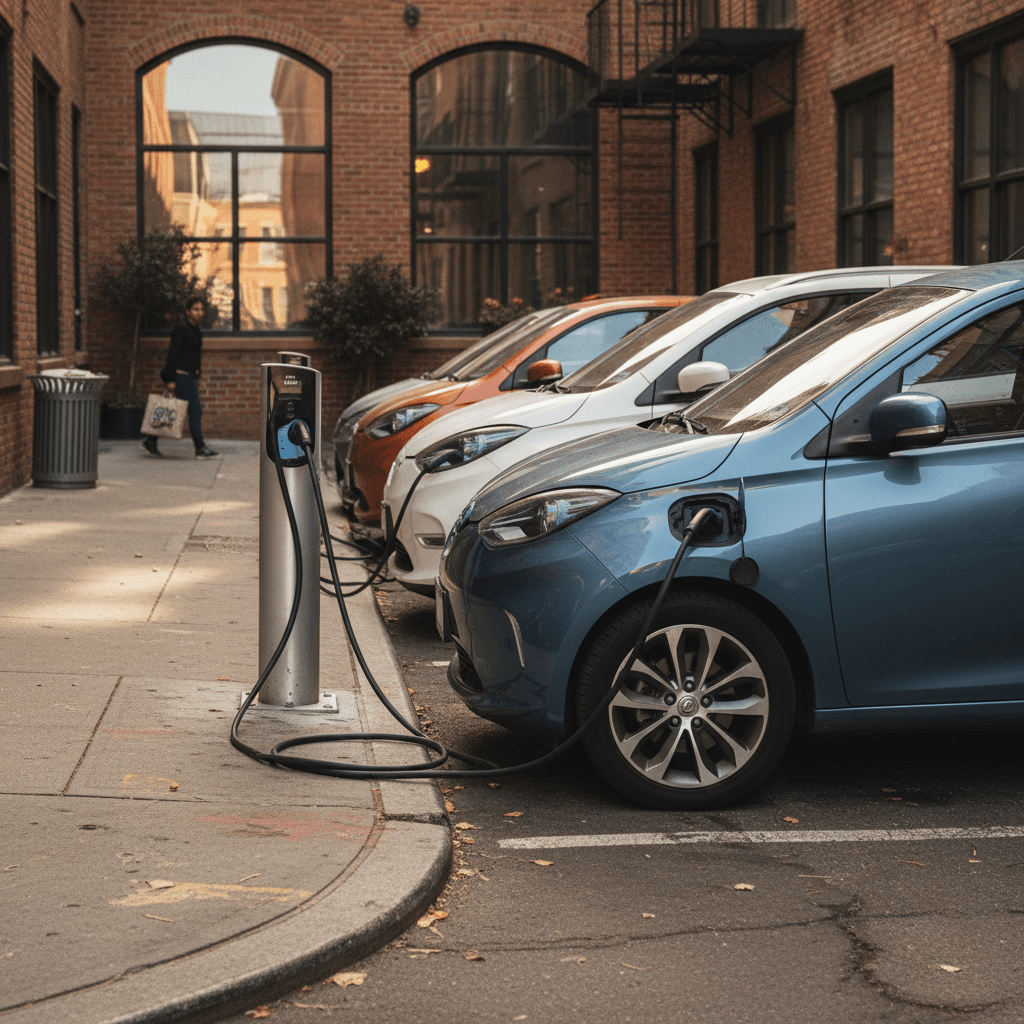
Automakers have spent the last few years chasing high‑margin electric crossovers and luxury models. Yet a huge share of drivers don’t need 300+ miles of range or three rows of seats, they need something they can parallel park and afford to insure. At the same time, charging networks have grown denser in U.S. cities and suburbs, which makes **compact EVs with modest batteries** far more practical than they were even three years ago.
- Shorter wheelbases and tighter turning circles make city EVs easier to park and maneuver.
- Smaller batteries reduce cost and environmental footprint while still covering most daily driving.
- With more DC fast chargers available, even a 200–250 mile EV can handle occasional road trips with some planning.
- Used small EVs from the past few years provide some of the **best value** in the electric market today.
The fine print on “cheap” small EVs
How we picked the best small electric cars
“Best” is deeply contextual, especially in the EV world. For **small electric cars in 2026**, we focused on models that either are on sale now in the U.S. or are confirmed for U.S. availability during the 2026 calendar year, plus high‑value used options you can buy today.
Selection criteria for this list
Real-world usability, not just specs
We favor small EVs that are easy to live with, good visibility, simple controls, flexible cargo space, and predictable range, even if they don’t win spec-sheet drag races.
Range that fits real daily driving
For city‑first cars, 180–250 miles of realistic range can be plenty. We prioritize vehicles whose **usable range** matches their advertised numbers in mixed driving.
Charging speed and connector
Fast‑charging performance and plug type matter for road trips. For 2026, we prefer models with North American Charging Standard (NACS) support or reliable CCS fast charging and at least ~100 kW peak DC capability where possible.
Affordability and total cost
MSRP is only step one. We look at likely discounts, used pricing, maintenance, insurance, and efficiency, dollars per mile, not just dollars per month.
Safety and driver assistance
Good crash-test performance, modern driver‑assist features, and software support over time matter more than novelty features in a small EV you’ll daily-drive.
Quick look: Best small electric cars of 2026
Best small electric cars 2026: Snapshot
A simplified look at standout small EVs for American buyers in 2026. Ranges are approximate and can vary by wheel size, weather, and driving style.
| Model | Type | Approx. Range (mi) | Notable Strength | Who it suits best |
|---|---|---|---|---|
| 2027 Chevrolet Bolt (Ultium) | Compact hatch/crossover | ~260 | Strong value, practical size, improved fast charging | One‑car households that still want a “small” footprint |
| MINI Cooper Electric | Subcompact hatchback | ~200 | Premium feel, fun to drive, easy to park | Style‑conscious city drivers with short commutes |
| Kia EV3 / EV4 | Compact crossover / sedan | ~230–280 | Roomy interior, modern tech for small‑car money | Small families who don’t want a big SUV |
| Older Chevrolet Bolt EV/EUV (used) | Compact hatch/crossover | ~230–250 (when new) | Excellent used pricing, mature platform | Value hunters comfortable buying used |
| Nissan Leaf & similar used city EVs | Compact hatchback | 150–215 (trim‑dependent) | Very low used prices in many regions | Urban drivers with home charging and predictable routes |
Use this as a starting point, then dig into the detailed sections and consider used options if you want the best value.
Think in use cases, not in model‑year hype
Best overall small EV: 2027 Chevrolet Bolt (on sale 2026)
The **Chevrolet Bolt** is the rare small EV that genuinely reshaped the market once already, and GM is bringing it back. The next‑generation Ultium‑based Bolt is expected to land at U.S. dealers in early 2026 as a 2027 model, essentially replacing the previous Bolt EUV with updated batteries, software, and charging hardware while keeping its tidy footprint and tall‑hatch practicality.
Why the new Bolt tops the small‑EV list
A familiar formula with modern underpinnings
Strengths
- Right-sized battery – A roughly mid‑200‑mile range keeps costs and weight down while still covering long commutes.
- Ultium pack and improved fast charging – Faster DC charging than the outgoing Bolt makes occasional road trips less painful.
- Space efficiency – The EUV‑style body offers adult‑usable rear seats and a practical hatch for gear or pets.
- Value positioning – GM has signaled pricing around the psychological $30k mark for launch trims, putting it firmly into mainstream reach once discounts and used units appear.
Trade-offs
- Not a micro‑city car – If you want something Fiat 500‑sized, the Bolt will still feel like a "real car" rather than a toy.
- Charging network realities – Even with NACS access, road‑trip comfort depends heavily on where you live and which corridors you drive.
- Dealer experience – GM dealers vary widely in EV knowledge and transparency; this is where a curated used‑EV marketplace can be a saner experience.
Why the Bolt is the default answer for many buyers
Best premium small EV: MINI Cooper Electric
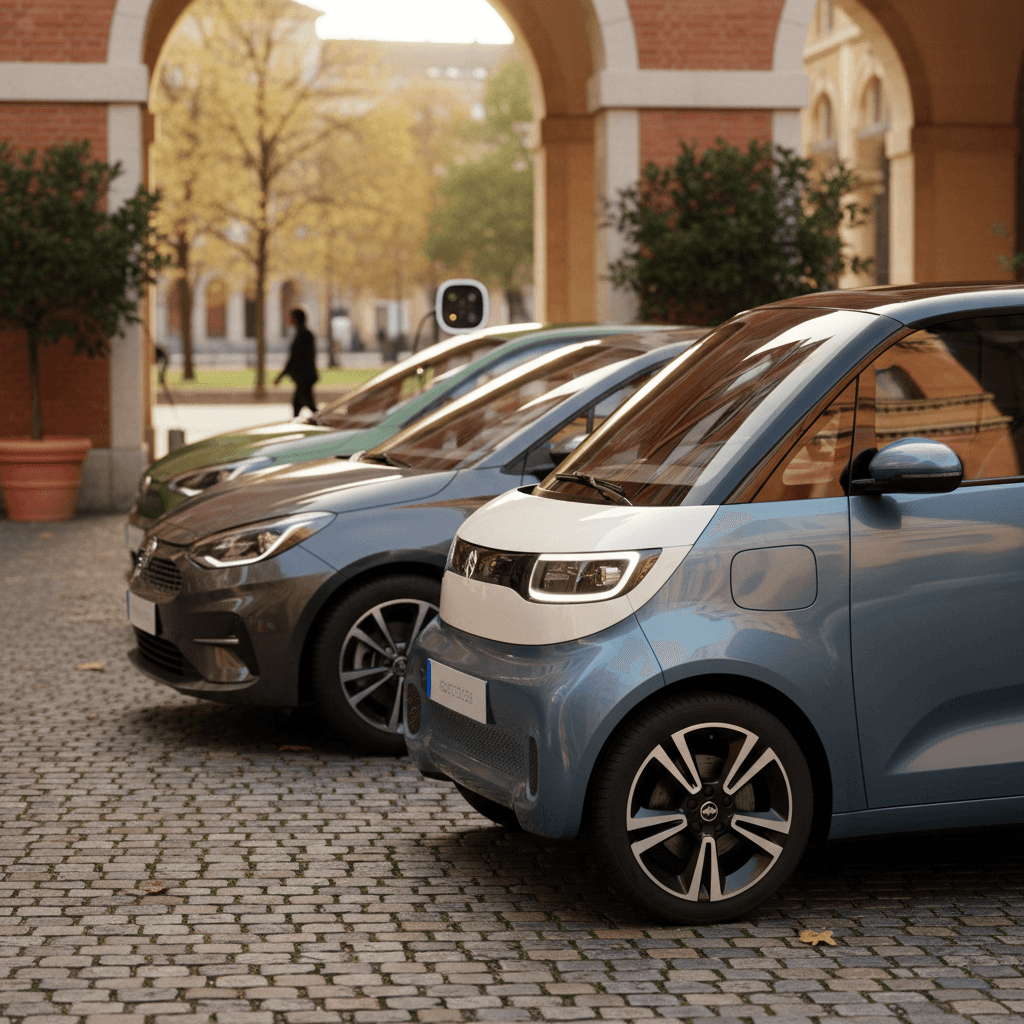
If parking is tight and driving enjoyment still matters to you, the **MINI Cooper Electric** remains one of the best small electric cars in 2026. The latest generation keeps the iconic three‑door hatchback form factor, modernizes the cabin, and adds range compared with the early U.S.‑market MINI SE, while staying firmly on the “fun toy” side of the spectrum.
Where the MINI Electric shines
- Dense urban cores – Easy to thread through traffic and slot into tiny street spaces or older garages.
- Short, stylish commutes – Around 200 miles of usable range is more than enough for typical daily driving when you can charge at home or work.
- Enthusiast appeal – Instant electric torque plus MINI’s playful chassis tuning make it far more entertaining than most economy EVs.
Where the MINI Electric struggles
- Family duty – Two doors and limited rear legroom make it a tough sell as an only car for households with kids.
- Road‑trip comfort – Range and charging speeds aren’t optimized for frequent long‑distance travel.
- Price positioning – You pay a premium for design and brand; if your goal is lowest cost per mile, used mainstream EVs will win.
Should you buy the MINI new or used?
Best small EV for space: Kia EV3 & EV4
If you like the idea of a small electric car but need real rear‑seat and cargo space, Kia’s new compact EVs, **EV3** (a small crossover) and **EV4** (a low‑slung sedan‑ish hatch), deserve a hard look. They’re sized closer to a traditional compact car, but still far from the behemoth territory that dominates U.S. EV headlines.
EV3 vs. EV4: Which small Kia EV fits you?
Two interpretations of the same compact‑EV idea
Kia EV3 – small crossover
- Higher seating position makes it easier to get in and out and improves visibility.
- Boxier cargo area handles strollers, bikes with the wheel off, or bulkier gear.
- Battery options with roughly low‑ to high‑200‑mile ranges give you flexibility on price vs. capability.
- Appeals to drivers trading out of compact crossovers like CR‑V or RAV4 but who want something smaller and fully electric.
Kia EV4 – compact sedan/hatch
- Lower, sleeker profile improves efficiency and highway stability.
- Better fit if you frequent parking garages with low ceilings or tight ramps.
- Interior packaging still feels roomy compared with older compact sedans.
- More “car‑like” than “crossover‑like,” which some drivers prefer.
Mind the wheel and tire options
Best budget-friendly small EV options
New small EVs launching in 2026 sound exciting, but they won’t be the cheapest options on the market, especially in their first model year. If your priority is simply “a small electric car that does the job for the least money,” the used market is where the action is.
Why used small EVs are so compelling in 2026
- **Chevrolet Bolt EV/EUV (previous generation)** – One of the best all‑around used EV values thanks to strong range, hatchback practicality, and aggressive used pricing after its production pause.
- **Nissan Leaf** – Earlier models have limited fast charging and shorter range, but for short, predictable routes with home charging they can be almost impossibly cheap per mile.
- **Early Hyundai Kona Electric / Kia Niro EV** – Compact crossovers that behave like small cars in traffic, with solid range and decent efficiency.
- **Mini Cooper SE (earlier generation)** – If your driving is entirely urban, the original U.S.‑market MINI Electric still makes sense as a characterful short‑range runabout.
Don’t chase the cheapest small EV without checking the battery
Used vs. new: Where small EVs make the most sense
Deciding between a new 2026 small EV and a used compact electric car is less about model‑year bragging rights and more about how you’ll actually use the vehicle. In many cases, a well‑vetted 2021 or 2022 compact EV will deliver 90% of the experience of a brand‑new model for 50–60% of the cost.
When a new 2026 small EV makes sense
- You want the **latest safety tech** and driver‑assist systems and plan to keep the car 8–10 years.
- You qualify for strong **incentives or employer programs** that reduce the up‑front cost of a new EV.
- You drive regularly on highways without dense fast‑charging coverage and need the latest charging hardware and battery chemistry.
- You simply prefer to be the first owner and are willing to pay for that privilege.
When a used small EV is the better call
- Your daily driving is under 60–80 miles and you have predictable routes with access to home or workplace charging.
- You want the lowest total cost of ownership, not just a low monthly payment.
- You’re comfortable trading the newest software features for a proven platform and a lower purchase price.
- You value a **transparent battery‑health report** more than the smell of a new‑car interior.
How Recharged de‑risks the used‑EV decision
Battery health & range: What really matters in a small EV
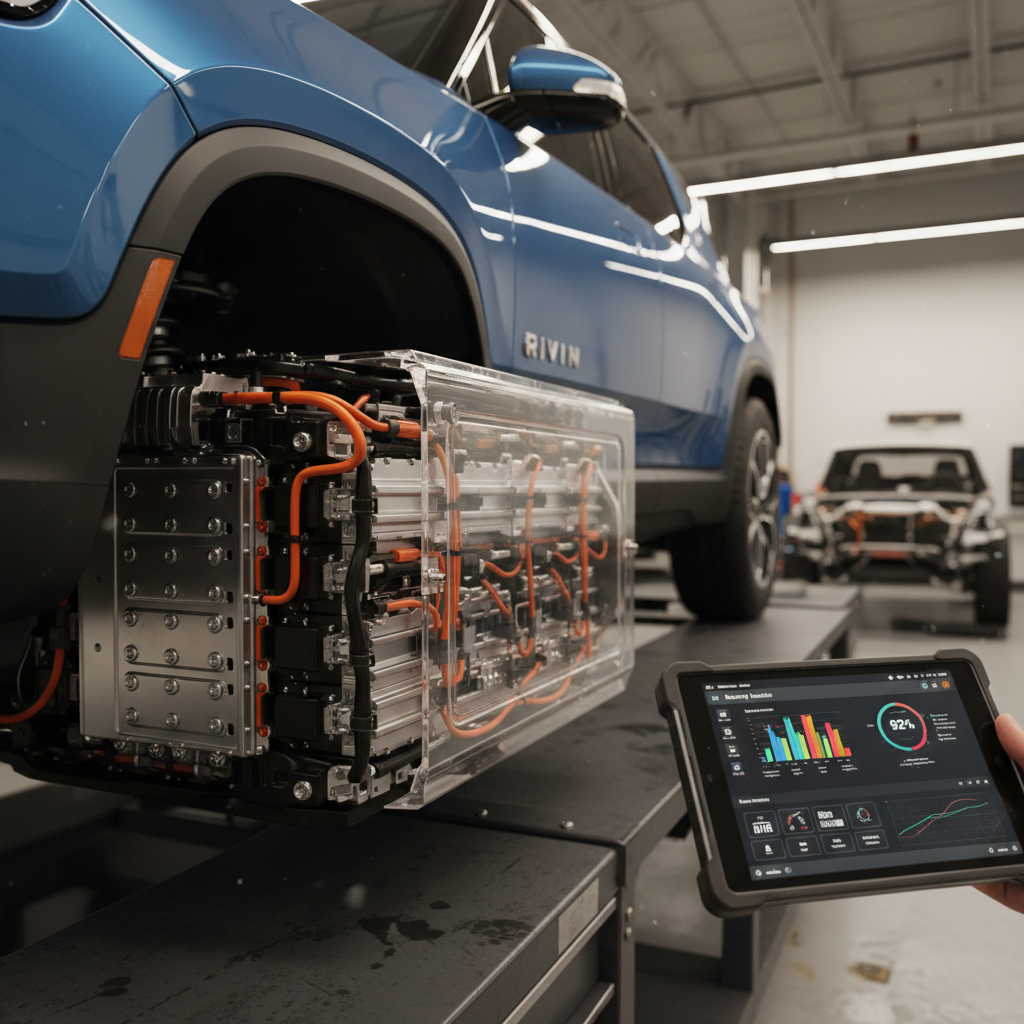
In a world obsessed with headline range numbers, small EVs force more honest conversations. A 65–70 kWh battery pack in a compact hatchback is already overkill for many urban drivers; conversely, a 40 kWh pack with severe degradation can feel claustrophobic if you ever leave the city. The key is to match **real, measured battery health** to your reality.
Battery & range checklist for small EVs
1. Look beyond EPA numbers
The EPA range figure is a lab estimate, not a promise. Weather, wheel size, speed, and HVAC use all matter. In a small EV, expect a comfortable real‑world range that’s 70–85% of the rated figure in mixed driving.
2. Ask for a quantified health score
A generic “battery is fine” from a seller isn’t enough. Look for tools or marketplaces (like Recharged’s diagnostics) that provide **state of health (SoH)** estimates and degradation relative to original capacity.
3. Understand fast‑charging habits
Frequent DC fast charging, especially in hot climates, can accelerate degradation. A car that lived its life on Level 2 at home may have a healthier pack than one with the same mileage that lived on DC fast chargers.
4. Map your real routes
Lay out your actual weekly driving on a map, errands, commute, kids’ activities. Then overlay public chargers. If you never push past 60–80 miles a day and can plug in regularly, you can comfortably choose a smaller battery.
5. Consider winter penalties
Cold weather can cut effective range by 20–40% in some climates. If you live in the upper Midwest or Northeast, give yourself extra buffer when choosing a small EV and look for good cabin preconditioning features.
City vs. suburb: Choosing the right small EV for your life
“Small electric car” means very different things in a Brooklyn brownstone neighborhood than it does in Phoenix exurbs. The best choice depends less on branding and more on your **parking reality, charging access, and typical speeds**.
Match your small EV to your environment
Urban core driver
Prioritize ultra‑compact footprints (MINI Electric, older Fiat‑sized EVs where available) and excellent visibility.
Home charging is often the hardest problem, if you street‑park, look for workplace charging or nearby public options you can reliably use twice a week.
Range can be modest: 140–200 realistic miles is fine if you rarely leave the city.
Smaller wheels and more sidewall will survive potholes better than big‑wheel appearance packages.
Inner‑ring suburb commuter
Compact crossovers like the Kia EV3 or new Bolt‑class vehicles often hit the sweet spot of space and efficiency.
Level 2 home charging in a driveway or garage is usually attainable and transforms the ownership experience.
A 220–260‑mile realistic range gives you margin for detours, weather, and skipped charging nights.
Look for adaptive cruise control and lane‑centering if you spend a lot of time in freeway traffic.
Outer‑suburb or exurb
Here, even a "small" EV probably needs a bit more battery if you’re doing regular 60–80‑mile one‑way commutes.
Fast‑charging access along your corridor becomes much more important; study the networks before committing.
A compact EV with slightly more range (new Bolt, some EV4 trims) can still undercut larger SUVs on cost and energy use.
You may be better off with a **small but not tiny** EV, accepting a bit more size for comfort and flexibility.
How Recharged helps you buy the right small electric car
Shopping for the **best small electric car in 2026** isn’t just about picking the right badge, it’s about navigating depreciation, battery health, and a fast‑moving charging landscape. That’s exactly the pain Recharged was built to reduce.
Why to consider Recharged for your small EV
Data over guesswork; support over sales pressure
Verified battery diagnostics
Fair, transparent pricing
Nationwide buying, local feel
Ready to find your next EV?
Browse Vehicles- Trade in or get an instant offer for your current car, gas or EV, to simplify the switch into a smaller electric vehicle.
- Explore financing options tailored for used EVs, including older small models that traditional lenders sometimes misunderstand.
- Lean on EV‑specialist support to talk honestly through whether a given small EV will fit your routes, climate, and charging reality.
The small‑EV landscape in 2026 is finally maturing: we’re seeing credible new compact entries like the revived Bolt and Kia’s smaller EVs, while earlier generations of small electric cars are quietly becoming some of the smartest buys on the used market. If you match battery health and range to your real life, and buy from a seller who is transparent about both, you can end up with an EV that’s cheaper to own, easier to park, and less stressful to live with than many gas compacts. In that sense, the **best small electric car of 2026** might not be the newest one, but the one whose data and price tell a coherent story.