If you’re considering a Mercedes EQE, new or used, the first big question is usually the battery. You want to know how the Mercedes EQE battery warranty works, what it actually covers, and where the fine print might leave you on the hook. This guide breaks down the official coverage in plain English and adds some real‑world context, especially if you’re shopping the used EV market.
Quick answer
Mercedes EQE battery warranty basics
Mercedes treats the EQE’s high‑voltage battery separately from the regular bumper‑to‑bumper warranty. In most U.S. cases, you’re dealing with two overlapping protection layers:
- A new‑vehicle limited warranty (commonly 4 years / 50,000 miles) that covers most components, including many electrical parts.
- A dedicated high‑voltage battery warranty that runs much longer, typically up to 10 years / 155,000 miles, for the EQE’s traction battery pack.
That high‑voltage battery warranty is the one that matters when you’re asking, “If something goes wrong with the EQE battery in year seven, who pays?” The short version: if the failure or excessive capacity loss meets Mercedes’ criteria and you’ve followed the rules, the manufacturer usually pays for repair or replacement, parts and labor.
Mercedes EQE battery warranty at a glance
Model‑year and region caveat
What the Mercedes EQE battery warranty actually covers
The high‑voltage battery warranty on a Mercedes EQE is designed to protect you from premature failures and abnormal degradation, not every possible outcome. At a high level, here’s what it usually covers:
Core areas of EQE battery coverage
What Mercedes is generally promising to stand behind
Defects in materials or workmanship
High‑voltage battery hardware
Excessive capacity loss
If a covered failure happens inside that window and the dealer verifies it within Mercedes’ test procedures, the automaker typically pays to: (1) diagnose the issue, (2) repair or replace the affected battery components, and (3) return the vehicle to service with no out‑of‑pocket cost for the core battery work, aside from any deductibles or fees spelled out in your paperwork.
Good news for used buyers
What the EQE battery warranty does NOT cover
Just as important as what’s covered is what’s excluded. Like every OEM, Mercedes draws a line between normal wear, owner‑caused damage and manufacturer defects. Here are common situations where the EQE battery warranty may not apply:
- Normal, gradual degradation that still keeps the battery above Mercedes’ stated capacity threshold. All lithium‑ion packs lose some capacity over time; that alone isn’t considered a defect.
- Damage from accidents, impacts or flooding, for example, a collision that crushes the pack or water intrusion from deep flooding. That’s typically an insurance claim, not a warranty issue.
- Improper modifications or tampering, such as opening the pack, third‑party battery repairs, tuners that bypass safety systems, or unauthorized high‑voltage work.
- Failure to follow maintenance or software update requirements when Mercedes specifies them in the warranty booklet or service schedule.
- Severe misuse, like repeated operation outside recommended temperature ranges or ignoring repeated high‑voltage system warnings.
Aftermarket tampering is a big red flag
How long the Mercedes EQE battery warranty lasts
For U.S. buyers, many Mercedes EQE models are advertised with an up‑to‑10‑year / 155,000‑mile high‑voltage battery warranty, whichever comes first. That’s competitive with other luxury EVs and often longer than the basic vehicle warranty. But there are a few nuances you should understand:
Typical Mercedes EQE warranty timeline (U.S. context)
How the battery warranty usually lines up with other coverage on a new EQE.
| Coverage type | Approximate term | What it generally covers |
|---|---|---|
| New‑vehicle limited warranty | 4 years / 50,000 miles | Most components: body, interior, electronics, non‑wear items |
| High‑voltage battery warranty | Up to 10 years / 155,000 miles | Traction battery pack defects and excessive capacity loss |
| Corrosion / perforation | Varies by program | Body perforation from rust, not normal surface corrosion |
Always verify specific terms for your model year and VIN.
The clock for the battery warranty usually starts on the in‑service date, the day the EQE was first sold or leased to its original owner, not the model year. That date is what matters if you’re comparing two similar used EQEs on a dealer lot.
How to check remaining coverage
Battery capacity loss and degradation coverage
Mercedes, like most EV makers, doesn’t promise that your EQE’s battery will stay at 100% forever. Instead, the warranty usually guarantees that the pack will retain at least a minimum usable capacity percentage over the warranty period.
Normal vs. excessive loss
A slow decline in range over time, especially if you fast‑charge frequently or drive in extreme climates, is considered normal wear. The warranty is there for cases where the pack loses capacity faster than Mercedes considers normal and drops below the stated threshold.
How capacity is measured
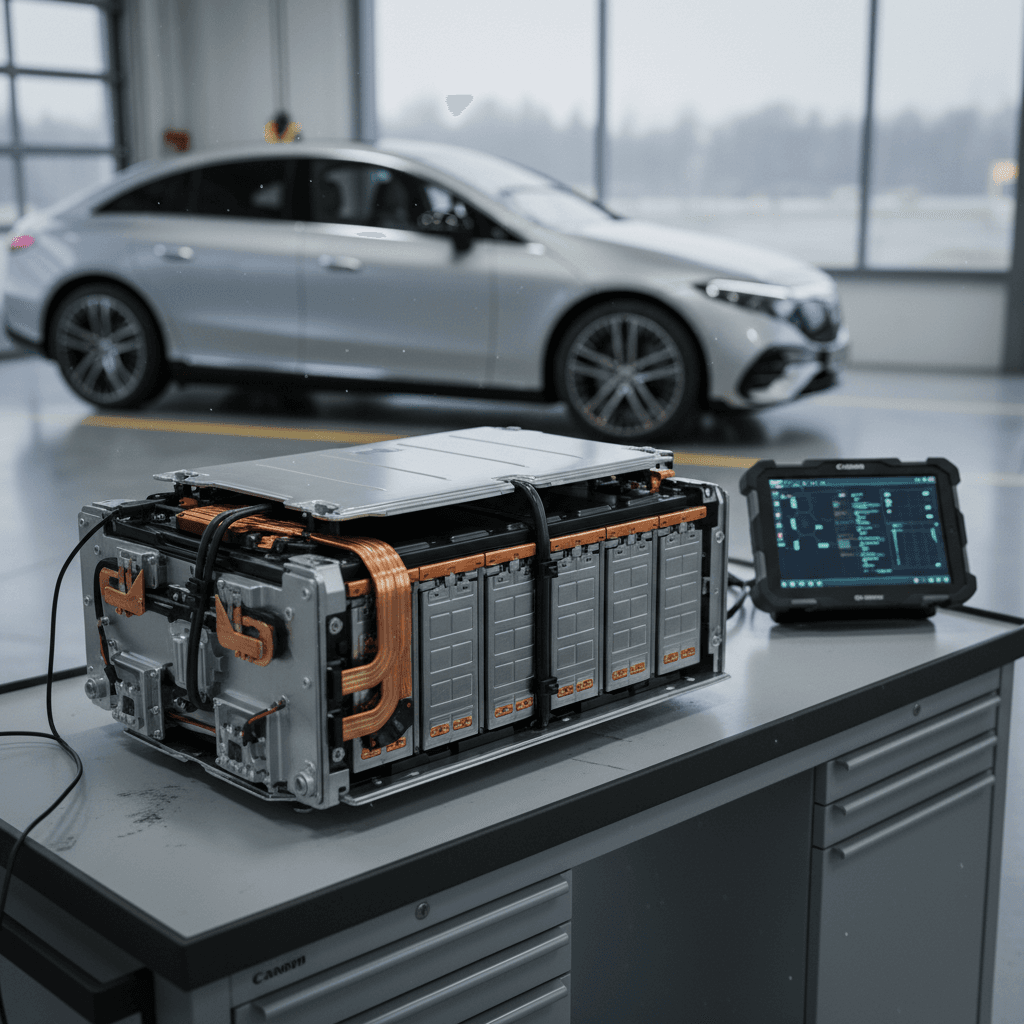
Mercedes typically uses diagnostic tools and standardized tests at the dealership to measure usable capacity. The number on your dash isn’t the final word; the brand’s internal test process is what decides if the battery is below the warranty floor.
Typical EV capacity floor
If your EQE still meets the capacity threshold, say the pack tests at 74% usable capacity, that’s generally considered “within spec,” even if you personally wish it were higher. The warranty is written around that threshold, not your original EPA range number.
Warranty coverage on used Mercedes EQE models
This is where the Mercedes EQE battery warranty gets especially interesting for shoppers. Because coverage follows the car, a well‑cared‑for EQE can still have several years of battery protection left when it hits the used market, sometimes more warranty than a comparable gas luxury sedan.
How the EQE battery warranty behaves when the car is sold
What a second or third owner should know
Warranty usually transfers
Same clock, new owner
Documentation matters
Where Recharged fits in
If you’re comparing EQEs on different lots, a car with a clearly documented battery history and transparent state‑of‑health data is a safer bet than a mystery car with only a clean detail job.
How Mercedes EQE battery warranty claims typically work
If you suspect your EQE’s battery has a defect or has lost range unusually fast, the path to a warranty decision is fairly standard across EV brands, and Mercedes is no exception.
Typical steps in an EQE battery warranty claim
1. Document the symptoms
Make notes about range changes, warning lights, charging issues, or sudden drops in state of charge. Screenshots from the instrument cluster or app can help tell the story.
2. Schedule a visit with a Mercedes dealer
High‑voltage warranty work usually has to go through an <strong>authorized Mercedes‑Benz service center</strong>. Third‑party shops generally can’t initiate official battery warranty claims.
3. Allow diagnostic testing
The dealer will run factory diagnostics and, if needed, perform more involved testing to measure usable capacity and look for fault codes. This can take time, especially if Mercedes engineers need to review the data.
4. Await the brand’s decision
If the battery fails the test or falls below the capacity threshold, Mercedes can authorize a repair or replacement. If it’s still within spec, they may document the visit and send you on your way.
5. Keep records
Hold onto repair orders, diagnostic reports and any communication you get from the dealer. That paper trail can be useful if an issue worsens later within the warranty window.
Expect some downtime
Real‑world battery life expectations beyond the warranty
A long warranty is reassuring, but it’s not the whole story. The real question for many buyers is: What happens in year 11? So far, data from earlier‑generation EVs suggests that well‑managed packs often retain 70–80% of their capacity after a decade, depending on climate and usage.
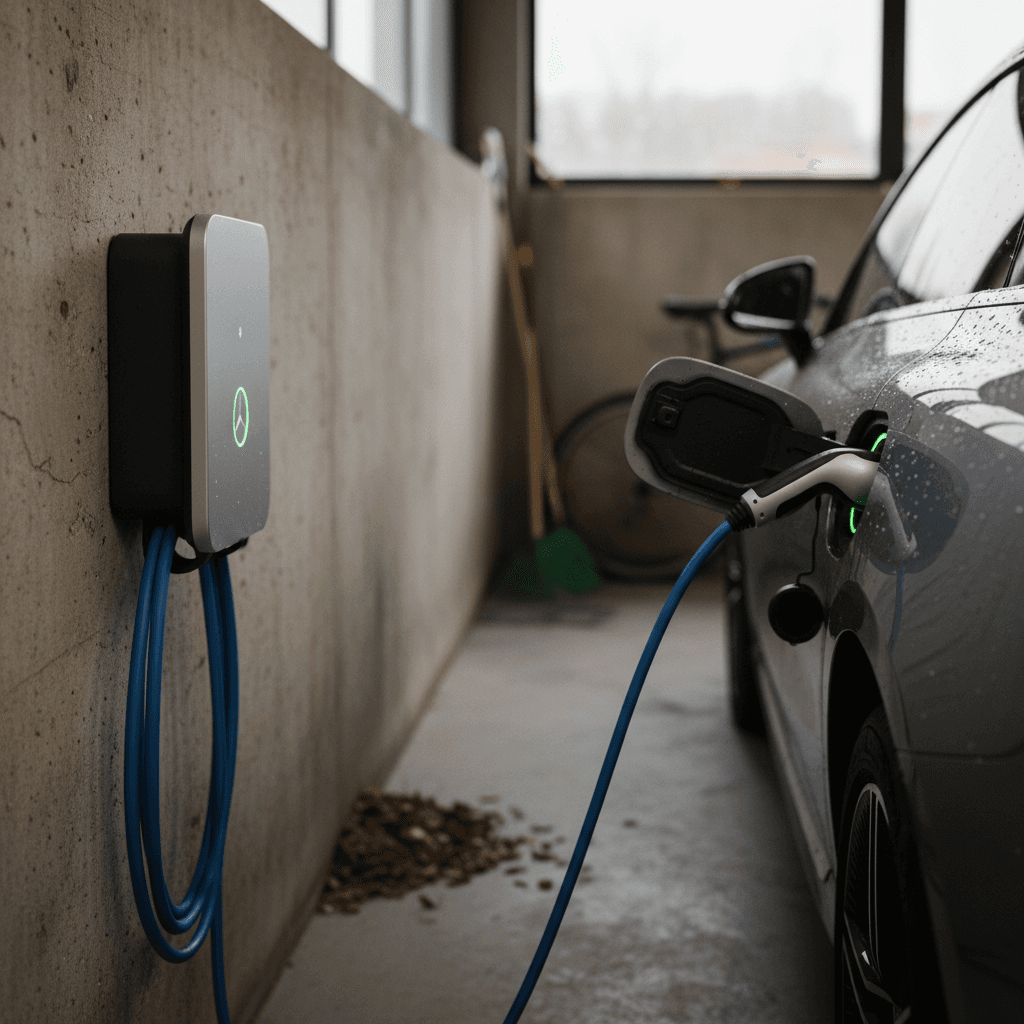
- Gentle daily use, mostly Level 2 home charging, few DC fast‑charge sessions, moderate climates, tends to preserve capacity best.
- Harsh conditions, frequent DC fast charging, extreme heat, constant 100% charging, can accelerate degradation, regardless of warranty.
- Software updates from Mercedes can sometimes tweak how the pack is managed, which can affect both range display and long‑term health.
Think range, not just years
Checklist before you buy a used Mercedes EQE
If you’re approaching the EQE from the used market, the factory battery warranty is only one piece of the risk puzzle. Use this checklist to stack the odds in your favor.
Used Mercedes EQE battery & warranty checklist
Confirm in‑service date and warranty end date
Ask for documentation showing when the car was first put into service and what the remaining battery warranty looks like on the VIN.
Request a recent battery health report
Look for <strong>state‑of‑health (SoH)</strong> data or capacity test results, not just an estimated range on the dash. Recharged’s Score Report provides this in a standardized format for EQEs on our platform.
Scan for warning lights and error messages
On a test drive, pay close attention to the instrument cluster and infotainment system. High‑voltage or battery‑system warnings can foreshadow expensive repairs.
Review charging history and patterns
If possible, learn whether the car was <strong>home‑charged vs. DC fast‑charged</strong> most of the time. Heavy DC fast‑charging isn’t an automatic deal‑breaker, but it’s a data point.
Check for signs of flooding or collision damage
Look underneath for rust or physical damage near the battery area. A clean CARFAX report plus a visual inspection are both worth your time.
Have an EV‑savvy shop inspect it
If you’re buying outside a brand dealer, consider an independent EV specialist to double‑check the high‑voltage system. Or, buy through Recharged, where battery health and history are baked into the process.
Mercedes EQE battery warranty FAQ
Frequently asked questions about the Mercedes EQE battery warranty
Bottom line: Is the Mercedes EQE battery warranty enough?
For most drivers, the Mercedes EQE’s battery warranty is robust enough to de‑risk the first decade of ownership, especially if you’re buying in the first few years of the car’s life. The key is understanding what it actually promises, a safety net against defects and abnormally fast degradation, not a guarantee of brand‑new range forever.
If you’re shopping used, the smartest move is to combine that factory coverage with real‑world battery data. That’s exactly what Recharged was built for: verified battery health, transparent pricing, and expert EV guidance baked into every used‑EV purchase. With the EQE, that combination of a long factory warranty and clear diagnostics can turn an intimidating battery question into a confident buying decision.