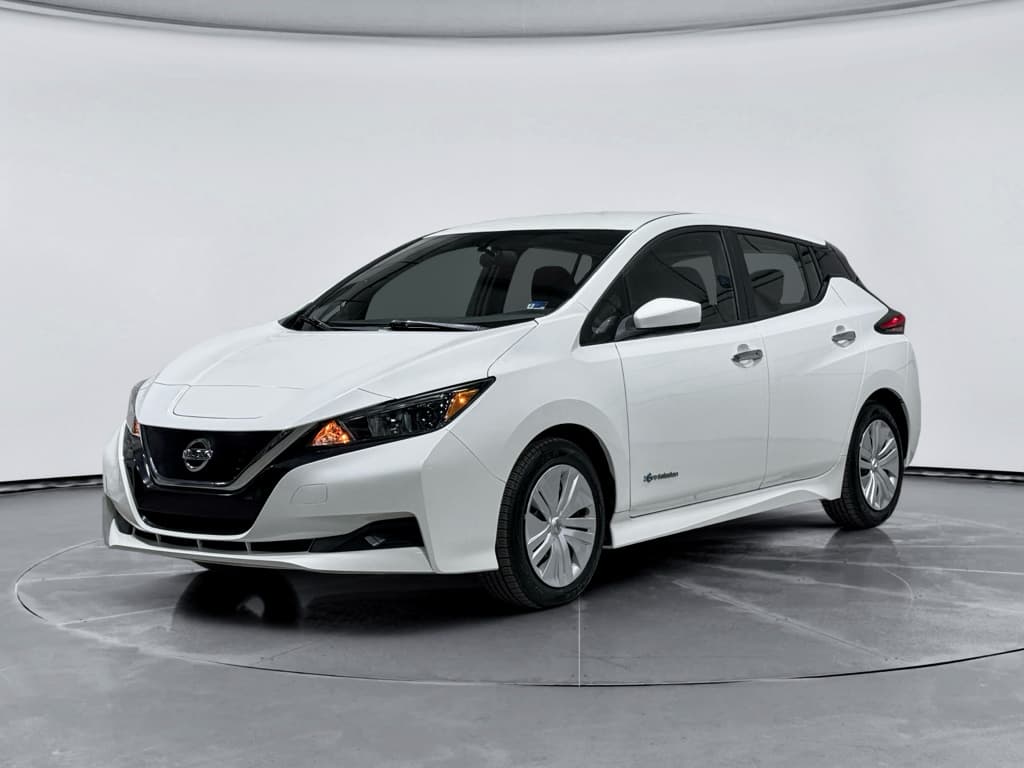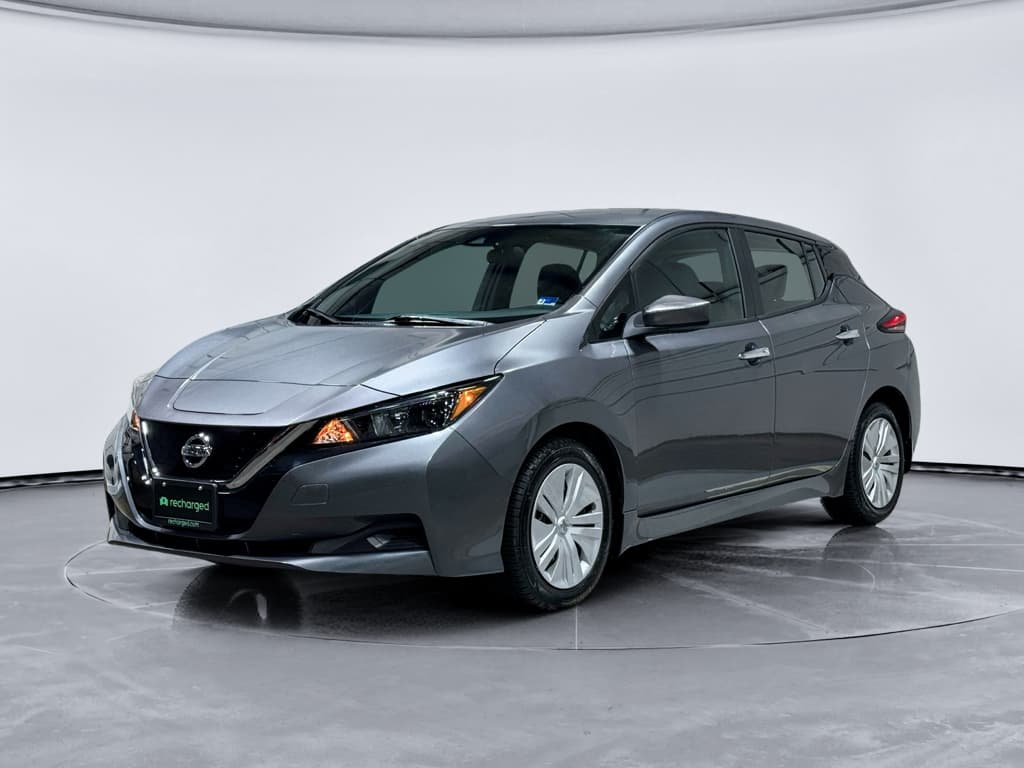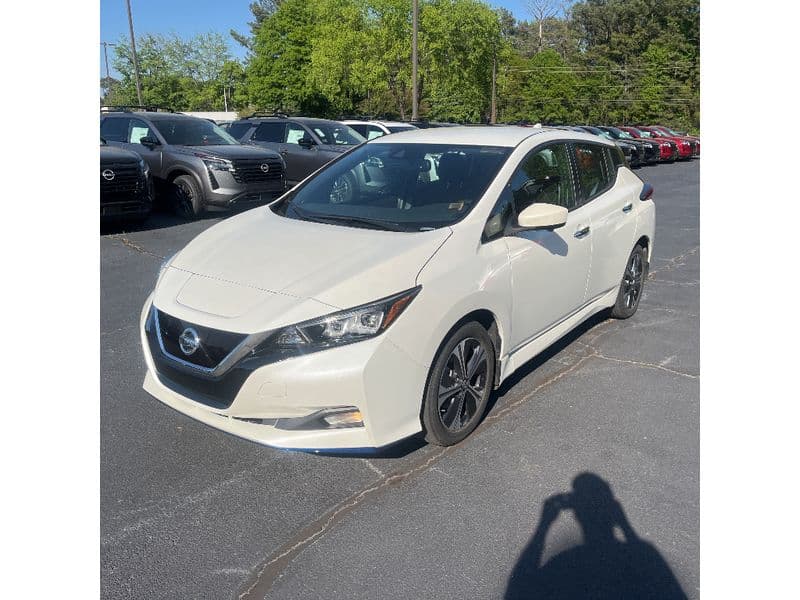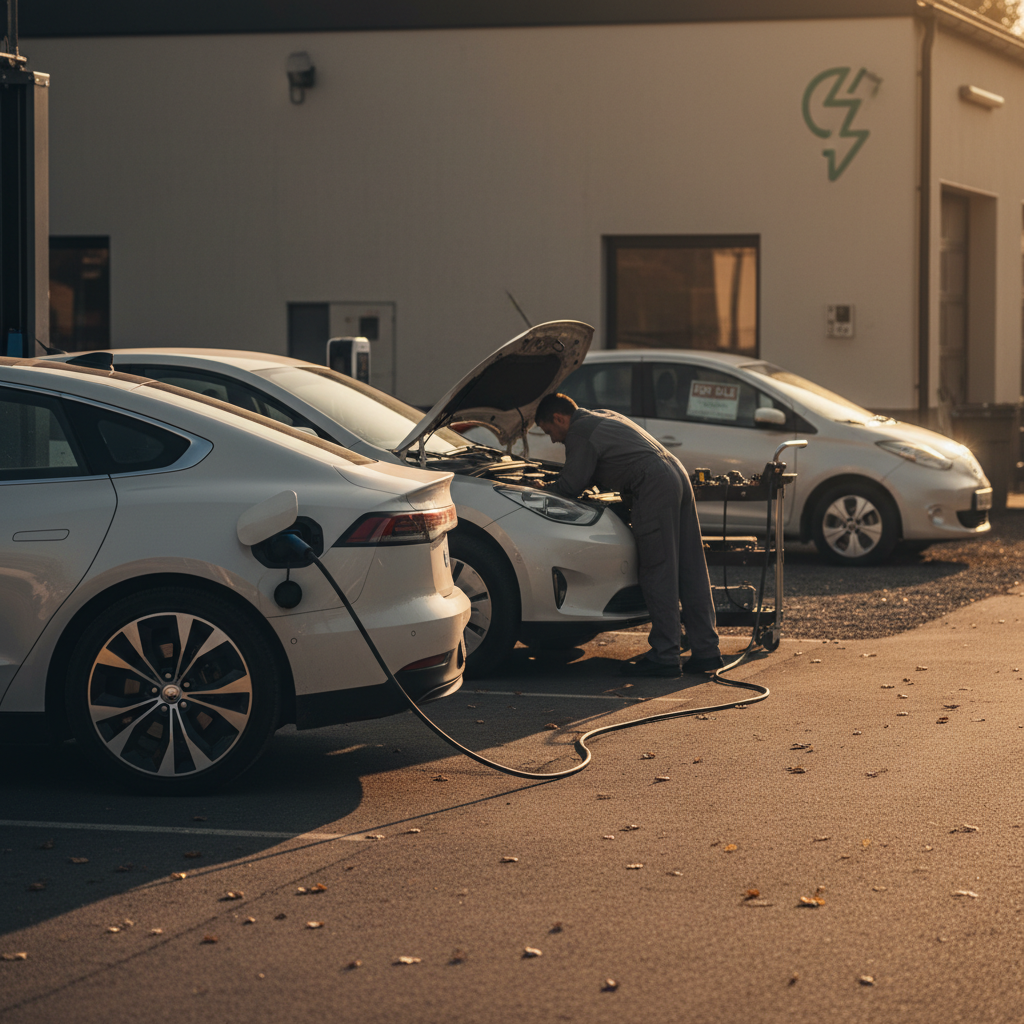
If you’re shopping for an affordable used EV, the 2021 Nissan Leaf will show up on almost every search. It’s one of the most common electric hatchbacks on the used market, and by 2026 many are coming off lease at attractive prices. This 2021 Nissan Leaf review focuses on what matters now, real-world range, battery health, charging limitations and ownership costs, so you can decide if it fits your daily life before you sign anything.
Bottom line up front
2021 Nissan Leaf overview
The 2021 Nissan Leaf is part of the second-generation Leaf that launched in 2018. By this point, Nissan had ironed out many early-EV quirks and added more range, power and driver-assistance tech. As a used EV in 2026, its appeal is simple: low purchase price, simple driving experience and cheap fuel costs compared with a similar gas hatchback.
Key pros and cons of the 2021 Nissan Leaf
What you’re really trading off when you buy one used
What the 2021 Leaf does well
- Value: Typically thousands less than comparable Chevy Bolt EV or Hyundai Kona Electric.
- Smooth, quiet drive: 147–214 hp feels punchy around town.
- Easy to live with: Compact hatchback footprint, simple controls and good visibility.
- Strong reliability scores: Owner ratings around 4.4/5 for reliability and quality.
- Standard safety tech: Automatic emergency braking and available ProPILOT Assist.
Where the 2021 Leaf falls short
- Range: 149 miles (standard battery) is modest by 2026 standards.
- CHAdeMO fast charging: Public networks are shrinking in the U.S.
- Depreciation: Values have fallen quickly, which is great for buyers but tough for resale.
- Battery thermal management: No liquid cooling, so heat can accelerate degradation.
- Road-trip limitations: Network and range make it a commuter-first EV.
Specs, range and performance
For 2021, Nissan sold two basic flavors: the regular Leaf with a 40 kWh battery, and the Leaf Plus with a 62 kWh pack. All models are front-wheel drive with a single electric motor.
2021 Nissan Leaf range and power by trim
How much range and performance you actually get with each 2021 Leaf configuration.
| Trim | Battery | Horsepower | EPA range (mi) | 0–60 mph (approx.) |
|---|---|---|---|---|
| Leaf S / SV / SL | 40 kWh | 147 hp | 149 | ~8.0 seconds |
| Leaf S Plus | 62 kWh | 214 hp | 226 | ~7.0 seconds |
| Leaf SV Plus / SL Plus | 62 kWh | 214 hp | 215 | ~7.0 seconds |
EPA-rated range is under ideal conditions. Expect lower range in cold weather, at highway speeds or with heavy loads.
In everyday driving, the standard Leaf feels lively up to city speeds thanks to instant electric torque. The Plus models add noticeably more punch for highway merging and a meaningful bump in range, especially if you regularly drive more than 60–70 miles in a day.
Range reality check
Charging and CHAdeMO reality check
Every 2021 Nissan Leaf can charge on Level 1 (120V household outlet) or Level 2 (240V home or public station) using its standard J1772 port, and most trims include DC fast-charging via Nissan’s CHAdeMO connector.
- Level 2 charging: 6.6 kW onboard charger. Roughly 7.5 hours for a full charge on the 40 kWh pack and around 11.5 hours on the 62 kWh battery, from near empty.
- DC fast charging: Up to 50 kW on standard Leaf and up to around 100 kW on Leaf Plus in ideal conditions, using CHAdeMO.
- Home setup: Many owners install a dedicated 240V home charger to reliably refill overnight.

CHAdeMO is fading in the U.S.
For many used Leaf buyers, that CHAdeMO limitation isn’t a dealbreaker because the car lives as a home-charged commuter. But if you want a flexible road-trip EV, competitors like the Chevy Bolt EUV, Hyundai Kona Electric or newer CCS/NACS-equipped models will be easier to fast charge nationwide.
Battery health, recalls and degradation
Battery condition is the single most important variable when you’re evaluating a used 2021 Nissan Leaf. The car’s chemistry and passive air cooling mean it can see more degradation in hot climates or with heavy fast-charger use compared with some liquid-cooled rivals.
What we see in 2021 Leaf battery health on the used market
Important: 2021 Leaf battery fire recall
When you shop used, don’t rely only on the 12-bar battery icon in the cluster. It’s directionally useful, if a car is already down to 8–9 bars, assume significant range loss, but it doesn’t replace a proper diagnostic scan. This is exactly where tools like the Recharged Score battery health report come in: they quantify remaining capacity and fast‑charge history so you’re not guessing about the pack’s condition.
How Recharged helps with Leaf battery risk
Ready to find your next EV?
Browse VehiclesInterior, space and tech
Inside, the 2021 Leaf is more practical than flashy. Materials are mainstream compact‑car grade, but the cabin is quiet, with supportive front seats and easy step‑in height. The rear seat comfortably fits two adults, and the hatchback layout makes it easy to haul groceries, strollers or a set of golf clubs.
Space and practicality
- Hatchback utility: A tall cargo opening and fold‑down rear seats make the Leaf feel more like a small crossover than a sedan.
- Family duty: Two child seats across the rear bench are doable, though three‑across is tight.
- Quiet city manners: The lack of engine noise and smooth electric torque make stop‑and‑go driving less stressful.
Tech and driver aids
- Touchscreen infotainment with smartphone integration on most trims.
- Available ProPILOT Assist adds lane centering and adaptive cruise for easier highway driving.
- Digital driver display offers EV‑specific info like energy use and simple routing suggestions.
Driving experience
Safety ratings and driver-assist tech
By 2021, the Leaf had matured into a well‑equipped safety package. Later models benefit from upgraded airbags and structural tweaks that improved crash performance compared with early second‑gen Leafs.
- Standard automatic emergency braking with pedestrian detection on all trims.
- Available blind‑spot monitoring, rear cross‑traffic alert and lane‑departure warning.
- Available ProPILOT Assist, which combines adaptive cruise control with lane centering on highways.
- Strong overall crash-performance foundation, with structural improvements added from the 2020 model year onward.
Which trims get the best safety tech?
Used 2021 Leaf prices and depreciation
Here’s where the 2021 Nissan Leaf becomes particularly interesting for value shoppers. The model has depreciated faster than many EV rivals, which hurts first owners but creates opportunity on the used market.
2021 Leaf value snapshot in 2026 (U.S.)
In practical terms, you can often buy a 2021 Leaf for less than a same‑year gas compact with similar mileage, even though the EV will be far cheaper to run day‑to‑day. Insurance and registration costs are typically comparable, while electricity costs and maintenance are dramatically lower.
How depreciation works in your favor
Trim guide: Leaf vs Leaf Plus
Trim naming can be confusing on used listings, but what really matters is whether you’re looking at the standard 40 kWh Leaf or the 62 kWh Leaf Plus. Here’s a quick breakdown to help your search filters work for you.
2021 Nissan Leaf trim overview
Key differences between major 2021 Leaf trims when shopping used.
| Trim | Battery | Key features | Who it suits |
|---|---|---|---|
| S | 40 kWh | Lower price, cloth seats, basic infotainment, DC fast charge port often optional. | Budget commuter with short, predictable trips and home charging. |
| SV | 40 kWh | More comfort and tech features, DC fast charging more common, available ProPILOT Assist. | Drivers who want extra equipment but don’t need long‑range capability. |
| SL | 40 kWh | Top 40 kWh trim, leather, more active safety and convenience features. | Buyers prioritizing comfort over range. |
| S Plus | 62 kWh | Bigger battery and more power with simpler equipment level. | Range‑conscious shoppers who still want a good deal. |
| SV Plus | 62 kWh | 62 kWh battery with popular tech and driver‑assist features, including ProPILOT on many cars. | Balanced pick for most used buyers. |
| SL Plus | 62 kWh | Fully loaded 62 kWh Leaf with premium interior touches. | Shoppers who want maximum comfort and don’t mind paying a bit more. |
Equipment can vary with packages, but this table captures the core differences most buyers care about.
Shortlist trims like this
Who the 2021 Leaf is (and isn’t) for
Great fit if you:
- Drive under 70–80 miles most days and can charge at home overnight.
- Want an EV primarily for commuting, school runs and errands, not cross‑country road trips.
- Value low running costs and are willing to accept older fast‑charging tech.
- Live in a moderate climate or can garage the car in extreme heat or cold.
- Are shopping on a budget but still want solid safety and a modern driving experience.
Might not be right if you:
- Regularly drive long highway distances or rely on public fast charging.
- Live in an area with few or no CHAdeMO chargers.
- Need maximum cargo room or tow capability.
- Want the latest, longest‑range EV tech and are willing to pay for it.
- Plan to rely on DC fast charging frequently, which isn’t ideal for this battery design.
Buying checklist for a used 2021 Nissan Leaf
Essential checks before you buy a 2021 Leaf
1. Verify battery health beyond the 12 bars
Use a professional scan or a battery‑health report like the <strong>Recharged Score</strong> instead of relying only on the dash gauge. A few percentage points of capacity can make a big difference in winter range.
2. Confirm all recalls and software updates
Given the Level 3 charging fire‑risk recall, make sure all recall campaigns and BMS updates have been completed. Ask for documentation or confirm via a VIN lookup.
3. Check fast‑charge history and usage
Frequent DC fast charging, especially in very hot climates, can accelerate degradation. Favor cars that mostly saw home or workplace Level 2 charging.
4. Inspect tires, brakes and suspension
EVs are heavier than comparable gas cars and can be harder on tires and suspension components. Uneven tire wear may hint at alignment or suspension issues.
5. Test all charging options
If possible, plug into both Level 2 and a CHAdeMO fast charger before purchase. Confirm that charge rates look normal and no warning lights appear.
6. Make sure the Leaf’s range fits your real routine
Drive a realistic loop, highway plus city, watching estimated range drop versus miles driven. Build in extra margin for cold weather and future battery aging.
Don’t skip a professional evaluation
2021 Nissan Leaf FAQ
Frequently asked questions about the 2021 Nissan Leaf
Final thoughts: Is the 2021 Nissan Leaf a good used EV?
As a used buy in 2026, the 2021 Nissan Leaf is all about smart tradeoffs. You accept modest range and an aging CHAdeMO fast‑charging standard in exchange for a low purchase price, quiet and easy daily driving, and the kind of simple, low‑maintenance ownership experience that many first‑time EV shoppers want.
If your life is built around predictable commuting and home charging, and you verify that the battery is healthy and recall work is complete, a 2021 Leaf, especially an SV Plus or SL Plus, can deliver a lot of electric car for the money. If you need frequent long‑distance capability or public fast charging, you may be better served by a newer EV built around CCS or NACS.
Recharged exists to make that decision easier. With Recharged Score battery diagnostics, transparent pricing, remote financing and nationwide delivery, you can shop used EVs like the 2021 Leaf with far more confidence than a typical private‑party sale or generic used‑car lot. When you’re ready to explore options, you can browse, trade in and complete the whole purchase journey online, backed by EV specialists who live and breathe this market every day.