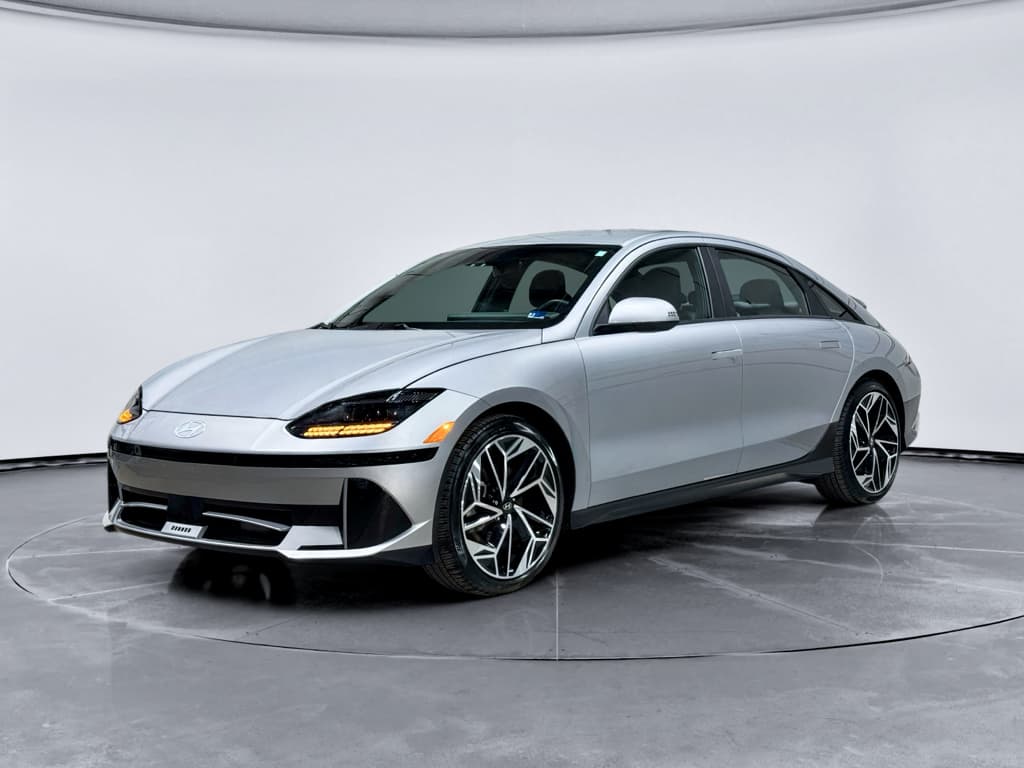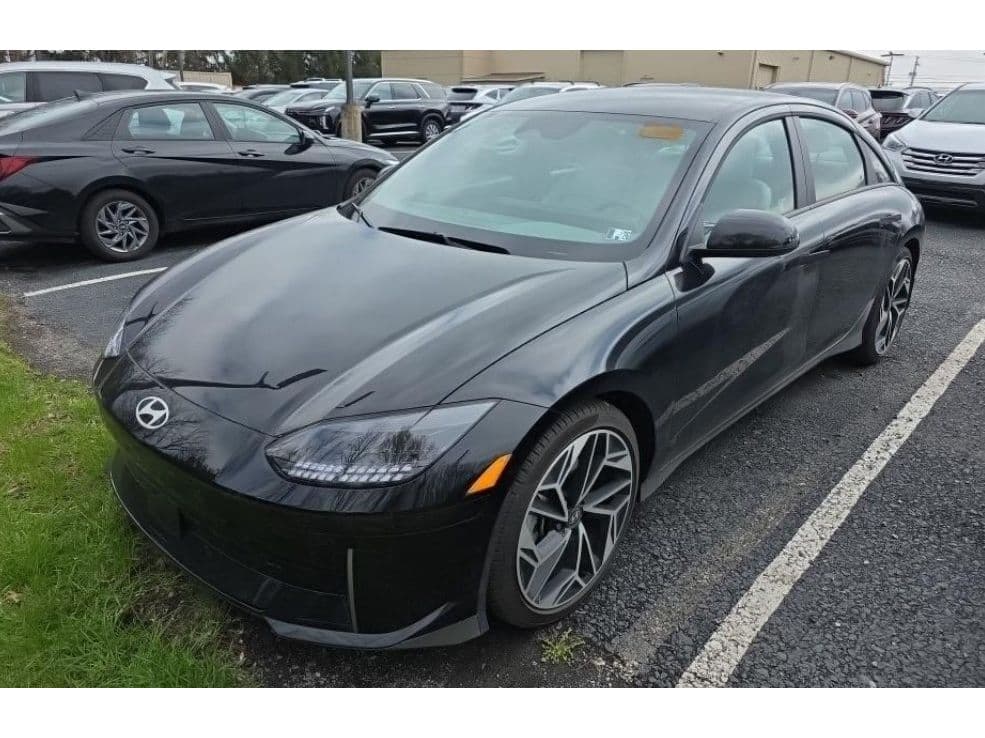
You don’t have to spend long on EV forums to hear it: the Hyundai Ioniq 6 takes a big hit in the first few years. That makes “Hyundai Ioniq 6 value after 5 years” a very real question whether you’re driving one now or eyeing a used example. The good news is that once you understand how its depreciation curve works, you can time your purchase, or sale, to work in your favor.
Context for this guide
Hyundai Ioniq 6 5‑year value at a glance
Ioniq 6 5‑year value snapshot (U.S. market)
If you bought a new Ioniq 6 at full sticker in 2023–2025, the 5‑year depreciation number may sting. But if you’re shopping used, the same curve turns the Ioniq 6 into one of the best value aero-sedan EVs you can buy once it hits the 4–6‑year mark.
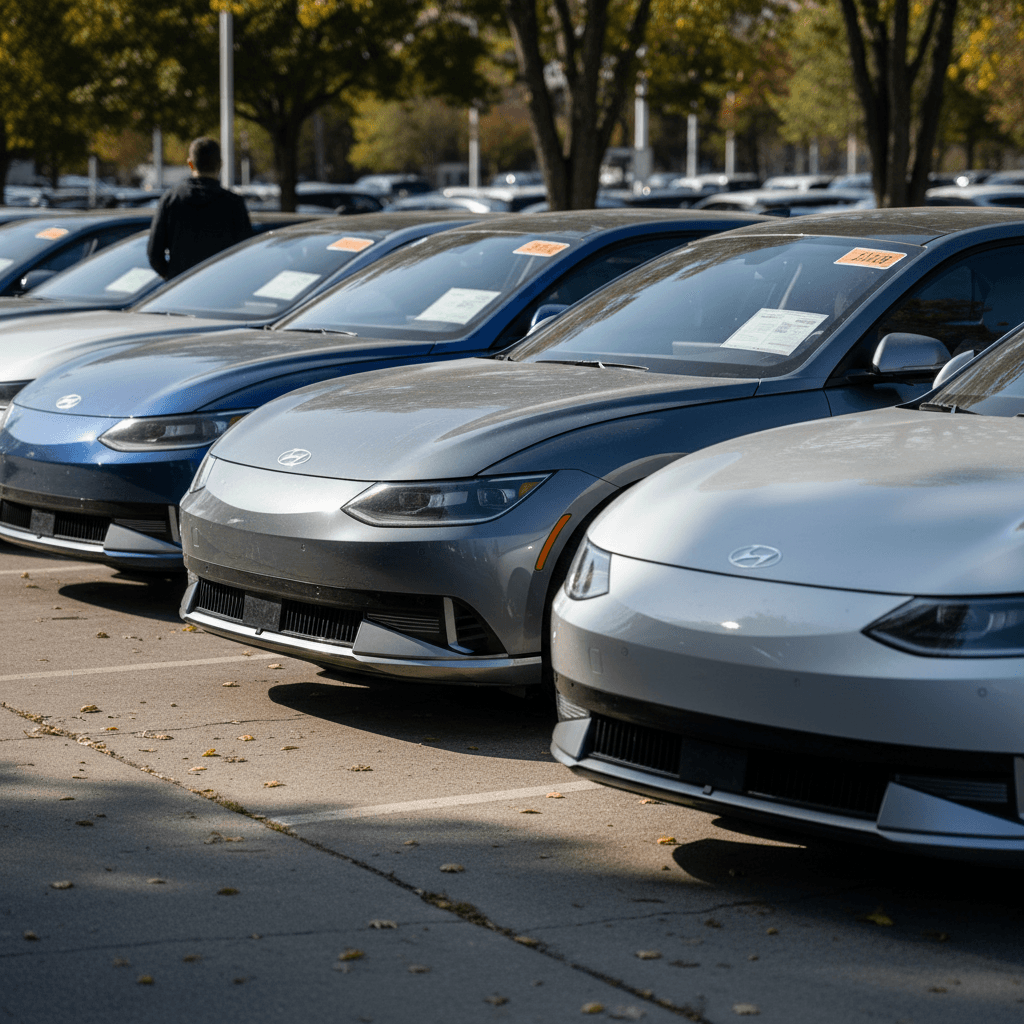
How much value does a Hyundai Ioniq 6 lose in 5 years?
Let’s start with the question you’re really asking: what is a Hyundai Ioniq 6 worth after 5 years? Exact numbers will always depend on trim, incentives, and mileage, but we can sketch a realistic range based on early market data and cost‑to‑own models.
Illustrative 5‑year value example for a Hyundai Ioniq 6
Approximate U.S. depreciation pattern for a mainstream trim (e.g., SEL or Limited) driven 12,000–15,000 miles per year. Numbers are rounded for clarity, not appraisal quotes.
| Year | Approx. market value | % of original price | What’s happening |
|---|---|---|---|
| New (MSRP) | $48,000 | 100% | Fresh off the lot, before incentives or discounts. |
| Year 1 | $36,000–$38,000 | 75–80% | Instant new‑car hit plus first‑year EV price pressure and incentives on new inventory. |
| Year 3 | $29,000–$31,000 | 60–65% | Biggest drop is behind you; values begin to stabilize as leases and early trades hit the used market. |
| Year 5 | $22,000–$25,000 | 45–52% | Typical 5‑year Ioniq 6 holds roughly half its original MSRP, depending on mileage and condition. |
These figures assume a near‑MSRP purchase. Buying with heavy incentives can soften your real‑world hit, even if the percentage drop looks the same on paper.
MSRP vs. what you actually paid
If you’re projecting 5‑year value, focus less on the theoretical MSRP drop and more on your actual transaction price. A $48,000 car you bought for $38,000 and sell for $22,000 after 5 years has “lost” 54% of MSRP, but only $16,000 of your cash.
Why the Ioniq 6 depreciates the way it does
Key forces shaping 5‑year Ioniq 6 value
Some pressures hurt value early, others help it recover later.
Heavy new‑car incentives
Fast‑moving EV tech
Strong warranty + awards
Versus a comparable gas sedan
A mid‑size gas sedan from a mainstream brand might hold 55–60% of its value after 5 years. Early data suggests the Ioniq 6 will land slightly below that on percentage terms, closer to the mid‑40s to around 50%, but your fuel and maintenance savings offset a lot of the difference.
Versus other non‑luxury EVs
Stacked against similar non‑luxury EVs, the Ioniq 6’s 5‑year profile is about average. You’ll likely see steeper early losses than a Tesla Model 3, but better or similar retention versus some compact crossovers and older, shorter‑range EVs.
Watch for model‑year “cliffs”
Battery health, warranty, and 5‑year value
On any used EV, battery health and warranty coverage are the backbone of resale value. The Ioniq 6 is built on Hyundai’s E‑GMP platform and sold in the U.S. with a long‑tail warranty that makes a 5‑year‑old example look a lot less risky than its price might suggest.
- Hyundai’s U.S. high‑voltage battery warranty is typically 10 years / 100,000 miles for the original owner, backing defects in materials or workmanship.
- Most 5‑year‑old Ioniq 6s will still have several years of EV system coverage left, especially if mileage is below ~75,000.
- Real‑world reports so far point to modest battery degradation when charged sensibly, nothing like the horror stories from first‑generation EVs.
Why battery reporting matters at year five
Ready to find your next EV?
Browse VehiclesBattery questions to ask about a 5‑year‑old Ioniq 6
1. What’s the remaining battery warranty?
Confirm in‑service date and mileage to see how much of the 10‑year/100,000‑mile battery warranty is left. A car with 5 years and 50,000 miles may still have a generous cushion.
2. How has it been charged?
Frequent DC fast charging isn’t a dealbreaker, but a car that lived on 350 kW fast chargers daily will often show slightly more degradation than one mostly charged on Level 2 at home.
3. Is there a recent battery health report?
Look for an independent State of Health (SoH) reading rather than just “range feels fine.” At Recharged, our battery diagnostics roll into a single Recharged Score to make that easy to compare.
4. Any battery or charging repairs under warranty?
Warranty work isn’t inherently bad, but a stack of battery or high‑voltage complaints deserves a closer look, and a professional inspection, before you buy.
5‑year cost of ownership vs. depreciation
It’s easy to get fixated on the number your Ioniq 6 might fetch at auction in year five. But total cost of ownership matters just as much as resale value by itself. Even if the car loses a bit more on paper than a gas sedan, you’re saving money in other columns.
Where the Ioniq 6 saves you money
- Electricity vs. gas: Many owners see fuel savings in the low four figures per year versus a similar gas sedan, depending on local rates and driving.
- Maintenance: No oil changes, fewer moving parts, and regenerative braking that stretches pad life can knock down routine costs.
- Incentives up front: Many early buyers stacked federal tax credits, state rebates, and big Hyundai discounts, lowering their true cost basis.
Where depreciation shows up
- High first‑owner drop: If you paid near MSRP before discounts grew, you’re carrying more paper loss into that 5‑year mark.
- Insurance and fees: Some owners report higher premiums for the Ioniq 6 than older gas cars; factor that into 5‑year math.
- Market cycles: EV values are sensitive to incentives, interest rates, and used‑car supply swings. Some of that is simply timing luck.
A simple way to think about it
Should you buy a 5‑year‑old Hyundai Ioniq 6?
From a value perspective, the sweet spot for the Hyundai Ioniq 6 is exactly where many shoppers feel nervous: around the 4‑ to 6‑year mark. Someone else has already absorbed the worst of the depreciation, yet you’re still inside the long battery warranty window and getting a modern, efficient EV.
5‑year‑old Ioniq 6: pros and cons for used buyers
What you gain, and what to watch for, if you buy around year five.
Why a 5‑year‑old Ioniq 6 can be a great buy
- Price has dropped into the low‑ to mid‑$20,000s for many trims, depending on mileage.
- You still get a slippery, aero‑efficient sedan with competitive range and ultra‑fast DC charging.
- Remaining battery and EV system warranty coverage reduces downside risk.
- Interior tech and safety features still feel current compared with many gas cars the same age.
Potential downsides at year five
- Earlier model‑year quirks (software, infotainment, ICCU issues) may show up if they weren’t already addressed.
- Depreciation will continue, just more slowly, but don’t expect collector‑car behavior.
- Fast‑charging habits and climate may have taken a small bite out of real‑world range on some examples.
How Recharged helps with 5‑year‑old EVs
How to protect your Ioniq 6’s resale value
If you own an Ioniq 6 today and plan to keep it 5 years or more, you can’t control the broader EV market. But you can absolutely control how attractive *your* car looks when it’s time to sell or trade.
7 ways to keep your Ioniq 6’s 5‑year value strong
1. Keep fast charging reasonable
Use DC fast charging when you need it, road trips, urgent top‑offs, but lean on Level 2 at home the rest of the time. It’s easier on the battery and looks better on a health report.
2. Stay on top of software updates
Hyundai has steadily improved charging curves, navigation, and driver‑assist tuning via updates. A car that’s up to date feels newer and drives better at resale time.
3. Document every service visit
Save invoices, recall documentation, and tire/rotation records. A clear paper trail reassures the next owner and can justify being firm on your asking price.
4. Fix small cosmetic issues early
Curb rash, door dings, and windshield chips are cheaper to address now than to negotiate away later. A clean body and interior can easily swing value by four figures in a competitive market.
5. Preserve both key fobs and accessories
Missing keys, charge cables, or cargo accessories are an easy way to knock hundreds off your sale price. Keep everything together in the owner’s packet.
6. Mind your mileage
You can’t always drive less, but you can think about timing. If you’re brushing up against a big mileage milestone (like 100,000 miles), consider selling a little earlier to keep the odometer more attractive.
7. Schedule a battery health check before listing
A recent, third‑party battery health report, like the diagnostics behind a Recharged Score, can turn a skeptical used‑EV buyer into a serious offer.
Selling or trading your Ioniq 6 after 5 years
By the time your Hyundai Ioniq 6 is around five years old, you’ve got options: sell it yourself, trade it at a dealer, or work with an EV‑focused marketplace. The right move depends on how much effort you’re willing to put in versus how much you want to squeeze out of that remaining value.
1. Private party sale
Often brings the highest price, especially for clean, low‑mileage cars with documented battery health. You’ll handle photos, listings, and test drives yourself, and you’ll need answers for every range and charging question.
2. Traditional dealer trade‑in
Quick and simple, but often the lowest offer on EVs like the Ioniq 6, especially from stores that don’t specialize in electric vehicles. Dealers may bake conservative assumptions about EV demand and battery risk into trade numbers.
3. EV‑specialist marketplace like Recharged
Bridges the gap: you can get an instant offer or consignment‑style sale where EV‑savvy advisors help price your Ioniq 6, showcase its battery health, and market it to buyers who actually want an electric sedan.
How Recharged can help you sell or trade
Hyundai Ioniq 6 5‑year value FAQ
Frequently asked questions about 5‑year Ioniq 6 value
Bottom line: Is the Ioniq 6 a good 5‑year bet?
If you’re chasing rock‑solid resale, the Hyundai Ioniq 6 isn’t a miracle worker. It depreciates faster than some gas sedans and a bit harder than the strongest‑holding EVs, especially in its first few years. But that’s only half the story. For used shoppers stepping in around year five, the same curve turns the Ioniq 6 into a sleek, efficient, fast‑charging EV at a price that would have seemed impossible when it was new.
For owners, the smartest play is to buy right, ideally with strong incentives, treat the battery and body kindly, and think in terms of a 7‑ to 10‑year horizon rather than trying to flip the car quickly. For buyers, a well‑documented 5‑year‑old Ioniq 6 with solid battery health and warranty coverage can be a very savvy purchase, especially when you shop through an EV‑focused marketplace like Recharged that puts battery data and fair pricing front and center.