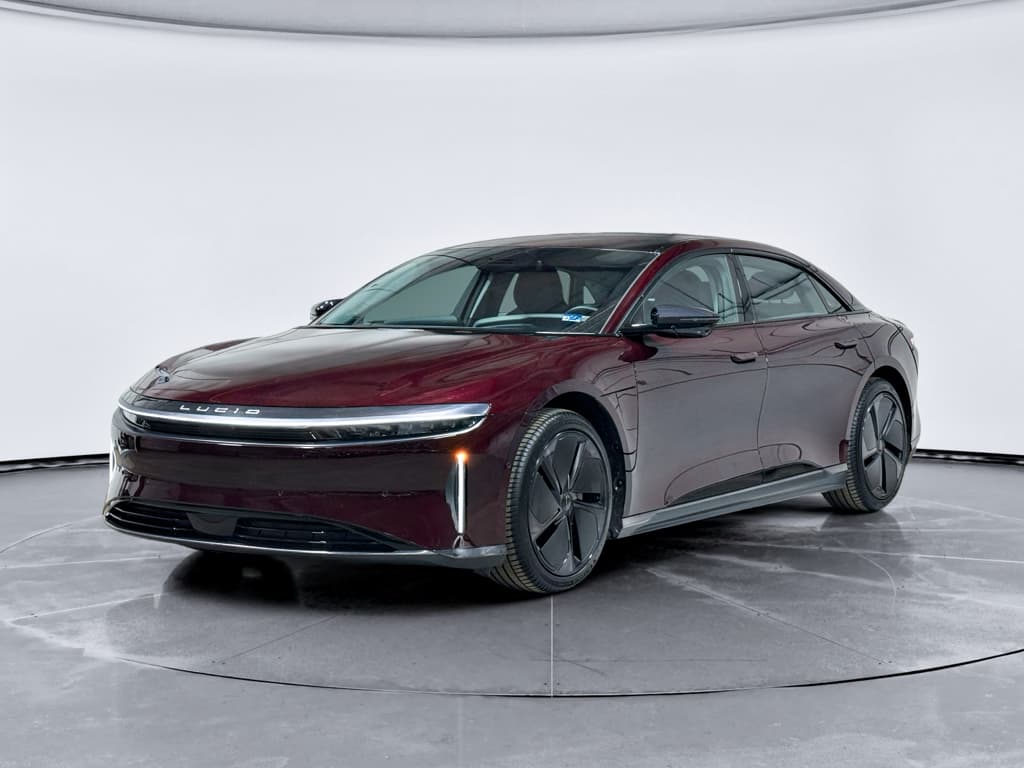
If you’re trying to understand Lucid Air value after 3 years, you’re really asking two questions: how hard these cars fall from their sky‑high MSRPs, and whether that makes them a bargain or a liability in 2026. Because Lucid is a young brand that has cut prices more than once, the Air’s 3‑year depreciation looks very different from a BMW or Tesla, in ways that can either hurt you as an owner or help you as a used buyer.
Key takeaway up front
Why Lucid Air value is so volatile after 3 years
To understand 3‑year value on a Lucid Air, you have to start with context. The car launched as a six‑figure, science‑project flagship with huge MSRPs and tiny sales volume. Then came supply chain shocks, price hikes, and later aggressive price cuts and incentives on new cars. That one‑two punch does not make for stable residuals.
- Early Grand Touring and Dream Edition cars commonly carried MSRPs well north of $130,000 when new.
- Lucid later cut pricing and added heavy incentives on newer Air Pure and Touring trims, compressing new prices into the $70,000–$90,000 range for many buyers.
- Used EVs overall saw double‑digit price drops between 2023 and 2025 as tax credits, higher interest rates, and tech churn pushed shoppers toward newer metal.
- Lucid is still building brand awareness and dealer/service infrastructure, which makes some mainstream buyers wary at luxury‑car price points.
Why the usual "percent off MSRP" stories break
How much does a Lucid Air lose in 3 years?
Lucid Air value snapshot after ~3 years
Data from independent resale‑value studies suggests that the typical Lucid Air has lost roughly 50–52% of its value by year three, with a residual value just under half of its initial price. That aligns with what we see in current listings and transactions: many 2022–2023 cars now sit in the mid‑$30,000s to mid‑$50,000s, versus original stickers that could easily exceed six figures on higher trims.
Think in dollars, not just percentages
3‑year Lucid Air value by trim and original price
Because MSRP and incentives vary so widely, it’s more honest to think in ranges than hard numbers. The table below uses illustrative but realistic three‑year scenarios for common Lucid Air configurations based on current used‑market patterns:
Illustrative 3‑year Lucid Air value by trim (early 2026)
Approximate examples of how different Lucid Air trims may look after ~3 years, assuming typical mileage and average condition. These are not offers, just directional guidance.
| Original trim & year (example) | When new (effective price) | Approx. age & miles | Typical 3‑yr value range | Implied depreciation |
|---|---|---|---|---|
| 2023 Air Pure | $75,000–$80,000 | 3 yrs / 30–36k mi | $38,000–$45,000 | ≈40–50% off effective price |
| 2023 Air Touring | $85,000–$95,000 | 3 yrs / 30–36k mi | $42,000–$52,000 | ≈40–55% off effective price |
| 2022 Air Grand Touring | $120,000–$140,000 | 3–4 yrs / 35–45k mi | $55,000–$70,000 | ≈45–60% off effective price |
| 2022 Dream Edition | $150,000+ | 3–4 yrs / 20–35k mi | $80,000–$100,000 | ≈35–50% off effective price in % terms, huge dollar loss |
| 2023–2024 higher‑incentive cars | MSRP $90k, paid ~$70k after credits | 2.5–3 yrs / 25–35k mi | $42,000–$50,000 | Looks like 45–50% vs MSRP, but closer to 30–40% vs what buyer actually paid |
Actual value depends on build spec, miles, incentives paid when new, region, and condition.
MSRP vs. “effective price paid”
What actually drives your 3‑year Lucid Air value
Four forces behind Lucid Air 3‑year value
Beyond age and mileage, these are what used‑market buyers are really pricing in.
1. Brand risk & service access
Lucid is still a startup. Shoppers price in questions like:
- Will there be a nearby service center?
- How robust is roadside and warranty support?
- Will the brand still be around in 5–10 years?
That uncertainty tends to pull values down vs. established German luxury brands.
2. EV tech pace
The Air launched with cutting‑edge range and performance. But EV tech moves fast:
- Newer EVs add faster charging, updated driver‑assist, and slicker infotainment.
- Lucid’s own software has evolved quickly, making early builds feel older.
That undercuts older cars more than in the gas‑car world.
3. New‑car incentives
When Lucid discounts new Air inventory or offers subvented lease deals, used prices feel the gravity:
- Shoppers cross‑shop new after‑incentive prices vs. 3‑year‑old examples.
- Big new‑car incentives compress used values, especially on higher trims.
4. Warranty & perceived reliability
Buyers pay up for cars with:
- Solid remaining factory warranty coverage.
- Clean service history and minimal software drama.
- No major accident, wheel, or suspension repairs.
Out‑of‑warranty or glitch‑plagued examples take a harder hit.
Mileage and usage pattern
A 3‑year‑old Air with 18,000 miles and mostly highway commuting will look very different than one with 50,000 miles of stop‑and‑go and curb‑rashed 21‑inch wheels.
- Under ~12k mi/year is a mild plus in this segment.
- Above ~15k mi/year starts to drag values down more quickly.
- Frequent fast‑charging without thermal management awareness can also spook informed buyers.
Spec and wheel choice
In the Lucid world, spec matters a lot:
- Grand Touring and Dream carry prestige but smaller buyer pools and big dollar drops.
- Practical options like 19‑inch wheels and comfort packages often help resale more than maxed‑out performance.
- Controversial colors or unusual interiors can narrow the audience.
The three biggest value killers at 3 years
Battery health and software: invisible but critical to value
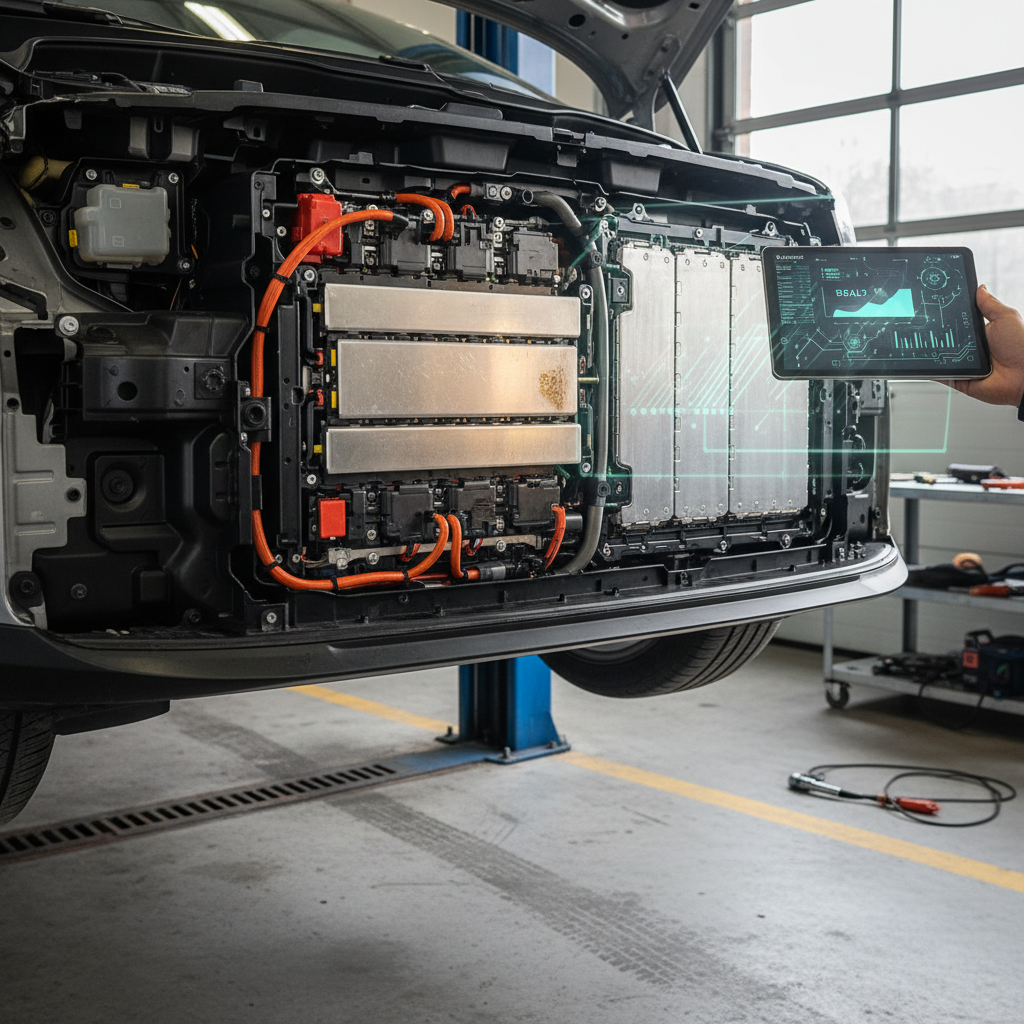
Unlike a gas luxury sedan, a 3‑year‑old Lucid Air lives and dies on its battery health and software maturity. The good news: early owner data suggests that, when treated reasonably, Lucid packs are holding up well in the first years. The bad news: not every seller can show you clear proof, and software history is all over the map.
3‑year Lucid Air battery & software value checklist
1. Ask for a quantified battery‑health report
Don’t settle for “range looks fine.” Look for a <strong>state‑of‑health (SoH)</strong> metric or third‑party diagnostic that measures usable capacity compared with new. Recharged, for example, includes a <strong>Recharged Score battery report</strong> so you can see real degradation, not just an estimate.
2. Compare real range to original EPA
On a 3‑year‑old Grand Touring, you shouldn’t see a dashboard range that’s fallen off a cliff. A modest single‑digit percent drop vs. original EPA is normal; big gaps deserve harder questions.
3. Review charging behavior
Ask how often the car was DC fast‑charged, and whether it routinely sat at 100% charge. Occasional road‑trip fast‑charging is fine; daily 100% charges plus hot‑weather abuse is not ideal for long‑term value.
4. Check software version and update history
Lucid has rolled out major interface and stability updates since launch. A 3‑year‑old Air that’s been kept current, and shows fewer bug‑related service visits, will be worth more than one stuck on early firmware.
5. Inspect tires, wheels, and suspension
On heavy, powerful EVs, <strong>bent wheels and worn suspension</strong> show up early. Uneven tire wear or chronic alignment issues can hint at curb strikes or rough usage, and that absolutely affects what a savvy buyer will pay.

Selling a 3‑year‑old Lucid Air: trade‑in vs private vs marketplace
If you’re sitting on a 2022 or 2023 Lucid Air today, you’ve already felt the sting of depreciation. The strategic question now is how to exit without leaving more money on the table than necessary. Each selling path has distinct trade‑offs.
Main ways to sell a 3‑year‑old Lucid Air
You’re balancing price, hassle, and who understands a startup‑brand luxury EV.
1. Traditional dealer trade‑in
Pros:
- Fast and simple, especially if you’re swapping into another car.
- Tax savings in some states when you apply trade value to a new purchase.
Cons:
- Many dealers are wary of low‑volume EVs and may undervalue an Air vs. book numbers.
- Limited appetite to diagnose battery and software condition, so they default to conservative offers.
2. Private‑party sale
Pros:
- Highest potential selling price if you find the right Lucid‑savvy buyer.
- You can explain unique options, service history, and charging perks.
Cons:
- Managing test drives, payment risk, and paperwork on a high‑value EV.
- Smaller buyer pool, especially outside EV‑dense regions.
3. EV‑focused marketplace or consignment
Pros:
- Platforms like Recharged understand used‑EV pricing, demand, and battery health.
- Can reach a national audience and handle inspection, listing, and paperwork.
Cons:
- Fees or commissions vs. doing it entirely yourself.
- Process may take longer than a same‑day trade‑in.
How Recharged can help you sell
Buying a 3‑year‑old Lucid Air: where the value sweet spot is
From a buyer’s perspective, 3‑year‑old Lucid Airs are where the math starts to get interesting. You’re often looking at 50%‑ish off original MSRP while still keeping plenty of factory warranty and cutting‑edge range. But not every configuration or history makes sense.
Quick value snapshot for shoppers
3‑year‑old Lucid Air buying checklist
1. Decide if you really need Grand Touring or Dream power
The performance and range are spectacular, but so are the repair and tire bills. For many buyers, a <strong>Touring or well‑spec’d Pure</strong> delivers 90% of the experience at a friendlier 3‑year price.
2. Prioritize strong remaining warranty
Ideally, your 3‑year‑old Air still has multiple years of <strong>powertrain and high‑voltage battery coverage</strong>. That’s a key part of the value story on any startup‑brand EV.
3. Get a real battery and charging health read
Whether you buy through Recharged or elsewhere, insist on <strong>quantitative battery diagnostics</strong> and documented fast‑charging history when possible. Don’t guess on the most expensive component in the car.
4. Look for clean, boring service history
You want boring: basic maintenance, recall work, minor trim fixes. Multiple visits for mysterious warnings, no‑start events, or recurring sensor issues are red flags unless they have a clear, permanent fix on record.
5. Cross‑shop with newer subsidized EVs
Incentives on new EVs can be fierce. Before you commit to a 3‑year‑old Air, compare <strong>total cost of ownership</strong> against a newer car that qualifies for point‑of‑sale tax credits or subvented leasing.
6. Use a specialist marketplace when possible
A generalist dealer may not understand why a certain Air spec or battery reading should command a premium. EV‑focused platforms like <strong>Recharged</strong> are built to price these nuances correctly and support you end‑to‑end, including financing and delivery.
How Recharged helps you de‑risk Lucid Air depreciation
Lucid Air depreciation is real, and sharp in those first 3 years, but that doesn’t mean you have to fly blind. The whole reason Recharged exists is to make used EV ownership transparent and predictable, especially for complex cars like the Air.
What Recharged adds on a used Lucid Air
Tools and services aimed directly at the value questions you care about.
Recharged Score battery health diagnostics
Every Lucid Air listed on Recharged includes a Recharged Score Report that measures:
- Battery state of health (SoH) vs. new.
- Charging behavior patterns and any warning signs.
- Drive‑unit and thermal‑system checks where data is available.
That makes 3‑year value a matter of data, not vibes.
Fair‑market pricing and expert guidance
Recharged analyzes actual market transactions, incentives, and Lucid‑specific quirks to price cars fairly for both sides. Our EV specialists can:
- Explain how your specific build and options influence value.
- Help you compare a 3‑year‑old Air vs. other used or new EVs.
- Walk you through financing, trade‑ins, or an instant offer.
Nationwide delivery & Richmond Experience Center
You can shop and complete your purchase fully online with nationwide delivery, or visit our Experience Center in Richmond, VA to see vehicles in person and talk with EV‑specialist staff.
Flexible selling options
If you already own a Lucid Air, Recharged can:
- Give you an instant offer based on real battery and market data.
- Handle consignment so you capture more upside with less work.
- Take care of marketing, buyer vetting, and paperwork so you don’t have to.
Ready to find your next EV?
Browse VehiclesFAQ: Lucid Air value after 3 years
Frequently asked questions about Lucid Air value after 3 years
Three years into the Lucid Air story, the verdict on value is nuanced: early adopters have taken real depreciation hits, but that very volatility is what turns the Air into a compelling used buy in 2026. If you’re selling, your best move is to make the invisible, battery health, software stability, careful ownership, visible to the next buyer. If you’re shopping, treat depreciation as your ally, not your enemy, and insist on data rather than vibes. Platforms like Recharged exist precisely to bridge that gap, turning a complex, startup‑brand flagship into a transparent, confidence‑inspiring used EV purchase.