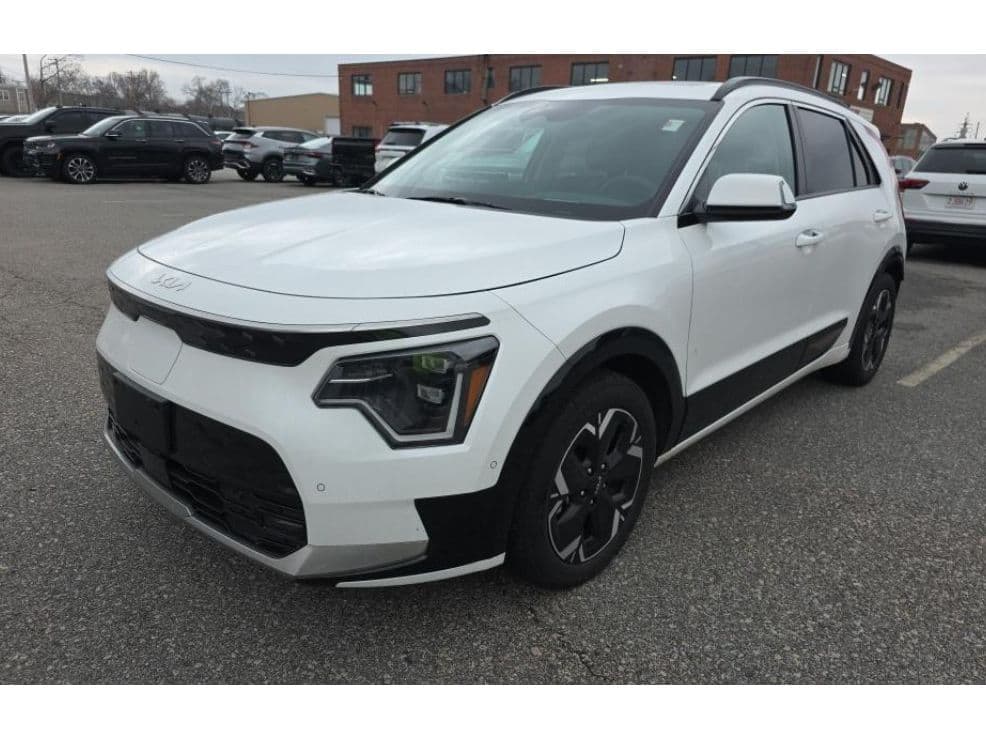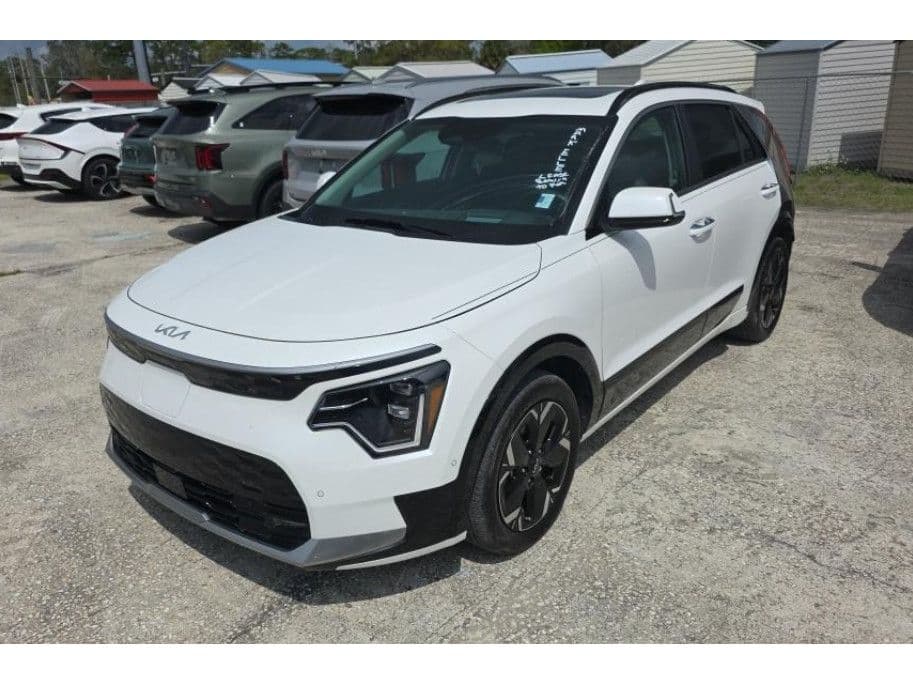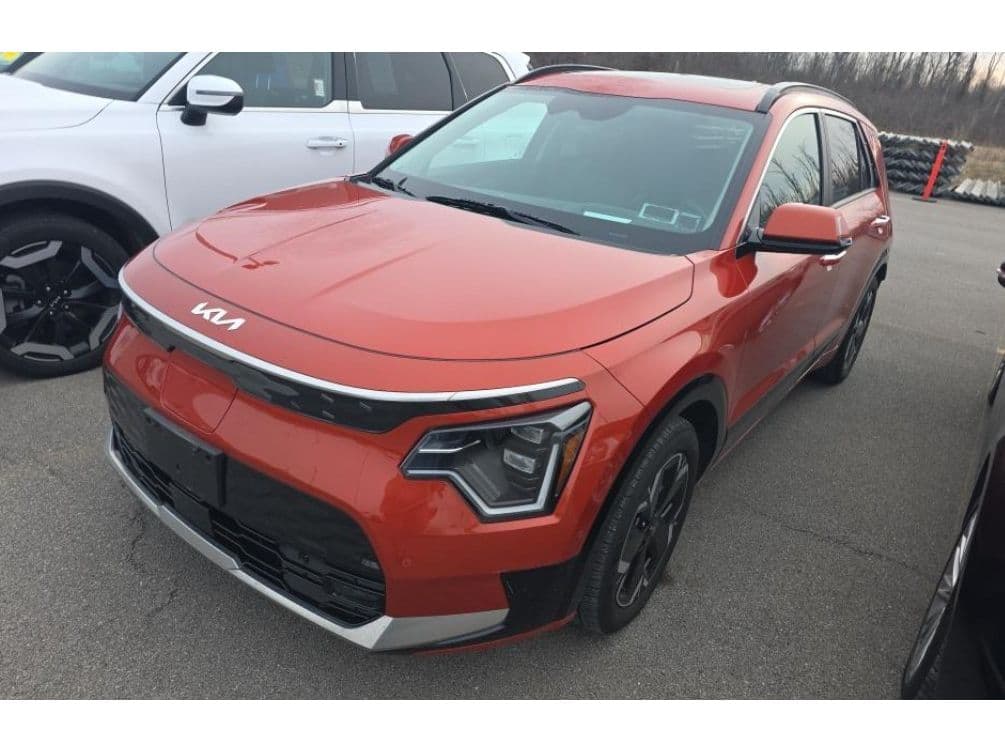
If you’re considering a Kia Niro EV, the high‑voltage battery warranty is one of the biggest parts of the value story. You’ve probably seen “10‑year/100,000‑mile battery warranty” in bold type, but it’s not always clear what that Kia Niro EV battery warranty actually covers, and what it doesn’t. Let’s break it down in plain English so you can shop or own with confidence.
Applies to U.S.‑spec Kia Niro EVs
Kia Niro EV battery warranty: quick overview
Kia Niro EV warranty at a glance
Kia wraps the Niro EV inside its familiar 10‑year/100,000‑mile warranty program. For the high‑voltage traction battery, that typically means 10 years or 100,000 miles of coverage against defects in materials and workmanship. In states that follow stricter emissions rules (often called CARB states), certain Niro EVs may qualify for extended coverage, up to 15 years/150,000 miles on the battery, because it’s treated as an emissions‑critical component under state law.
Where to confirm your exact coverage
How long the Kia Niro EV battery warranty lasts
Kia has sold two generations of Niro EV in the U.S. (e‑Niro/first‑gen and the redesigned second‑gen starting with model year 2023). Across both generations, the pattern is similar, but there are some important nuances when you factor in where the car was first sold.
Typical Kia Niro EV battery warranty by region (U.S.)
Always confirm the exact terms for the specific VIN, model year, and first‑sold state, but this table captures what most U.S. Niro EV owners can expect.
| Region / regulations | High‑voltage battery warranty | Notes |
|---|---|---|
| Most non‑CARB states | 10 years / 100,000 miles | Covers manufacturing defects in the high‑voltage battery pack. |
| Many CARB‑aligned states* | Up to 15 years / 150,000 miles | Battery is treated as an emissions component, so coverage can be extended by law. |
| 12‑volt accessory battery | Typically 2–3 years | Covered under basic warranty, not the EV battery warranty. |
| Basic bumper‑to‑bumper | 5 years / 60,000 miles | Separate from the battery; covers most non‑wear components. |
Warranty clocks start from the original in‑service date, not the model year.
Which states count as CARB?
What the Kia Niro EV battery warranty actually covers
Think of the Niro EV’s battery warranty as protection against things that shouldn’t happen to a properly designed and built pack, not a guarantee that the pack will behave like new forever. In practice, that means coverage for true defects, not normal aging.
Core items typically covered by the Niro EV battery warranty
This list focuses on the high‑voltage battery and, to a lesser degree, the broader EV system.
1. Defects in the high‑voltage battery pack
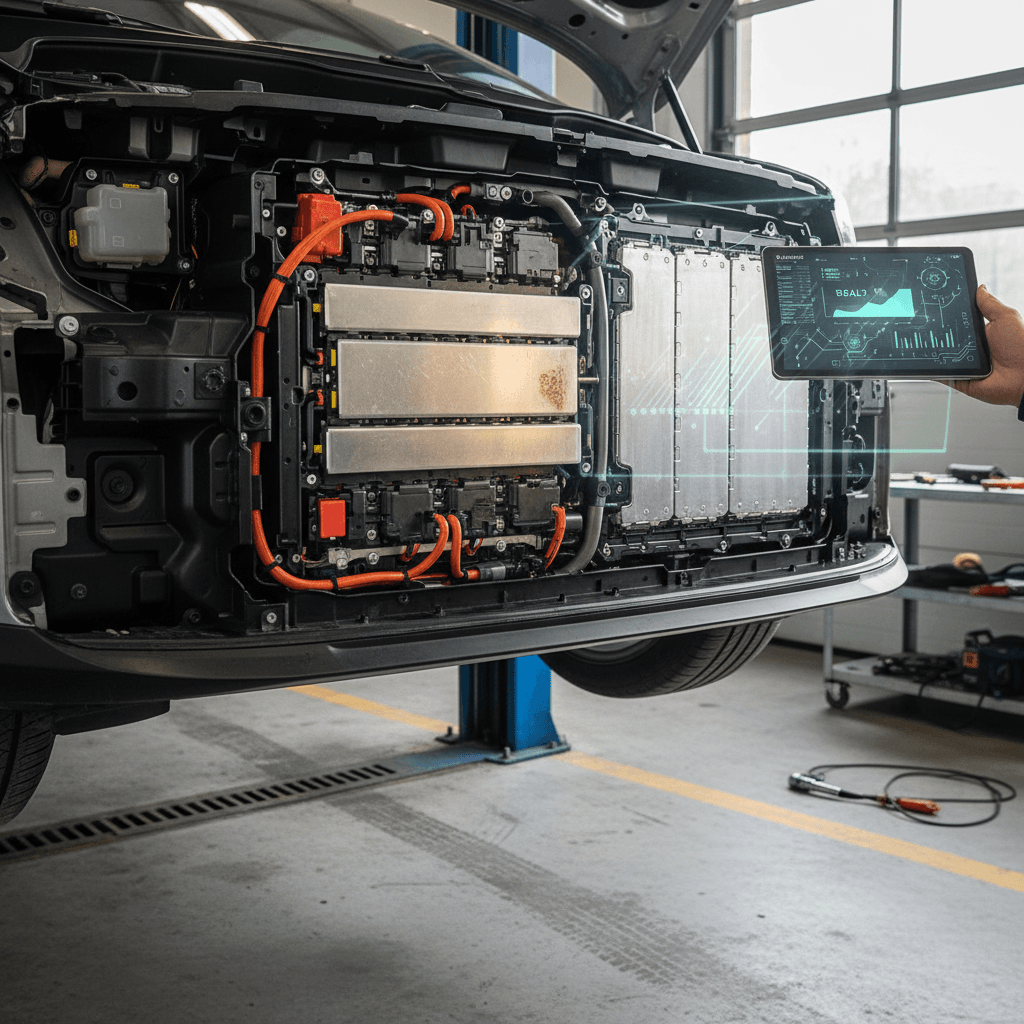
The big one. The warranty is designed to cover manufacturing defects in the high‑voltage lithium‑ion battery assembly, including:
- Internal cell defects causing sudden loss of usable capacity
- Battery modules that fail prematurely
- Internal wiring, sensors, or control electronics inside the battery case that fail due to defects
2. Battery‑related safety failures
If a defect in the traction battery creates a safety concern, for example, repeated high‑voltage isolation faults or a thermal event, Kia can be on the hook to repair or replace the pack under warranty.
Any associated software updates or related hardware inside the battery case are generally included when they’re part of the corrective repair.
3. EV system components (separate EV warranty)
On many Niro EVs, a separate EV system warranty also runs 10 years/100,000 miles. That typically covers:
- Drive motor and reduction gear
- On‑board charger
- Inverter and DC/DC converter
- High‑voltage wiring between major components
This is distinct from the battery warranty but works alongside it.
If Kia determines that a covered defect exists inside the high‑voltage pack during the warranty period, they’ll typically repair or replace the affected components at no cost to you, including parts and labor. In rare cases of major failure, that may mean a full pack replacement; in others, it could be a module‑level repair or software reprogramming.
Good news for used‑EV shoppers
What the Niro EV battery warranty does NOT cover
It’s just as important to understand the gaps. A lot of owner frustration comes from expecting the battery warranty to cover things that sit squarely in the “wear and tear” or “owner responsibility” bucket.
- Normal battery degradation – All lithium‑ion packs lose some capacity over time. Unless Kia has explicitly promised a capacity‑retention threshold in writing for your model year, gradual range loss by itself usually isn’t a warrantable defect.
- Damage from misuse or abuse – Flood damage, collision damage, improper jump‑starting, unapproved modifications, or using non‑approved high‑voltage repairs can all void coverage.
- Failure to follow maintenance guidelines – Ignoring warning lights, continuing to drive with known high‑voltage faults, or skipping required inspections can give Kia grounds to deny a claim.
- 12‑volt battery issues – The small 12‑volt battery that powers accessories and computers is treated separately. It’s covered as part of the basic warranty, not the high‑voltage battery warranty.
- Charging equipment and home wiring – Wall connectors, portable EVSE cables, and your home electrical panel are not part of the vehicle warranty. Those may have their own manufacturer or installer warranties.
Don’t rely on verbal promises
Battery degradation vs. a warrantable defect
One of the most confusing parts of any EV battery warranty is where “normal degradation” stops and a warrantable defect begins. With the Niro EV, the line is similar to other mass‑market EVs: modest, gradual loss of range is expected; sudden or extreme loss tied to a defect is what the warranty is meant to catch.
What normal degradation looks like
- A slow decline in usable range over several years.
- More noticeable drops if you routinely fast‑charge, tow, or drive in very hot or very cold climates.
- Capacity tests still showing healthy voltages and balanced cells, even if the displayed state of health isn’t 100%.
Many Niro EV owners report very modest degradation through the first 60,000–100,000 miles when the car is treated reasonably well.
What a possible defect looks like
- A rapid, step‑change drop in range or state‑of‑health over a short period.
- Repeated high‑voltage battery warning lights or “limp mode” messages.
- The car refusing to fast‑charge or charge at all, even with known‑good equipment.
- Diagnostic trouble codes pointing to a specific module or internal battery fault.
In these situations, dealers often involve Kia’s technical line and may perform a deep battery test to determine if the pack qualifies for warranty repair or replacement.
Simple habits that support both battery health and warranty claims
Avoid living at 100% charge
Charging to 100% for a trip is fine, but letting the Niro EV sit for days at full charge isn’t ideal. Use scheduled charging so it finishes just before you leave on longer drives.
Don’t run it to 0% regularly
Occasional deep discharges won’t kill the pack, but repeatedly running the battery nearly empty can accelerate wear. Try to stay in a comfortable middle band for daily driving.
Be smart with fast charging
DC fast charging is there to be used, but daily ultra‑fast sessions on a hot pack can age any lithium‑ion battery faster. Mix in Level 2 home charging when you can.
Address warning lights quickly
If you see battery or high‑voltage warnings, get the car checked promptly. Driving for weeks with known faults can give Kia grounds to call it neglect.
How the battery warranty works on a used Kia Niro EV
Here’s where shoppers often get nervous: does the big battery warranty stick with the car if you’re not the first owner? With the Niro EV, that long high‑voltage battery coverage is a key part of the used‑EV appeal, most of it does transfer, but there are a few wrinkles to understand.
Used Niro EV battery warranty: key points
What you can usually expect when you’re not the original owner.
1. Battery warranty is generally transferable
On most U.S.‑market Niro EVs, the high‑voltage battery warranty continues for subsequent owners until the original time/mileage limit is reached. If the first owner drove 30,000 miles in three years, you inherit the remaining 7 years / 70,000 miles of battery coverage.
2. Powertrain vs. EV/battery coverage
In some states and for some Kia models, portions of the general 10‑year/100,000‑mile powertrain warranty shorten for second owners. However, the dedicated high‑voltage battery warranty often remains at the full term. Check the fine print for the exact model year and region.
3. In‑service date is what matters
The warranty clock starts when the car was first sold or leased, not the model year. A leftover 2022 that first sold in mid‑2023 will have its battery warranty run until around mid‑2033 (or 100,000 miles), assuming standard U.S. terms.
4. Documentation makes a big difference
When you’re buying used, ask for:
- Original purchase paperwork or a Carfax‑style report to confirm in‑service date
- Any prior high‑voltage repairs or recalls
- A recent battery health check, ideally done by an EV‑savvy shop
How Recharged simplifies this for you
How to protect your coverage (and navigate a claim)
Most Niro EV owners will never need a battery‑pack replacement under warranty, but if you do, the paperwork and process matter. A little preparation now can make a big difference later.
Steps to take if you suspect a battery problem
1. Capture the symptoms clearly
Note when the issue occurs, what the state of charge is, which chargers you’re using, and any warning lights or messages. Photos of the dash or infotainment screen help.
2. Check charging equipment first
Confirm that another EV can charge on the same station or that your home EVSE isn’t the culprit. Dealers will want to rule out external causes before digging into the car.
3. Schedule a visit with a Kia EV‑certified dealer
Not every Kia store is equally EV‑experienced. Ask for a dealer with certified EV technicians and mention that you’re concerned about a possible high‑voltage battery issue under warranty.
4. Bring records and be patient
Bring your maintenance history, any previous repair orders, and notes. Deep battery tests take time and often involve back‑and‑forth with Kia corporate engineering support.
5. Escalate politely if needed
If you believe a legitimate defect is being dismissed, you can open a case with Kia customer care, seek a second dealer opinion, or consult state lemon‑law resources in extreme cases.
What can jeopardize coverage
How the Niro EV battery warranty stacks up to rivals
From a shopper’s standpoint, the Niro EV’s battery warranty is one of the stronger offerings in the market. It doesn’t just look good on a window sticker, it materially reduces risk if you plan to own the car for a decade or you’re stepping into a used example at year five or six.
Battery warranty comparison: Niro EV vs. popular competitors (U.S.)
Representative factory battery warranties for mainstream EVs. Always consult official documents for the specific model year you’re shopping.
| Model | Headline battery warranty | Notes |
|---|---|---|
| Kia Niro EV | 10 yrs / 100,000 mi (up to 15 yrs / 150,000 mi in some CARB states) | Strong on both time and miles; widely transferable. |
| Hyundai Kona Electric | 10 yrs / 100,000 mi | Very similar to Niro EV; shared corporate roots. |
| Chevrolet Bolt EV | 8 yrs / 100,000 mi | Shorter time coverage but comparable mileage. |
| Nissan Leaf | 8 yrs / 100,000 mi | Includes a specific capacity‑retention guarantee. |
| Volkswagen ID.4 | 8 yrs / 100,000 mi | Typical of recent European EVs in the U.S. |
Numbers shown are typical headline battery warranty terms for the U.S. market.
Why this matters for resale value
Kia Niro EV battery warranty: FAQs
Frequently asked questions about the Niro EV battery warranty
Bottom line: how to shop a Niro EV around its battery warranty
The Kia Niro EV’s battery warranty is one of its biggest strengths: a long, widely transferable high‑voltage battery guarantee that rivals or beats many competitors. But the fine print matters. It covers true defects in the traction pack, and often the broader EV system, for up to 10 years/100,000 miles, and in some CARB states as long as 15 years/150,000 miles. It does not promise a brand‑new battery forever, nor does it cover misuse, neglect, or unrelated components like the 12‑volt battery.
If you’re shopping new, factor that long warranty into your total cost of ownership. If you’re buying used, anchor your decision on three things: verified battery health, remaining warranty term, and service history. A clean Niro EV with strong battery diagnostics and years of coverage left can be one of the safest, most budget‑friendly ways to get into an electric vehicle.
Working with an EV‑specialist retailer like Recharged makes this much easier. Every Niro EV we list comes with a Recharged Score battery health report, clear warranty status, transparent pricing, and available financing, trade‑in, and nationwide delivery. That way, the only surprise your Niro EV gives you is how little you end up spending on energy and maintenance compared with a gas car.