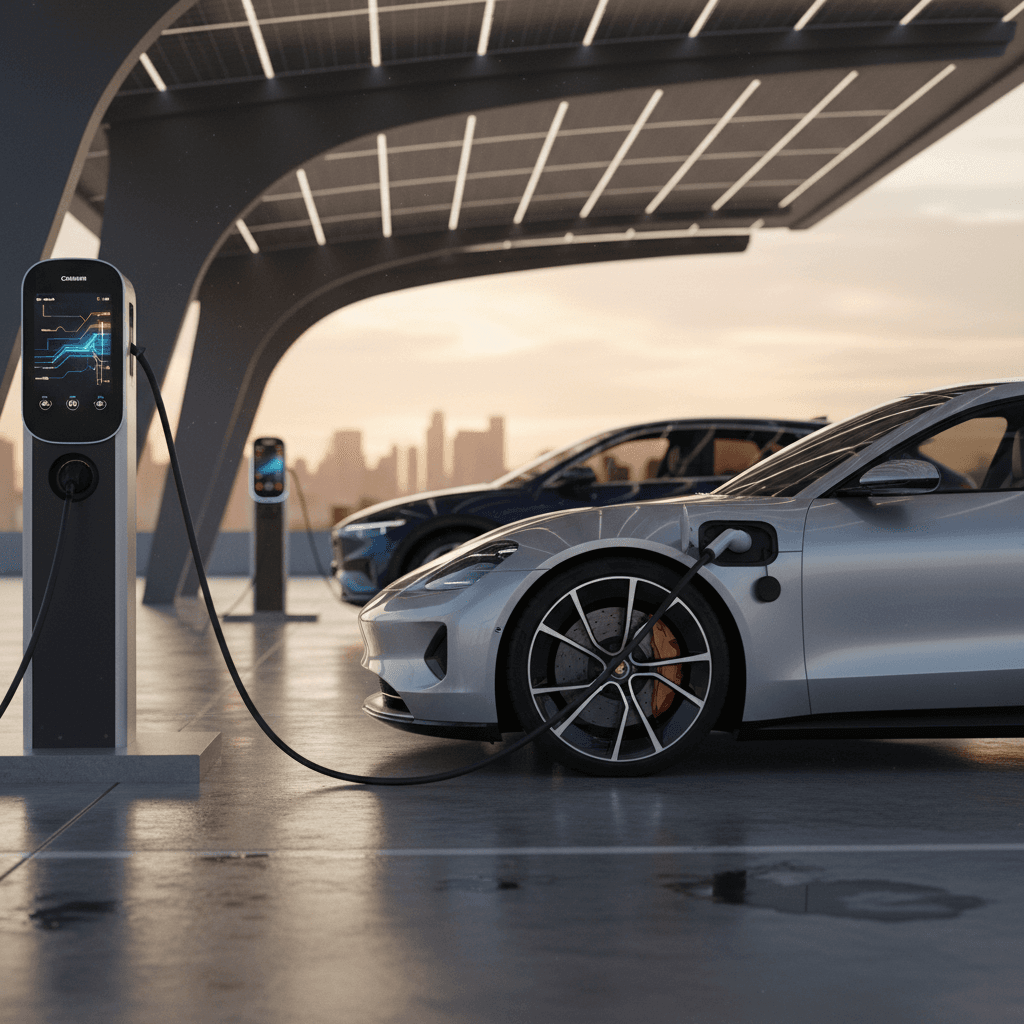
An 800-volt architecture uses a higher-voltage propulsion and charging system than the roughly 400-volt layout found in many EVs. Its main advantage is the potential to deliver high charging power with less electrical current, which can reduce heat and support a lighter electrical system. It doesn't automatically make an EV charge quickly, however: the battery's charging curve, temperature, state of charge, software, and the station's output all matter. If you're new to the terminology, start with our guide to EV charging levels.
EVs with 800-volt or higher-voltage systems
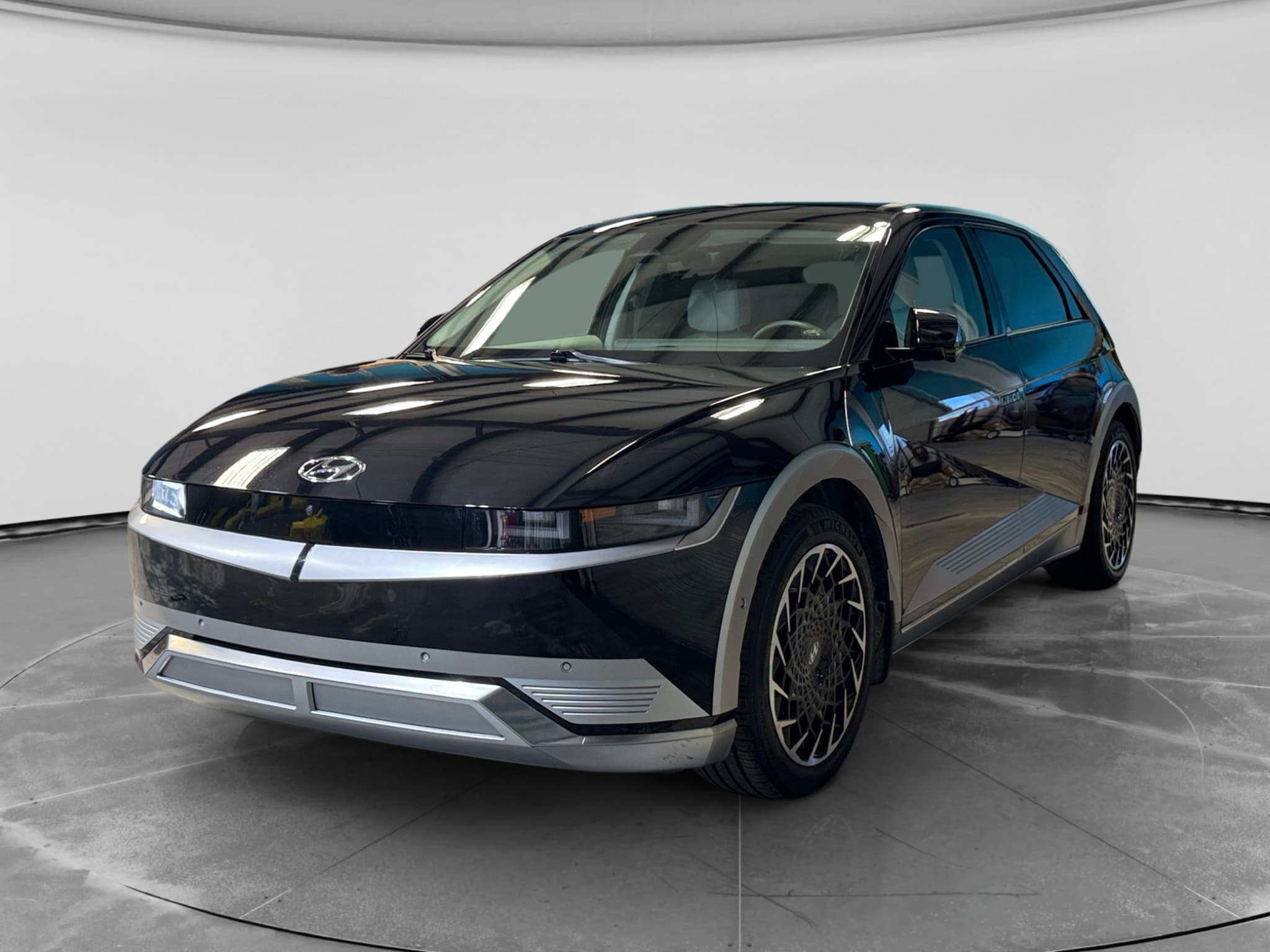
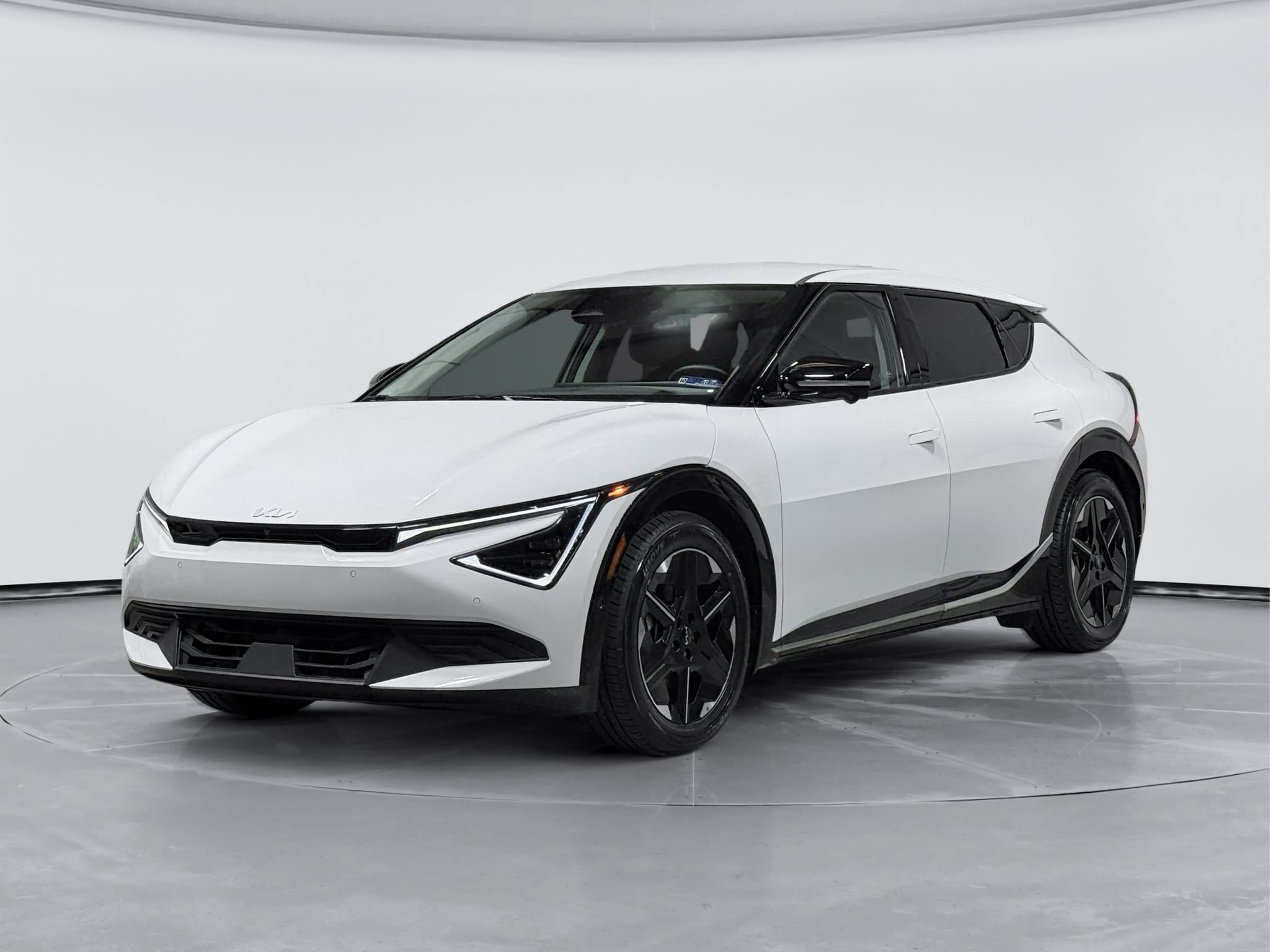
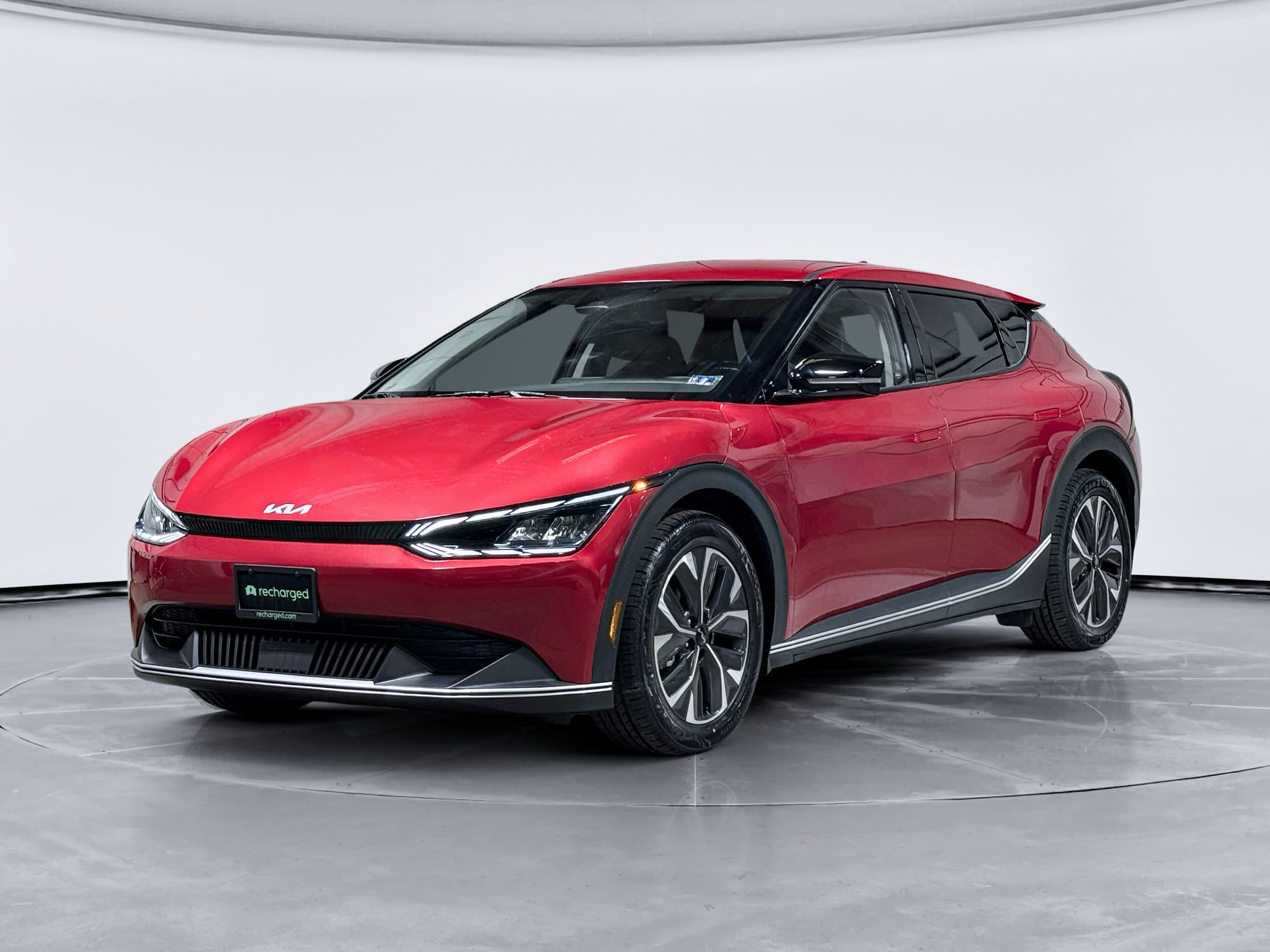
The most recognizable 800-volt choices come from Hyundai, Kia, Genesis, Porsche, Audi, Tesla, Lotus, and Maserati, while Lucid uses an even higher-voltage platform. The table also distinguishes native high-voltage systems from GM trucks that reconfigure portions of their battery packs for approximately 800-volt charging. Model-year, market, and configuration differences can apply, so verify the specifications of the individual vehicle before buying.
Common 800-volt and higher-voltage EVs
These are prominent examples rather than every high-voltage EV sold worldwide.
| Brand group | Models | Voltage approach | Shopper takeaway |
|---|---|---|---|
| Hyundai, Kia, Genesis | Ioniq 5/6; EV6/EV9; GV60 | 800V-class | Broad mainstream selection |
| Porsche and Audi | Taycan; Macan; e-tron models | 800V-class | Premium performance focus |
| Lucid | Air; Gravity | Higher than 800V | High-voltage luxury platform |
| Tesla | Cybertruck | 800V-class | Truck-specific architecture |
| Lotus and Maserati | Eletre; Emeya; Folgore models | 800V-class | Premium niche choices |
| GM electric trucks | Hummer EV; Silverado EV | 800V charging mode | Pack reconfigures while charging |
Architecture and charging behavior can vary by model year, market, and battery configuration.
Architecture and charging capability aren't identical
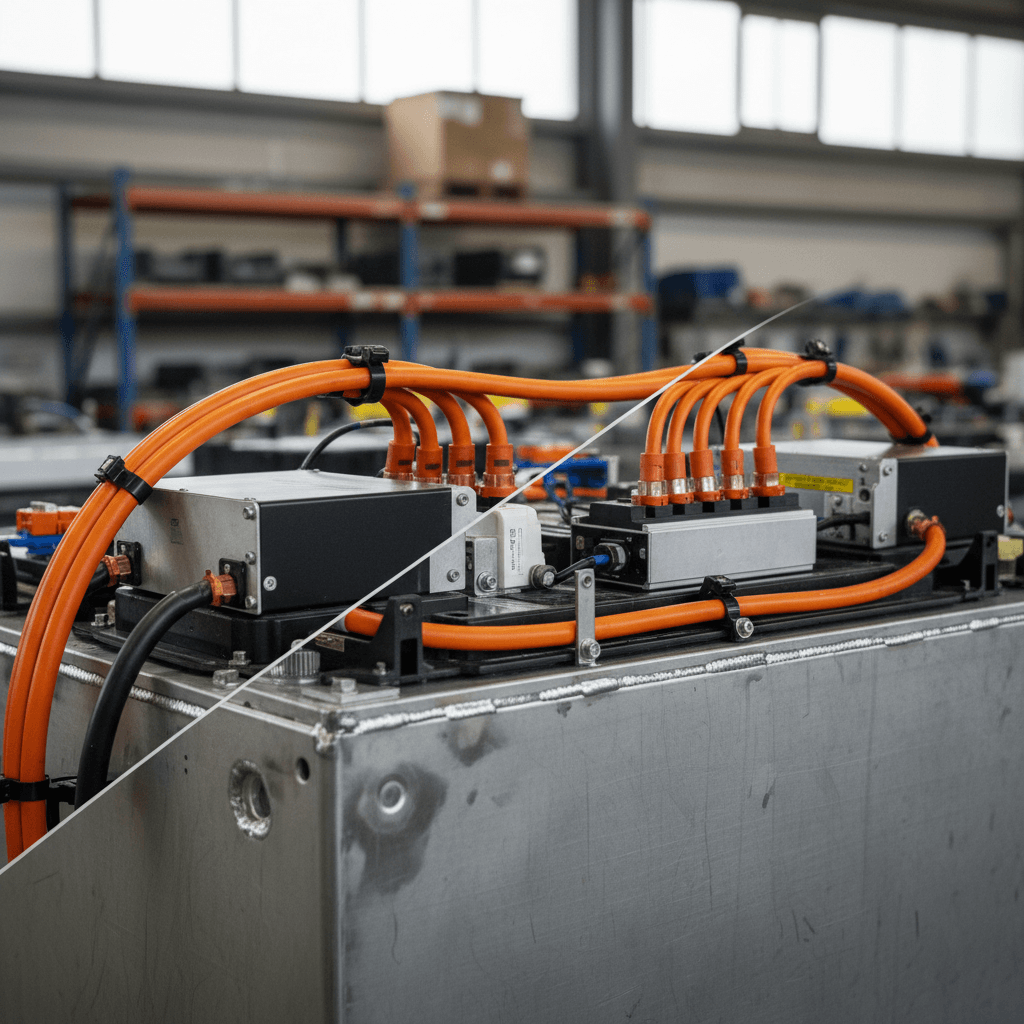
How does 800-volt architecture help?
An 800-volt system primarily helps an EV accept substantial DC fast-charging power without requiring as much current as a lower-voltage system delivering the same power. Lower current can reduce resistance-related heat and allow engineers to use lighter conductors in some parts of the vehicle. The most noticeable benefit is usually on road trips, where a favorable charging curve can shorten stops at a compatible station. Our guide to how long EV charging takes explains why peak power alone doesn't determine stop length.
The benefit is much smaller during routine home charging. Level 2 charging uses alternating current, or AC, and is generally limited by the vehicle's onboard charger and the electrical circuit rather than the traction battery's 800-volt label. Also remember that kW measures charging power, while kWh measures the amount of energy stored or delivered.
What Recharged data adds to the decision
Recharged data shows why architecture should be considered alongside battery condition and price rather than treated as a stand-alone buying decision. Across 2,242 Recharged Score battery inspections, tested remaining capacity averaged 93.9% of original capacity. That figure covers the inspected EV fleet represented in the snapshot, not only 800-volt models, so it shouldn't be interpreted as proof that one voltage architecture preserves a battery better than another.
The Recharged marketplace snapshot also included 417 current listings with a median asking price of $30,997; asking prices ranged from $12,996 to $146,998. Those are prices for the broader matching inventory in the supplied snapshot, not an 800-volt price range or a promised discount. The practical takeaway is that verified condition, vehicle type, age, and equipment can affect used-EV value more directly than system voltage alone.
Recharged data
Used EV battery health
94%
avg remaining capacity
From Recharged battery inspections, not manufacturer estimates.
- Lowest
- 63%
- Median
- 95%
- Highest
- 100%
- Est. range
- 266 mi avg
- Cell balance pass
- 100%
- Quick charges
- 18 avg
- Slow charges
- 65 avg
Average cell imbalance: 7.3 mV
Based on vehicles Recharged tested
Recharged data
Used EV prices at Recharged
$30,997
median list price
Current list prices for matching inventory at Recharged.
- Lowest
- $12,996
- Average
- $34,803
- Highest
- $146,998
Average Recharged Score on these listings
4.8 / 5
Range
3.7 – 5.0
Based on available listings
Every EV is battery-tested with a Recharged Score. Nationwide delivery.
What should you check on a used 800-volt EV?
You should verify battery health and charging performance before paying extra for a used 800-volt EV. A high-voltage badge doesn't tell you the battery's remaining capacity, whether charging preconditioning works, or whether the vehicle reaches its expected charging curve. Recharged includes a Recharged Score Report with verified battery-health information, while our guide to checking used-EV battery health explains the broader inspection process.
Used 800-volt EV buying checklist
Confirm the exact model
Verify that the model year and configuration use the advertised high-voltage platform.
Review verified battery health
Look for tested remaining capacity and diagnostic results, not only the dashboard's range estimate.
Test DC fast charging
When practical, charge at a compatible station and check for errors or unexpectedly limited performance.
Check battery preconditioning
Confirm the navigation and thermal-management systems prepare the battery for fast charging.
Inspect the charging hardware
Look for damaged port pins, connector problems, warning messages, or incomplete repairs.
Evaluate your actual routine
Decide whether frequent road trips make high-voltage charging worth prioritizing over price, comfort, or range.
Don't shop by peak kW alone
Instant offer, trade-in, or consignment. Pickup available.
Frequently asked questions
The best reason to choose an 800-volt EV
The best reason to choose an 800-volt EV is more capable road-trip charging, not the voltage number itself. Compare the complete charging curve, battery preconditioning, verified battery health, range, and station compatibility before deciding. For a used vehicle, those factors matter more than an architecture claim viewed in isolation. You can also review our guide to the best used electric cars to compare high-voltage models with other strong choices.