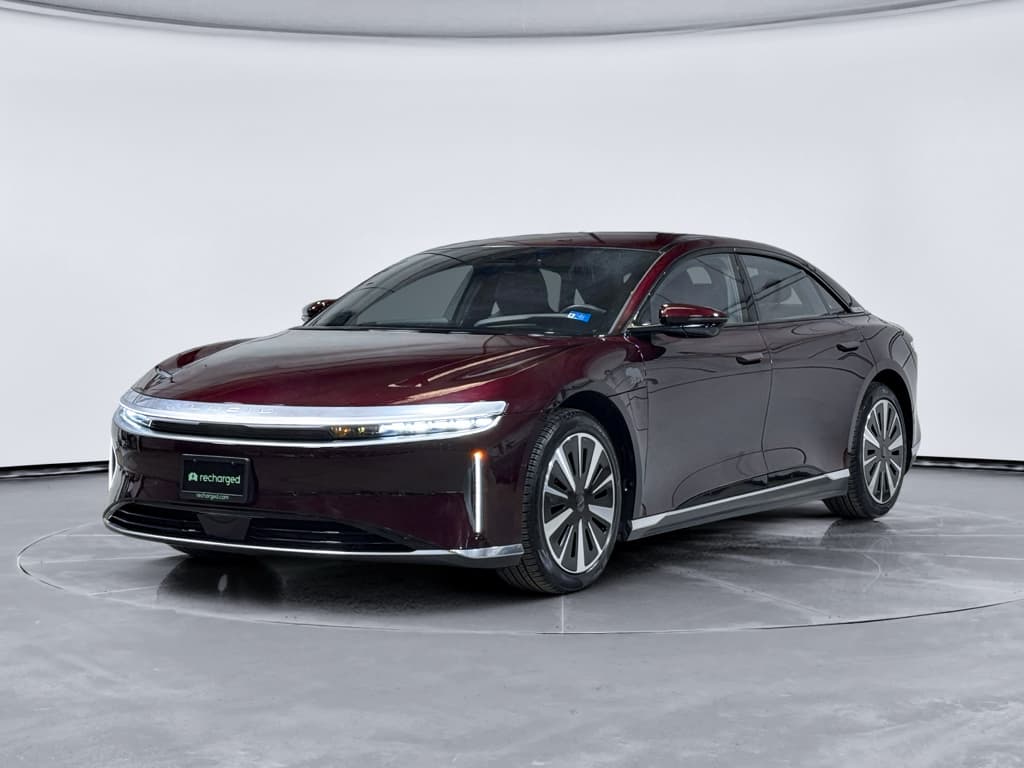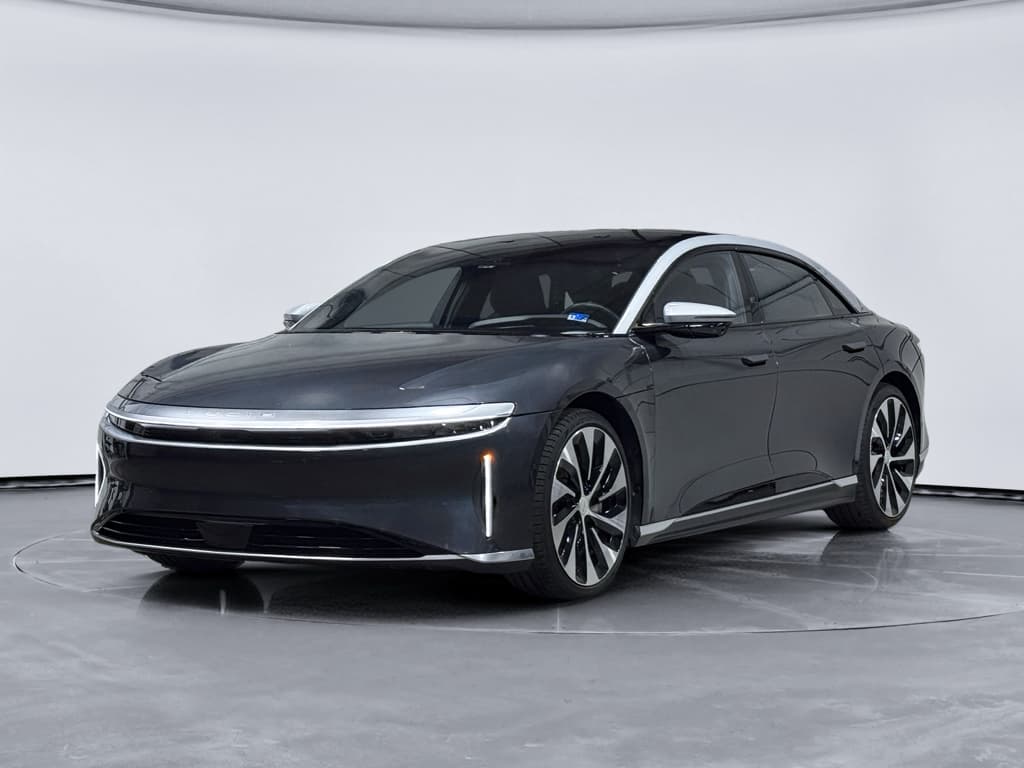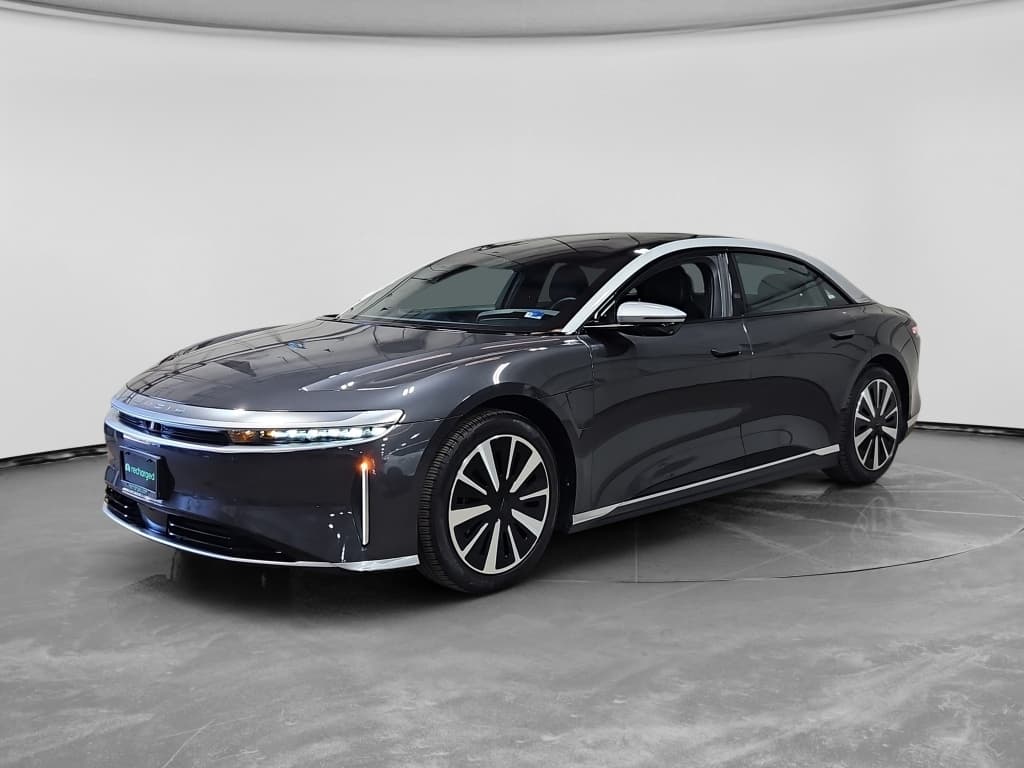
If you’re looking at a Lucid Air, especially on the used market, you’re not just shopping for range and performance. You also want to know: what is the **Lucid Air safety rating**, how did it do in **crash tests**, and what does its advanced driver-assistance tech actually mean for you and your family?
Quick safety snapshot
Lucid Air safety overview
Lucid designed the Air as a clean‑sheet, all‑electric luxury sedan, and that extends to safety. The car sits on a dedicated EV platform with a **low battery pack in the floor** and long front and rear crumple zones, which generally help with crash energy management. Add in a dense network of airbags, structural reinforcements, and an increasingly sophisticated ADAS suite branded as **DreamDrive** and **DreamDrive Pro**, and you have a vehicle engineered to hit top‑tier crash scores.
That said, safety ratings are only as good as the details. Let’s break down exactly how the Lucid Air has performed in independent crash tests so far, what’s still missing, and how its safety tech stacks up against rivals.
Lucid Air Euro NCAP 2022 safety scores
Crash test results and safety ratings
Euro NCAP: 5‑star rating with strong sub‑scores
The most complete independent view we have of the Lucid Air’s crashworthiness today comes from **Euro NCAP’s 2022 test of the Air**. Under its then‑current 2020–2022 protocol, the Air scored the **maximum 5 stars overall** and posted strong category scores:
- Adult occupant protection: 90%
- Child occupant protection: 91%
- Vulnerable road users (pedestrians & cyclists): 78%
- Safety assist (collision‑avoidance tech): 84%
Euro NCAP noted that the **body structure remained stable** in frontal impact tests and that protection for critical areas like the head, chest, and femurs was generally good for both driver and passenger. Side‑impact performance was particularly strong, aided by a **central airbag between the front seats** to prevent occupants from hitting each other in far‑side crashes.
What these numbers really mean for you
U.S. ratings: what’s available (and what isn’t)
As of early 2026, **U.S. crash‑test data for the Lucid Air is limited**. Publicly available resources show **no full NHTSA star rating and no IIHS crash ratings yet posted** for the Air. That’s not unusual for a relatively low‑volume EV startup, but it does mean American shoppers need to lean more heavily on Euro NCAP and other independent test summaries for now.
If you’re cross‑shopping with vehicles that *do* carry NHTSA and IIHS scores, keep in mind that **Euro NCAP’s 5‑star standard is broadly comparable to a top rating in U.S. programs**, though the exact test procedures differ. For now, there’s no sign that the Air hides any structural weaknesses, if anything, the European testing suggests it’s solidly engineered.
Crash protection details: structure, airbags, and occupant restraints
Zooming in on the passive safety hardware, the Lucid Air is well‑equipped by luxury‑EV standards. Independent crash‑test documentation highlights:
- Front airbags, side torso airbags, and full‑length curtain airbags for front and rear rows.
- A central airbag between front seats to limit head‑to‑head contact in side impacts.
- Front and rear **pre‑tensioners and load limiters** to better manage belt forces in a crash.
- Seatbelt reminders with occupancy detection in the first and second row.
- An active hood and well‑tuned front structure to improve protection for pedestrians and cyclists in head and leg impacts.
Child safety and car seats
How the Lucid Air compares to other luxury EVs
The natural question is how the Lucid Air’s safety performance stacks up against rivals like the Tesla Model S, Mercedes‑Benz EQS, and high‑end versions of the BMW i5 or Mercedes E‑Class EV derivatives.
Lucid Air vs key luxury EV rivals (Euro NCAP 2022/2023 where available)
Comparing headline Euro NCAP safety scores for large luxury EVs tested under similar protocols.
| Model | Overall rating | Adult occupants | Child occupants | Vulnerable road users | Safety assist |
|---|---|---|---|---|---|
| Lucid Air (2022) | 5★ | 90% | 91% | 78% | 84% |
| Tesla Model S (2022) | 5★ | 94% | 91% | 85% | 98% |
| Mercedes‑Benz EQS (2021) | 5★ | 96% | 91% | 76% | 80% |
All scores are Euro NCAP percentage scores for the relevant category. Where data isn’t directly comparable or unavailable, cells are marked “, ”.
In Euro NCAP’s testing, the Lucid Air’s **headline 5‑star outcome** matches its key competitors. It trails the Tesla Model S and Mercedes EQS slightly on adult‑occupant metrics but beats or matches them in other areas like child protection and safety assist. In real‑world terms, all three sit firmly in the top tier of crash performance.
Lucid Air strengths
- 5‑star overall Euro NCAP rating with well‑balanced sub‑scores.
- Strong child occupant results and very low injury metrics in key tests.
- Rich active‑safety suite (AEB, lane support, blind‑spot monitoring, etc.) standard or widely available.
- Central airbag and advanced pedestrian protection features, including an active hood.
Where rivals still lead
- Tesla Model S posts slightly higher scores in adult protection and safety assist.
- Mercedes EQS has outstanding adult protection scores and a longer track record in safety testing.
- Lucid’s U.S. crash‑test coverage (NHTSA/IIHS) is still incomplete, which some buyers may see as a gap.
Don’t over‑interpret small score differences
Key Lucid Air safety and ADAS tech
DreamDrive vs DreamDrive Premium vs DreamDrive Pro
Lucid’s ADAS stack is branded **DreamDrive**, with multiple levels that have evolved over time. Earlier model years shipped with DreamDrive as the base system, while newer cars (from roughly the 2025 model year) have **DreamDrive Premium** standard, with **DreamDrive Pro** as an optional upgrade on most trims.
DreamDrive levels at a glance
Understanding what each Lucid Air safety package actually gives you.
DreamDrive
Base system (early Air models)
- ~20 sensors and cameras.
- Adaptive cruise control & lane departure protection.
- Automatic emergency braking & forward collision protection.
- Cross‑traffic, rear pedestrian, and blind‑spot alerts.
DreamDrive Premium
Standard on newer Airs
- Builds on DreamDrive.
- Surround‑view monitoring with 3D visualization.
- Blind‑spot display in the instrument cluster.
- Enhanced parking aids and visualization.
DreamDrive Pro
Flagship ADAS package
- Most comprehensive sensor set, including lidar.
- Hands‑Free Drive Assist on certain divided highways.
- Hands‑Free Lane Change Assist when you signal.
- Additional driver‑monitoring and highway assistance features.
On paper, DreamDrive Pro is one of the most ambitious ADAS suites in any production EV, combining **32 sensors (including lidar)** with high compute and over‑the‑air updates. For you as a driver, the big picture is that the Air isn’t just designed to protect you *in* a crash; it’s also working to help you avoid crashes altogether.
Core collision‑avoidance features
- Automatic Emergency Braking (AEB) with pedestrian and cyclist detection, front and rear.
- Forward Collision Warning with escalating alerts if you don’t react.
- Lane Departure Protection that warns and can apply gentle steering input if you drift out of lane without signaling.
- Blind‑Spot Warning and Blind‑Spot Display (on Premium/Pro) that show vehicles in adjacent lanes.
- Cross‑Traffic Protection for pulling out of spaces or driveways, including rear pedestrian detection.
- Driver‑monitoring features like Distracted Driver Alert and Drowsy Driver Alert that use a camera and vehicle dynamics to detect inattention.
Safety isn’t just hardware, it’s software too
Hands‑Free Drive Assist: impressive, but still Level 2
In mid‑2025, Lucid began pushing an OTA update that unlocked **Hands‑Free Drive Assist and Hands‑Free Lane Change Assist** on Air sedans equipped with DreamDrive Pro. Functionally, this moves the Air closer to systems like GM’s Super Cruise and Ford’s BlueCruise, allowing you to drive on **approved divided highways with your hands off the wheel**, but still requiring you to keep your eyes on the road and be ready to intervene at any time.
Don’t treat it like self‑driving
Real‑world safety: recalls, software, and driver behavior
Recent recall example: rearview camera lag
No modern EV is completely free of issues, and the Lucid Air is no exception. In late 2025, Lucid recalled a limited number of Air sedans from the 2022–2025 model years because some cars could show a **blank or severely lagging rearview camera image** when reversing, exactly when you rely on that view the most.
Lucid addressed the issue with a **free over‑the‑air software update**, and owners on the latest software build should no longer be affected. The key takeaway for you as a shopper or owner is straightforward: **always verify that recalls have been completed and that the car is running the current software version** before you rely on its camera or ADAS features.
Software updates are a safety feature
Owner reports and expectations
Anecdotally, Lucid owners report that early DreamDrive behavior, especially in the 2022–2023 timeframe, could be inconsistent in how readily it engaged or how smoothly it kept to the center of the lane. That’s typical of early‑generation ADAS from younger automakers: the capabilities may be there on paper, but the polish arrives over multiple software cycles.
From a safety perspective, the conservative approach is best: **treat every assist feature as a backup, not a replacement for your skills**. Learn exactly how and when each feature operates, test it carefully in light traffic, and err on the side of disengaging it if you’re unsure.
Used Lucid Air safety: what shoppers should focus on
If you’re evaluating a used Lucid Air, the Euro NCAP crash tests tell you the platform is fundamentally safe. The bigger questions become: Is *this specific car* still delivering that safety performance? Have its ADAS systems, cameras, and sensors been cared for, and updated, properly?
Top safety priorities when shopping a used Lucid Air
Beyond crash‑test scores, these factors determine how safe your specific car will be.
1. Crash & repair history
- Run a vehicle history report for accidents and insurance claims.
- Ask for photos and documentation of any structural repairs.
- Inspect panel gaps and underbody areas; misaligned structures can compromise future crash performance.
2. Sensor & camera condition
- Check that all cameras, radar units, and the lidar (on Pro) are free of damage or aftermarket tints/brackets.
- Make sure no ADAS or camera‑related warning lights are present.
- Test surround view, blind‑spot, and parking sensors in a safe lot.
3. Software & recall status
- Confirm the vehicle is on the latest software version in the settings menu.
- Ask the seller for documentation of completed recalls and service campaigns.
- During a test drive, verify that DreamDrive features behave consistently and predictably.
4. Battery & high‑voltage health
- Safety isn’t only about crashes; a healthy pack reduces risk of thermal issues.
- Look for independent battery health data rather than just the guess‑o‑meter range.
- On Recharged, every vehicle comes with a Recharged Score detailing verified battery health and pack condition.
Where Recharged fits in
Checklist: safely test‑driving a Lucid Air
Step‑by‑step safety checklist for a Lucid Air test drive
1. Start with a pre‑drive inspection
Walk around the car and look for signs of bodywork, uneven panel gaps, cracked lenses, or damaged sensors in the bumper, grille, and mirrors. Verify all exterior lights work, including turn signals and brake lights.
2. Check instrument cluster for warnings
Before moving, verify that there are no persistent warnings related to airbags, ABS, stability control, or driver‑assistance systems. A cluster full of yellow icons is a red flag, even if the car drives well.
3. Validate software version & settings
Open the settings menu and note the software version and DreamDrive configuration. Ask the seller when the last OTA update was installed. Make sure core safety features like AEB and lane departure protection are enabled.
4. Test low‑speed behavior first
In an empty parking lot, verify smooth response from the accelerator and brakes. Engage reverse and confirm that the rearview camera image appears immediately and isn’t blank or badly lagging.
5. Evaluate highway stability & assists
On a straight highway stretch, bring the car to typical cruising speed. Gently test lane‑keeping, blind‑spot alerts, and adaptive cruise control, keeping your hands and attention fully engaged. You’re checking for consistency, not showing off autonomy.
6. Listen and feel for signs of past damage
During the drive, pay attention to wind noise, suspension clunks, or the car pulling to one side, potential clues of prior collision repair or misaligned suspension that could affect safety in a future crash.
FAQ: Lucid Air safety rating & crash test questions
Lucid Air safety rating & crash test FAQ
Bottom line: is the Lucid Air a safe EV to buy?
Taken together, the data paints a clear picture: the Lucid Air is a **genuinely safe luxury EV**, with a 5‑star Euro NCAP rating, strong occupant‑protection scores, and an advanced ADAS stack that keeps improving through software. It stands shoulder‑to‑shoulder with the Tesla Model S and Mercedes EQS on passive safety, while offering one of the richest sensor suites of any production car.
Where you should focus, especially on the used market, is less about whether the underlying car is safe and more about **whether a specific example has been maintained, updated, and repaired correctly**. Check recall and software status, inspect sensors and structure carefully, and spend the time to understand DreamDrive’s limitations before you lean on it.
If you want help evaluating a used Lucid Air, buying through Recharged means you’re not doing that homework alone. With a Recharged Score Report, EV‑specialist support, financing options, and nationwide delivery, we turn a high‑stakes safety decision into a transparent, data‑driven one, so you can enjoy Lucid’s performance and design with confidence in its protection, too.