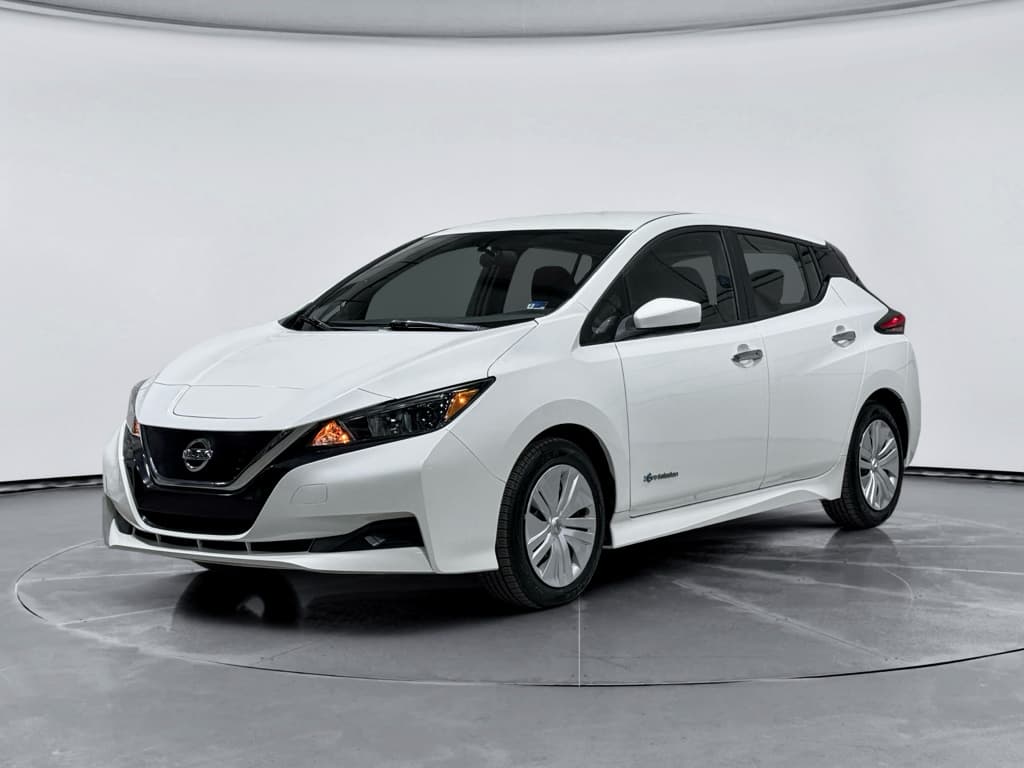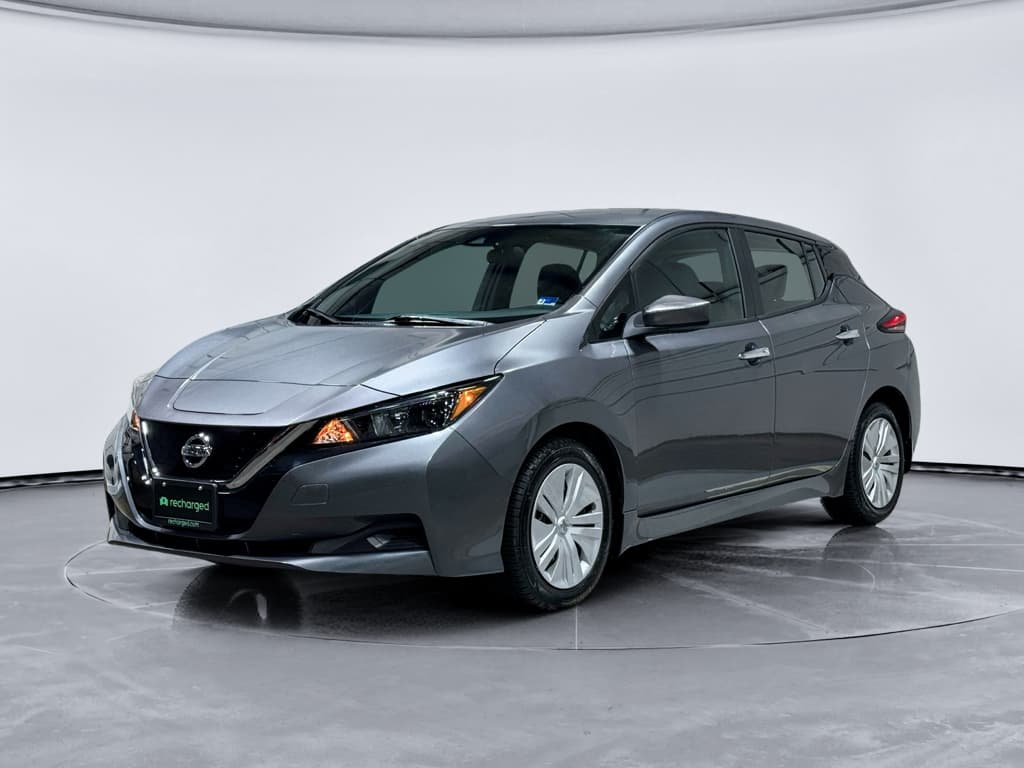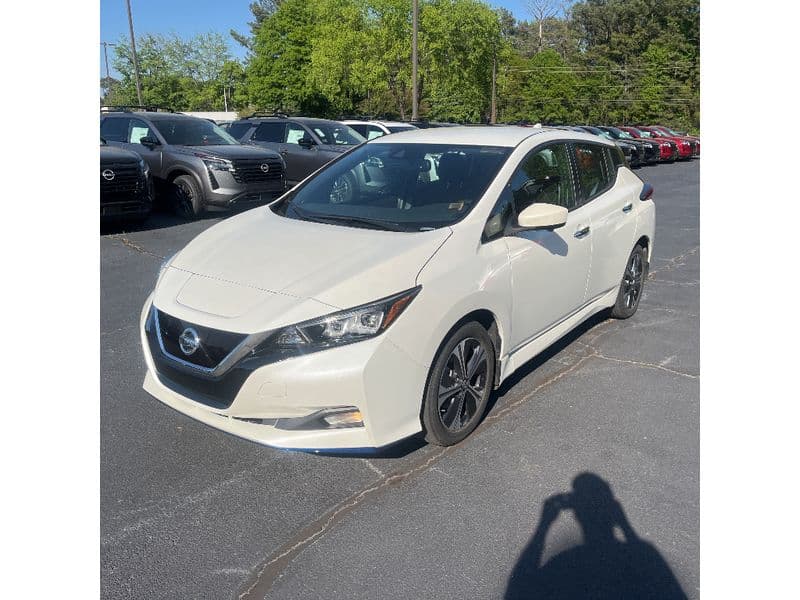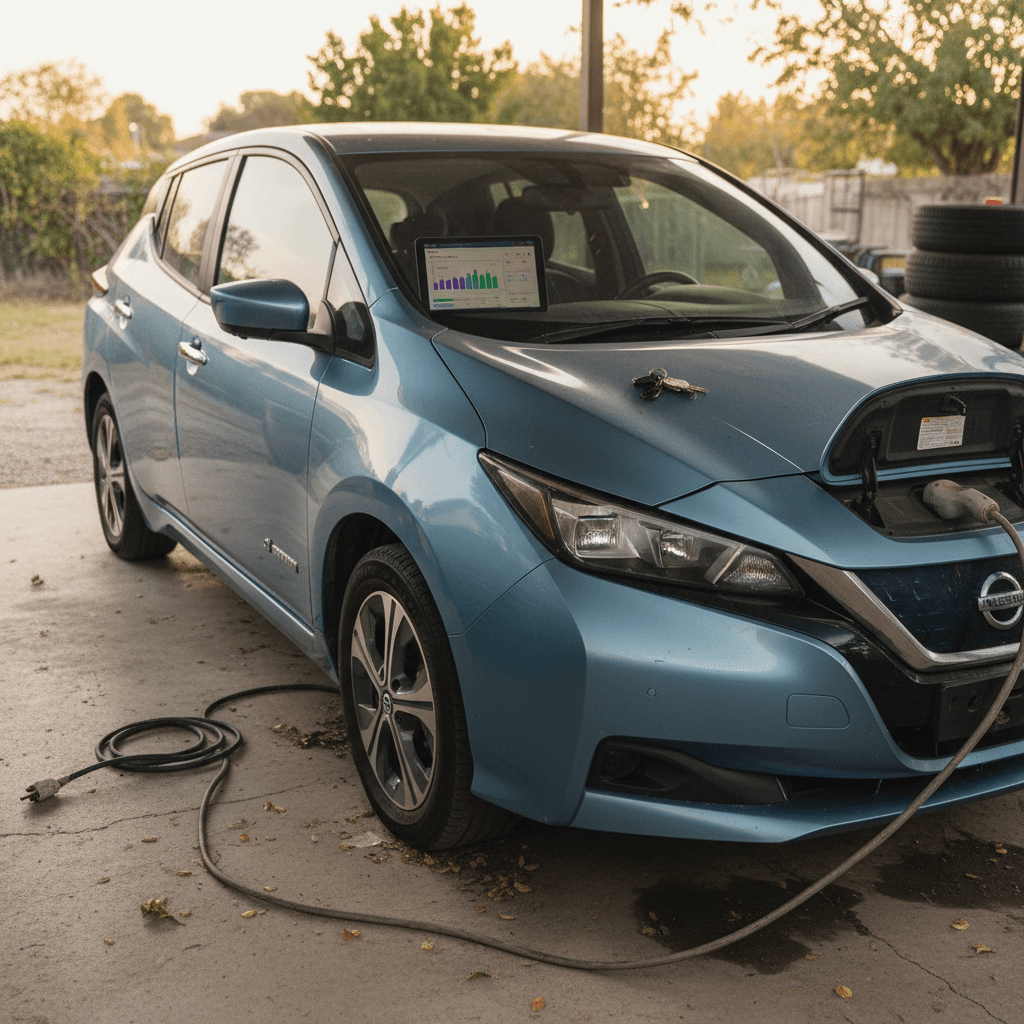
If you’re shopping for a used EV, the 2019 Nissan Leaf is going to pop up a lot. It’s affordable, practical, and one of the most common electric hatchbacks on the road. But what about 2019 Nissan Leaf problems, battery issues, “Rapidgate,” weird warning lights, or troublesome driver-assistance tech? Let’s sort out what’s real, what’s overblown, and what you should check before you buy.
Key takeaway
2019 Nissan Leaf at a glance
2019 Leaf quick stats (useful for used buyers
By 2019, Nissan had been building the Leaf for nearly a decade. The second‑generation car brought a more conventional look, more power, and in the Leaf Plus, a bigger battery and much better range. That also means there’s a healthy used supply, and a wide range of condition and battery health out there. Your experience hinges less on the calendar year and more on how the specific car was driven, charged, and cared for.
Most common 2019 Nissan Leaf problems
Let’s walk through the issues owners and technicians talk about most often on the 2019 Leaf. Not every car will have these problems, but you should be aware of them, and know what to look for on a test drive.
Battery degradation and range loss
Battery health is the headline story with any used EV, and the 2019 Leaf is no exception. Nissan used a passively‑cooled lithium‑ion pack, no liquid cooling like you’ll find in many newer EVs. That makes the Leaf simpler and cheaper to service, but it can also make the battery more vulnerable to heat and repeated fast‑charging. Over time, that shows up as reduced range.
- Owners in cooler climates who mostly Level 2 charge at home often report modest degradation and still‑usable range years later.
- Cars from consistently hot regions or with heavy DC fast‑charging use can lose capacity faster, sometimes dropping several capacity bars on the dash by the time they hit six or seven years old.
- The 40 kWh pack in the standard 2019 Leaf is more frequently pushed toward the edge of its range envelope, which can amplify the feeling of degradation compared with the bigger 62 kWh Leaf Plus.
Heat is the silent range killer
DC fast charging, heat, and “Rapidgate” concerns
Early second‑generation Leafs were notorious for "Rapidgate", a tendency for the car to sharply limit DC fast‑charging speed once the battery warmed up after one or two quick sessions. By 2019, Nissan had tweaked the software enough that outright horror stories were less common, but the physics haven’t changed: no liquid cooling means the pack still doesn’t love repeated high‑power fast charges.
- Charging speeds can slow dramatically on the second or third DC fast‑charge in a day, especially in warm weather.
- Frequent DC fast‑charging can accelerate battery wear compared with mostly Level 2 home charging.
- Leaf Plus owners may notice this more, because the bigger pack and longer‑range driving encourage more DC fast‑charge use.
How to live happily with DC fast charging
Charging issues: home and public
Most 2019 Leaf charging issues turn out to be either charging station quirks or simple wear‑and‑tear, but a few patterns show up:
- Occasional refusal to start a DC fast‑charge session at certain public stations, even when other EVs charge fine. Often resolved by trying another stall or network.
- Home Level 2 chargers tripping breakers if the circuit was poorly installed or shared with other high‑draw devices.
- J1772 inlet wear: on higher‑mileage cars, the plastic around the charging port can get worn or slightly loose, leading to intermittent connections.
Safety reminder
Electrical and infotainment glitches
On the electronics front, the 2019 Leaf is better than many early EVs, but it isn’t perfect. Owners sometimes report:
- The main infotainment screen freezing or rebooting, especially when switching quickly between navigation, audio, and EV info screens.
- Intermittent Bluetooth or Apple CarPlay/Android Auto connection drops on cars so equipped.
- Random warning lights, tire‑pressure, propilot assist, or chassis control, that disappear after restarting the car, often tied to a weak 12‑volt battery.
Don’t ignore the 12‑volt battery
Brake and driver-assistance quirks
Regenerative braking and electronic driver aids are the Leaf’s secret sauce, and occasionally the source of complaints. Common comments from 2019 owners include:
- A slightly grabby transition between regen and friction brakes at low speeds, especially when creeping in traffic or parking.
- ProPILOT Assist (if equipped) dropping out unexpectedly due to poor lane markings, bright sun, or dirty sensors.
- Forward collision warnings that feel overly cautious in heavy city traffic, even when you feel safely in control.
Test it where you actually drive
Recalls and Technical Service Bulletins (TSBs)
Every modern vehicle racks up recalls and technical service bulletins over time, and the 2019 Leaf is no different. Recalls address safety issues and are performed for free; TSBs are more like detailed repair guides for dealers when a known issue shows up. Common themes for the 2019 Leaf include:
- Airbag or seat‑belt sensor recalls, especially for front passenger detection.
- Software updates for electronic control units to reduce false warning lights or improve charging logic.
- Occasional HVAC or defroster concerns in extreme weather.
Easy win before you buy
How serious are 2019 Leaf problems, really?
What usually matters most
- Battery health and range – This is the big one. A healthy 2019 Leaf still makes an excellent commuter. A tired one can feel frustratingly short‑legged.
- Charging behavior – Occasional DC fast‑charging quirks are inconvenient but rarely catastrophic. Daily Level 2 charging is usually drama‑free.
- Electronics – Most glitches are more annoying than dangerous and can often be fixed with software updates or a new 12‑volt battery.
What’s rarely a deal‑breaker
- Minor infotainment bugs – Frozen screens and Bluetooth hiccups are rarely permanent failures.
- Driver‑assistance behavior – If you don’t like how ProPILOT Assist behaves, you can simply turn it off.
- Normal wear items – Tires, brakes, wipers and cabin filters wear out just like any car; EVs are often easier on brakes thanks to regen.
In other words, the 2019 Leaf’s problems are very manageable if you go in with your eyes open and choose the right car. The drama tends to cluster around a small group of high‑heat, hard‑driven cars, exactly the ones you want to identify and avoid.
What to check before buying a used 2019 Leaf
Pre‑purchase checklist for a 2019 Leaf
1. Read the battery capacity bars
On the right side of the digital cluster, the Leaf shows 12 battery capacity bars when new. Fewer bars mean a reduced maximum range. Aim for as many bars as possible, dropping below 9 or 10 bars should trigger a deeper conversation about price and your daily range needs.
2. Ask about charging habits
Ask how the previous owner charged the car: mostly at home on Level 2, or constant DC fast‑charging? A car that lived on home charging in a mild climate will usually have a happier battery than one that camped at fast chargers in the summer.
3. Test both Level 2 and DC fast charging
If possible, plug the car into a reliable Level 2 home or public charger and a DC fast‑charger. Confirm that the Leaf starts charging quickly, doesn’t throw errors, and that the cable and port fit snugly.
4. Drive it from cold to fully warm
Start your test drive with the car "cold," then drive long enough to warm the battery and powertrain. Pay attention to brake feel, acceleration, how regen works, and whether any warnings pop up after 20–30 minutes.
5. Check ProPILOT Assist and safety systems
On cars with ProPILOT Assist, test adaptive cruise and lane‑keeping on a highway with good markings. Confirm that blind‑spot monitoring, backup camera, and parking sensors work quietly in the background.
6. Get a professional EV inspection
A standard pre‑purchase inspection is good. A <strong>specialized EV health report is better</strong>. At Recharged, every car gets a Recharged Score with verified battery health, charging performance, and pricing benchmarked against the market, giving you hard numbers instead of guesswork.
Battery health: how Recharged measures it differently
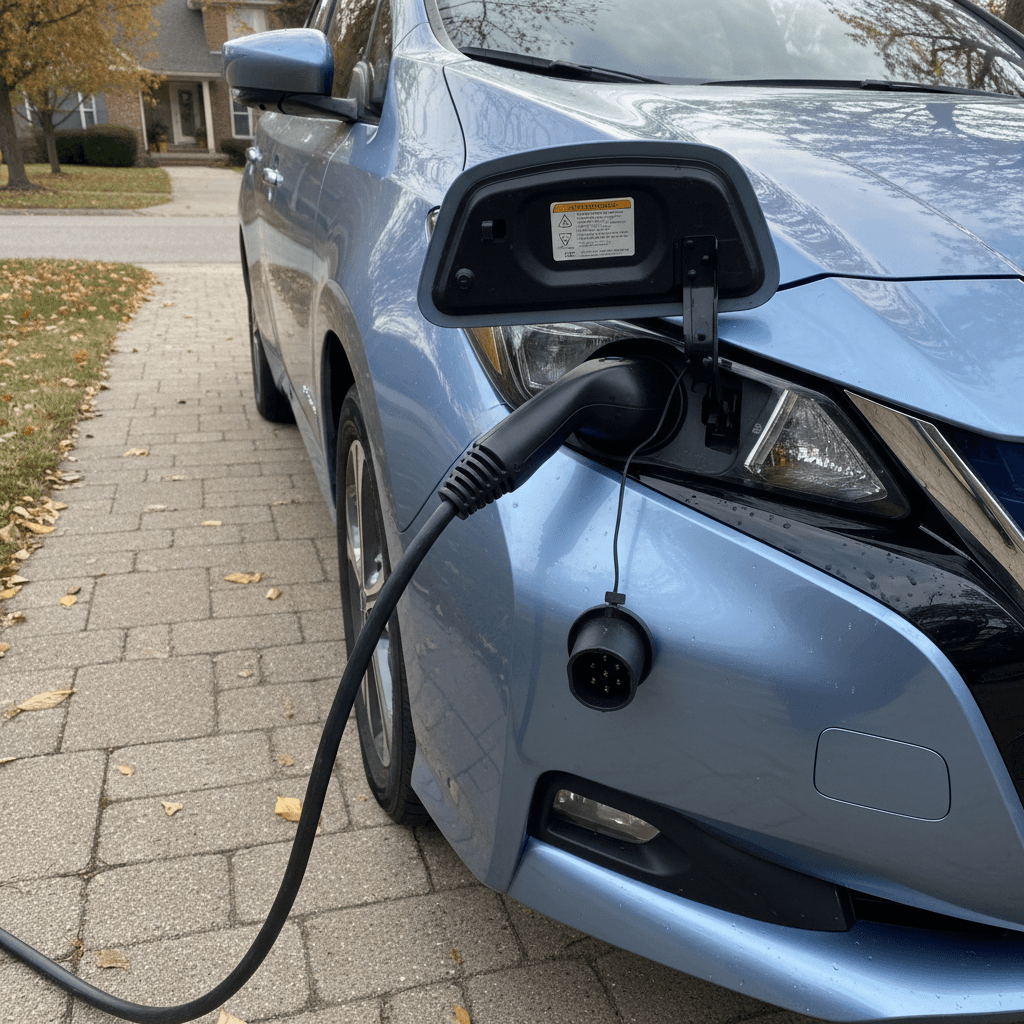
Traditional used‑car shopping gives you a Carfax report and a quick test drive. With an EV like the 2019 Leaf, that’s not enough, you need to understand what’s going on inside the battery pack. That’s where the Recharged Score battery health diagnostics come in.
What you learn from a Recharged Score on a 2019 Leaf
Beyond the dash bars: real battery insight
True battery capacity
We measure usable battery capacity, not just the on‑screen bars. That gives you a realistic picture of how much energy the pack can still store compared with when it was new.
Charging behavior under load
Our diagnostics look at how the Leaf behaves on Level 2 and DC fast charging, whether it tapers unusually early or throws errors that hint at hidden issues.
Pricing matched to health
A 2019 Leaf with excellent battery health should not be priced the same as one with heavy degradation. We factor battery condition into pricing so you know if a car is fairly valued.
Ready to find your next EV?
Browse VehiclesWhy this matters for you
Which 2019 Leaf should you buy: standard vs Plus?
2019 Leaf standard vs Leaf Plus: key differences
Both versions can be great used buys if you match them to your driving pattern.
| Feature | Leaf (40 kWh) | Leaf Plus (62 kWh) |
|---|---|---|
| EPA range when new | ~150 miles | Up to ~226 miles |
| Battery pack | 40 kWh | 62 kWh |
| Motor output | 147 hp | Up to 214 hp |
| Best for | Short commutes, city driving | Longer commutes, more highway use |
| Typical used price | Lower | Higher |
Range figures are approximate original EPA ratings; your used‑car experience will depend on battery health and climate.
If your life is mostly short‑hop commuting, school runs, and errands with overnight charging at home, the standard 2019 Leaf can be an excellent, budget‑friendly choice, especially if battery health checks out. If you regularly see 70–100 miles a day, or want the freedom to make spur‑of‑the‑moment highway trips without clenching, the 2019 Leaf Plus is usually the smarter long‑term bet.
Maintenance and repair costs: what to expect
One of the perks of the Leaf is how little there is to maintain compared with a gas car. No oil changes, no timing belts, no exhaust system. Most of your spend will be on normal wear items and, eventually, battery‑related work.
- Brake pads and rotors often last a long time thanks to regenerative braking, especially on mostly‑city cars.
- Tires can wear quickly on EVs if you drive aggressively, instant torque is hard on tread, and the Leaf is no exception.
- Cabin filters, wiper blades, and brake fluid flushes are inexpensive and follow a predictable schedule.
- Out‑of‑warranty infotainment or electronics fixes can range from simple software updates to pricey module replacements, but these failures are not rampant on the 2019 model year.
Plan your budget
Is the 2019 Nissan Leaf still a good buy?
For the right driver, a 2019 Nissan Leaf is still one of the best value EVs on the used market. Its main weaknesses, battery cooling and long‑distance fast charging, matter most if you’re chasing big‑miles road trips or live in extreme heat. If your reality is commuting, school runs, and weekend errands with a driveway or garage to plug into, a healthy‑battery 2019 Leaf can quietly do the job for years.
The key is to buy the car in front of you, not the idea of a Leaf. Check capacity bars, test charging, drive it thoroughly, and don’t be shy about walking away from a tired battery or a sketchy service history. Or skip the guesswork entirely and look at Leafs that already have a Recharged Score battery health report, fair‑market pricing, and EV‑specialist support from first click to delivery. That turns "Will this 2019 Leaf be a problem?" into a much better question: "Does this 2019 Leaf fit my life?"