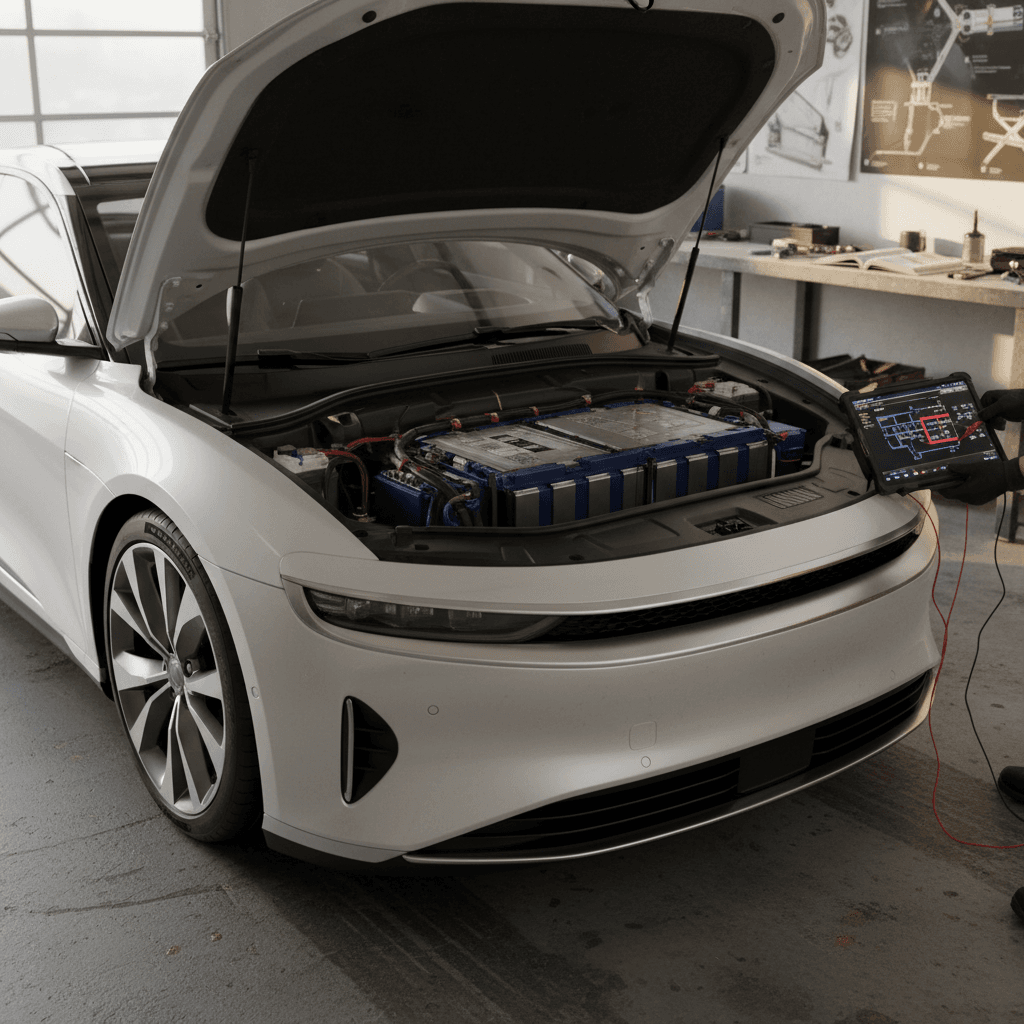
If you’re considering a Lucid Air, or eyeing a used one, the maintenance schedule is probably on your mind. EVs famously need less service than gas cars, but a high-tech luxury sedan like the Lucid Air has its own rules. Understanding the Lucid Air maintenance schedule helps you avoid surprises, protect the battery, and preserve resale value.
Good news for Lucid Air owners
How Lucid Air maintenance works (and how it’s different from gas cars)
Traditional maintenance schedules revolve around engine oil, belts, spark plugs, and complex transmissions. The Lucid Air doesn’t have any of those. Instead, its maintenance schedule focuses on items that still wear with time and miles: tires, brakes, cabin filters, coolant for the battery and drive units, and general inspections of safety systems.
Lucid Air (EV) maintenance
- No oil changes or spark plugs
- Brake wear often reduced thanks to strong regenerative braking
- Fewer fluids to change (mainly coolant and brake fluid)
- Most updates delivered over-the-air via software
Comparable gas luxury sedan
- Regular oil and filter changes
- Transmission service and more complex driveline
- Belts, plugs, emissions and exhaust components
- More frequent dealer visits and higher routine costs
Think in years, not just miles
Lucid Air maintenance schedule: the big-picture timeline
Lucid publishes service guidance in the owner’s manual for each Air variant, and it can evolve with model years and software updates. But in practice, most owners will see a pattern of annual checks, tire and brake upkeep every few years, and longer-interval fluid services. Here’s a practical, easy-to-remember Lucid Air maintenance schedule you can use as a baseline. Always confirm specifics in your vehicle’s manual or Lucid app.
Lucid Air maintenance schedule at a glance
Typical service touchpoints for a Lucid Air during the first 8 years or 100,000 miles. Intervals are approximate; consult your owner’s manual for your exact model and year.
| Time / Mileage | Key Maintenance Items | Notes |
|---|---|---|
| Every 12 months (any mileage) | General inspection, software check, tire rotation | Many items can be checked via mobile service where available. |
| Every 2 years (~20,000–25,000 mi) | Cabin air filter, brake inspection, key fluid checks | Shorter interval if you drive in dusty or harsh conditions. |
| Every 3–4 years (~30,000–40,000 mi) | Brake fluid replacement, more detailed inspection | Moisture in brake fluid can affect braking performance. |
| Every 5–6 years (~60,000–75,000 mi) | Coolant system inspection/service as specified | Battery and drive-unit coolant longevity depends on model year. |
| As needed | Tires, wiper blades, 12V battery, alignment | Tires are the biggest regular expense on a powerful EV like the Air. |
Most Lucid Air owners will follow a mix of annual and mileage-based service, with flexibility depending on driving style and climate.
Always defer to your owner’s manual
Service items by mileage and time
Every 6–12 months: inspections and tire care
Even if nothing feels wrong, it’s smart to give your Lucid Air a checkup at least once a year. With a high‑performance, heavy EV on wide tires, tire wear and alignment are the big day‑to‑day maintenance items.
- Visual inspection of tires for wear, cracking, and damage
- Tire rotation every 6,000–7,500 miles (or as indicated by wear pattern)
- Tire pressure check and adjustment (crucial for range and safety)
- Brake pad and rotor inspection
- Suspension and steering visual check (for leaks or damaged components)
- Wiper blades and washer fluid top‑off
Watch tire pressures like a hawk
Around 2 years: cabin filter and detailed inspection
Most Lucid Airs will need a cabin air filter replacement roughly every 2 years, or sooner in dusty climates. At the same time, Lucid or a qualified EV shop should perform a more detailed inspection of the HVAC system, suspension, and underbody components.
- Replace cabin air filter (and HEPA element if equipped, per Lucid guidance)
- Inspect HVAC performance and check for unusual odors or noises
- Recheck brakes, suspension bushings, and steering components
- Confirm proper operation of ADAS features (Lane Assist, ACC, etc.)
Every 3–4 years: brake fluid and deeper checks
Because the Lucid Air relies heavily on regenerative braking, physical brakes see far less use than in a gas car. But the brake fluid still absorbs moisture over time. Many EVs use a 3–4 year brake fluid replacement interval, and that’s a smart benchmark for the Air unless Lucid specifies otherwise for your model year.
- Replace brake fluid and bleed system
- Inspect all brake lines and calipers for corrosion or leaks
- Check parking brake operation
- Inspect underbody panels and high‑voltage cabling for damage
Don’t ignore a soft or spongy brake pedal
Every 5–6 years: coolant and thermal system checks
Your Lucid Air uses complex thermal management to keep the battery, motors, and power electronics in the sweet spot for efficiency and durability. Coolant typically has a long service life, but eventually it will need inspection and, in some cases, replacement. The exact timing depends on your model year and Lucid’s latest guidance.
- Inspect coolant levels and check for leaks around hoses and fittings
- Check for any coolant‑related warnings in the car’s diagnostics
- Service or replace coolant per Lucid’s time/mileage recommendation
- Inspect underbody panels and aero shields after service to ensure proper reinstallation
Battery and drive unit care for the Lucid Air
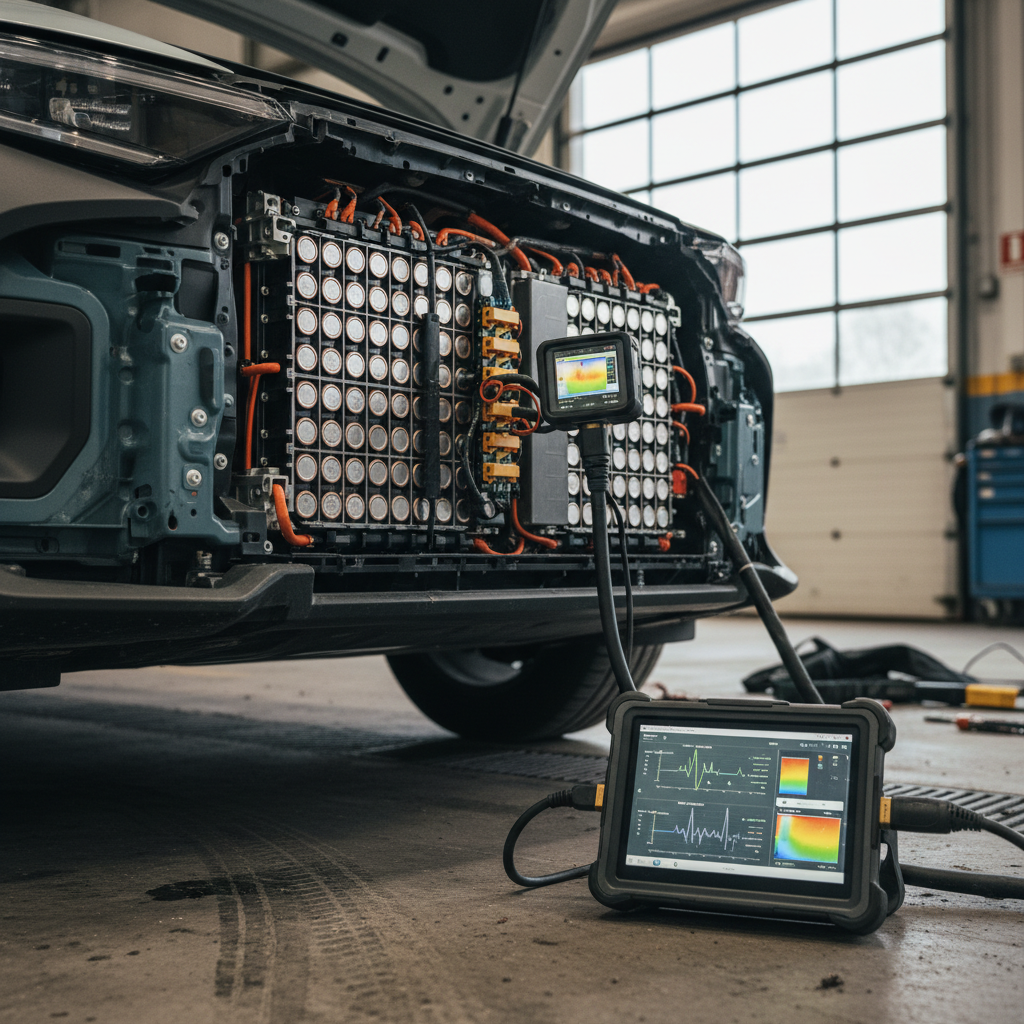
The heart of the Lucid Air is its high‑capacity battery pack and compact drive units. There isn’t a traditional “battery service” interval like changing oil, but how you use and charge the car has a big impact on long‑term health. From a maintenance perspective, you’re mostly watching for software alerts, cooling system issues, and unusual noises or vibrations.
Battery-friendly habits for Lucid Air owners
You can’t eliminate battery aging, but you can slow it down.
Avoid living at 100%
Use the car’s charging limit so daily charging stops around 70–80% for routine use. Save 100% for road trips.
Limit frequent DC fast charging
Lucid supports very fast DC charging, but making it your daily habit can accelerate degradation. Mix in Level 2 when possible.
Be kind in extreme temps
In very hot or cold weather, precondition the cabin while plugged in and avoid leaving the car at very low or very high state of charge for long periods.
Battery health and resale value
Ready to find your next EV?
Browse VehiclesSoftware updates, mobile service, and recalls
One of the biggest differences between a Lucid Air and a traditional luxury sedan is how often problems can be fixed, or prevented, without a trip to a service center. Lucid pushes over-the-air (OTA) software updates that can improve driveability, range estimates, infotainment, and even the charging experience.
- Enable automatic software updates and schedule them for overnight when convenient.
- Scan release notes; some updates require a brief learning curve for new features or menu layouts.
- Pay attention to messages in the Lucid app, these often flag issues early, including potential recalls or campaigns.
- Where available, use Lucid’s mobile service for straightforward items, reducing disruption to your schedule.
Don’t ignore warning messages
What Lucid Air maintenance really costs over time
Actual maintenance costs for a Lucid Air will vary by driving style and location, but the pattern is clear: you spend less on routine engine service and more on tires and alignment than you would in a typical sedan. Over several years, many owners will spend less overall than they would on a comparable gas luxury car, especially if they’re proactive about tire care.
Typical Lucid Air maintenance cost profile (excluding repairs)
Those numbers are directional, not promises, but they reflect what we’ve seen across high‑performance EV ownership in general: lower routine service line items, offset by premium tires and occasional high‑tech repairs if something fails out of warranty.
Use maintenance to negotiate on used Lucid Air pricing
Used Lucid Air? Maintenance records and battery reports to review
On a new Lucid Air, you can simply follow the schedule as you go. On a used Lucid Air, you’re inheriting someone else’s habits. A clean, documented maintenance history is one of the best predictors of a trouble‑free ownership experience, and one of the first things we analyze at Recharged.
Checklist: Evaluating maintenance on a used Lucid Air
1. Confirm basic service history
Ask for service invoices or digital records showing cabin filter changes, brake fluid service, tire rotations, and any warranty work.
2. Inspect tire condition and matching brands
Mismatched or heavily worn tires can indicate hard driving or poor alignment. Budget for a fresh set if the current tires are near the wear bars.
3. Look for warning lights or stored faults
During a test drive, confirm there are no persistent alerts. A pre‑purchase inspection can also scan for stored fault codes.
4. Request battery health information
Ask for documentation of the car’s usable range at different states of charge. With Recharged, the <strong>Recharged Score</strong> includes verified battery diagnostics so you’re not guessing.
5. Review software update history
A Lucid that’s consistently updated suggests an engaged owner. Skipped updates can hide unresolved issues or outdated features.
6. Check for completed recalls or campaigns
Verify that any recall notices or service campaigns have been performed. This protects both safety and long‑term reliability.
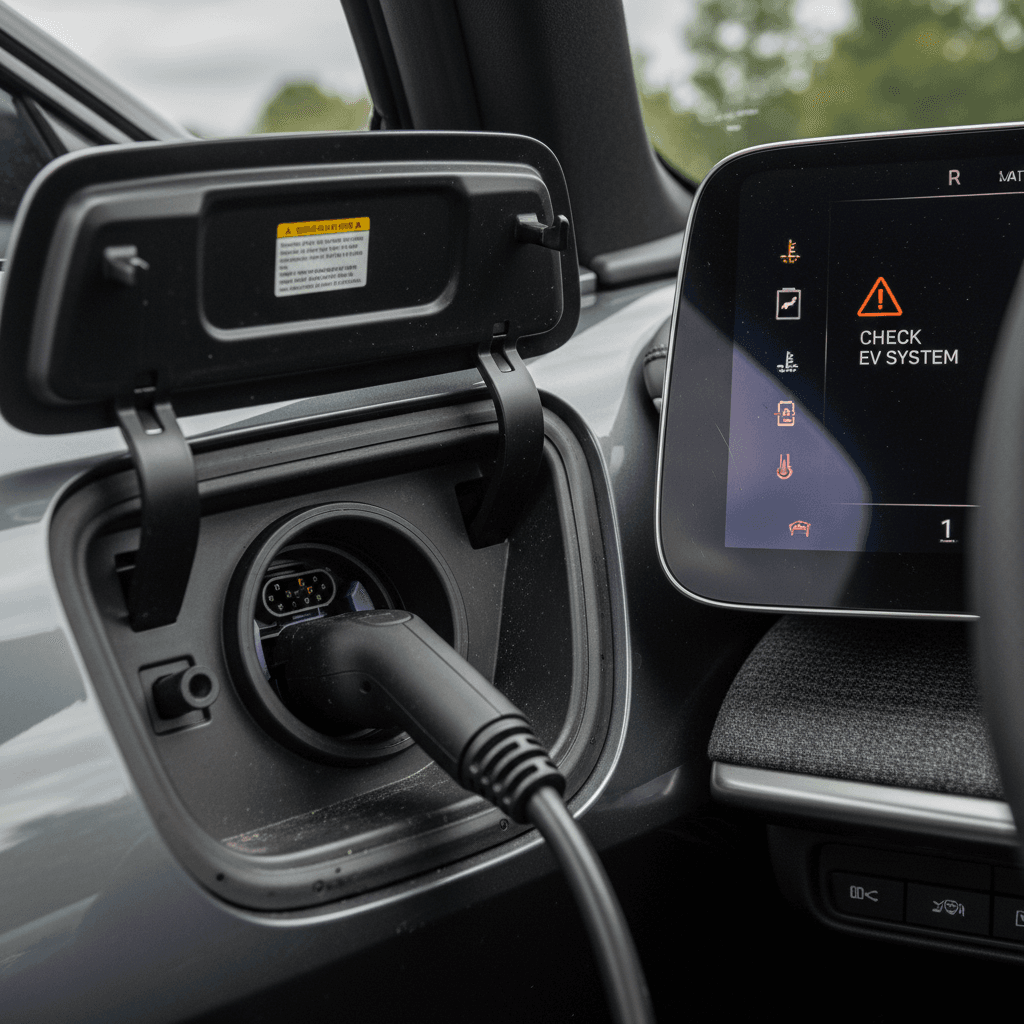
If you’re browsing for a used Lucid Air, working with a marketplace that understands EVs can take a lot of guesswork out of the process. Every vehicle listed on Recharged comes with a Recharged Score report that covers verified battery health, fair market pricing, and a clear view of service history so you can buy with confidence.
DIY vs. Lucid service: what you can (and shouldn’t) do
Owning a Lucid Air doesn’t mean you’re locked out of all do‑it‑yourself maintenance. You can still handle simple items at home, but anything that touches the high‑voltage system or advanced driver‑assist hardware should stay firmly in professional hands.
Reasonable DIY tasks
- Checking and adjusting tire pressures
- Replacing wiper blades
- Swapping cabin air filters (if you’re comfortable with interior trim)
- Cleaning sensors and cameras carefully with proper materials
If you’re ever unsure, consult the owner’s manual or a Lucid‑trained technician before proceeding.
Leave these to the pros
- High‑voltage system diagnostics or repairs
- Battery, inverter, or drive‑unit work
- Brake fluid replacement and ABS system bleeding
- ADAS sensor calibration and software‑level changes
Mistakes in these areas can be dangerous and expensive, and may jeopardize warranty coverage.
High voltage is not a science project
Lucid Air maintenance schedule: FAQ
Frequently asked questions about Lucid Air maintenance
Bottom line: How to stay ahead on Lucid Air maintenance
Living with a Lucid Air doesn’t require memorizing a complicated maintenance chart. If you keep tires in good shape, follow time‑based services for fluids and filters, pay attention to software alerts, and treat the battery kindly, you’ll be doing more than most owners ever did with their gas cars. That’s good for your day‑to‑day ownership experience, and it’s excellent for resale value down the road.
If you’re shopping for a used Lucid Air, you don’t have to decode all of this on your own. At Recharged, every used EV comes with a Recharged Score that highlights battery health, maintenance history, and fair market pricing, plus EV‑specialist support to answer your questions. That way you can focus on finding the right car, and the right payment, not worrying about what might be hiding under the surface.