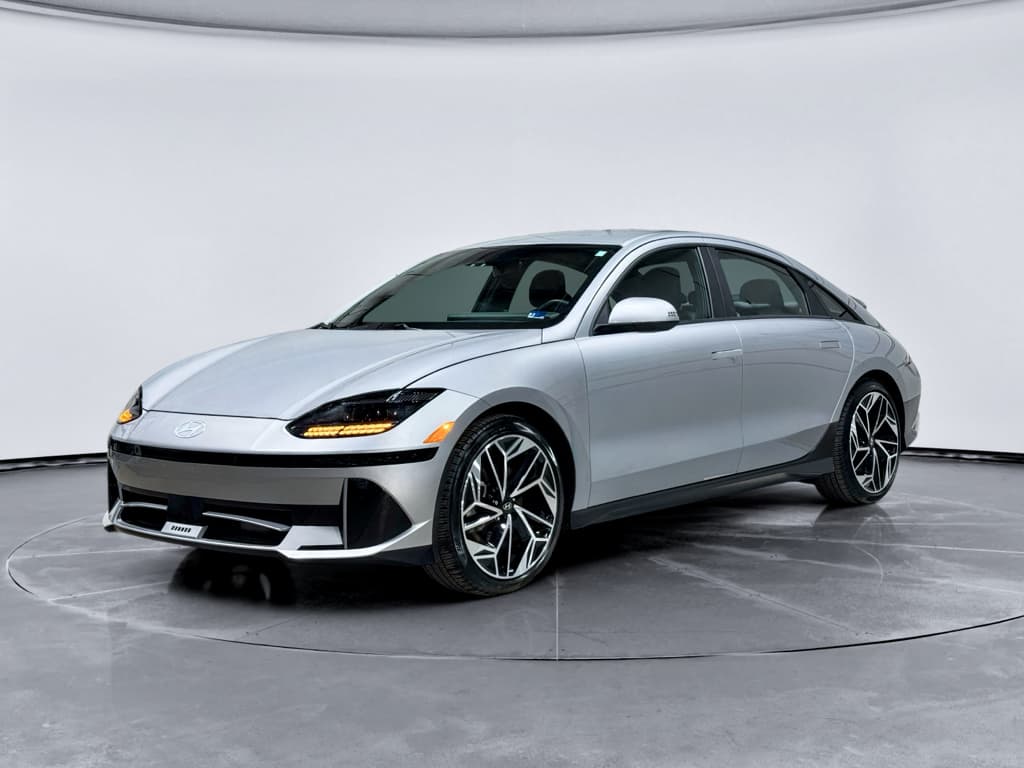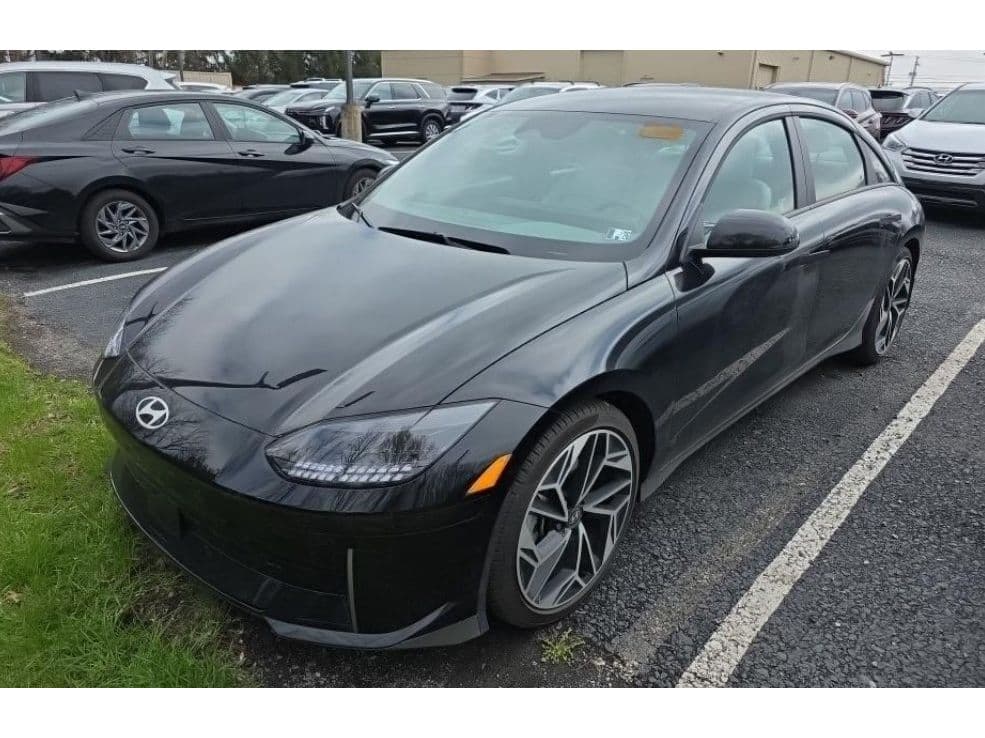
If you’re eyeing a 2024 Hyundai IONIQ 6, or already have one in the driveway, you’ve probably heard rumblings about ICCU failures, 12‑volt batteries dying, and software that doesn’t always behave. This guide walks you through the real‑world 2024 Hyundai IONIQ 6 problems and fixes we’re seeing in 2026, so you can separate internet noise from issues that actually deserve your attention.
Quick take on 2024 IONIQ 6 reliability
Overview: How Worried Should You Be About 2024 IONIQ 6 Problems?
The IONIQ 6 rides on Hyundai’s E‑GMP platform, shared with the IONIQ 5 and several Kia and Genesis EVs. That’s good news for driving dynamics and DC fast‑charging speed, but it also means 2022–2025 E‑GMP issues, especially failures of the Integrated Charging Control Unit (ICCU), touch the 2024 IONIQ 6 as well. Add in a handful of software annoyances, 12‑volt battery complaints, and a couple of recalls, and you get a car that’s excellent to drive but more maintenance‑sensitive than many owners expected.
- Which issues are safety‑critical and tied to recalls.
- What warning signs to watch for before something strands you.
- How to verify that a specific 2024 IONIQ 6 has had the right software updates and hardware fixes.
2024 IONIQ 6 Problems: Big Picture
2024 IONIQ 6 Problems at a Glance
Most-talked-about 2024 IONIQ 6 Issues
What owners, forums, and recalls are actually pointing to
1. ICCU failures & limp‑home mode
The Integrated Charging Control Unit (ICCU) can overheat or fail, triggering warnings, limiting DC fast‑charge speed, or in rare cases leaving the car unable to drive.
Hyundai’s response has been multiple software updates plus a recall inspection that can lead to ICCU replacement.
2. 12‑volt battery going flat
Some 2024 IONIQ 6 owners report sudden no‑start situations where the car is totally dead despite low mileage.
Often this is a weak 12‑volt battery or a car that never got the latest ICCU software update that manages auxiliary loads.
3. Level 2 charging quirks
Interrupted home charging sessions, slower‑than‑expected Level 2 speeds, or chargers tripping offline are common threads.
Software updates and checking EVSE settings usually fix the problem; defective onboard components are less common but possible.
4. Software, screen, and OTA frustrations
Owners mention frozen infotainment screens, overly sensitive sensors, and “missing” over‑the‑air updates on 2023–early 2024 cars.
Most issues resolve with hard resets and dealer software updates, but it’s an annoyance in an otherwise refined car.
If you own a 2024 IONIQ 6 now
ICCU Failures and Recalls: The Headline 2024 IONIQ 6 Problem
The **Integrated Charging Control Unit (ICCU)** is the heart of the IONIQ 6’s charging system. It manages AC charging, DC fast‑charging, and vehicle‑to‑load functions. On 2022–2025 E‑GMP vehicles (including the 2024 IONIQ 6), overheating and internal faults in the ICCU have led to a major global recall campaign and a lot of online buzz.
Typical ICCU Problem Symptoms on 2024 IONIQ 6
What owners report when the ICCU is unhappy, and what it usually means.
| What you see | What it might mean | How serious is it? |
|---|---|---|
| Power reduced, car limits speed or acceleration | ICCU protecting itself from overheating or detecting a fault | Medium – you may still drive short distances, but schedule service immediately. |
| Car refuses to DC fast‑charge or stops charging mid‑session | ICCU or software can’t manage high‑power charging safely | Medium – inconvenient on road trips, but often fixed with software/ICCU replacement. |
| Multiple electrical/charging warnings plus no‑start | ICCU or associated fuse has failed, sometimes taking the 12V system down | High – the car may be immobile and require towing. |
| Repeated charging‑system warnings after recent recall | Update or inspection may not have fully resolved underlying hardware issue | Medium/High – dealer revisit needed; document everything for warranty. |
Use this as a reference, not a substitute for professional diagnosis.
Don’t ignore ICCU warning lights
Hyundai’s ICCU recall on 2023–2024 IONIQ 6 cars involves a **software update plus inspection**. If the ICCU or its fuse shows signs of damage, the dealer replaces hardware under warranty. The catch is that parts delays and service‑department inexperience have led to long wait times in some regions, which is why owner forums talk so much about this issue.
What to Do If You Suspect ICCU Trouble
1. Stop fast‑charging until it’s checked
If you see charging‑system warnings or the car suddenly limits power, avoid DC fast‑charging until a dealer evaluates the car. Stick to gentle Level 2 or Level 1 if you must drive it to service.
2. Document symptoms with dates and photos
Take photos of warning lights, charging‑station screens, and dash messages. Detailed documentation makes it easier for the dealer to get Hyundai to authorize parts quickly.
3. Run a recall and campaign check by VIN
Use Hyundai’s owner portal or NHTSA’s recall lookup to confirm your 2024 IONIQ 6 has had all ICCU‑related recalls and software campaigns performed.
4. Ask the advisor specifically about ICCU
Service advisors see dozens of models; explicitly mention ICCU, charging issues, and any limp‑home behavior so the tech looks beyond simple 12‑volt testing.
5. Keep repair invoices and recall letters
If problems repeat after an ICCU repair, a complete paper trail helps if you need to escalate within Hyundai or research state lemon‑law options.
12‑Volt Battery & No‑Start Complaints
A surprising number of low‑mileage 2024 IONIQ 6 owners have reported a completely dead car, no power, no ability to shift to Neutral, often traced to a weak or failed 12‑volt battery. While this sounds mundane compared with high‑voltage failures, the result is the same: the car won’t move until it’s jump‑started or flat‑bedded to a dealer.
Common 12‑volt symptoms
- Car is totally dead after sitting overnight or a few days.
- Instrument cluster flickers and then shuts off when you try to start.
- Random warning lights followed by a no‑start condition.
- Issues appear shortly after a charging or ICCU‑related repair.
Likely causes
- Aging or defective 12‑volt battery on an early‑build car.
- Parasitic draw from modules that don’t sleep correctly.
- ICCU or software that isn’t managing auxiliary loads properly.
- Car left parked for long stretches without regular driving or charging.
Use the car’s built‑in 12‑volt reset first
- Have the 12‑volt battery load‑tested; push for replacement under warranty if it fails.
- Ask the dealer to check for the latest ICCU and body‑control software updates that address parasitic draws.
- If you leave the car parked for weeks, consider keeping it plugged in so the high‑voltage pack can maintain the 12‑volt system.
- If the car repeatedly kills 12‑volt batteries, escalate within Hyundai corporate; this is not normal wear.
Charging Quirks, Slow Level 2, and Port-Cover Recalls
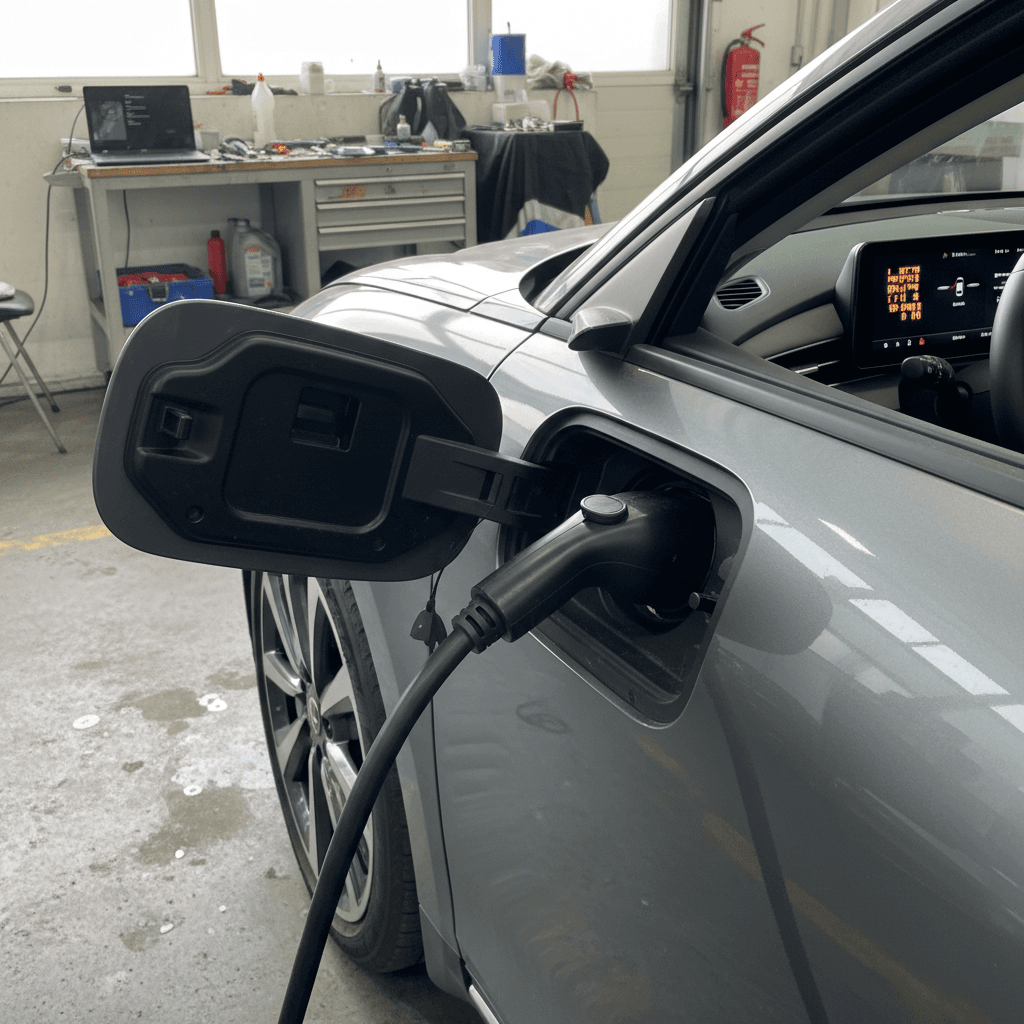
Owners of 2023–2024 IONIQ 6 cars report a mix of **Level 2 charging quirks**: sessions that stop randomly at home, wall‑boxes that trip offline, or output that drops from the expected 9–11 kW down to 4–5 kW and never recovers until the next plug‑in. A separate recall campaign covers **charge‑port covers that can detach**, especially in harsh weather, which is more annoying than dangerous but still worth fixing.
Common 2024 IONIQ 6 Charging Problems & Likely Fixes
Match what you’re seeing to the most probable causes and next steps.
| Symptom | Most likely cause | Owner‑level fix | When to see the dealer |
|---|---|---|---|
| Home Level 2 stops mid‑charge | Handshake issue between EVSE and car; outdated software | Reboot charger, try another brand/location, check Wi‑Fi/app settings on smart chargers. | If it happens across multiple EVSEs, request charging‑system diagnosis and software updates. |
| Level 2 starts fast, then drops to ~4 kW | Thermal management or ICCU protective behavior | Check ambient temperature; try again with battery at 20–80% and cooler conditions. | Persistent slow charging even in mild weather merits a dealer visit; mention ICCU recall and TSBs. |
| DC fast‑charge slows dramatically early in the session | Battery conditioning strategy, station limitations, or ICCU protection | Try a different station/network; precondition battery via navigation if available. | If multiple networks behave the same and range is normal, ask dealer to check for ICCU/charging TSBs. |
| Charge‑port cover loose or missing | Known manufacturing issue on some 2023–2025 cars | Schedule recall replacement; temporary tape or cover can protect port from debris. | Anytime – this is a recall item and should be handled at no cost. |
Always treat repeated charging failures as a safety concern and involve a qualified technician.
Good news on charging fixes
Software Bugs, Screens, and Missing OTA Updates
If there’s a consistent chorus from 2024 IONIQ 6 owners, it’s this: the car drives great, but the software feels a step behind the best in the class. Common complaints include frozen center screens, over‑sensitive parking sensors, navigation that feels dated, and a promised over‑the‑air (OTA) update experience that, for early‑build cars, never seemed to fully arrive.
Typical IONIQ 6 Software Irritations
Annoying more than dangerous, but still worth addressing
Frozen or rebooting screen
The infotainment display may freeze, go black, or unexpectedly reboot.
Quick fix: Hold the power/volume knob for 10–15 seconds to reboot. If it repeats, ask the dealer to check for head‑unit software updates.
Random beeps & sensor warnings
Drivers report proximity or parking warnings at stoplights or in light traffic with nothing obvious nearby.
Quick fix: Verify sensor lenses are clean; some chimes can be toned down or disabled in settings.
Missing or delayed OTA updates
Many early 2023–early 2024 cars saw long gaps between OTA updates, forcing owners to use USB or dealer visits instead.
Quick fix: Ask the dealer to confirm the latest firmware versions and re‑enable OTA where possible.
When software bugs become a real problem
Rattles, Wind Noise, and Minor Fit‑and‑Finish Issues
Underneath the headline electrical issues, the 2024 IONIQ 6 also gets typical new‑model teething complaints: interior rattles, door‑panel creaks, and some wind noise at highway speed. They won’t strand you, but they can sour the ownership experience if you’re expecting luxury‑car isolation.
- Door‑panel rattles over rough pavement, often from clips or loose wiring behind the trim.
- Occasional buzzes from the rear deck or parcel shelf around certain bass frequencies.
- Wind noise around the mirrors or A‑pillars at 70+ mph, more noticeable because EVs are otherwise quiet.
- Squeaks from the seat frame or steering column that come and go with temperature.
Get noises addressed early
What Recalls Affect the 2024 Hyundai IONIQ 6?
As of early 2026, several major recall and service‑campaign themes touch the 2024 IONIQ 6. The exact set on your car depends on build date and region, so always confirm by VIN, but you’ll commonly see:
Key Recall Themes for 2024 IONIQ 6 Owners
This is a high‑level overview; the exact recall IDs vary by country and build date.
| Issue area | What the recall does | Typical owner impact |
|---|---|---|
| ICCU / charging system | Updates software, inspects ICCU and fuse, replaces parts if damage is found. | Reduces risk of sudden power loss or no‑start situations tied to charging faults. |
| Inner driveshaft / powertrain (select cars) | Inspects and replaces inner shaft components that could fail prematurely. | Prevents loss of drive power or unusual noises under acceleration. |
| Charge‑port cover detaching (2023–2025) | Replaces defective charge‑port doors that may not stay attached. | Keeps water and debris out of the charge port; mostly a convenience and durability fix. |
| Assorted software campaigns | Updates infotainment, cluster, and assistance‑system software outside formal safety recalls. | Improves stability of screens, sensors, and connectivity, smoothing day‑to‑day use. |
Always rely on official NHTSA and Hyundai owner‑site lookups for authoritative recall details.
How to Check Your 2024 IONIQ 6 for Open Recalls
1. Run a VIN check on NHTSA and Hyundai
Enter your VIN on NHTSA’s recall lookup and Hyundai’s owner website to see all open recalls and service campaigns for your specific car.
2. Ask for a printout at the dealer
Service departments can print a campaign/recall summary from Hyundai’s internal system. Keep a copy in your records after work is done.
3. Confirm recall completion dates on invoices
When a recall is performed, your repair order should list the campaign number and date. That’s your proof it’s been done.
4. Re‑check annually, especially if you DC fast‑charge often
New campaigns can appear as Hyundai gathers more data. Make a recall check part of your yearly maintenance routine.
Diagnosing Issues & Shopping a Used 2024 IONIQ 6
If you’re shopping a used 2024 IONIQ 6, you get attractive pricing and modern tech, but you also inherit whatever the first owner did (or didn’t) fix. This is where a structured inspection and good documentation matter more than ever.
Red flags when test‑driving
- Any “Check EV system,” charging, or power‑reduction warnings in the cluster.
- Car refuses to DC fast‑charge or Level 2 speeds seem unusually low.
- Persistent rattles, creaks, or water leaks around doors and glass.
- Frozen infotainment screen or repeated system reboots on a short drive.
Paperwork you want to see
- Recall completion proof for ICCU, charge‑port cover, and any driveshaft campaigns.
- Warranty repair history showing whether an ICCU has already been replaced.
- Regular maintenance records, including cabin filter changes and brake service.
- Charging history if available, heavy DC fast‑charging isn’t a deal‑breaker, but it’s useful context.
How Recharged helps with used IONIQ 6s
Used 2024 IONIQ 6 Pre‑Purchase Checklist
1. Scan for warning lights on startup and shutdown
Start the car several times. Any persistent EV‑system or charging warnings are reason to walk away or negotiate heavily pending a dealer inspection.
2. Plug into Level 2 if possible
If the seller or dealer has a Level 2 charger, plug in and watch the initial kW rate. Large unexplained drops in a short session deserve follow‑up questions.
3. Verify recall and campaign history
Ask for printed recall records by VIN. If the seller can’t produce them, plan to run your own checks before finalizing the deal.
4. Ask directly about ICCU or 12‑volt replacements
A car that has already had an ICCU and 12‑volt battery replaced under warranty, and is trouble‑free since, can be a better bet than one with no history at all.
5. Consider warranty transfer and extended coverage
Make sure Hyundai’s basic and EV‑component warranties transfer to you, and weigh whether additional coverage makes sense given your risk tolerance.
6. Use a specialist retailer when possible
Buying through an EV‑focused retailer like Recharged gives you access to technicians who see these patterns every day, not just once in a while.
FAQ: Common Questions About 2024 IONIQ 6 Problems
2024 Hyundai IONIQ 6 Problem FAQ
Bottom Line: Should 2024 IONIQ 6 Problems Scare You Off?
The 2024 Hyundai IONIQ 6 is not a disaster story, but it’s also not a set‑and‑forget appliance. Its biggest headaches cluster around the ICCU, charging behavior, 12‑volt battery, and software polish, not the core EV hardware. If you go in with clear eyes, verify recall and repair history, and keep the car current on software, you can enjoy one of the most efficient and distinctive EVs on the market without constantly looking over your shoulder.
If you’re shopping used and want fewer unknowns, consider working with an EV‑focused retailer like Recharged. With tools like the Recharged Score Report, covering battery health, charging behavior, open recalls, and fair pricing, you’re much better positioned to pick a 2024 IONIQ 6 that has already had the important problems fixed, instead of inheriting someone else’s unfinished chapter.