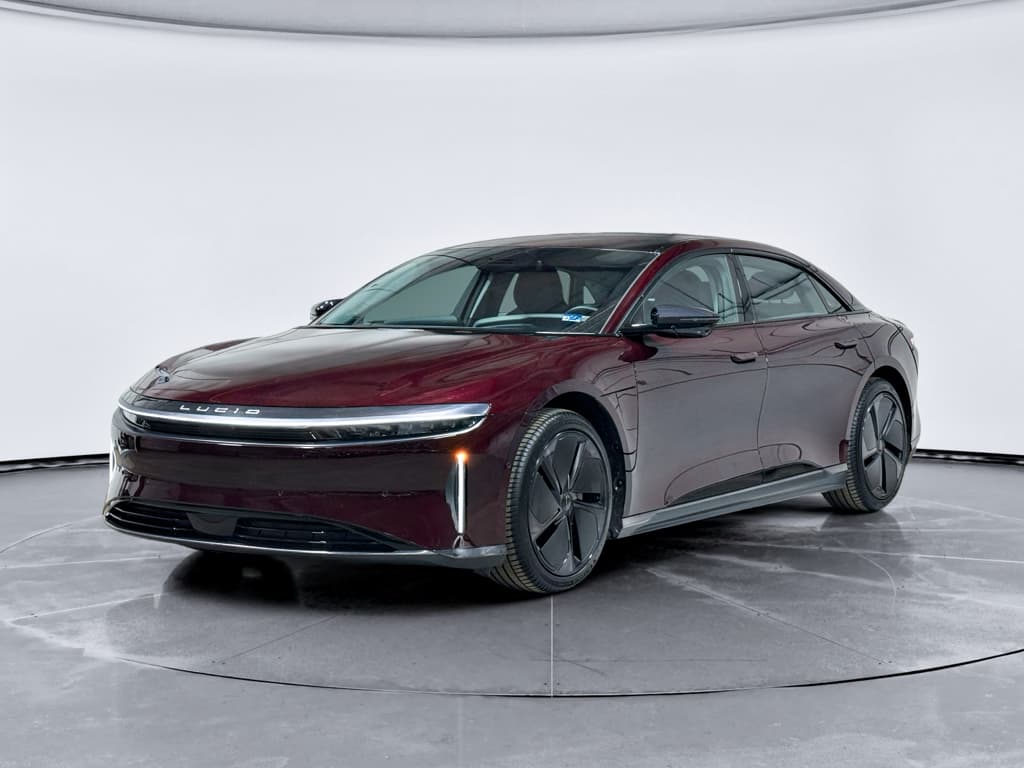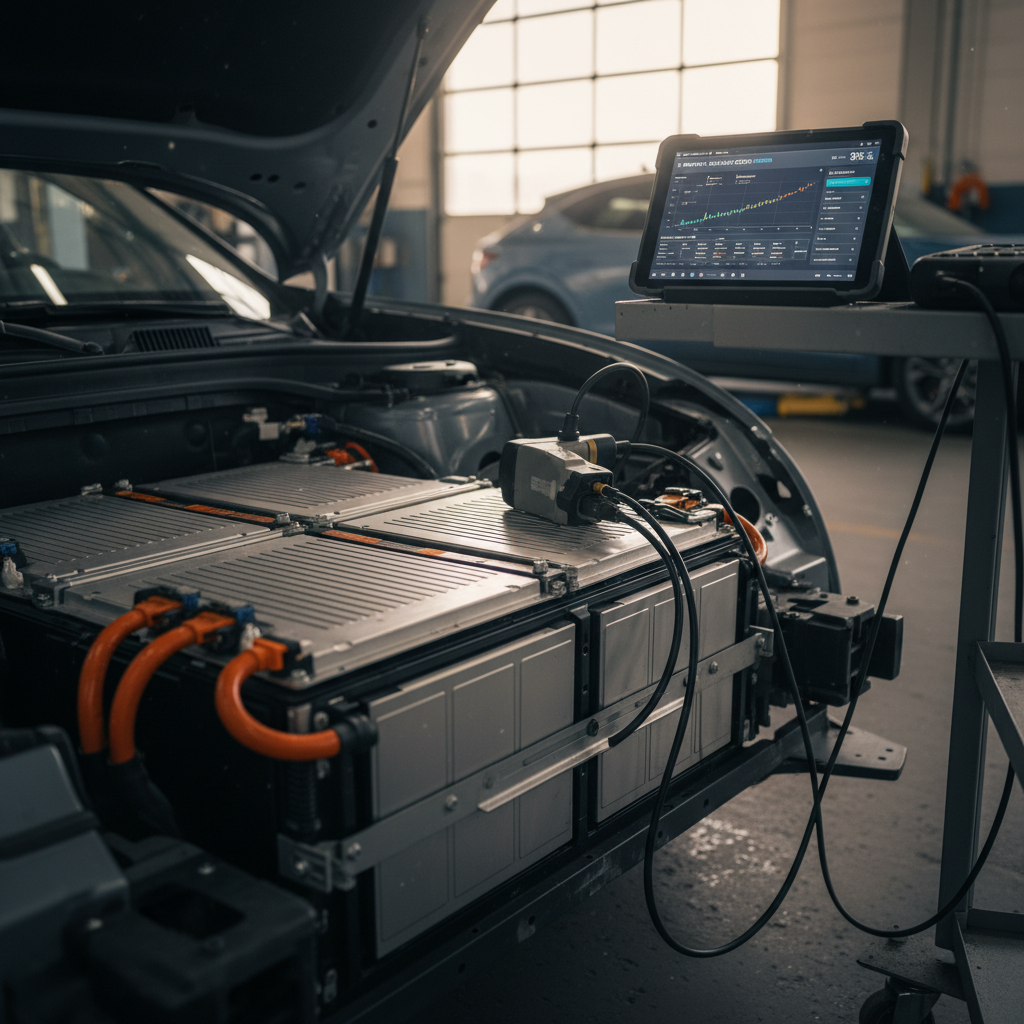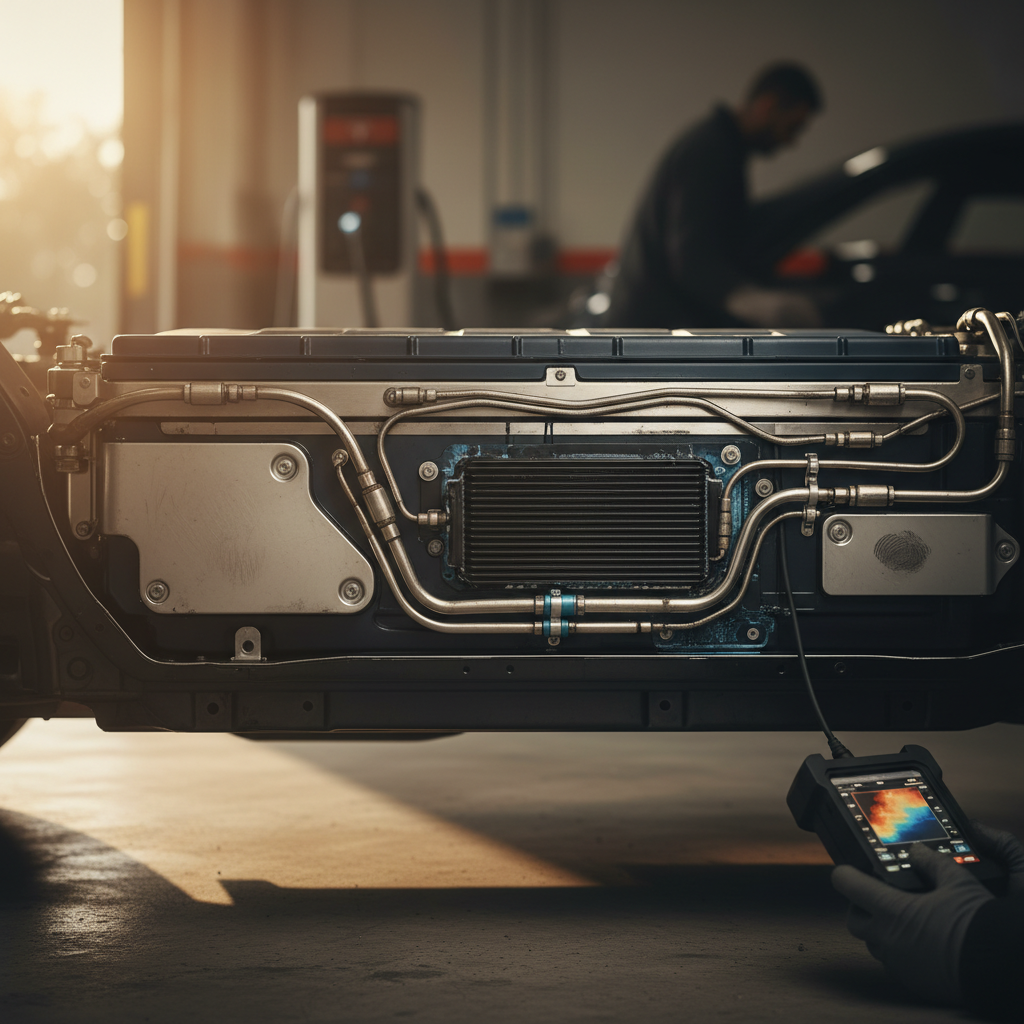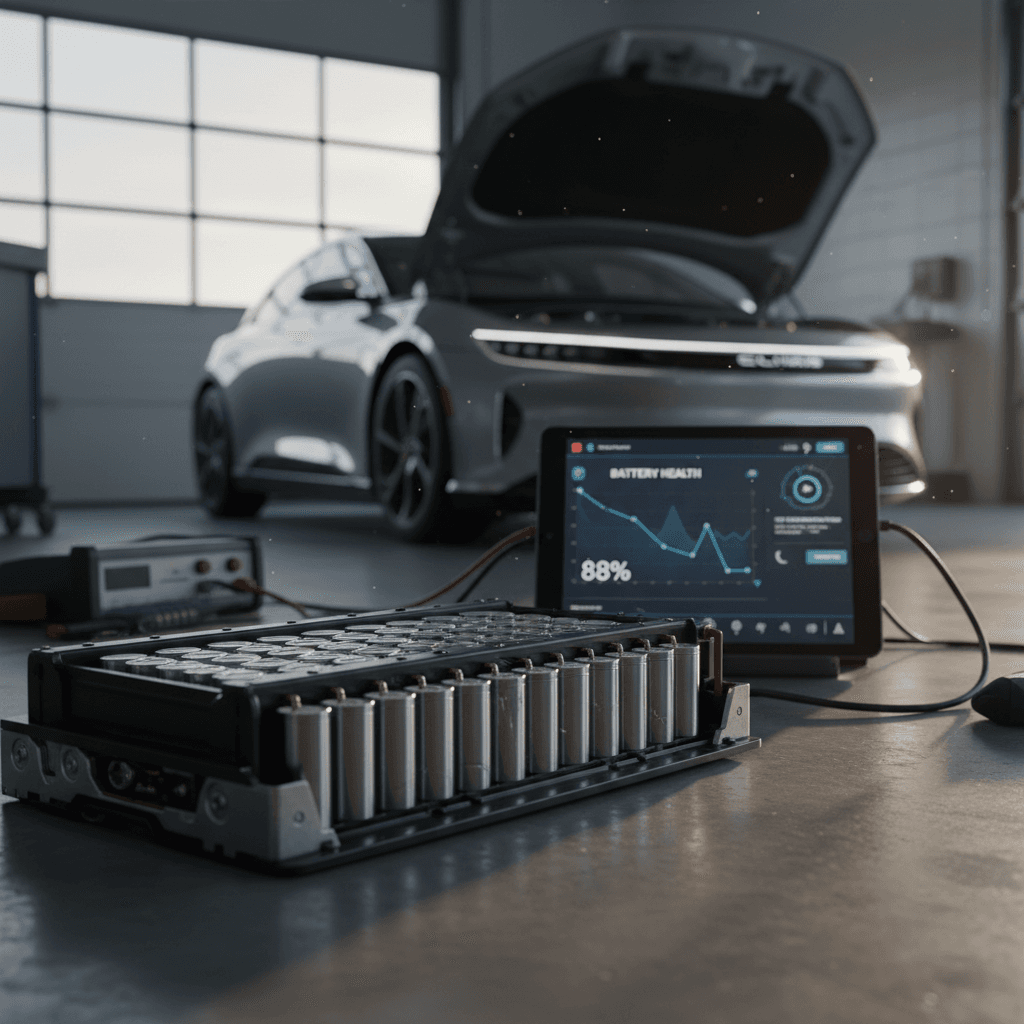
If you’re looking at a Lucid Air, new or used, it’s natural to wonder how much battery degradation per year you should expect. The Air’s calling card is world‑class range and efficiency, so the idea of that shrinking over time feels like buying a concert grand that slowly drifts out of tune. The good news: with modern chemistry, smart thermal management, and Lucid’s conservative warranty, most owners are seeing modest, manageable loss rather than a dramatic cliff.
Key takeaway up front
Lucid Air battery degradation per year: the short answer
- Lucid guarantees the high‑voltage battery for 8 years / 100,000 miles (whichever comes first) with at least 70% capacity retention by the end of the term.
- That works out to a worst‑case allowed loss of about 30% over 8 years, or roughly 3.5–4% per year if degradation were perfectly linear (it isn’t).
- Early owner reports and broader EV data point to lower real‑world loss, typically around 5–10% total in the first 3–4 years, then a slower fade from there.
- Put simply: a well‑cared‑for Lucid Air that starts with ~400 miles of EPA range is likely to still show around 360–380 miles after 4–5 years for most drivers, with more extreme climates or heavy DC fast‑charging on the higher‑loss end.
Don’t confuse range swings with degradation
How EV battery degradation actually works
To make sense of Lucid Air battery degradation per year, it helps to understand how lithium‑ion batteries age. Your Lucid’s pack is a large collection of cells that gradually lose usable capacity over time through two main mechanisms: calendar aging (time, temperature, and state‑of‑charge) and cycle aging (how deeply and how often you charge and discharge the pack).
Two kinds of battery aging in your Lucid Air
Both matter for long‑term range and value
Calendar aging
This is aging that happens just from time passing. Cells stored at high state of charge and high temperatures age fastest. A Lucid Air that lives at 100% in a hot climate will see more capacity loss than one parked at 40–60% in a temperate garage, even at the same mileage.
Cycle aging
Every time you use energy and recharge, you add a fraction of a cycle. Deep cycles (0–100%) and repeated DC fast charges stress cells more than shallow cycles (20–70%) and slower AC charging. High‑power launches or towing in extreme heat add additional stress.
Why Lucid’s thermal management matters
What Lucid’s battery warranty really tells you
Lucid does not publish an official “expected annual degradation” chart, but the language in its warranty gives us a ceiling for how bad it’s allowed to get before they consider it a defect.
Lucid Air high‑voltage battery warranty at a glance
If you spread that 30% loss evenly across 8 years, you get about 3.75% per year. In reality, degradation is front‑loaded, there’s usually a steeper drop in the first couple of years as the chemistry settles, followed by a long period of much slower decline.
Why the warranty is conservative
Early real‑world Lucid Air degradation snapshots
Because the Lucid Air launched in 2021, we now have several model years and early high‑mileage cars in the wild, but not yet a decade of data. Owner reports are imperfect, many are based on displayed range, which can be skewed by software and temperature, but they’re still useful guideposts when paired with what we know from other long‑range EVs.
Anecdotal Lucid Air battery health snapshots
These are illustrative, not scientific. They show the ballpark of what early owners are seeing.
| Model / Pack | Age & Mileage | Reported change in max displayed range | Approx. implied capacity change |
|---|---|---|---|
| Air Pure (early build, ~410 mi EPA) | 6–12 months, ~5,000–10,000 mi | Full charge sometimes reads ~380–395 mi instead of 410+ | ~3–7% lower indicated range (mix of degradation plus software/seasonal effects) |
| Air Touring (92 kWh, ~384–410 mi EPA depending on year) | 12–24 months, ~10,000–20,000 mi | Drops from high‑380s/low‑400s to mid‑ to high‑370s | Roughly 3–6% apparent loss |
| Air Grand Touring / Dream | 2–3 years, 20,000+ mi | Some owners report 5–10 mi off original 450–500 mi ratings | Often in the 2–5% implied loss range |
All figures are approximate, based on owner‑reported range (mi) at 100% charge compared to original EPA rating.
Why these numbers are squishy
Translating it into per‑year Lucid Air degradation
If we combine Lucid’s warranty guardrails, general EV battery research, and early owner experiences, we can sketch a reasonable, conservative curve for Lucid Air battery degradation per year. Think ranges, not single magic numbers.
- Years 0–2: Many packs experience an initial "forming" drop of around 2–4% total as the chemistry stabilizes. That might look like a 410‑mile Air Pure showing ~395–400 miles after its first year or two.
- Years 3–5: Degradation typically slows. A well‑treated car may add only another 2–4% loss over this period, ending up around 5–8% total by year 5.
- Years 6–8: The slow taper continues. Hitting 10–15% total loss by year 8 (roughly 0.5–2% per year in this phase) would still be considered healthy in most EV fleets.
- Extreme use cases: Heavy DC fast‑charging, constant 100% parking in heat, or very high annual mileage can push a pack closer to the warranty floor, perhaps 20–25% loss by year 8 in the worst, but still "normal use" scenarios.
Example: Lucid Air Pure (84 kWh, 420‑mile EPA)
If your driving and charging habits are typical, mix of home Level 2, some road‑trip fast charging, moderate climate, you might see:
- Year 2: 400–410 miles at 100% (2–5% apparent loss)
- Year 5: 380–400 miles (5–10% total loss)
- Year 8: 355–380 miles (10–15% total loss)
Example: Air Grand Touring (~450–500‑mile EPA)
On the larger‑pack cars, the same percentage loss is more miles on the gauge, but similar real‑world usefulness:
- Year 2: 470–485 vs. original 500 (3–6% apparent loss)
- Year 5: 450–470 (6–10% total loss)
- Year 8: 425–450 (10–15% total loss)
In both cases, you still retain more highway range than many brand‑new EVs on the market.
The big picture
6 factors that speed up or slow down Lucid Air degradation
What really affects Lucid Air battery degradation per year
1. Average state of charge while parked
Parking long‑term near 100%, especially in heat, accelerates aging. Lucid lets you set charge limits, living in the 30–70% band for daily use is ideal. Don’t be afraid to charge to 80–100% before road trips; just avoid leaving it full for days.
2. Temperature and climate
Hot climates are hardest on batteries. A Lucid Air stored outside in Phoenix and regularly fast‑charged will age faster than one garaged in Seattle. Use climate scheduling and shaded parking when you can, and avoid repeated back‑to‑back DC fast charges on 100°F days.
3. DC fast‑charging vs. Level 2
Lucid’s 900‑plus‑volt architecture was built for very fast charging, but heat is still the enemy. Occasional highway fast‑charging is fine; relying on DC for almost all energy needs will increase yearly degradation compared with a home Level 2 setup.
4. Depth of discharge
Shallow cycles (e.g., 40–70%) are gentler than running the pack from 5% up to 100% every time. Try to avoid habitually running the car nearly empty. Planning your routes and charging stops helps here.
5. Mileage and driving style
More miles mean more cycles, but it’s not just mileage, it’s how you drive. Sustained high‑speed driving in extreme heat or repeated max‑power launches create additional thermal stress. Smooth driving is easier on both the pack and your passengers.
6. Software, BMS calibration, and wheels/tires
Over‑the‑air updates can change efficiency and how the car estimates range. Bigger wheels and stickier tires lower efficiency. Sometimes what looks like “degradation” is really the car learning your recent driving or a hardware choice you’ve made.
How to check battery health on a Lucid Air
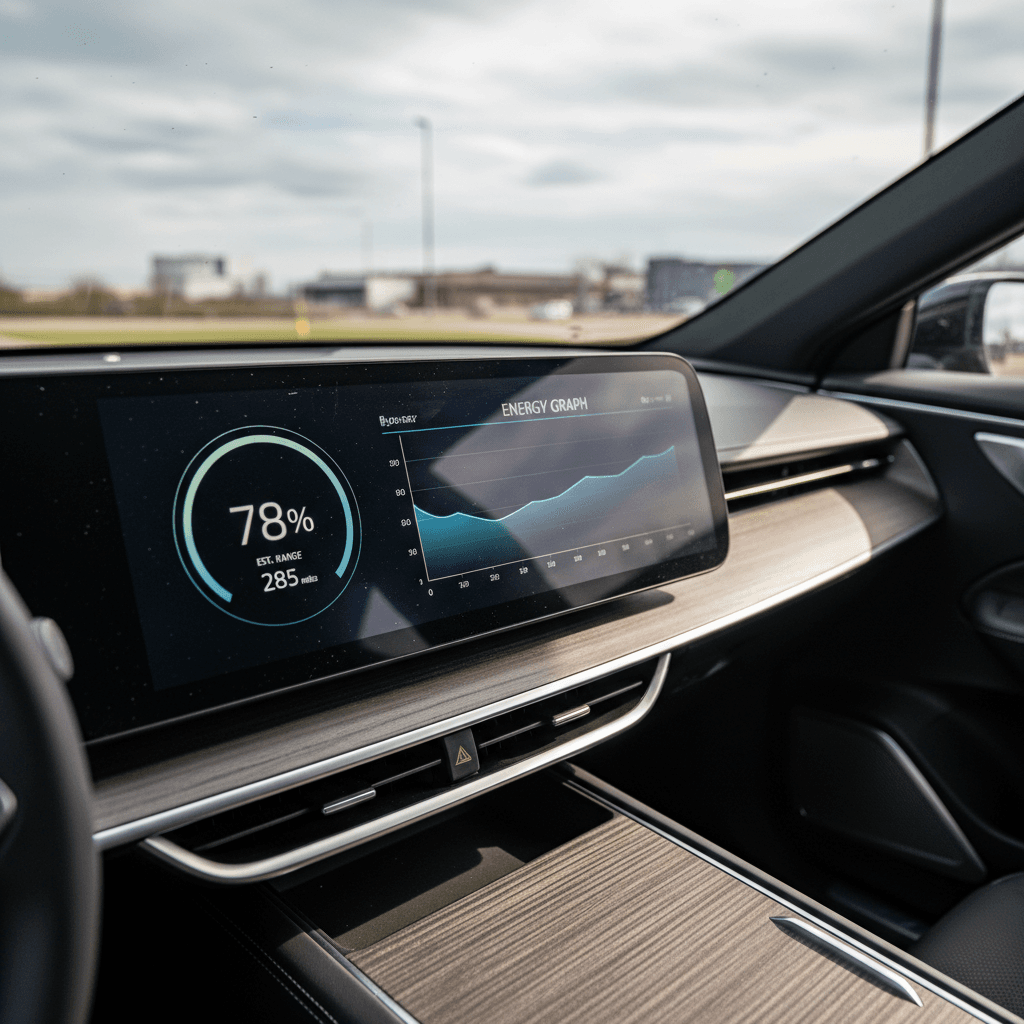
There isn’t a single “battery health” button in the Lucid interface, but you can piece together a solid picture of pack condition from the data the car gives you and some basic testing methods.
- 1. Note your model, EPA rating, and wheel size. A 2025 Air Pure with 19‑inch wheels has a different EPA range than an early Dream Edition. Start by confirming what your car was rated for when new.
- 2. Look at 100% range on a mild‑weather day. Charge to full once in the 60–75°F range, ideally after a few days of normal mixed driving. Note the estimated miles. Compare to your original EPA figure rather than to what you “remember” seeing during a road trip months ago.
- 3. Cross‑check with long‑trip efficiency. On a highway drive where you use most of the pack in one shot, track your average mi/kWh from the trip computer and how many kWh you actually consume. If the car still delivers near‑new efficiency and usable energy, a lower 100% range estimate is likely forecasting behavior, not hard degradation.
- 4. Keep a simple log. Recording 100% range and outside temperature a few times per year makes trends easier to see and filters out seasonal swings.
- 5. Consider a professional battery health report. Third‑party diagnostics and specialist retailers like Recharged can pull deeper pack data and interpret it for you, especially when you’re evaluating a used Lucid Air. At Recharged, every car gets a Recharged Score report that includes battery health insights so you’re not buying blind.
Buying a used Lucid Air: how much degradation is acceptable?
With used Lucid Air prices softening and more cars coming off lease, battery health is becoming a major part of the due‑diligence process. The right amount of degradation is less about chasing perfection and more about paying the right price for the remaining range.
Rule‑of‑thumb degradation thresholds for used Lucid Airs
Approximate guidance for shoppers, not factory specifications
0–8% estimated loss
Excellent for a 3–4‑year‑old Lucid Air with average mileage. This is where many well‑treated cars will land. For a highway‑range monster like the Air, you’ll hardly notice the difference in day‑to‑day use.
8–15% estimated loss
Normal for older or higher‑mileage examples. Factor it into price, but it’s rarely a dealbreaker if the car otherwise fits your needs and you still have more range than a new mainstream EV.
>15–20% estimated loss
Worth a closer look. This might still be "within spec" under Lucid’s warranty, but you’ll want more detailed data and pricing that reflects the reduced range, especially if you road trip often.
How Recharged derisks a used Lucid Air
Practical habits to slow Lucid Air battery degradation
You can’t stop chemistry, but you can stack the odds in your favor. These habits don’t require babying the car or turning every drive into a science experiment; they just nudge the pack toward a gentler life, keeping your per‑year Lucid Air battery degradation as low as reasonably possible.
Everyday habits that protect your Lucid Air’s battery
Use a conservative daily charge limit
For commuting and errands, set your charge limit in the 60–80% range rather than topping to 100% every night. Bump it to 90–100% the night before a road trip instead of keeping it full all week.
Avoid sitting at 0% or 100% for long
Short visits to the extremes are fine. What hurts is leaving the car near empty or at full charge for days, especially when it’s hot. If you return from a trip at 2%, plug in soon; if you arrive home at 100%, go ahead and drive it down a bit in the next day or two.
Prefer Level 2 at home, save fast charging for trips
Take advantage of the Lucid Air’s rapid DC charging when you need it, it’s a road‑trip superpower. Just don’t use high‑power DC as your main source of energy week in and week out if you have the option of a home Level 2 charger.
Watch temperature during charging
If you live in a very hot region, try to fast‑charge when it’s cooler (early morning or later evening) and avoid repeated back‑to‑back DC sessions. In winter, preconditioning the pack before charging helps efficiency and can be easier on the cells.
Drive smoothly when you can
Enjoy the performance, that’s part of why you buy a Lucid Air. But repeated max‑power launches and very high sustained speeds in heat do add stress. Using the car’s efficiency data to refine your habits will help both range and long‑term health.
Stay current on software updates
Lucid continually refines not just features but also energy management and thermal strategies over‑the‑air. Keeping your car updated ensures you benefit from the latest battery‑friendly tuning and more accurate range estimation.
What actually voids or risks warranty coverage
FAQ: Lucid Air battery degradation and long‑term ownership
Frequently asked questions about Lucid Air battery degradation per year
Bottom line: should you worry about Lucid Air battery degradation?
If you zoom out, Lucid Air battery degradation per year looks far less scary than the early EV myths suggested. Lucid backs its packs with an 8‑year/100,000‑mile warranty and a 70% capacity floor, and early owner data lines up with what we’ve seen from other modern long‑range EVs: a modest initial drop, then a long plateau of slow decline. For most owners, the practical impact is simple, you’ll still have plenty of usable range for daily life and road trips well into the car’s second decade.
Where degradation really matters is in pricing and peace of mind. That’s why it pays to (1) develop a few battery‑friendly habits, (2) log your range a couple of times per year, and (3) insist on a clear battery‑health picture when you’re shopping used. At Recharged, we build that into every transaction with our Recharged Score, expert EV guidance, financing and trade‑in options, and nationwide delivery, so you can focus on how the Lucid Air fits your life, not whether the battery is a question mark.