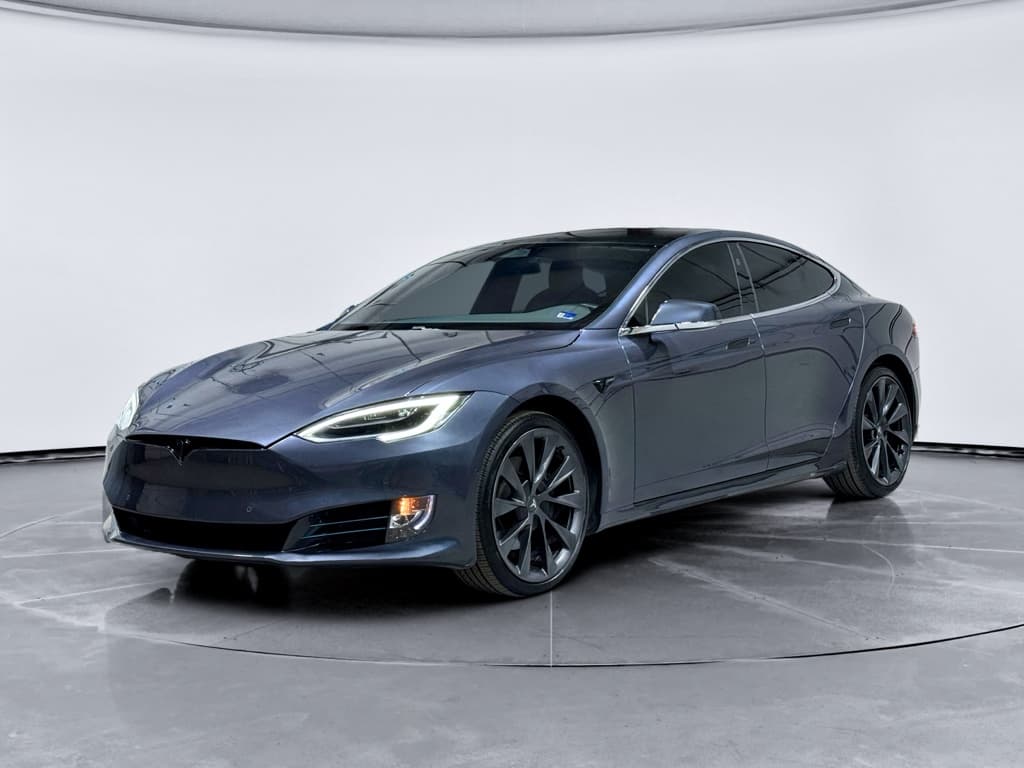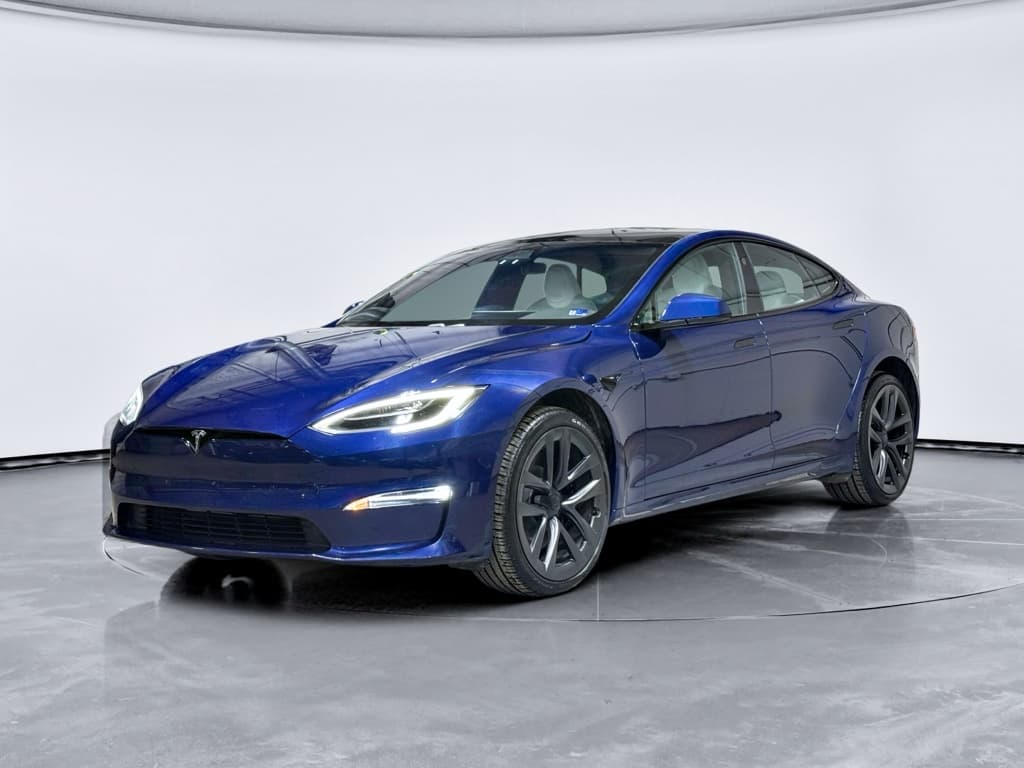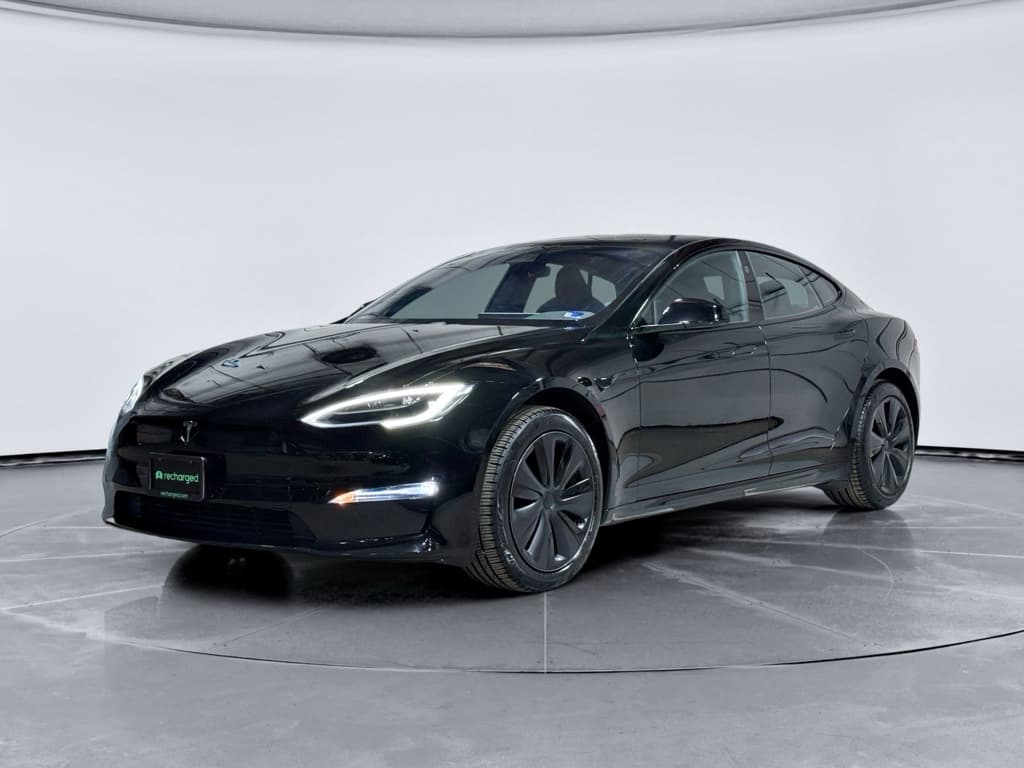
The 2024 Tesla Model S is still the original electric spaceship: blindingly quick, long-legged on the highway and wrapped in that particular Silicon Valley halo. But when you start searching for “2024 Tesla Model S problems”, the picture gets more complicated. Underneath the speed and screen, you’re still buying a 4,800‑lb luxury car loaded with sensors, actuators and software that occasionally misbehave.
Quick take
2024 Tesla Model S problems at a glance
2024 Model S: reliability snapshot
On paper, the 2024 Model S looks like a paradox: owners are mostly thrilled, with roughly nine out of ten saying they’d recommend the car, yet independent reliability scores call it less reliable than the average 2024 model year vehicle. That disconnect is your first clue. Most of the issues you’ll see aren’t catastrophic engine‑on-the-ground failures; they’re death by a thousand nuisance cuts: noises, trim, sensors, software nags and the occasional suspension drama.
Reliability and owner-reported trouble spots
Let’s start with what’s actually going wrong. Reliability surveys that break cars down into 15–20 trouble categories show the 2024 Tesla Model S underperforming the average gas car of the same year. The weak spots are familiar to longtime Tesla watchers: body hardware, in‑car electronics, noises and leaks, suspension/steering and occasional HVAC or charging quirks.
Most common 2024 Model S problem areas
Based on owner surveys and complaint data
Body & trim issues
- Door handles or trunk/hatch not latching cleanly
- Loose interior trim, squeaks from pillars
- Wind noise around frameless doors
- Paint chips or thin clear‑coat on high‑wear areas
Electronics & screens
- Center display glitches or slow reboot
- Phantom warnings or chimes
- Camera or parking sensor errors
- Wireless phone charging pad acting up
Suspension & steering
- Clunks over sharp bumps
- Premature wear in control arms or links
- Occasional alignment drift
- Air‑suspension height sensor faults on higher‑miles cars
None of this means your particular 2024 Model S is doomed. It does mean that, compared with a conservative Lexus or Toyota hybrid, you should budget a mental line item for noise hunts, sensor gremlins and the odd service visit, especially once the basic warranty is in the rear‑view mirror.
Read between the stars
Recalls and safety investigations affecting the 2024 Model S
By early 2026, the broader 2021–2024 Model S family has accumulated several safety recalls and is the subject of ongoing federal investigations into driver‑assist systems. Some of these are software‑only and resolved via over‑the‑air updates; others involve physical parts and require a service visit.
- Airbag concerns on 2021–2025 S/X: certain driver airbags can tear during deployment, prompting a recall and replacement campaign.
- Horn pad / steering airbag issue on 2021–2024 S and X that can leave the horn inoperative until the driver’s airbag is replaced.
- Multiple campaigns related to Autopilot and driver‐monitoring behavior, where regulators argued Tesla’s system made misuse too easy.
- Separate investigations into "Full Self‑Driving" behavior in poor visibility, sun glare, fog, dust, after crashes where Teslas drove into cross‑traffic or pedestrians with FSD engaged.
Over‑the‑air doesn’t mean optional
The headline here is not that the 2024 Model S is uniquely cursed, every modern luxury car has a stack of campaign numbers behind its VIN. The key is that Tesla’s driver‑assist systems are under an unusually bright spotlight, and those systems are deeply woven into the everyday driving experience. When there’s an Autopilot or FSD update, it can change how the car behaves tomorrow on the same off‑ramp you’ve driven for months.
Battery health, range loss and charging issues
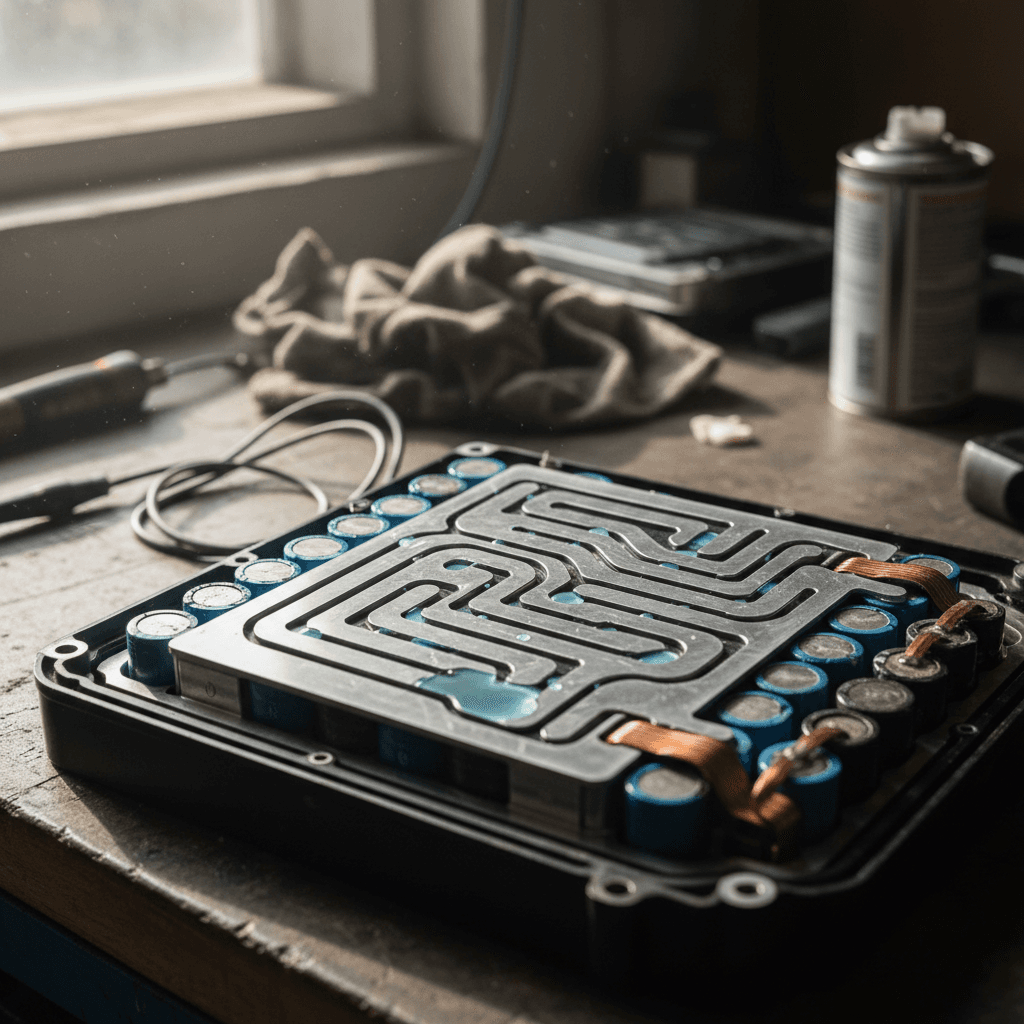
For most Tesla shoppers, the big existential fear is the battery pack. The real‑world story for the Model S is better than many people expect. Long‑term data collected from thousands of Teslas suggests that after an initial 3–5% drop in the first year, degradation slows significantly. By 100,000 miles, many cars still retain roughly 88–92% of original capacity when they’ve been charged and stored sensibly.
Battery & range: the good news
- Long‑range packs are robust. Tesla’s thermal management has matured; most owners never see catastrophic pack failures within the first 8–10 years.
- Range loss is gradual. A 2024 Long Range car that started around 400 miles may realistically show 360–380 miles after heavy use and a few years.
- Plenty of safety net. Even with 10–12% loss at higher mileage, you’re often left with more usable range than rival luxury EVs had when new.
Where problems crop up
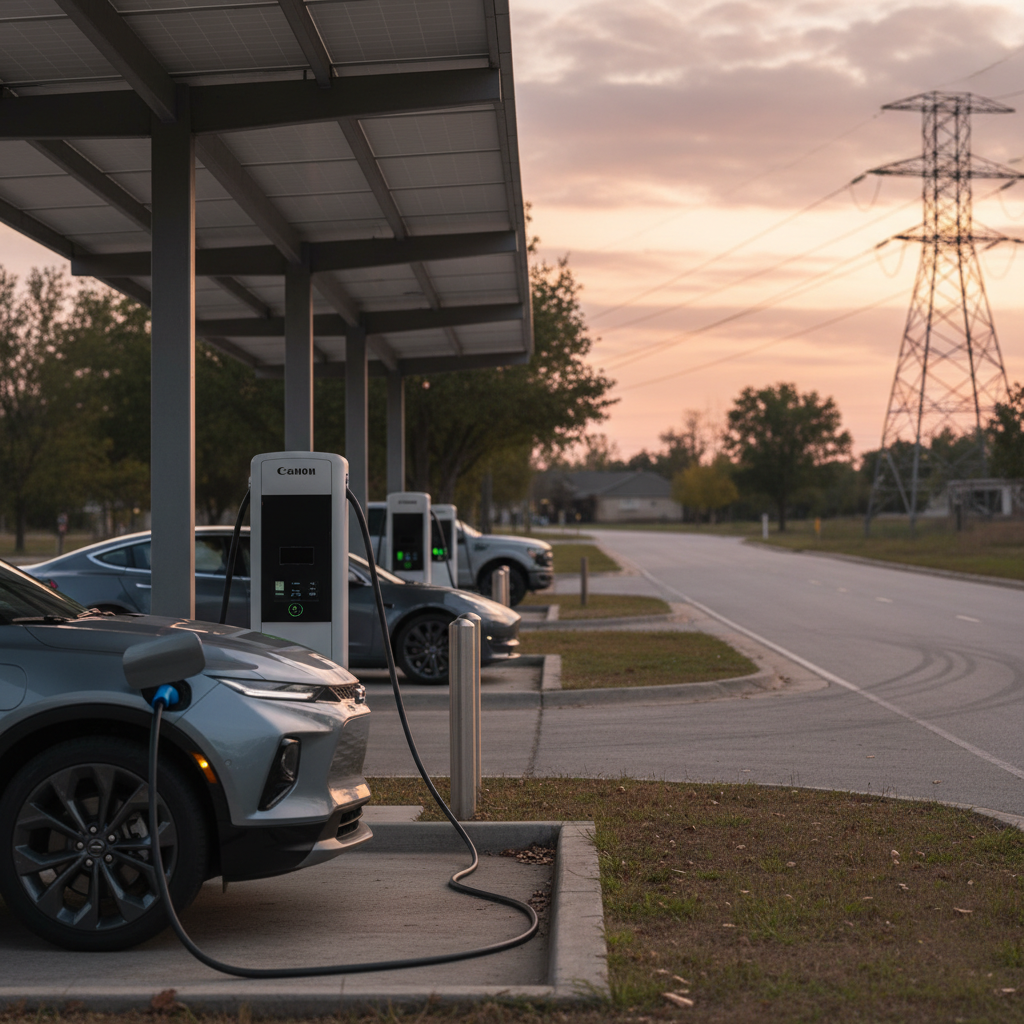
- Charging quirks. Some owners report the car refusing certain public DC fast chargers, charge‑port door glitches, or throttled fast‑charge speeds after repeated high‑power sessions.
- Cold‑weather performance. In very cold climates, winter range loss can be dramatic if the car isn’t preconditioned regularly.
- High‑heat histories. Vehicles that lived in very hot regions and fast‑charged constantly may show noticeably higher degradation.
Battery‑friendly habits
When you’re evaluating a used 2024 Model S, look beyond the headline range number. You want a clear picture of how fast the pack is aging, how it was charged, and whether there are any fault codes in the battery management system. That’s exactly what a Recharged Score battery health report is designed to surface, so you’re not buying someone else’s range anxiety.
Software glitches, Autopilot and FSD concerns
Tesla’s real superpower isn’t just electrons; it’s software. The downside is that your car is a rolling beta test. Over‑the‑air updates can fix bugs or create new ones overnight. On 2024 Model S cars running the latest Autopilot and “Full Self‑Driving (Supervised)” code, the two recurring themes are small‑bore annoyances and big‑picture safety questions.
Typical 2024 Model S software & driver‑assist issues
What owners actually complain about
Infotainment & UI bugs
- Center screen freezing or rebooting once in a while
- Bluetooth hiccups, laggy Spotify or other streaming apps
- Random error messages that clear on restart
Autopilot quirks
- Overly conservative braking (“phantom braking”) under certain conditions
- Lane‑centering that hugs one side of the lane
- Unclear handoff between Autopilot and the driver when markings are poor
FSD under scrutiny
- Federal investigations into FSD behavior in poor visibility
- Reports of cars running red lights or drifting into opposing lanes with FSD engaged
- Frequent software tweaks that change how the car behaves on familiar routes
Don’t overtrust the branding
From a used‑buyer perspective, FSD is two things: a potential convenience and a moving target. Its behavior, and its future legal status, can change with the next update or regulatory decision. When you’re pricing a used 2024 Model S, treat FSD as a nice‑to‑have software option, not a guaranteed resale goldmine.
Build quality, squeaks, rattles and interior wear
The 2024 Model S is not a hand‑built Mercedes S‑Class; it’s a mass‑produced tech product that happens to be a car. That shows up in the usual Tesla ways: panel alignment that’s good but rarely perfect, paint that can be on the thin side, and an interior that looks minimalist but still creaks if you chase every rattle.
- Wind noise from frameless doors and glass roof on coarse pavement.
- Creaks from the dash or center console over broken pavement.
- Seat bolsters and steering wheel leather showing wear early in high‑mileage, short‑trip city cars.
- Occasional reports of water ingress around the liftgate seals after heavy rain or car‑wash abuse.
- Door handles and soft‑close mechanisms on earlier Model S generations; improved, but still worth testing hard on a 2024.
The upside of simplicity
On a test drive, pay attention to the NVH, noise, vibration and harshness. If the car already squeaks and buzzes at 10,000 miles, it’s unlikely to get quieter at 60,000. Conversely, a silent, tight 2024 S on bad pavement is a good sign that the body, glass and trim came together correctly from the factory.
What it costs to fix common Model S problems
Tesla doesn’t publish dealer‑style labor guides, but by now the aftermarket has seen enough Model S hardware to know roughly what things cost. The big takeaway: most common 2024 Model S problems are annoying, not wallet‑ending, as long as the battery pack and drive units are healthy and under warranty or properly tested.
Typical out‑of‑warranty repair costs on a Model S
Ballpark ranges from independent EV shops and owner reports. Actual pricing varies by region and mileage.
| Issue | What usually fixes it | Approximate cost (USD) |
|---|---|---|
| Minor suspension clunk | Control arm / link replacement, alignment | $600–$1,500 |
| Noises & rattles | Trim refit, foam, clips, door adjustment | $150–$600 |
| HVAC not cooling well | Refrigerant recharge; occasionally a sensor or valve | $250–$1,200 |
| Charge‑port door stuck | Latch/actuator replacement | $300–$700 |
| Camera or sensor failure | Individual camera or ultrasonic sensor replacement | $250–$900 each |
| Infotainment glitches | Software updates; rarely a screen or computer swap | $0–$2,000+ |
These aren’t quotes, but they’re useful for setting expectations if you’re cross‑shopping a 2024 Model S against a gas luxury sedan.
The big‑ticket risk
Checklist for buying a used 2024 Tesla Model S
If you’re shopping the used market, the difference between a dream car and a problem child is in the details. Use this checklist as your starting point, and then insist on third‑party battery diagnostics, not just a cheerful range estimate on the screen.
Pre‑purchase checklist for a used 2024 Model S
1. Run the VIN for recalls and campaigns
Confirm that every safety recall and major campaign has been completed, especially airbag and Autopilot‑related updates. Don’t rely on verbal assurances; ask for documentation in the service history.
2. Get a real battery‑health report
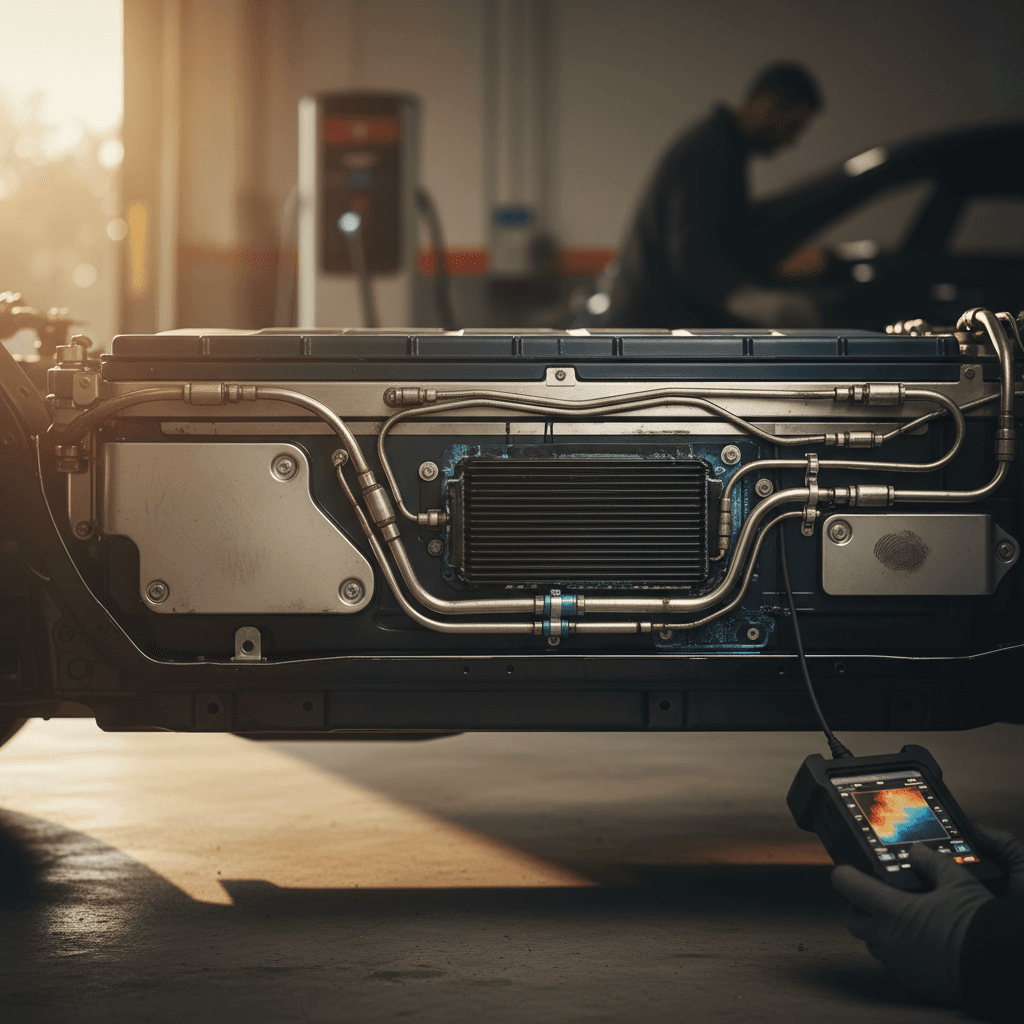
Have the pack scanned for capacity, balance and error codes. A <strong>Recharged Score battery report</strong> goes far deeper than the in‑car estimate and flags fast‑charge abuse or cooling issues that haven’t thrown a dashboard warning, yet.
3. Inspect suspension and tires
Drive over speed bumps and rough pavement at low speed with the windows up and radio off. Listen for clunks or knocks. Check for uneven tire wear that suggests alignment issues or worn front‑end components.
4. Stress‑test doors, glass and trim
Cycle every door, window, seat adjustment, and the trunk/hatch repeatedly. Look for misaligned panels, water marks, and any sign that the liftgate seals have been leaking. Gently press on interior panels to listen for creaks.
5. Test Autopilot and basic driver assists
If equipped, engage Autopilot on a clearly marked highway. Confirm that lane‑keeping is steady, there’s no wild phantom braking, and the driver‑monitoring nags behave as expected. If FSD is enabled, remember you’re still in charge.
6. Check charging behavior
Plug into both AC (Level 2) and DC fast charging if possible. Watch for errors, unusually slow charging rates, or excessive cooling‑fan noise at modest power levels, which could point to thermal‑management issues.
Document the story of the car
How Recharged reduces the risk on a used Model S
Modern EVs blur the line between car and computer, and the 2024 Model S leans hard into that. That’s why Recharged was built for this exact use case: buying a used EV you love without gambling on the battery or the software.
What Recharged adds when you buy a used Model S
More signal, less guesswork
Recharged Score battery diagnostics
Transparent pricing & financing
EV‑specialist support & delivery
Ready to find your next EV?
Browse VehiclesIf you’re zeroing in on a 2024 Model S, you can browse vehicles that already include a Recharged Score report, tap EV specialists for model‑specific questions, and handle the whole purchase digitally, or visit our Experience Center in Richmond, VA if you’d rather kick the tires in person.
FAQ: 2024 Tesla Model S problems
Common questions about 2024 Model S problems
Bottom line: Should 2024 Model S problems scare you off?
If you want an electric car that feels like an event every time you merge onto a freeway, the 2024 Tesla Model S is still in a class of one. Its problems are real but mostly prosaic: squeaks, software fits, wear‑item suspension parts and the ongoing soap opera around Autopilot and FSD. The battery, which should be the scariest part of the equation, is usually the most robust, provided you confirm that with data, not hope.
So no, 2024 Tesla Model S problems shouldn’t automatically send you back to gasoline. They should push you toward a more disciplined buying process: independent battery diagnostics, careful inspection, clear recall history and honest pricing that reflects both the thrills and the trade‑offs. That’s exactly the gap Recharged exists to fill. Do that homework up front, and the Model S can be less a leap of faith and more a very fast, very quiet calculated risk.