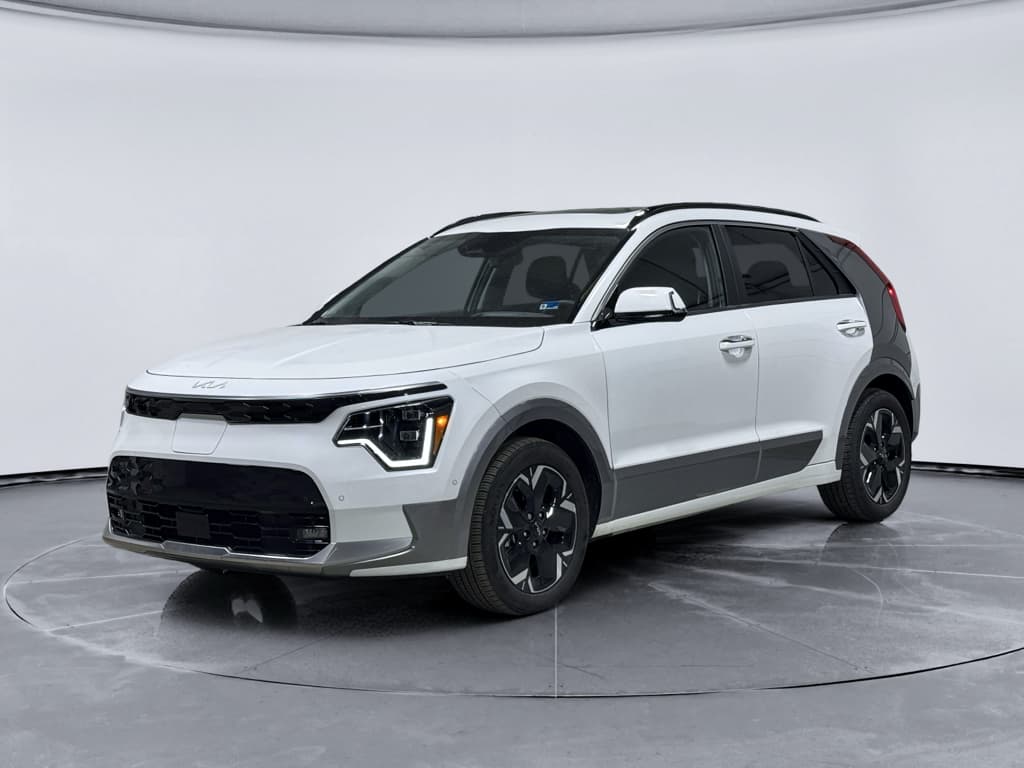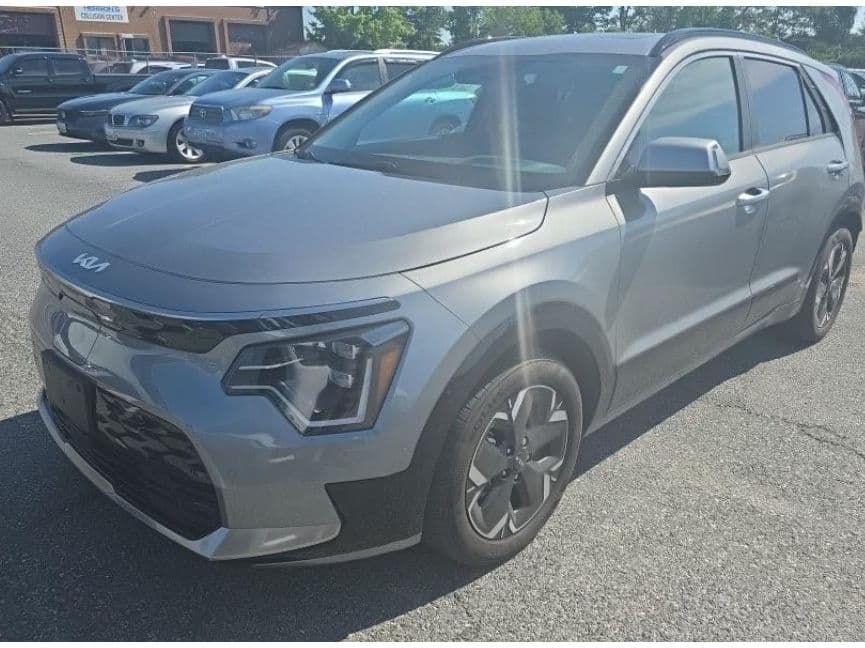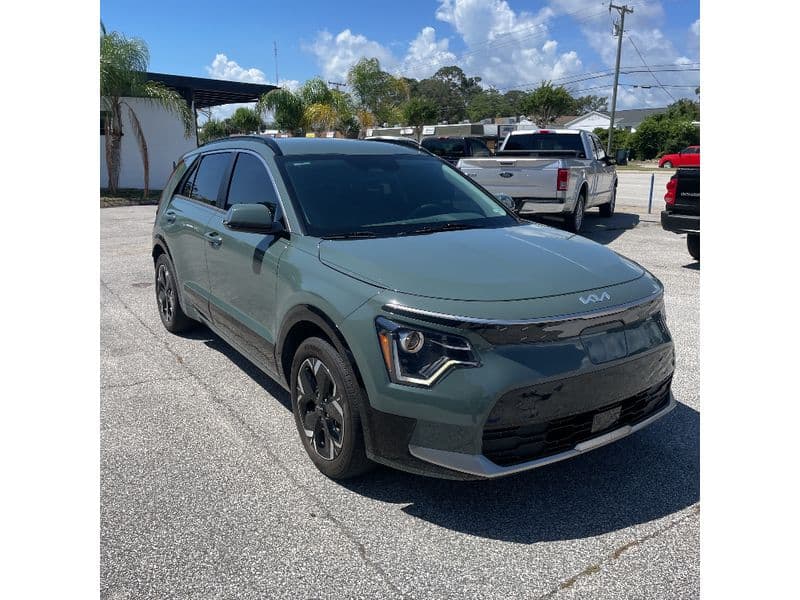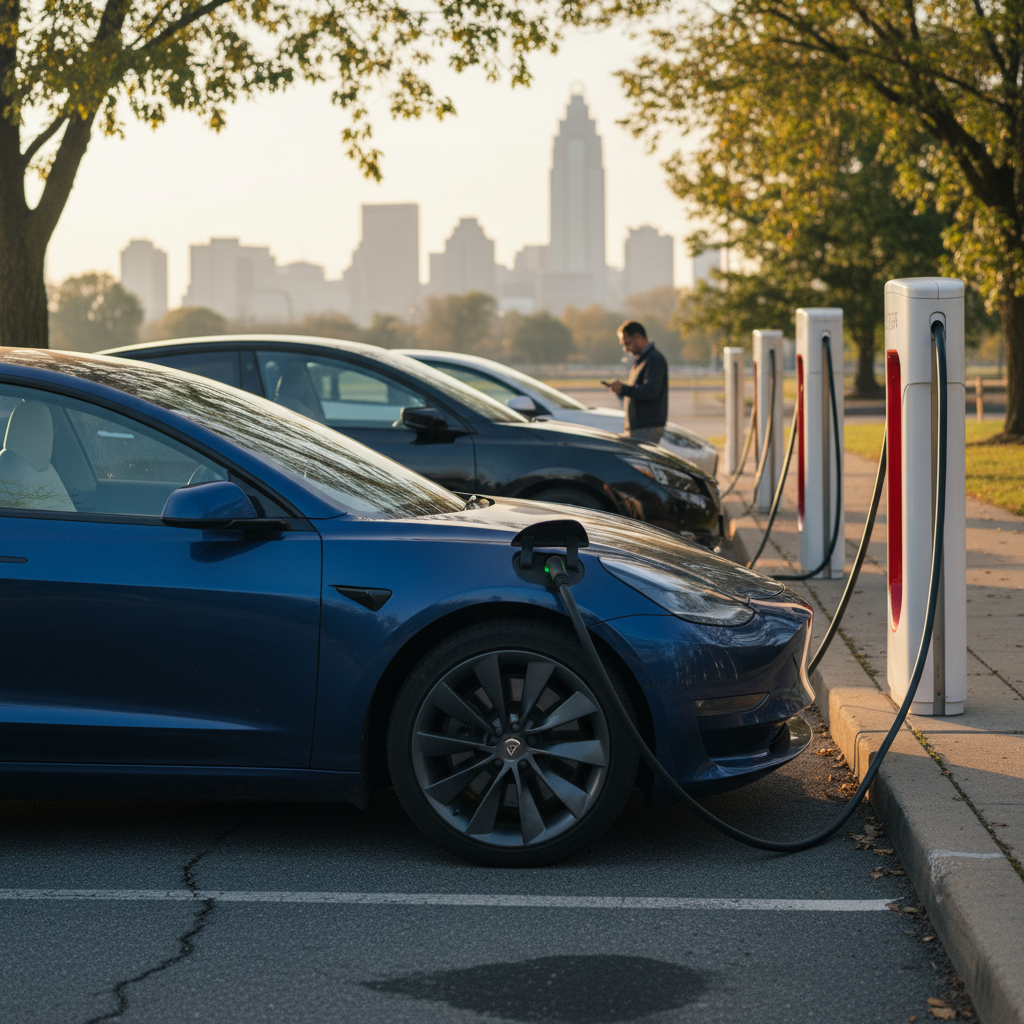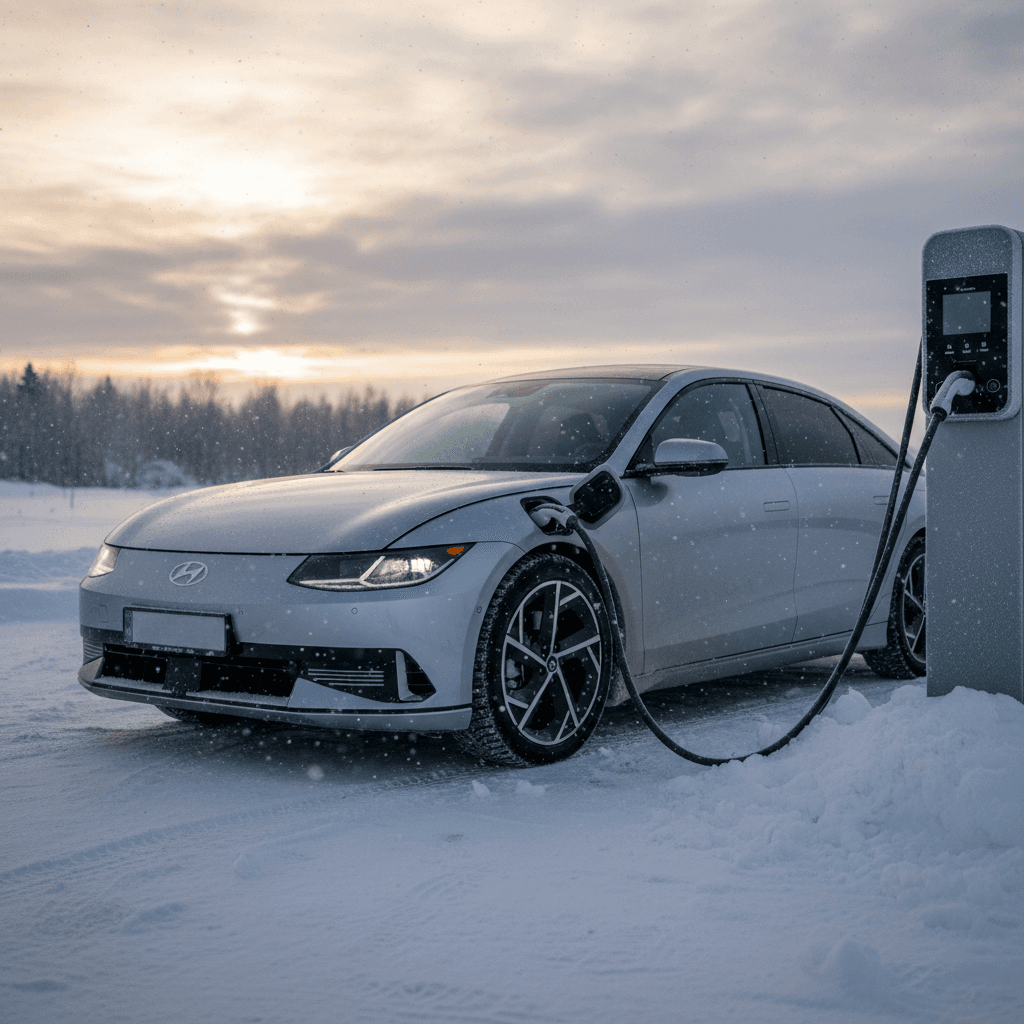
If you own, or are thinking about buying, a Kia Niro EV, winter range loss is probably high on your worry list. The EPA says the Niro EV can go about 253 miles on a charge, but when temperatures dip below freezing, many owners see that number fall fast. The key is understanding how much Kia Niro EV winter range loss is normal, what’s actually causing it, and what you can do about it.
Quick take
Overview: Kia Niro EV and winter range loss
Before we zoom in on winter, it helps to ground the Niro EV in its basic specs. Recent U.S. Niro EV models (2020–2026) use a battery around 64–64.8 kWh with a front‑motor rated at 201 hp and an official EPA range of about 239–253 miles, depending on generation and test cycle. That EPA number is measured in mild conditions; it’s not a promise of what you’ll see in January in Minnesota.
Kia Niro EV range and winter impact at a glance
Independent testing from groups like AAA and national automotive clubs has consistently found that cold weather plus cabin heat can cut EV range by roughly a third, and in more extreme cases by up to about 40%. The Niro EV behaves very much in line with those broader trends, especially if you drive at highway speeds or run the heater hard.
How much winter range loss to expect in a Kia Niro EV
Typical Kia Niro EV winter range loss by temperature band
Realistic, not optimistic, expectations for cold weather driving
Cool & wet (40–55°F)
Think Pacific Northwest fall or a mild East Coast winter.
- Estimated loss: 10–20%
- EPA 253 mi → 200–225 miles
- Biggest factors: wet roads, heater use, higher speeds
Cold (20–35°F)
Typical freezing winter days for much of the U.S.
- Estimated loss: 20–35%
- EPA 253 mi → 165–200 miles
- Most owners land in this band on mixed driving
Very cold (≤10°F)
Upper Midwest / Canada cold snaps and mountain trips.
- Estimated loss: 30–40%+
- EPA 253 mi → around 145–175 miles
- Worst case: short trips, full heat, high speeds
Owner reports from cold‑weather regions like Canada and the northern U.S. line up with these numbers: losses of about one‑third of summer range at –20 to –30 °C (–4 to –22 °F) are entirely normal. On the flip side, when temperatures are just in the 40s and 50s Fahrenheit, you’re more likely to see a 10–20% hit rather than a dramatic collapse in range.
Don’t confuse winter loss with battery degradation
Why your Niro EV loses range in cold weather
1. Physics of lithium‑ion batteries
All lithium‑ion batteries, including the pack in your Kia Niro EV, are less efficient when cold. Internal resistance goes up, so you get fewer usable kWh out of the same pack until it warms up. That’s why your efficiency screen (mi/kWh) drops in winter even on identical routes.
- Cold-soaked pack after an overnight park can stay inefficient for your entire morning commute.
- Short trips never give the battery time to warm up, so they look especially bad.
2. Cabin heating is an energy hog
Unlike gas cars, there’s no “free” engine waste heat. The Niro EV has to generate cabin heat electrically:
- Base cars use a resistive heater that can pull several kW.
- Cars with the heat pump use 30–50% less energy to provide the same warmth.
- Heated seats and steering wheel are far more efficient than blasting cabin air.
The more you ask the HVAC to do, the fewer miles you get from each kWh.
On top of that, winter brings higher rolling resistance from cold tires and thicker drivetrain lubricants, plus aerodynamic penalties from slush, roof racks with skis, or driving into stiff winter headwinds. Highway speeds exaggerate all of these effects, so a Niro EV that seems fine on a 10‑mile city run may feel range‑starved at 75 mph in a snowstorm.
Battery heater vs. trickle charging
Heat pump, battery heater, and packages to look for
Kia offers cold‑weather hardware that makes a meaningful difference to winter range. On recent Niro EVs, higher trims and specific packages add a heat pump and battery heater, sometimes bundled in a “Preserve” or winter package. Review sites and Kia’s own product info recommend these if you live in a cold climate, because they help preserve efficiency when temperatures drop.
Key cold‑weather hardware on the Kia Niro EV
What matters for winter range and which trims/packages usually include it.
| Feature | What it does | Why it matters in winter | What to check when buying used |
|---|---|---|---|
| Heat pump HVAC | Uses a refrigerant cycle to move heat instead of generating it with a resistive element. | Cuts HVAC energy use significantly at typical winter temps, improving range and comfort. | Look for references to a "heat pump" or "winter"/"Preserve" package on the window sticker or build sheet. |
| Battery heater | Actively warms the traction battery when it’s very cold. | Helps restore efficiency and allows higher DC fast‑charge speeds on cold days. | Confirm the car has a battery heater if you routinely see sub‑freezing temps or plan winter road trips. |
| Winter/precondition modes | Let the car warm the cabin and/or battery while plugged in or en route to a fast charger. | Shifts energy use to the grid and improves initial efficiency and charging speeds. | Test that scheduled climate and DC fast‑charge preconditioning work as expected. |
| Heated seats & wheel | Put heat where you feel it most, at far lower power draw than the cabin heater. | Let you run the main HVAC at a lower temperature while staying comfortable. | Make sure all heating elements function; they’re your best friend for stretching winter range. |
Exact equipment varies by model year and market, always verify on the specific car you’re considering, especially if you’re shopping used.
Spec tip for used‑car shoppers
Real owner experiences: Niro EV in winter
Talk to Niro EV owners in Canada, the northern U.S., or Scandinavia, and a consistent picture emerges. In mild weather they often see efficiency around 3.7–4.1 mi/kWh, which lines up with or beats the EPA range on mixed driving. In deep winter, that can fall to roughly 2.7–3.0 mi/kWh, particularly with winter tires and frequent heater use. That’s a 25–35% hit in efficiency, which is exactly what you see reflected in the reduced range estimate on your dash.
- Drivers in –20 to –30 °C (–4 to –22 °F) conditions commonly report losing about one‑third of summer range, especially on highways.
- Owners in more moderate cold (20–40 °F) usually see a 15–30% hit, depending on trip length and how aggressively they use heat.
- Niro EVs with the heat pump and battery heater tend to hold onto range better and recover faster once driven for 20–30 minutes.
- Short, stop‑and‑go winter city driving with lots of cabin pre‑heat can look brutally inefficient on paper, even though total miles driven per day may still be well within the car’s capability.
The good news
Daily driving vs road trips in winter
Daily commuting and errands
For most owners, the real question isn’t “Can the Niro EV still do 250 miles in winter?” but “Can it handle my daily routine without drama?” If your round‑trip commute plus errands is under, say, 120 miles, the answer is almost always yes, even with a 30% winter hit.
- Overnight Level 2 charging easily refills what you use each day.
- Short trips are less efficient, but you’re also driving fewer miles.
- Preconditioning while plugged in keeps you comfortable without eating into usable range as much.
Winter road trips
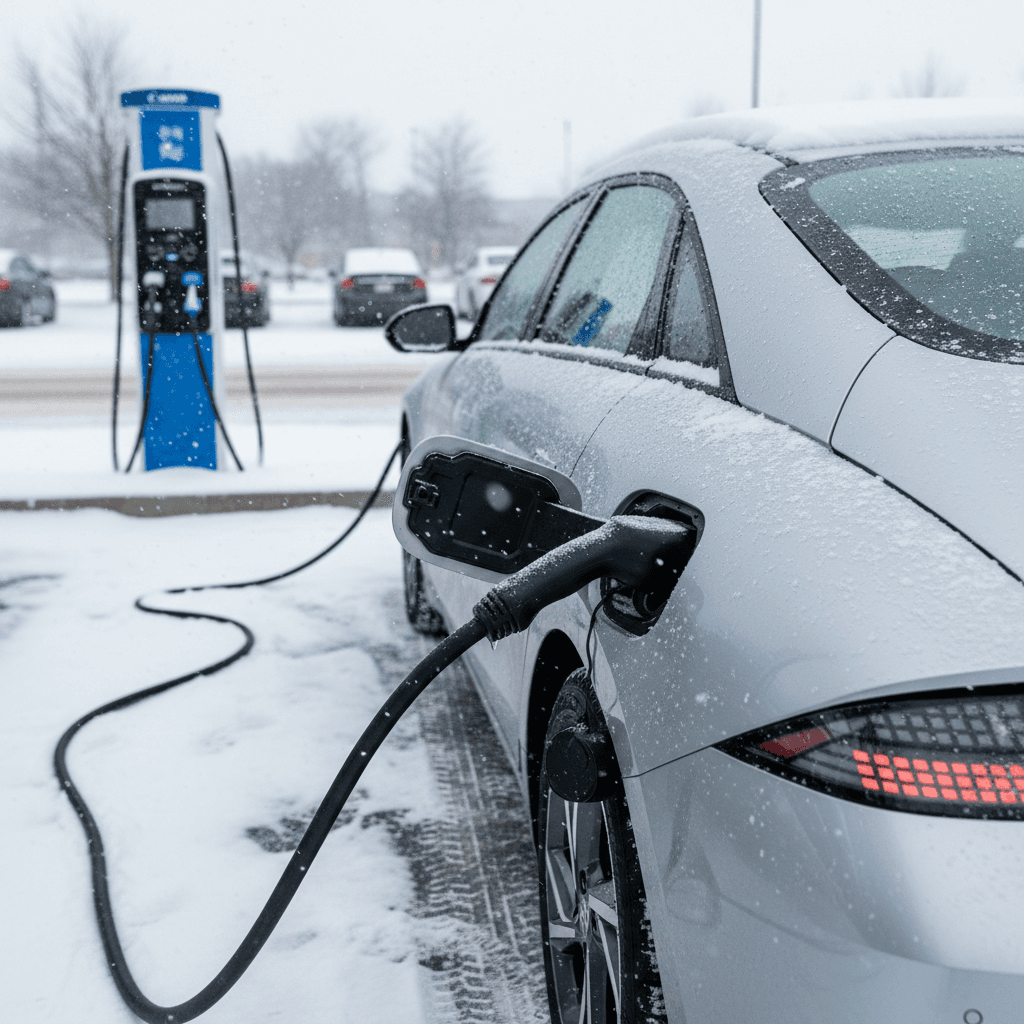
This is where planning matters. On a cold‑weather interstate run at 70–75 mph with snow tires and full cabin heat, you might see effective range drop into the 150–180 mile window on a 64.8 kWh Niro EV.
- Plan DC fast‑charge stops every 100–130 miles rather than trusting summer‑time spacing.
- Expect slower DC fast‑charge speeds if the pack is very cold and hasn’t had time to warm up.
- Use your car’s battery preconditioning (if equipped) to warm the pack before you reach a fast charger.
Watch your first winter fast‑charge stop
Practical tips to reduce Kia Niro EV winter range loss
High‑impact habits to cut winter range loss
1. Precondition while plugged in
Use scheduled climate or app‑based preconditioning to warm the cabin (and, on some trims, the battery) before you unplug. This shifts energy use to the grid and means you start driving with a warm pack and windows already defrosted.
2. Rely on heated seats and wheel
Turn on seat and steering‑wheel heaters first, then set the cabin temperature a bit lower. These features use far less energy than cranking the cabin heater yet keep you just as comfortable.
3. Drive smoother and a bit slower
Aerodynamic drag and rolling resistance spike at high speed, especially with slush or winter tires. Dropping from 75 mph to 65 mph can noticeably improve your mi/kWh and extend useful winter range.
4. Keep tires properly inflated
Cold air drops tire pressure. Check and adjust pressure monthly in winter. Under‑inflated tires increase rolling resistance and can easily cost you another ~5% of range.
5. Clear snow and ice from the car
Snow packed around wheel wells and on the roof increases drag and weight. Removing it doesn’t just improve safety, it can also help your efficiency a little, especially at highway speeds.
6. Avoid repeated short trips on a cold pack
If possible, batch errands so you take one longer drive instead of several tiny hops. Your Niro EV is most efficient once the battery and cabin are up to temperature.
Don’t obsess over the guess‑o‑meter
Charging strategies for cold weather
Winter is where your charging setup really matters. A Niro EV on a proper 240V Level 2 charger has a much easier time dealing with battery heating and cabin preconditioning than one that only sees a 120V outlet.
Best winter charging practices for Niro EV owners
Level 1 vs Level 2, home vs public, what changes in the cold
Use Level 2 at home if possible
An 11 kW onboard charger lets the Niro EV fully recharge overnight on a 40A+ Level 2 circuit.
- Plenty of power to run the battery heater and still add charge.
- Makes daily preconditioning much more practical.
Understand Level 1 limitations
On a standard 120V plug, the car might draw more for the battery heater than the outlet can supply in extreme cold.
- State of charge can briefly drop even while plugged in.
- Consider occasional public Level 2 top‑ups during cold snaps.
Plan DC fast‑charging smarter
In very cold weather, don’t aim for 0–100% at a single stop.
- Arrive with 10–30% and leave around 70–80% for best speed.
- Use preconditioning to warm the pack when heading to a fast charger, if your trim supports it.
Thinking about home charging?
Buying a used Kia Niro EV for cold climates
A big reason shoppers gravitate to the Niro EV on the used market is that it offers solid efficiency and a comfortable cabin in a relatively affordable package. If you live somewhere that sees real winters, you just want to be sure you’re getting the right Niro EV for that job.
- Prioritize cars with the heat pump and battery heater, especially in northern states and Canada‑adjacent regions.
- Review the car’s efficiency history if available, many owners log summer vs winter mi/kWh; it’s a good sanity check.
- Inspect tires: aggressive winter or all‑weather tires improve traction but can cost a few percentage points of range.
- Ask for a battery health report so you can separate normal winter loss from any underlying degradation issues. A healthy pack will bounce back in spring; a tired one won’t.
Where Recharged fits in
Ready to find your next EV?
Browse VehiclesFAQ: Kia Niro EV winter range loss
Frequently asked questions about Niro EV winter range
Bottom line: Is the Kia Niro EV good in winter?
When you strip away the hype and anxiety, the Kia Niro EV is a solid winter companion, as long as you go in with realistic expectations. Like every modern EV, it will lose a chunk of range in cold weather, particularly if you drive fast and like a toasty cabin. But with the right hardware (heat pump, battery heater), a decent home charging setup, and a few smart habits, that loss is manageable for both daily driving and carefully planned road trips.
If you’re considering a used Niro EV, especially in a snowy state, focus on winter‑ready equipment and verified battery health rather than just the EPA number on paper. That’s exactly the lens Recharged uses: transparent pricing, in‑depth battery diagnostics, and EV‑savvy guidance so your next Niro EV feels like an upgrade in January, not just in June.