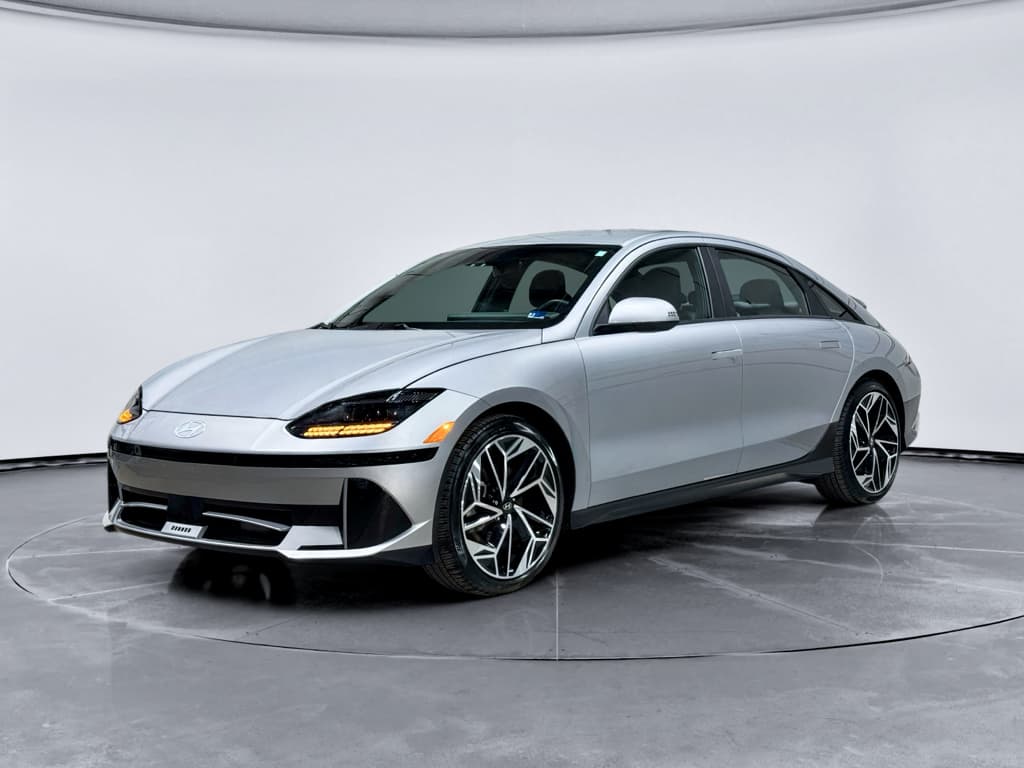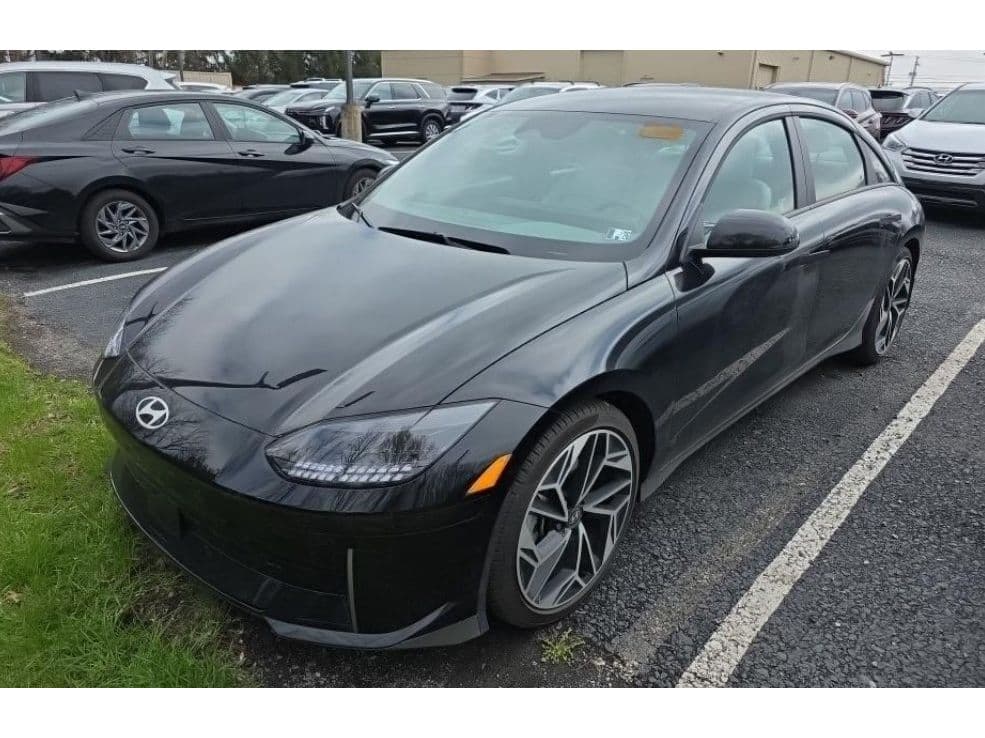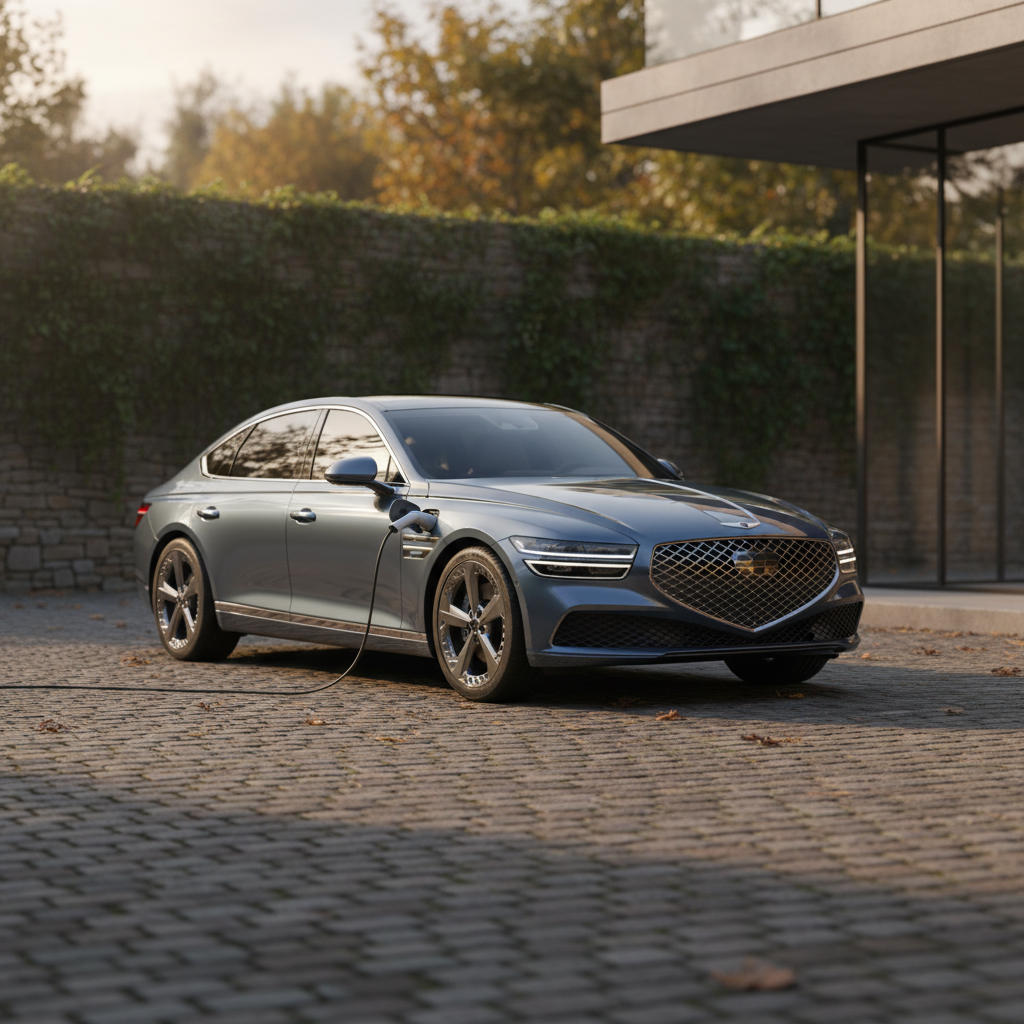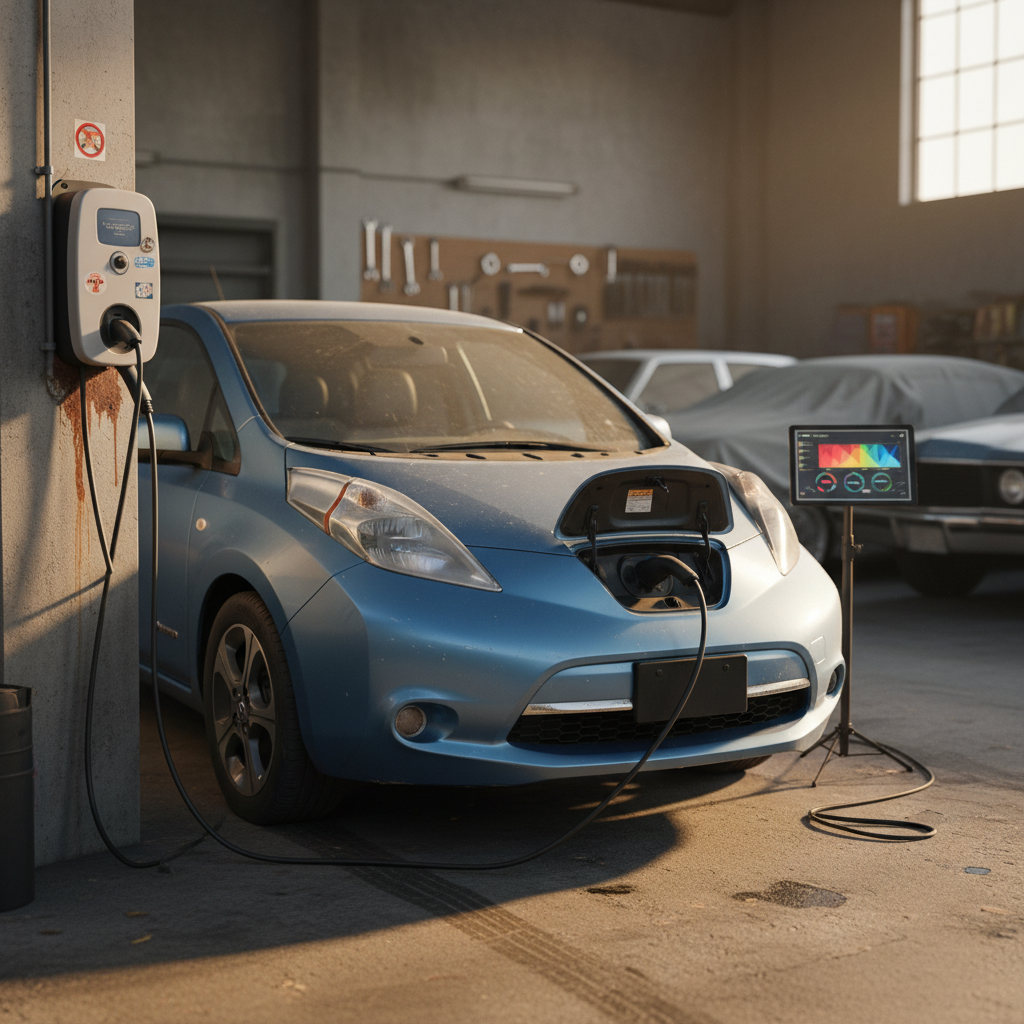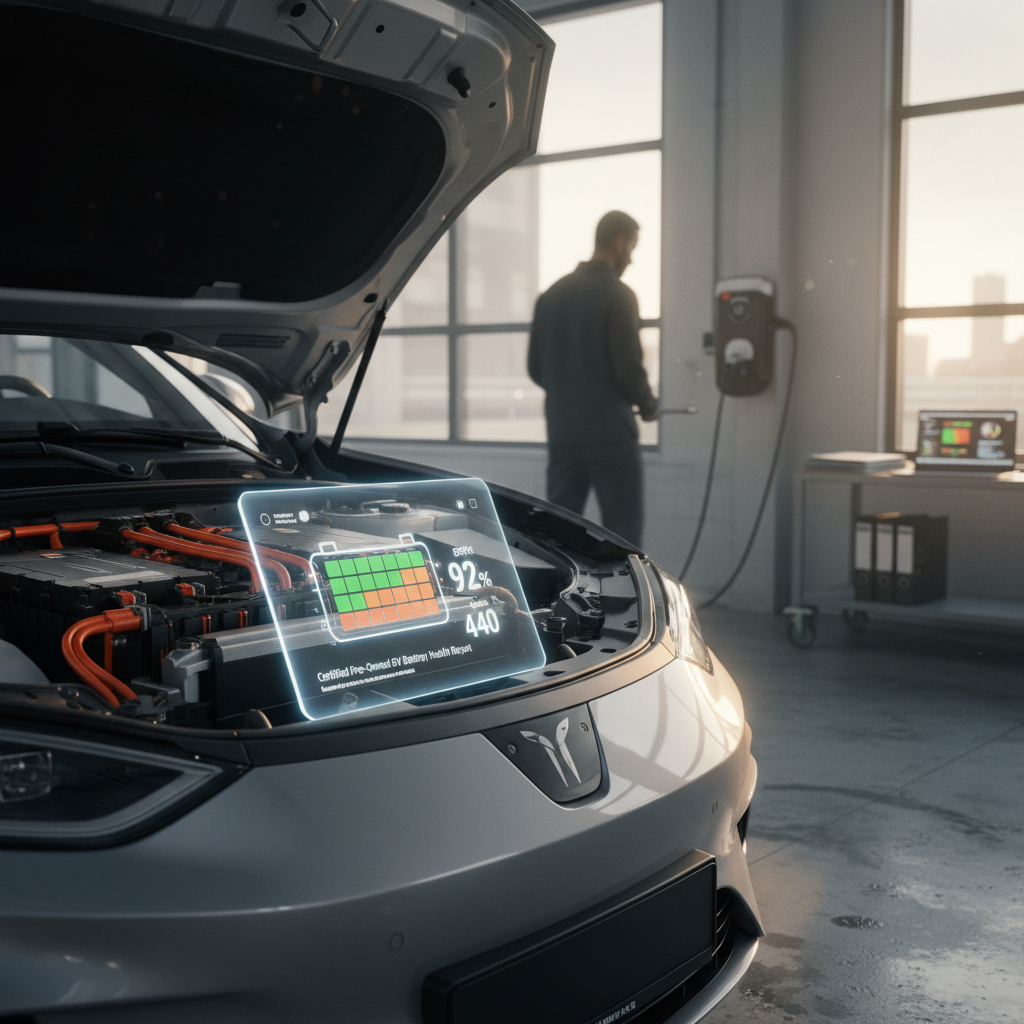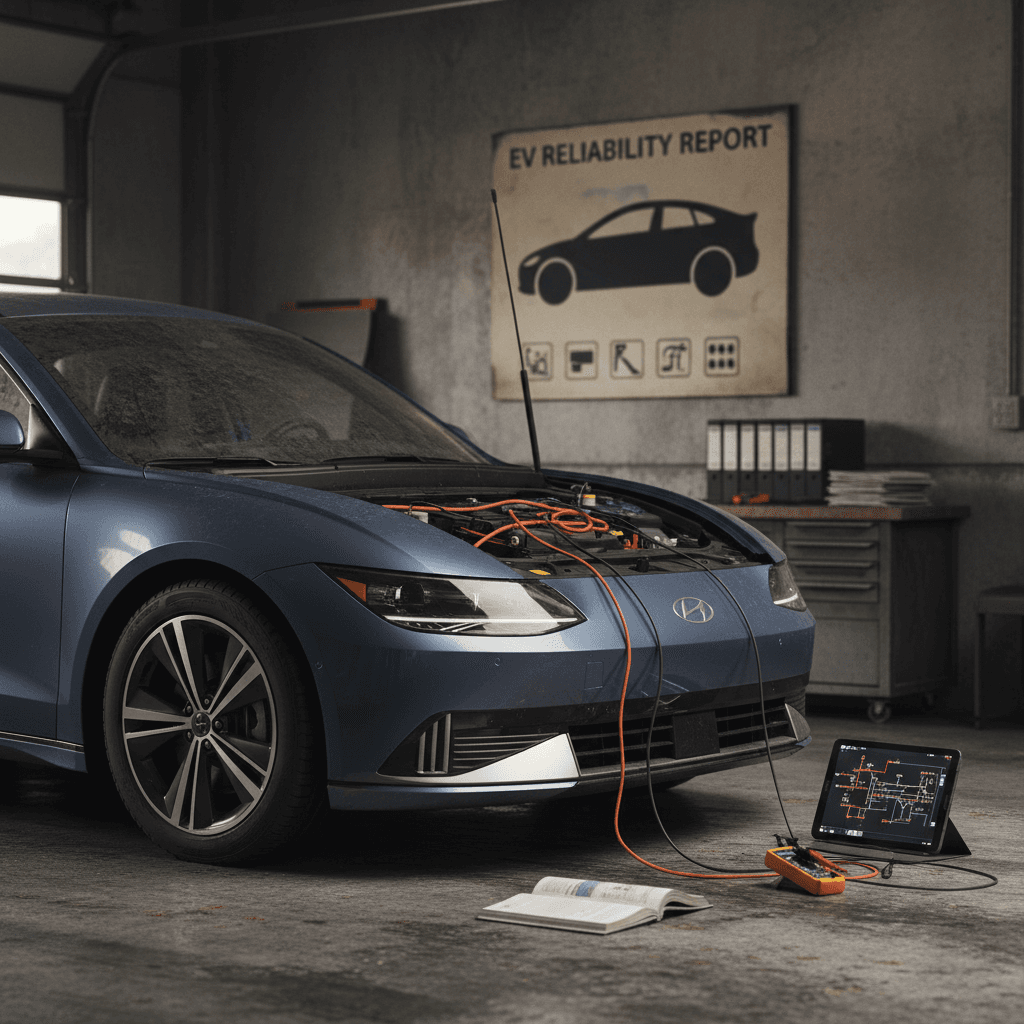
The 2023 Hyundai IONIQ 6 is one of the most interesting EVs on the road: a wind‑cheating electric streamliner with genuine long‑distance range. But if you’re searching for “2023 Hyundai IONIQ 6 problems”, you’ve probably already heard whispers about ICCU failures, 12‑volt batteries, charging drama and charge‑port doors that try to make a break for it on the freeway.
Context matters
Overview: Should You Worry About 2023 IONIQ 6 Problems?
Let’s set the stage. Compared with other 2023 cars overall, Consumer Reports currently rates the 2023 IONIQ 6 below average for reliability, with most trouble spots clustered in EV charging and body hardware (locks, doors, charge port door, etc.). At the same time, owner forums are full of people with 15,000–40,000 miles who report zero issues beyond routine recalls and tire wear.
Where the IONIQ 6 is strong
- Excellent real‑world efficiency and range for the battery size.
- Fast DC charging on 800V hardware when the network cooperates.
- Cabin and chassis feel more German sport sedan than appliance.
- Eight‑year / 100,000‑mile EV system warranty helps de‑risk repairs.
Where problems tend to show up
- ICCU/12‑volt issues that can strand the car and require a campaign fix.
- Charging quirks with some home and public chargers.
- Loose or detaching charge‑port doors (subject to recall).
- Occasional software gremlins in the infotainment and connected‑services stack.
In other words, the IONIQ 6’s core battery and motor hardware have held up well so far; most of the headaches are in the plumbing and software around them. That’s annoying, but it’s also the kind of thing that manufacturers can, and in many cases already have, addressed with recalls, service campaigns, and software updates.
Quick Take: Top 2023 IONIQ 6 Problems at a Glance
Most talked‑about 2023 IONIQ 6 issues
How Recharged helps
Major Recalls on the 2023 Hyundai IONIQ 6
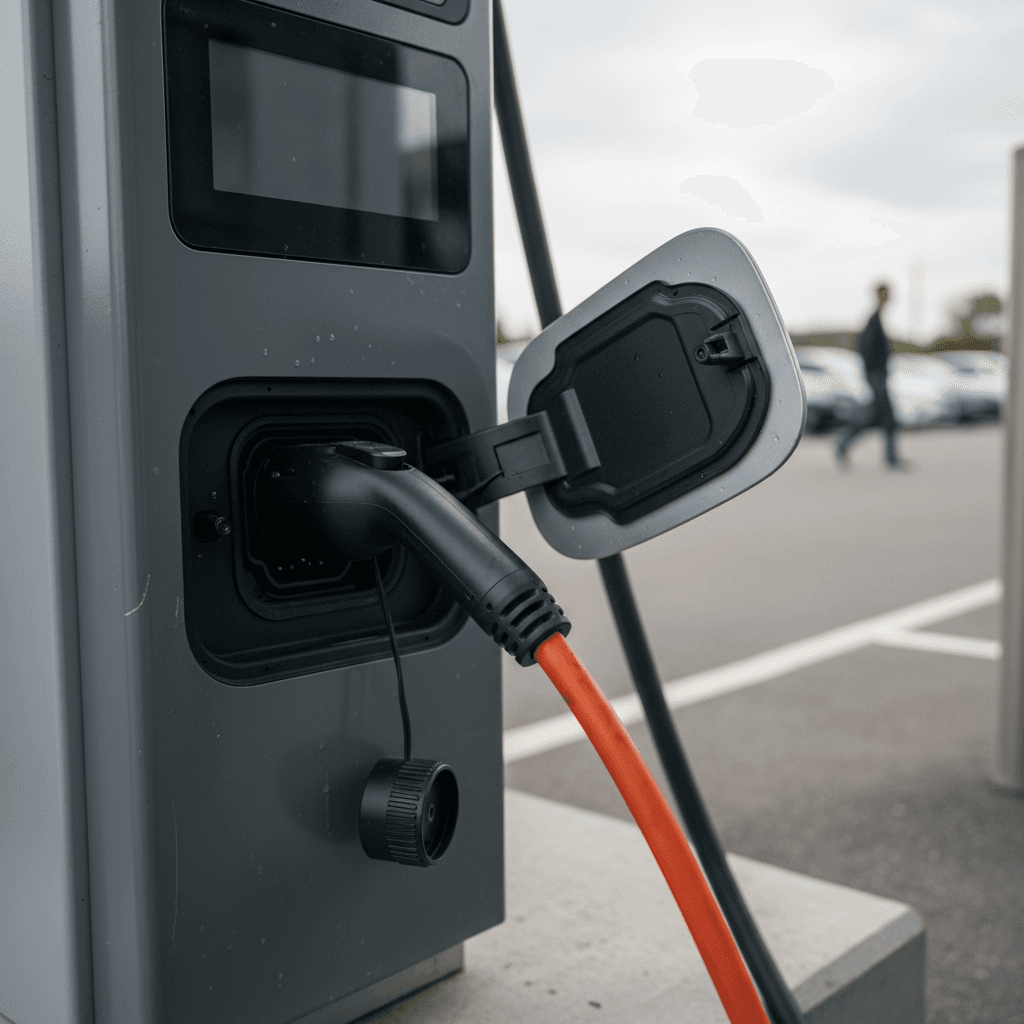
By early 2026, U.S.‑market 2023 IONIQ 6 models have been subject to multiple recalls. The headline item is a campaign covering roughly 30,000–31,000 IONIQ 6 sedans from 2023–2025 for a charge‑port door panel that can detach because the hooks holding it on may loosen over time. Dealers add adhesive and inspect/fix the hinge; the repair is free and relatively quick.
- Charge‑port door panel recall – charge‑port outer cover can loosen or fall off; fix is a revised attachment with adhesive and inspection of the door hardware.
- ICCU/12‑volt charging service campaigns – Hyundai issued service actions across its E‑GMP platform (IONIQ 5/6, Kia EV6, etc.) to replace or reflash the ICCU on affected cars whose 12‑volt batteries weren’t being charged properly.
- Various software/ECU updates – smaller campaigns and TSBs address approach‑unlock/keyless quirks, charging behavior, warning messages and driver‑assistance tuning.
Always run a VIN check
ICCU and 12‑Volt Battery Issues
If there is a boogeyman in the IONIQ 6 story, it’s the ICCU and 12‑volt system. The ICCU (integrated charging control unit) is the box that, among other things, keeps the small 12‑volt battery topped up off the big high‑voltage pack. When it misbehaves, the 12‑volt battery can quietly die overnight and the whole car wakes up dead, even with plenty of charge left in the main battery.
- Dead 12‑volt battery after the car sits for a day or two.
- “Check electrical system” or other Christmas‑tree warning lights, sometimes with reduced‑power limp mode.
- Instrument cluster or infotainment restarting, glitches with CarPlay/Android Auto that improve after a 12‑volt replacement or ICCU update.
- Extended dealer visits because only a few technicians are certified on Hyundai EVs in some markets.
How widespread is it?
ICCU problems: how to think about the risk
Not a guaranteed failure, but something to screen for when buying used
Warning signs
- Any history of no‑start or repeated 12‑volt battery replacements.
- Owner mentions “ICCU campaign” without paperwork.
- Long stays at the dealer for unexplained electrical faults.
What counts as a good story
- ICCU/12‑volt service performed once with clear documentation.
- No electrical issues since, especially over 10k+ miles.
- All recalls and software campaigns listed as completed.
How warranty factors in
- Hyundai’s EV components warranty typically runs 8 yrs/100k miles.
- ICCU‑related repairs are usually covered if in‑warranty.
- But you still lose time if the car sits at a busy dealer for weeks.
Charging Problems: Home and DC Fast Charging
On paper, the 2023 Hyundai IONIQ 6 is a charging rock star: 800‑volt architecture, up to 235 kW DC fast charging and painless overnight Level 2 at home. In the real world, a subset of owners report quirky charging behavior, especially before the latest software updates.
Common 2023 IONIQ 6 charging complaints
Most of these are intermittent and often resolved with software updates, charger resets or ICCU/12‑volt fixes.
| Issue | How it shows up | Likely causes / fixes |
|---|---|---|
| Won’t charge on specific Level 2 charger | Car says it’s charging but percentage never moves, or stops after a few minutes. | Handshake issue between EVSE and car; try a different station, update the car’s software, or reset the charger. Sometimes ICCU/12‑volt faults are in the background. |
| Car “charging” on app but not adding energy | App shows session active for hours with no added range. | Telematics or Blue Link glitch; confirmed by owners who fix it with an infotainment reset or 12‑volt/ICCU service. |
| Refuses some DC fast chargers | DCFC session fails to start or stops immediately, while other brands charge fine. | Network quirks, older firmware on charger or car, or high‑current ICCU limitations; usually improved by software updates and using newer stations. |
| Stuck in park after DC fast charge | Car won’t go into Drive when unplugged after a DC fast session. | An odd behavioral quirk of the E‑GMP platform; requires pressing the Start button once (without brake) before selecting a gear. Not a defect, just unintuitive UX. |
Always test a used IONIQ 6 on both home Level 2 and at least one DC fast charger before you sign anything.
Real‑world testing tip
Software Glitches: Infotainment, Apps and Driver Assists
Hyundai’s software stack is ambitious: big touchscreen, over‑the‑air–capable updates, Blue Link connectivity, phone‑as‑key, a full orchestra of driver‑assistance features. It also means there are more ways for software to act up than in a base‑model economy car.
- Infotainment screen freezing or going black temporarily, often when switching audio sources or plugging in CarPlay/Android Auto. A hard reset or software update usually clears it.
- Approach‑unlock and smart‑key features not working consistently until a specific campaign/update is performed.
- Blue Link / connected‑services quirks, such as the app reporting incorrect charging status or location until the head unit is reset.
- Overly sensitive auto‑dimming on the digital dash and infotainment brightness as ambient light changes.
Why software issues are annoying, not fatal
Body and Hardware Issues: Charge Door, Windows and More
Consumer‑survey data and owner reports put the IONIQ 6’s body hardware, doors, windows, locks, charge‑port door, on the watch list. Nothing catastrophic here, but a few patterns are worth knowing about.
Typical body & hardware complaints
Most are fixable under warranty or already addressed by recall
Charge‑port door problems
- Charge‑port outer panel loosening or detaching (subject of a recall).
- Charge‑port not latching securely, rattling at speed.
- Moisture or debris accumulation if door is damaged or missing.
Windows, locks & misc.
- Occasional reports of quirky auto‑up/down window behavior.
- Central dash camera condensation in humid climates; often resolved by using A/C to de‑fog.
- Complaints about lack of auto‑lock by default and protruding door handles when unlocked.
Don’t ignore physical damage
Battery Health and Range: How Worried Should You Be?
For all the noise about ICCU and software, the central question for any used EV is simple: how is the main high‑voltage battery holding up? On that front, the 2023 IONIQ 6 is quietly impressive. Owners with 20,000–50,000 miles routinely report range that’s still close to new, assuming normal driving and climate.
- Most long‑range 2023 IONIQ 6 models still deliver real‑world highway range in the 230–270‑mile ballpark when new, depending on speed and weather; modest degradation so far doesn’t seem to radically change that picture.
- Urban drivers often see higher range numbers because the car is extremely efficient at lower speeds.
- Hyundai’s battery pack uses modern thermal management; no widespread pattern of rapid degradation has emerged the way it did with some early‑generation EVs.
Why a third‑party battery health check matters
What This Means If You’re Buying a Used IONIQ 6
Pull back from the forums and recall lists and you get a clearer picture: the 2023 IONIQ 6 is a fundamentally strong EV with a busy first few years of software updates and service campaigns. That’s not unusual for a first‑wave dedicated EV platform. The trick as a used‑car shopper is to find an example that’s had the rough edges smoothed off at someone else’s expense.
Why a used 2023 IONIQ 6 can be a great buy
- Steep early depreciation means you’re paying far less than original MSRP for a very modern EV.
- Battery packs are aging well so far, with few reports of major degradation.
- Most serious early issues (ICCU campaigns, charge‑door recall) are now well‑understood by dealers.
- Long EV‑system warranty often still in effect for first and even second owners.
Where you need to be picky
- Avoid cars with incomplete recall or campaign histories.
- Be wary of repeated 12‑volt or ICCU complaints in the service records.
- Demand proof that charging works reliably on both Level 2 and DC fast chargers.
- Factor in your local Hyundai service quality; a great car with a terrible dealer is still a headache.
Checklist: Shopping for a Used 2023 IONIQ 6
Pre‑purchase checklist for a 2023 IONIQ 6
1. Verify recalls and ICCU campaigns
Ask for a printed dealer service history showing <strong>all IONIQ 6 recalls and ICCU/12‑volt campaigns completed</strong>. If the seller can’t produce it, have a Hyundai dealer run the VIN before you buy.
2. Inspect the charge‑port door closely
Open and close the charge‑port door several times. It should feel solid, latch evenly and sit flush. Look for mismatched paint or panel gaps that hint at a hasty repair.
3. Test Level 2 charging from low state of charge
Arrive with the battery around 40–60% and plug into a Level 2 charger. Leave it for at least 20–30 minutes and verify that % and rated miles climb normally in the car and app.
4. Test DC fast charging if possible
On a separate drive, plug into a reputable DC fast charger. Confirm that a session starts quickly and sustains a reasonable rate for at least 10–15 minutes without error messages.
5. Check for electrical warning lights or history
Scan the instrument cluster for any active warnings. Ask specifically about past “check electrical system” messages, limp‑mode events or unexplained no‑start incidents.
6. Exercise everything that moves
Run all windows, locks, seat controls and exterior handles multiple times. Listen for grinding or binding, especially in windows and the charge‑port mechanism.
7. Evaluate software behavior
Connect CarPlay or Android Auto, navigate through menus, and test approach‑unlock and remote app functions. Occasional quirks are normal; persistent freezing or black‑screen behavior is not.
8. Get an independent EV‑focused inspection
Traditional used‑car inspections rarely cover EV‑specific systems. A <strong>Recharged Score Report</strong> or similar EV‑specialist inspection can surface battery health or charging‑system issues a generalist might miss.
FAQ: 2023 Hyundai IONIQ 6 Problems
Frequently asked questions about 2023 IONIQ 6 problems
Bottom Line: Is the 2023 IONIQ 6 Worth It Used?
The 2023 Hyundai IONIQ 6 is a classic first‑wave EV: brilliant where it counts, efficiency, ride, design, and a little messy in the supporting cast of modules, charge doors and software. The problems are real but concentrated: ICCU/12‑volt snafus, some charging quirks, and a charge‑port door recall that every used example should have in its rear‑view mirror by now.
If you treat those issues as a checklist rather than a horror story, a used 2023 IONIQ 6 can be one of the most compelling EVs on the market: slippery shape, long legs, fast charging and a cabin that feels more like a design object than a penalty box. Partnering with an EV‑specialist retailer like Recharged, where every car gets a Recharged Score Report, verified battery health, recall checks, fair‑market pricing and nationwide delivery, lets you enjoy the good parts of the IONIQ 6 story without starring in someone else’s service‑department saga.