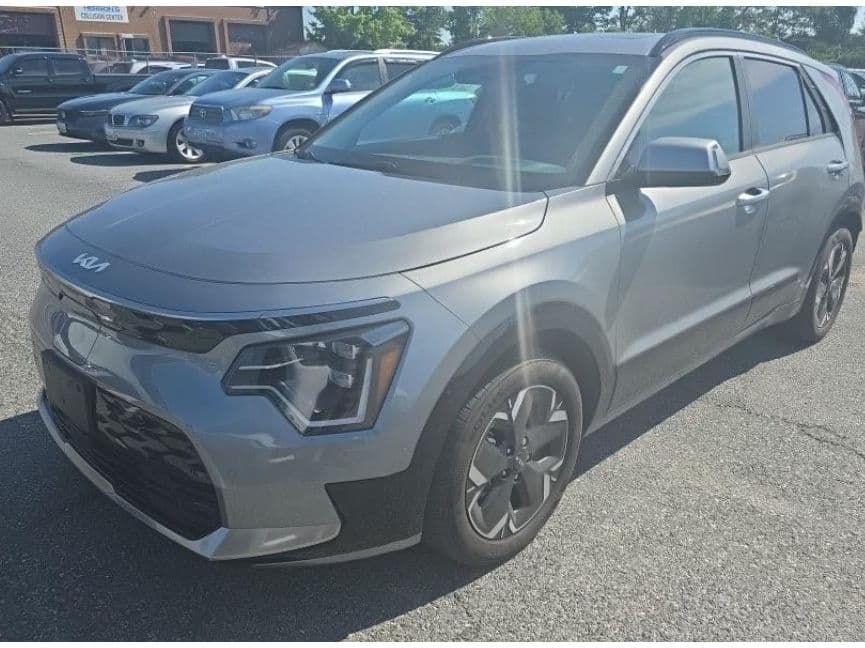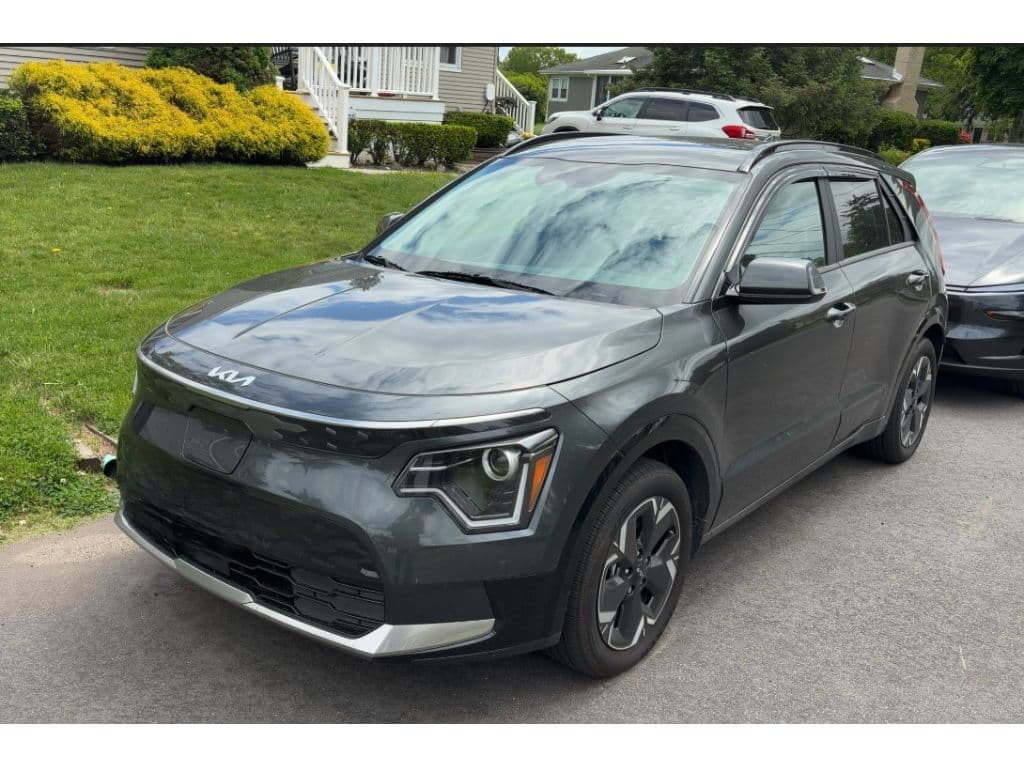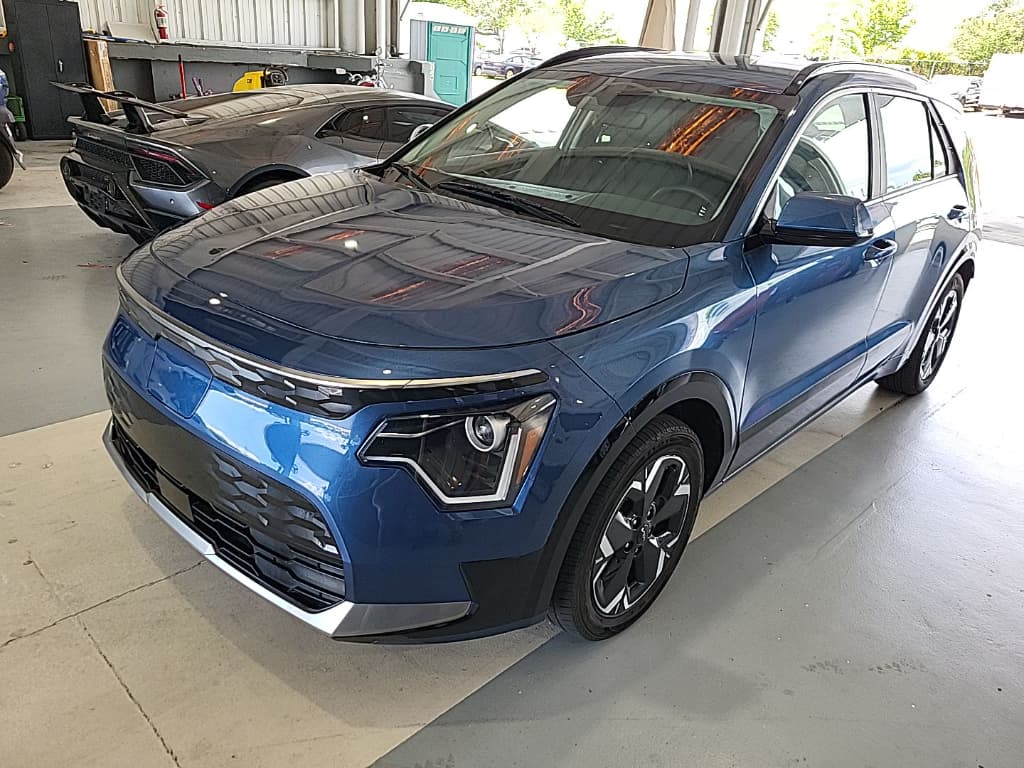
If you’re considering a Kia Niro EV in 2026, you’re probably asking one big question: will it be reliable for the long haul, especially as a used EV? The answer is generally “yes, with caveats.” The Niro EV has a solid reputation for battery longevity and efficiency, but certain model‑year quirks and charging‑system issues are important to understand before you buy.
Why reliability feels different with EVs
Kia Niro EV reliability in 2026: the short version
Kia Niro EV reliability snapshot for 2026 shoppers
Taken as a whole, the Kia Niro EV is shaping up as an average to slightly above‑average reliability bet among mainstream EVs. The big positives are strong battery health, simple front‑wheel‑drive hardware, and a long factory warranty. The watch‑outs: charging‑port overheating/“charge interrupted” complaints, some brake and suspension noises, and the usual EV‑era in‑car electronics gremlins on certain cars.
Bottom line for 2026
Kia Niro EV generations & model years to know
When people talk about “Kia Niro EV reliability,” they’re actually talking about two related but distinct generations:
Kia Niro EV generations at a glance
How the different generations stack up for reliability‑minded 2026 shoppers.
| Generation | Model years (U.S.) | Key traits | Reliability notes |
|---|---|---|---|
| 1st gen (e‑Niro) | 2019–2022 | Conservative styling, 64 kWh pack, FWD, simple layout | Proven battery longevity, some early infotainment quirks, few serious systemic issues. |
| 2nd gen (redesigned) | 2023–2024 (and newer) | Bold styling, updated interior, new electronics, similar battery size | Still building long‑term track record; early reports show good battery health but more charging‑system complaints. |
| 2026 shopper sweet spot | 2020–2023 | Mix of price and remaining warranty | Many have 3–6+ years of high‑voltage warranty left and known behavior patterns. |
Battery tech is broadly similar, but electronics and charging behavior evolved between generations.
Don’t lump all Niro models together
Battery life & degradation: the heart of Niro EV reliability
For most used‑EV shoppers, the deal‑breaker question is simple: how fast does the battery wear out? The good news is that real‑world data from early Niro EVs is encouraging. High‑mileage first‑gen owners frequently report single‑digit degradation, often under 10%, even past 60,000–100,000 miles, assuming the car hasn’t been abused with constant 100% fast charges in extreme heat.
- Many 2019–2021 Niro EVs with ~60,000 miles still show roughly 90%+ usable capacity in owner scans and real‑world range tests.
- Degradation is typically “front‑loaded”, you might lose a few percent in the first couple of years, then see a slower decline if the car is driven and charged reasonably.
- Most owners using Level 2 home charging and occasional DC fast charging report stable range through the first 5–7 ownership years.
What this means for a 2026 buyer
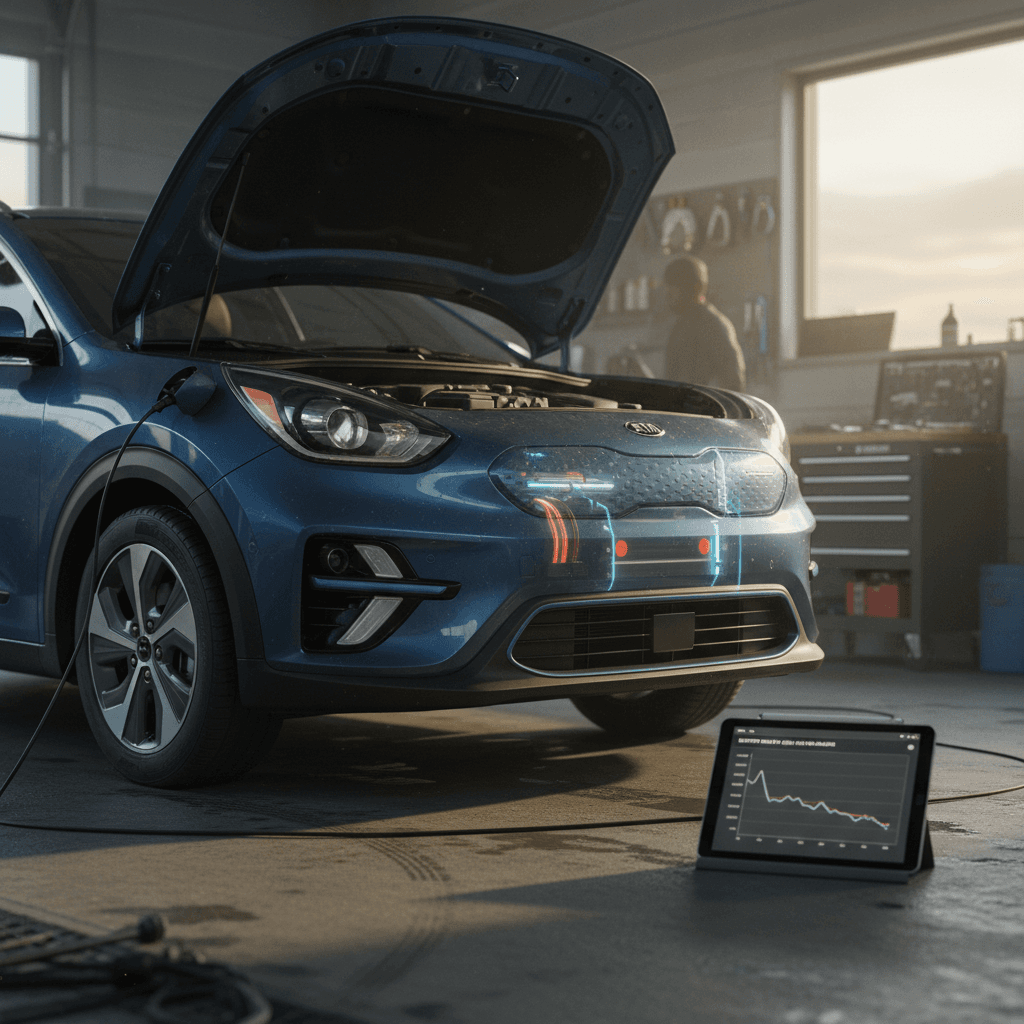
How to quickly gauge Niro EV battery health
Quick battery‑health reality check on a test drive
1. Compare displayed range to EPA rating
With a full or near‑full charge, compare the car’s estimated range to the EPA number for that model year. A modest gap is normal; a huge gap may hint at heavy degradation or poor recent driving conditions.
2. Ask for any battery test reports
Some Kia dealers and specialist shops can pull state‑of‑health readings. At Recharged, the <strong>Recharged Score Report</strong> includes a battery‑health snapshot so you’re not guessing.
3. Look for warning lights
Any battery or high‑voltage warning lights, or a history of them in service records, deserve serious follow‑up before you buy.
4. Check real‑world efficiency
On a test drive that mixes city and highway, watch the miles‑per‑kWh figure. An abnormally low number for the conditions might indicate tire, brake, or battery issues.
Common Kia Niro EV problems by generation
No modern EV is problem‑free, and the Niro EV is no exception. The key is understanding which issues are annoying versus which could lead to extended downtime or big bills once the warranty ends.
Most talked‑about Niro EV issues in 2026
Patterns vary a bit between first‑gen and second‑gen cars.
Charging‑port overheating & “charge interrupted”
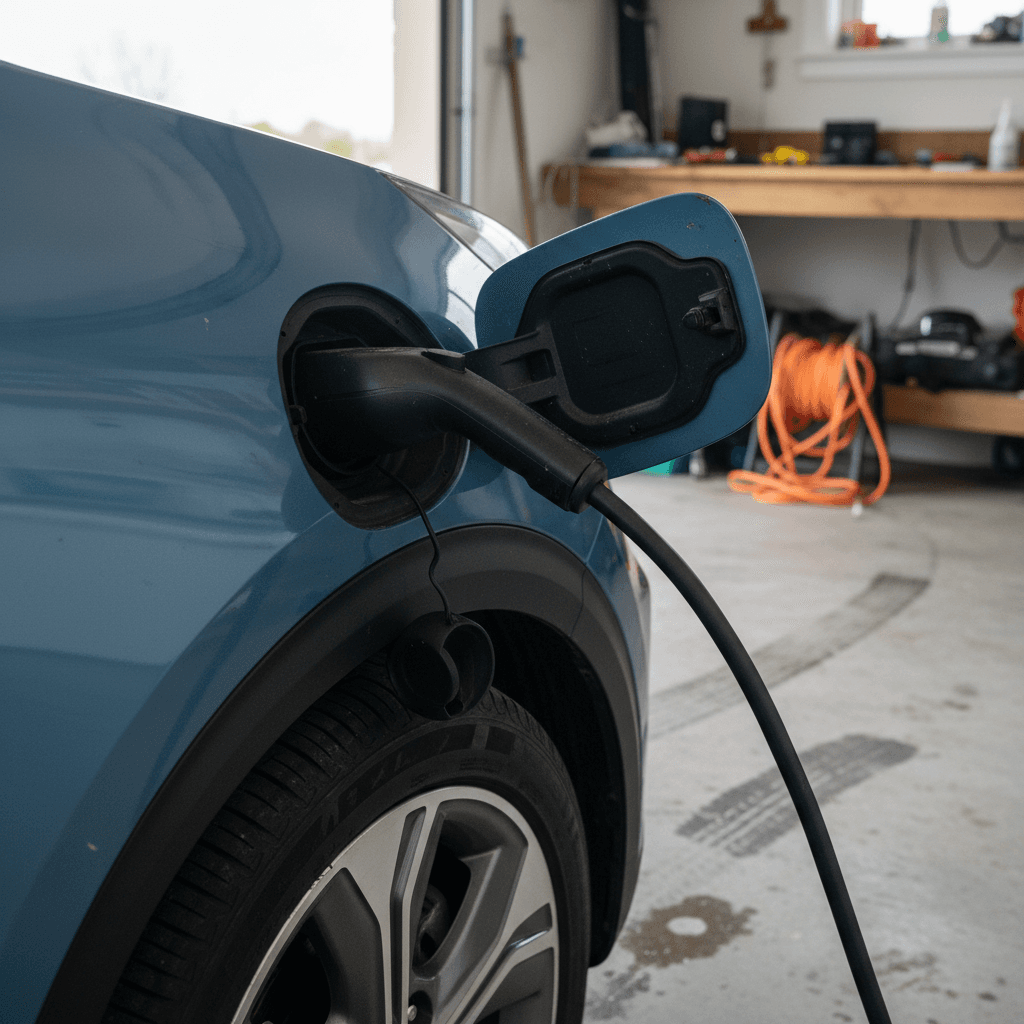
Some 2023+ Niro EV owners report Level 2 charging sessions that stop unexpectedly with “charge interrupted” messages. In many cases, Kia’s fix is a software update that slows charging when the port gets hot, which can double home charging time. Hardware redesigns have been discussed, but as of 2026 this remains a key item to check on any newer Niro EV.
Driveshaft / half‑shaft & drivetrain noises
Certain 2023–2024 Niro EVs have been affected by driveshaft‑related recalls or service campaigns, sometimes tied to noises or vibration. Earlier e‑Niros occasionally develop motor or gearbox noises, though most continue to run without immediate failure.
Brake noises and feel
Because the Niro EV is quiet, small brake and suspension noises stand out. Owners sometimes report scraping or rubbing sounds at low speed or after the car sits. Often this is surface rust on rotors or a minor pad/rotor issue, but brakes are safety‑critical and deserve a proper inspection.
In‑car electronics & infotainment
Glitches in the infotainment system, frozen screens, random reboots, quirky Bluetooth, show up periodically in owner reports. These are usually fixed with software updates, but you’ll want to verify the car is on the latest software and that every port, camera and sensor works as designed.
Issues that can cause downtime
First‑gen (2019–2022) Niro EV: reliability profile
- Generally strong long‑term battery health and simple mechanical layout.
- Most reported problems live in the infotainment, charge‑port door, 12‑volt battery, or occasional motor/gearbox noise.
- Because these cars are now 4–7 years old, pay attention to corrosion, suspension wear, and any history of collision repairs.
Second‑gen (2023–2024+) Niro EV: reliability profile so far
- Early owner data points to solid battery performance similar to the first generation.
- Electronics are more complex, which raises the odds of software‑type glitches.
- Charging‑port overheating / charge‑interruption behavior is the #1 new‑generation complaint to scrutinize on a test drive.
Warranty coverage: what still applies in 2026
One big reason the Kia Niro EV is attractive as a used EV in 2026 is generous factory warranty coverage. The details vary a bit by year and region, but most U.S. Niro EVs include:
Typical Kia Niro EV warranty coverage (U.S.)
Always confirm the exact warranty for the specific VIN, but here’s what most Niro EVs carry from the factory.
| Coverage type | Typical term | What it usually covers |
|---|---|---|
| Basic bumper‑to‑bumper | 5 years / 60,000 miles | Most non‑wear items, including many electronics and interior components. |
| Powertrain | 10 years / 100,000 miles | Electric motor and related drive components for original owners. |
| High‑voltage battery & EV system | Often 10 years / 100,000 miles | Battery pack, drive unit, power electronics and related high‑voltage hardware. |
| Corrosion / perforation | 5+ years (varies) | Rust‑through of body panels, not surface rust. |
High‑voltage components enjoy longer coverage than traditional bumper‑to‑bumper warranties.
Used‑car buyer’s move
How reliable is the Kia Niro EV vs other EVs?
Reliability isn’t just about how often something breaks; it’s about how serious those problems are, how quickly they’re fixed, and how the car feels to live with every day. When you stack the Niro EV against peers like the Chevy Bolt EV/EUV, Nissan Leaf, and Hyundai Kona Electric, a pattern emerges:
Where the Niro EV does well
- Battery durability: Real‑world data puts the Niro EV among the more confidence‑inspiring packs in its class.
- Simplicity: Front‑wheel drive, modest power and conservative thermal management help limit drivetrain surprises.
- Owner satisfaction: Historically, Niro EV owners have scored the car high on satisfaction and perceived reliability, helped by its efficiency and practicality.
Where you should be cautious
- Dealer EV experience: Some Kia dealers are still climbing the learning curve on EV diagnostics and parts availability.
- Charging‑system quirks: Compared with Tesla or some CCS rivals, complaints about charge‑port heat and communication issues appear more frequently.
- Electronics complexity: Later Niros add layers of driver‑assist and infotainment tech, great when it works, frustrating when it doesn’t.
Overall verdict vs. the field
Used Kia Niro EV reliability checklist for 2026 shoppers
When you walk onto a lot, or browse a digital marketplace, for a used Niro EV, you’re not just trying to avoid a lemon. You’re trying to buy the right example of a generally solid platform. Here’s how to stack the deck in your favor.
Kia Niro EV reliability checklist (print‑worthy)
Confirm the exact model and battery
Make sure you know whether you’re looking at a first‑gen (2019–2022) or second‑gen (2023+) Niro EV, and whether it has the standard 64 kWh‑class pack. Verify options like heat pump and cold‑weather package, which matter for range and winter reliability.
Scan for open recalls and TSBs
Ask the seller for a printout of completed recalls and technical service bulletins. Pay particular attention to any drive‑shaft, inverter, or charging‑system campaigns, these tell you how the car has been updated over time.
Check charging behavior on both Level 2 and DC fast
If possible, plug the car into a 240‑volt Level 2 charger and a public DC fast charger. Watch for <strong>“charge interrupted” messages, unusual noises, or excessive time to add miles</strong>. Any weirdness here deserves real scrutiny.
Listen for drivetrain and brake noises
On a mixed test drive, pay attention to low‑speed clunks, whines or scrapes. The Niro EV is quiet by nature, so you’ll hear more than you would in a gas car, but persistent grinding, rhythmic clunks, or loud motor whine are red flags.
Test every electronic feature
Cycle through the infotainment, navigation, Bluetooth, cameras, parking sensors, and driver‑assist systems. Glitches happen, but a car that shows you a half‑dozen electronic quirks on day one is likely to keep doing so.
Review charging history & use pattern
If you can, ask whether the car was primarily home‑charged on Level 2 or fast‑charged on long road trips. A commuter that lived on home charging and spent nights in a garage will generally be kinder to its battery than a ride‑hail car hammered on DC fast chargers.
Get an independent EV‑savvy inspection
Traditional pre‑purchase inspections don’t always cover EV‑specific checks. Look for a shop, or a marketplace like Recharged, that can evaluate <strong>high‑voltage components, thermal management, and real battery health</strong>.
Reliability, repair costs & downtime: what to expect
One of the major perks of an EV like the Niro is that there are fewer wearable mechanical parts: no oil changes, spark plugs, timing belts, or exhaust systems. But when something does go wrong, it’s often in one of three buckets: high‑voltage components, charging hardware, or software/electronics.
Where Niro EV owners tend to spend money
Most costs are manageable, until you get into uncovered high‑voltage components.
Routine wear items
Like any car, the Niro EV eventually needs tires, wiper blades, cabin filters, and brake service. Thanks to regenerative braking, pads and rotors often last longer than on gas cars, assuming you don’t live in a rust‑heavy climate.
Charging hardware
Home EVSEs, charge ports, and onboard chargers can fail. Out of warranty, replacing some of these can get expensive, but they’re rarely as catastrophic as a full battery replacement. Watch for signs of port overheating or cable damage.
Electronics & sensors
Backup cameras, parking sensors, and infotainment modules occasionally need replacement. Individually they’re not always ruinous, but several failures in a row can be both costly and inconvenient if the dealer has long wait times.
Downtime reality check
How Recharged helps de‑risk a used Niro EV
If you like the idea of a Kia Niro EV but don’t want to play reliability roulette, a curated used‑EV marketplace can tilt the odds in your favor. That’s exactly where Recharged comes in.
- Recharged Score Report: Every vehicle on Recharged includes a battery‑health and high‑voltage systems snapshot based on diagnostics, not guesswork.
- Fair‑market pricing: Because reliability and battery health are baked into the valuation, you’re not overpaying for a tired pack or an abused commuter.
- EV‑specialist support: Recharged’s advisors live in this world every day, so they can help you compare a Niro EV to alternatives like a Bolt EUV or Kona Electric from a reliability and cost‑of‑ownership angle.
- Flexible selling options: Already own a Niro EV? Recharged can help you sell, trade‑in, or consign your car, with nationwide buyers that understand EV value.
Why this matters in 2026
Kia Niro EV reliability FAQ (2026)
Frequently asked Kia Niro EV reliability questions
In 2026, the Kia Niro EV stands out as one of the more rational ways to go electric: efficient, practical, and, when you choose wisely, reassuringly durable. It’s not perfect; software quirks, charging‑system issues, and dealer variability can still test your patience. But if you focus on battery health, charging behavior, and remaining warranty, you can land a Niro EV that serves reliably for years. And if you’d rather not decode all of that alone, Recharged is built to do exactly that homework for you, so your next EV decision is based on data, not crossed fingers.