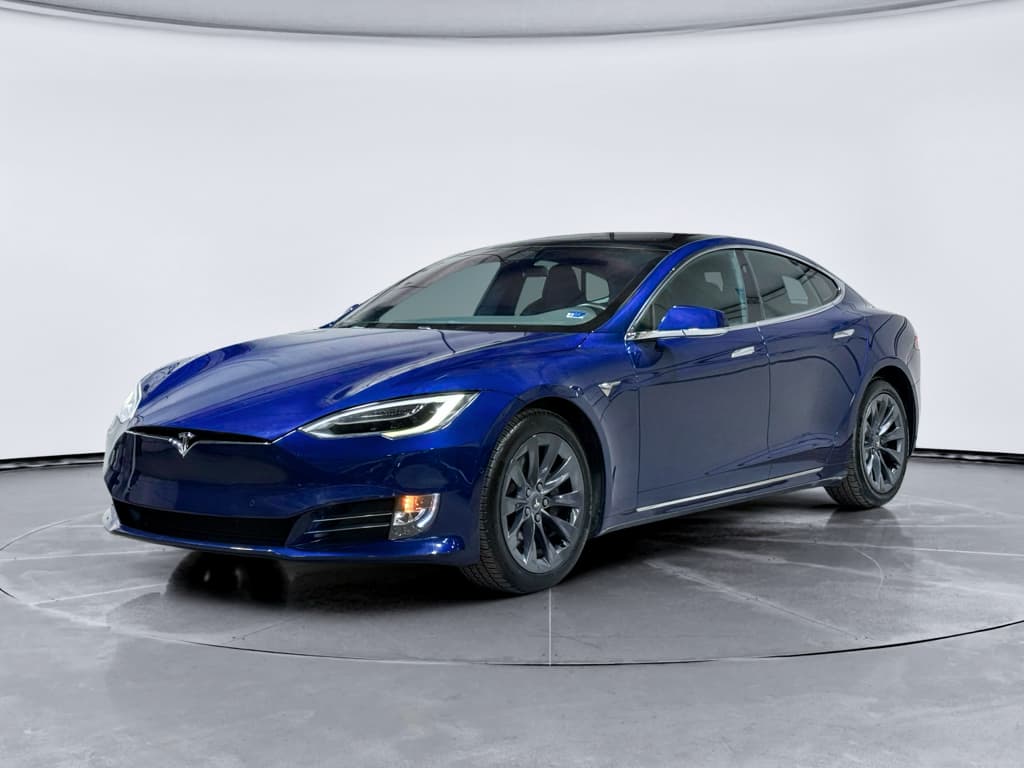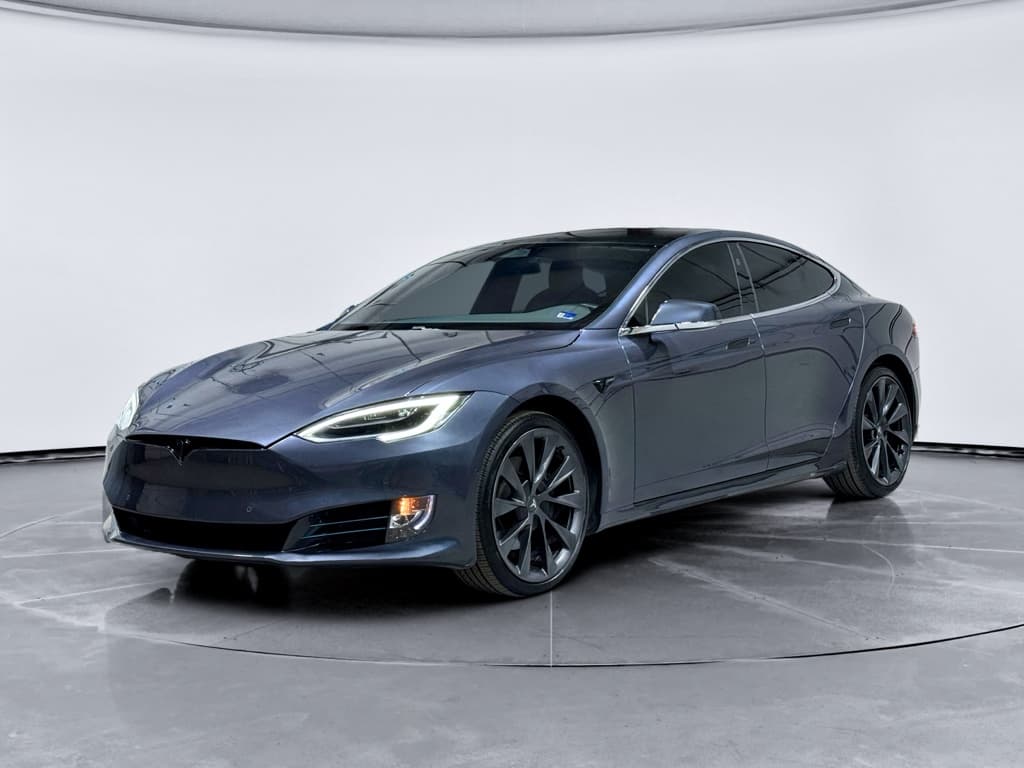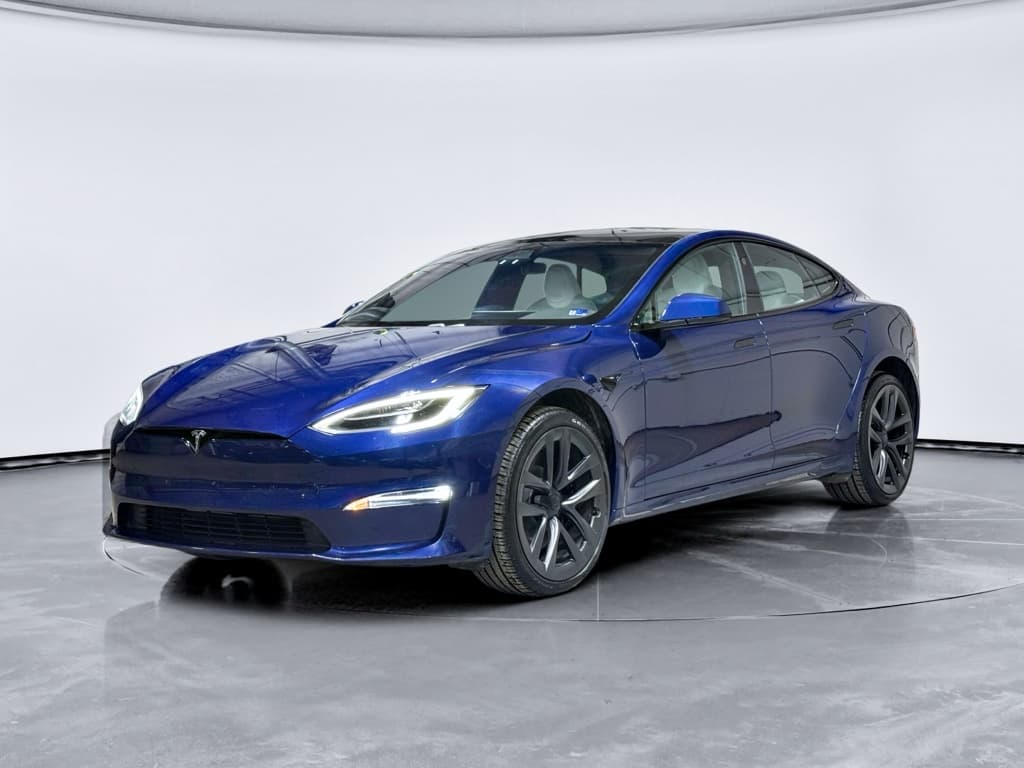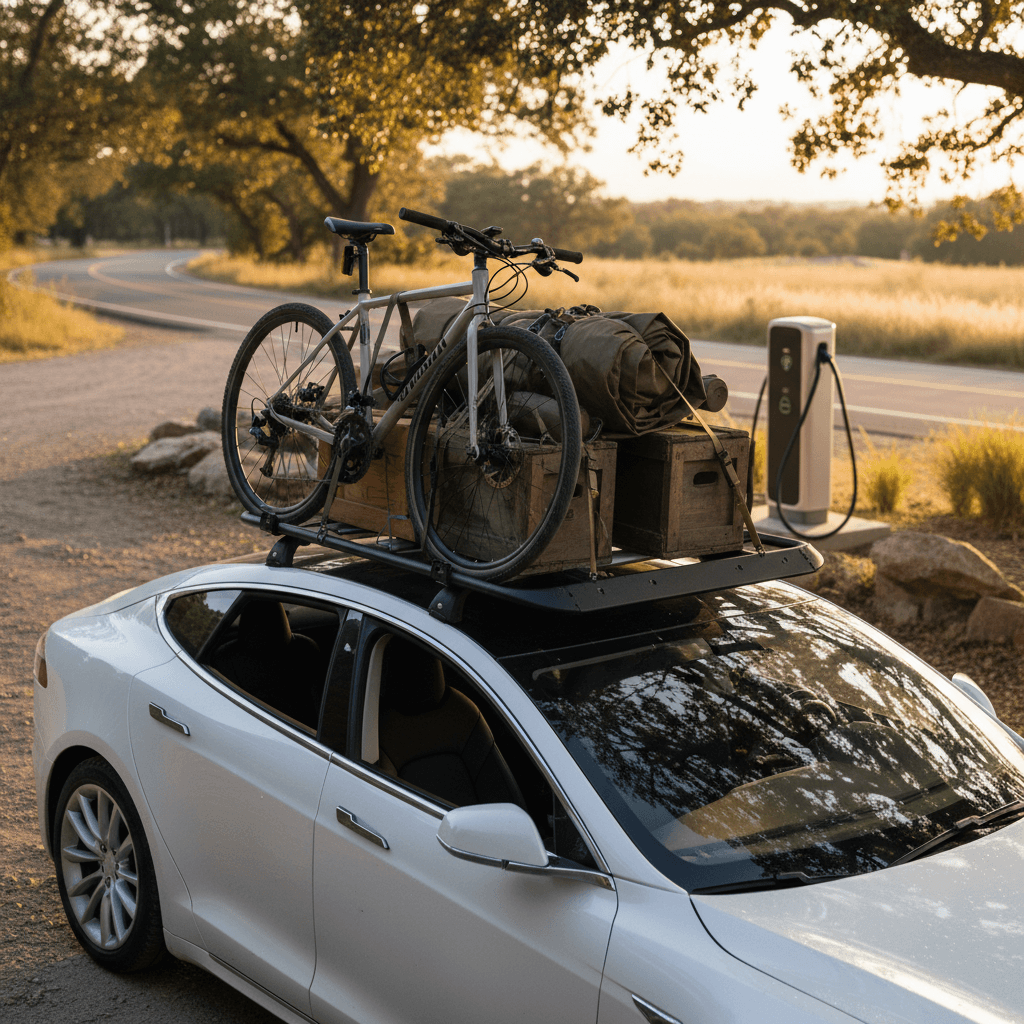
If you’re planning a ski trip, camping weekend, or cross‑country move in a Tesla Model S, the roof rack weight limit becomes a very real concern. Between the heavy glass roof, tall speeds, and the cost of a luxury EV, you can’t afford to guess. This guide walks through what the weight limits actually mean, how they impact range, and what to watch for, especially if you’re considering a used Model S.
Quick answer
Why the Tesla Model S roof rack weight limit matters
On a gasoline SUV, overloading the roof rack might mean extra wind noise and vague steering. On a low‑slung, glass‑roofed EV like the Model S, it can mean cracked glass, compromised handling, reduced range, and warranty headaches. Understanding the roof rack weight limit isn’t just about staying legal; it’s about protecting a very expensive battery, body shell, and panoramic glass panel.
- The Model S roof structure and glass are engineered for specific loads, not guesswork.
- Extra weight up high raises the center of gravity and can lengthen stopping distances.
- Roof cargo and racks can cut real‑world range, changing where you need to charge.
- If you’re buying a used Model S, past overloading can leave subtle, and costly, damage.
Roof load vs. cargo capacity
Official Tesla Model S roof and roof rack weight limits
Tesla has published specific maximum loads for its factory crossbars and glass roof, but the exact number can vary slightly by model year and accessory. Because documentation can change and aftermarket racks differ, you should always confirm the exact figure in your Model S owner’s manual and the instructions that came with your rack or cargo box.
Typical Tesla Model S roof load terminology
Use this table as a reference for common terms you’ll see in owner’s manuals and on rack labels.
| Term | What it means | Why it matters |
|---|---|---|
| Dynamic roof load | Maximum weight allowed on the rack while driving, including rack + box + cargo. | This is the number you must respect for highway driving. |
| Static roof load | Maximum roof weight when the car is parked. | Relevant for rooftop tents; usually higher than dynamic load. |
| Crossbar rating | Maximum load the rack’s crossbars can support. | You can’t exceed this even if the roof itself is rated higher. |
| Box/basket rating | Maximum cargo inside a roof box or on a basket. | Often lower than the rack’s rating; limits real usable capacity. |
Always follow the <strong>lowest</strong> limit between Tesla’s documentation and your rack or box rating.
General rule of thumb
Roof rack loads in real‑world terms
Glass roof vs. metal roof: does it change the limit?
Earlier Model S builds were available with an opening sunroof; later cars transitioned to a fixed all‑glass roof. Structurally, Tesla designs its factory‑approved crossbar systems to work with the existing roof architecture, but that doesn’t mean you can treat the glass like a steel SUV roof from a legacy brand.
Glass roof considerations
- Point loads matter: The glass is tough, but it relies on specific mounting points and load paths engineered into the body.
- No improvising: Never clamp random universal racks to the glass or trim; always use Tesla‑approved mounts or reputable, Model‑specific systems.
- Temperature swings: Hot‑cold cycles can stress glass already weakened by chips or previous overloads.
Why some owners think limits are higher
- Photos of heavy loads online can create a false sense of security.
- Static roof ratings (parked) get confused with dynamic (driving) limits.
- Heavier legacy SUVs have trained people to expect 200+ lb roof limits.
Don’t copy what you see on social media; copy what’s written in your manual.
Avoid suction‑cup or clamp‑on racks
How to calculate your real roof rack load
The limit printed on your rack isn’t “extra cargo”; it’s the total weight on top of the roof. To stay safe, you need to add three pieces together: the rack itself, any box or basket, and the gear you’re hauling.
Step‑by‑step: calculating safe load on a Model S roof
1. Confirm the dynamic limit
Open your Tesla Model S owner’s manual and the rack instructions. Find the lowest dynamic (driving) load rating listed. That’s your hard ceiling.
2. Weigh the crossbars
Look up or weigh your crossbars. Many aftermarket systems fall in the 10–20 lb range; Tesla’s factory bars have a published weight as well.
3. Add the box or basket
Check your roof box or basket specs. A typical medium‑size hard box might weigh 35–50 lbs empty. Soft bags are lighter but may be noisier and less efficient.
4. Subtract hardware from the limit
Take the dynamic limit and subtract the weight of the bars plus the box or basket. The remainder is your <strong>actual payload</strong> for skis, bags or camping gear.
5. Weigh or estimate your cargo
Weigh heavy items like duffel bags or toolboxes. For lighter gear, use conservative estimates, most skiers underestimate how much boots, bindings and bags add up.
6. Leave a margin
Try to stay <strong>10–20% under</strong> the published dynamic limit. That buffer helps account for uneven loading, scales that aren’t perfect, and extra forces at highway speeds or on rough roads.
Practical example
How roof cargo affects range and charging stops
Even if you respect the roof rack weight limit, a loaded box on a sleek sedan like the Model S will change how far you can go between charges. You’re adding both weight and aerodynamic drag, and the drag usually matters more at highway speeds.
What to expect from a loaded Model S roof
Plan trips and charging stops with these effects in mind.
More wind resistance
Roof boxes and baskets disrupt airflow over the Model S’ streamlined body. At 65–75 mph, that extra drag can matter more than the weight itself.
10–15% less range
Many owners report roughly a 10–15% drop in highway range with a full‑size box on the roof. City driving sees less impact.
More charging stops
On a long‑distance trip, that range hit may turn a 3‑stop drive into 4 stops. Build in extra buffer when planning Supercharger or DC fast‑charger legs.
Plan for charging flexibility
Choosing a roof rack or box for a Tesla Model S
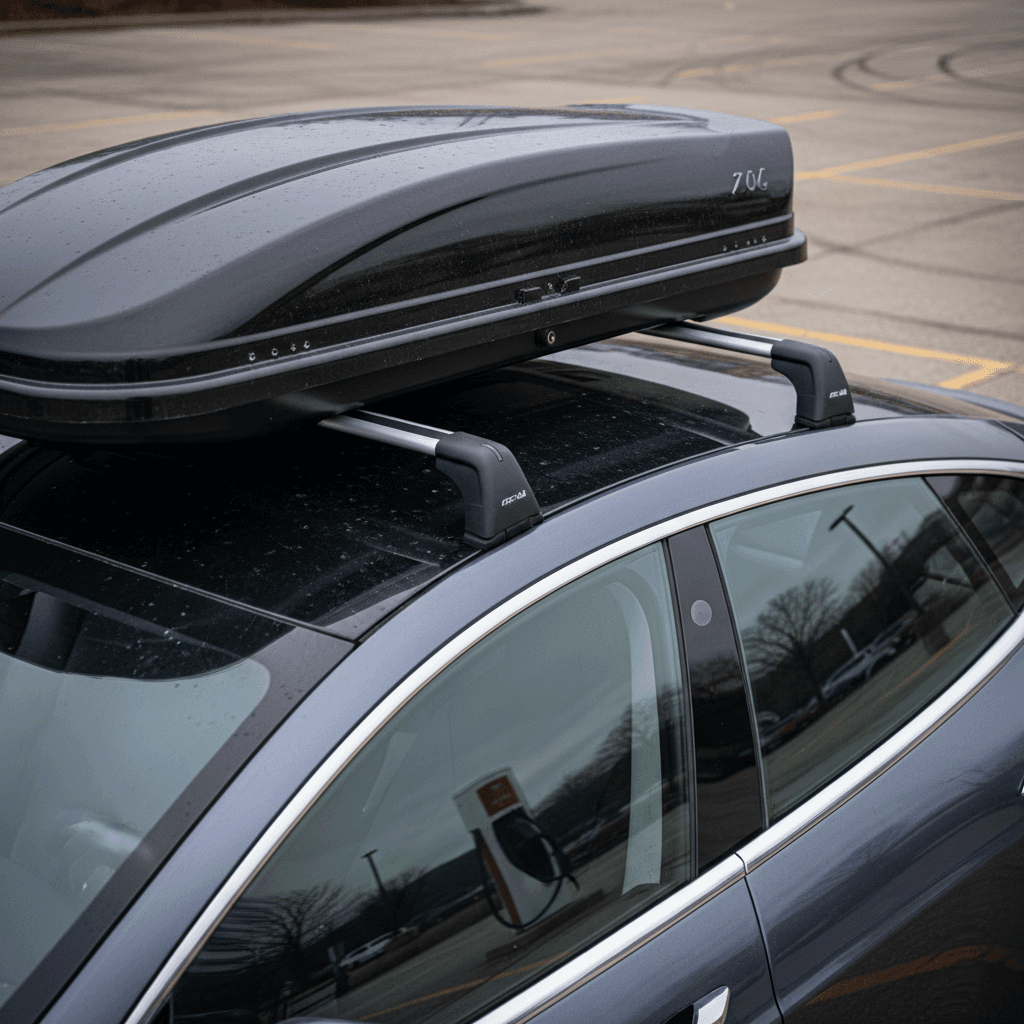
Picking the right rack isn’t just about how much it can carry, it’s about how well it was engineered for the Model S body and glass roof. A well‑matched system spreads loads through factory mounting points and minimizes wind noise and drag.
Key decisions when outfitting a Model S roof
Balance capacity, aerodynamics, and long‑term value.
Factory vs. aftermarket racks
- Factory Tesla bars: Designed for the Model S mounting points and glass roof, with clearly stated load limits.
- Reputable aftermarket: Choose brands that publish Model‑specific fit kits and capacity tables, not generic clamps.
- Avoid unknown brands: Lack of testing data can leave you guessing about real strength and compatibility.
Box, basket, or specialty carrier
- Roof box: Best weather protection and aerodynamics; heavier but quieter and more efficient at speed.
- Open basket: Lighter and flexible for odd‑shaped cargo, but more drag and noise.
- Dedicated ski racks: Light and low‑profile if you only haul skis or boards.
Think about storage when not in use
Safety best practices for loading a Model S roof
Staying under the number on the spec sheet is only one part of using a roof rack safely. How you pack and strap things down matters just as much, especially on a quiet, quick‑accelerating EV where loose loads can go unnoticed until they fail.
Model S roof rack safety checklist
Distribute weight evenly
Keep the heaviest items low and toward the center of the box. Avoid loading all the weight at the very front or back, which can stress mounts unevenly.
Secure and re‑check straps
Use all provided straps or tie‑downs, and stop after the first 20–30 minutes of driving to re‑check tension. Highway wind can loosen even good straps.
Stay within speed recommendations
Some rack and box makers recommend a maximum speed. Combine that guidance with your own comfort level, extra drag and crosswinds can make high‑speed lane changes feel different in a loaded Model S.
Mind parking garages
Measure the new overall height of your car with the box mounted. Low garages, hotel entries, and even some car washes can be off‑limits once you add a tall box.
Listen for new noises
Whistles, thumps, or rattles aren’t just annoying, they can signal loose hardware, overloading, or excessive flex in the rack system.
Inspect the glass and mounts
Regularly check the glass around mounting points for chips or stress marks, and inspect mounting hardware for rust, cracks or looseness.
Braking and handling feel different
Extra checks if you’re buying a used Tesla Model S
In the used market, a Model S that spent years as the family ski shuttle or camping rig might have lived with frequent roof loads. That’s not automatically bad, but you’ll want to inspect a few areas closely, especially if you’re buying online.
What to look for on a used Model S
- Roof glass condition: Check for chips, long scratches, spider cracks, or uneven tint near where crossbars mount.
- Door seals and trim: Look for distorted rubber seals or scuffed trim where racks or accessories may have rubbed.
- Paint wear under mounts: If the seller removed the rack for sale, there may still be marks or compressed paint at factory mounting points.
How Recharged helps buyers
Every EV on Recharged comes with a Recharged Score Report that focuses on battery health and overall condition. While the score is centered on the pack and high‑voltage system, our EV‑specialist team can also help you:
- Ask the right questions about prior roof rack use.
- Request detailed roof and glass photos.
- Understand how heavy use might affect long‑term value.
If you’re comparing multiple used Model S listings, our experts can walk you through trade‑offs in equipment, range and history, not just the roof rack story.
Leaning toward a used Model S?
Ready to find your next EV?
Browse VehiclesTesla Model S roof rack weight limit: FAQ
Frequently asked questions
Bottom line: how much can you really carry?
For most Tesla Model S owners, the practical answer is that your roof rack can safely carry a medium roof box or ski rack with a carefully packed 80–100 lbs of gear, as long as the total stays under the published dynamic limit for your specific car and rack. The limiting factor isn’t just strength, it’s the combination of glass‑roof engineering, aerodynamics, and how the car feels and stops with extra weight up high.
If you’re shopping for a used Model S to serve double‑duty as a family road‑trip machine, pay close attention to roof and glass condition, and plan your cargo strategy before you sign. And if you’d rather not make those trade‑offs alone, Recharged can help you compare used EVs, interpret battery health with the Recharged Score, and line up financing and delivery so that your next road trip, roof box or not, starts from a solid foundation.