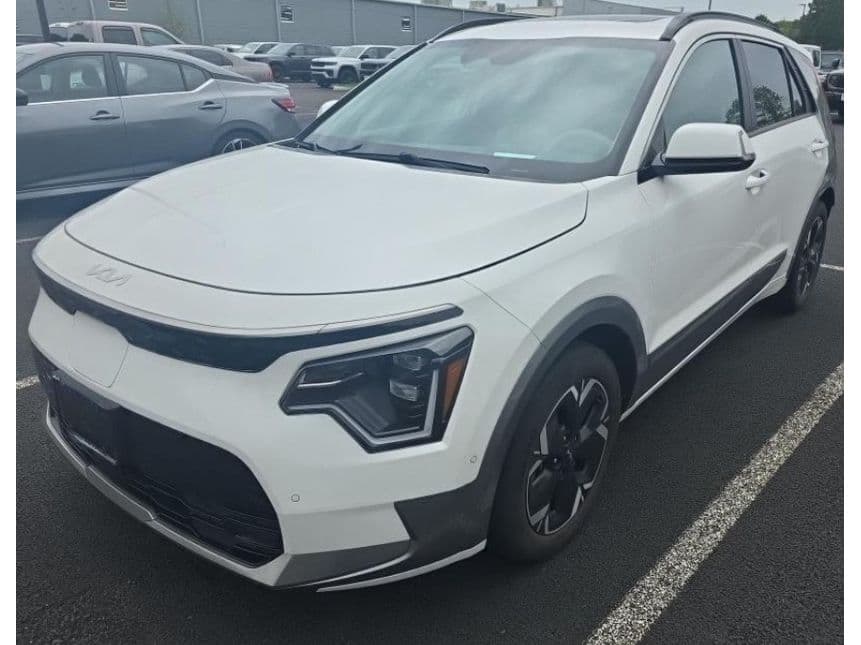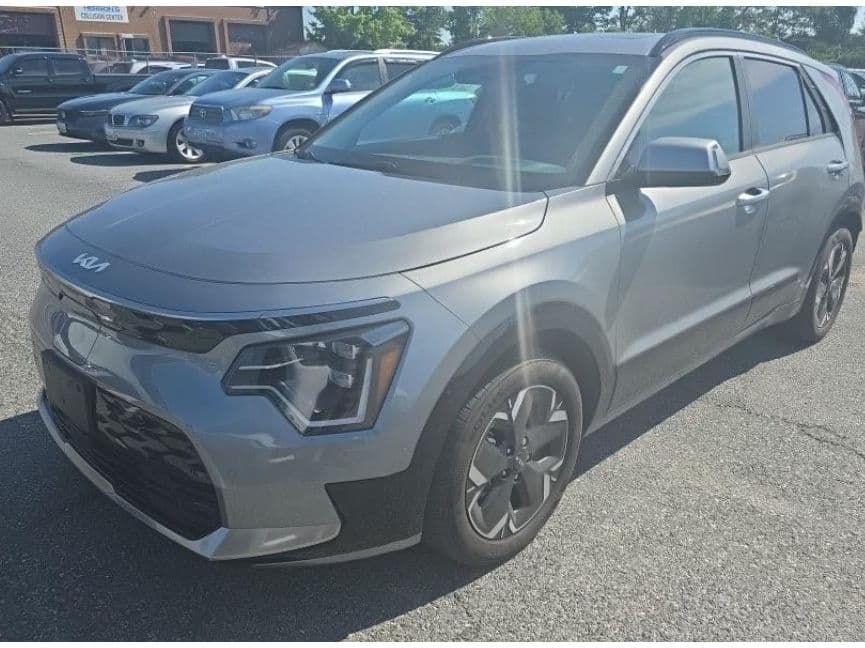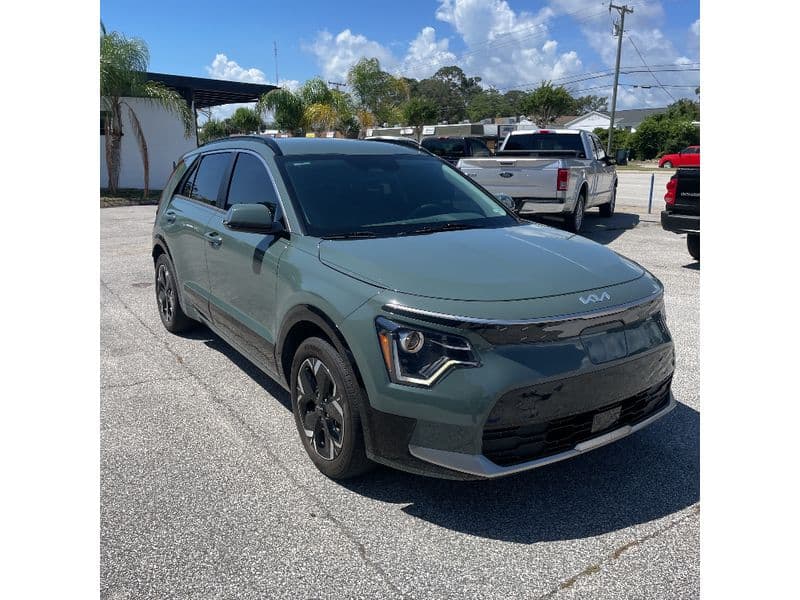
If you’re looking at a Kia Niro EV, you’re probably not just thinking about the sticker price, you’re asking what this thing really costs to live with for 5–10 years. The good news: among affordable electric crossovers, Kia Niro EV long term ownership cost is quietly one of the more reasonable stories on the market, especially if you’re willing to buy used and charge at home.
Quick take
Why Kia Niro EV ownership costs matter
Compact crossovers are the default American car now, and the Niro EV is Kia’s quietly competent electric entry: not flashy, not a drag-strip hero, but efficient, practical, and relatively affordable. That makes long-term cost especially important. Owners aren’t buying this to peacock in a valet line; they’re buying it to commute, run errands, and maybe drive it until the kids leave for college.
- Niro EV range is competitive (around 240–260 miles depending on model year), which keeps charging costs predictable.
- Kia’s 8-year/100,000-mile battery warranty takes some sting out of long-term battery anxiety.
- As an EV, the Niro avoids oil changes, exhaust systems, and many of the big-ticket maintenance items that clobber gas cars late in life.
To understand whether a Niro EV makes sense for you, you have to zoom out from the monthly payment and look at the full five- to ten-year picture: depreciation, charging, maintenance, insurance, and the battery itself.
Kia Niro EV 5-year cost to own at a glance
Estimated 5-year cost snapshot (new Kia Niro EV, ~15,000 mi/year)
About these numbers
Depreciation: what happens to value over time
Depreciation is where the Kia Niro EV both hurts you and, if you’re smart, can help you. On a new 2025 Niro EV, mainstream cost-to-own data suggests roughly $27,000–$28,000 in depreciation over five years, dropping the car’s value by about half from new over 75,000 miles.
Illustrative depreciation curve – new Kia Niro EV
Approximate resale value of a new Niro EV over time, assuming average mileage and condition.
| Age | Odometer | Approx. value (% of original MSRP) | What it means for you |
|---|---|---|---|
| Year 1 | 15,000 miles | ~70% | Biggest value hit happens as soon as you drive off the lot. |
| Year 3 | 45,000 miles | ~55–60% | Sweet spot for buying used: still under battery warranty, big depreciation already absorbed. |
| Year 5 | 75,000 miles | ~45–50% | Car is middle-aged but still within battery warranty for many owners. |
| Year 8 | 110,000+ miles | ~30–35% | Warranty nearing or past its limit; battery health and condition become critical. |
Your local market, incentives, and mileage can move these numbers up or down, but the overall curve, fast early, slower later, is typical.
How to use depreciation to your advantage
Where the Niro EV differs from a trendy luxury EV is in expectations. Nobody bought this car as a status symbol, which helps on the secondhand market. The buyers coming in after you are practical people looking for a solid commuter with cheap running costs, not a spaceship.
Charging costs: home vs public over 5–10 years
The Kia Niro EV is relatively efficient by EV standards, typically getting around 3.3–3.8 miles per kWh in real-world mixed driving. That efficiency is your secret weapon over a 5–10 year horizon.
Home charging vs public charging: what a Niro EV owner might spend
Assuming 15,000 miles per year for 5 years (75,000 miles total)
Mostly home charging
Assumptions
- Efficiency: 3.5 mi/kWh
- Electricity: $0.16/kWh (roughly current U.S. average for residential)
- 90% of miles charged at home, 10% on public DC fast charge
Estimated 5-year charging cost
- Home charging: about $3,400
- Public DC fast charging: about $1,000–$1,200
Total: ≈ $4,400–$4,600 over 5 years, roughly $900 per year.
Heavy public fast charging
Assumptions
- 50% of miles on public DC fast chargers
- Effective energy cost: 3x home electricity rate
Estimated 5-year charging cost
- Home portion: ≈ $1,900
- Public DC portion: ≈ $3,500–$4,000
Total: ≈ $5,400–$5,900 over 5 years, still usually cheaper than gasoline, but the savings shrink.
How this compares to gas
Over 10 years at 12,000–15,000 miles a year, the Niro EV’s fueling advantage compounds. Even with rising electricity rates, the math still tends to favor electrons, especially if you can plug in overnight on a reasonably priced residential plan or pair the car with rooftop solar.
Maintenance and repairs: where the EV pays you back
Here’s the part gasoline drivers underestimate. The Niro EV doesn’t need oil changes, spark plugs, timing belts, or exhaust work. Regenerative braking means brake pads often last twice as long as on a conventional crossover. Over 5–10 years, that’s not just convenience; it’s serious money.
Typical annual maintenance – Kia Niro EV vs gas compact SUV
High-level look at what you might spend each year once the car is out of its basic warranty window.
| Item | Kia Niro EV (annual est.) | Gas compact SUV (annual est.) |
|---|---|---|
| Oil & filter changes | $0 | $150–$250 |
| Brake service | $50–$100 (less frequent pads) | $150–$250 |
| Transmission service | $0 | $100–$200 |
| Filters & fluids | $100–$150 | $150–$250 |
| Misc. repairs | $150–$250 | $300–$500 |
| Estimated total | ≈ $300–$500 | ≈ $850–$1,400 |
Tires are similar for both; the big gap is in fluids and engine-related work the EV never needs.
Niro EV’s quiet superpower
The wear items you do need to plan for are tires (EVs are heavier and can be harder on rubber) and routine things like cabin air filters and brake fluid changes. But the nightmare line items that show up in aging gas cars, head gaskets, catalytic converters, transmission rebuilds, don’t exist here.
Insurance, taxes, and fees
Insurance is where EVs, including the Niro, still pay a bit of a premium. A new Niro EV can cost more to insure than a similarly sized gas Kia because of higher sticker prices and pricier collision repairs. Real-world estimates for a 2024 Niro EV with full coverage in the U.S. center around $1,700–$2,000 per year for a clean-driver, mid-30s profile.
Insurance: how to keep it in check
- Shop EV-friendly insurers; some now price EVs more competitively as repair data improves.
- Higher deductibles can shave premiums if you have cash reserves.
- Advanced safety features and telematics programs can earn discounts.
Taxes & registration
- Many U.S. states now charge an additional EV registration fee, often $100–$200 per year, to recoup fuel-tax revenue.
- On the flip side, local incentives, HOV access, or utility rebates can soften that blow, especially in EV-heavy states.
Insurance vs. fuel and maintenance
Battery health and replacement risk
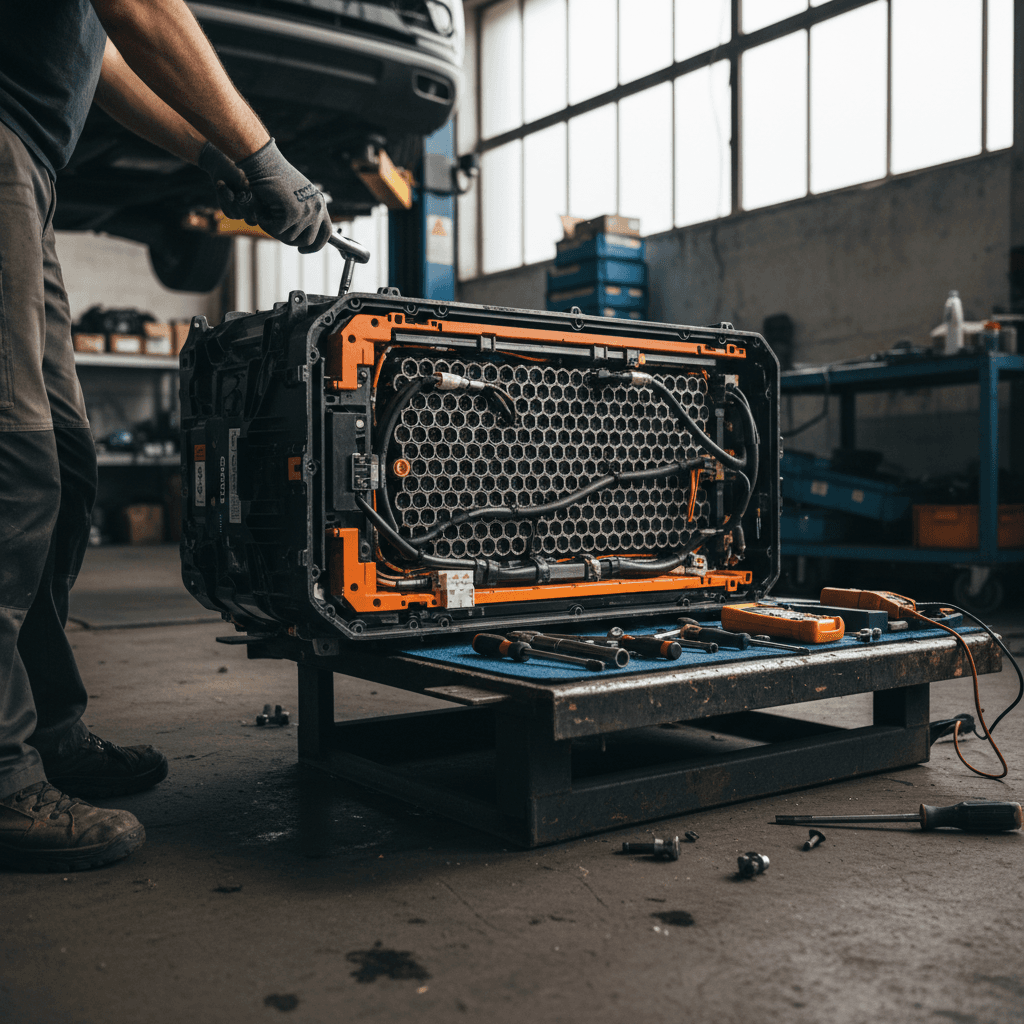
The existential question for any long-term EV owner: What happens if the battery dies? The Niro EV’s pack is covered by Kia’s 8-year/100,000-mile warranty for defects. Real-world EV data suggests that modern packs lose roughly 1–2% capacity per year in normal use, which translates to some range loss but not sudden death for most owners.
- Most Niro EV drivers will see their usable range gradually taper rather than fall off a cliff.
- A 10–15% range loss by year 8 is common for contemporary EVs under typical use; aggressive fast-charging and hot climates can accelerate that.
- Out-of-warranty pack replacement on any EV is still expensive, but costs are slowly dropping as battery prices fall.
The uncomfortable truth about pack replacements
This is where buying used can actually feel safer if you know what you’re looking at. A 3–5-year-old Niro EV with documented charge habits and a verified battery health report can give you a much clearer picture of how much real-world range you’re actually buying.
How Recharged helps de-risk battery health
Kia Niro EV vs gas compact SUV: long-term costs
So where does the Niro EV land versus a normal gas compact SUV, say a Kia Seltos or Hyundai Kona, in long-term cost? The answer depends on how you buy and how you charge, but some patterns are clear.
5-year ownership comparison – illustrative example
Approximate totals for a new Kia Niro EV vs a comparable gas compact SUV driven 15,000 miles per year.
| Category (5 years) | Kia Niro EV | Gas compact SUV |
|---|---|---|
| Fuel/Charging | ≈ $4,500–$5,500 | ≈ $8,000–$9,000 |
| Maintenance & repairs | ≈ $3,000–$4,500 | ≈ $5,000–$7,000 |
| Insurance | ≈ $8,500–$10,000 | ≈ $7,000–$9,000 |
| Depreciation | ≈ $27,000–$28,000 | ≈ $20,000–$24,000 |
| EV fees / state taxes | ≈ $500–$1,000 (extra EV fees) | Included in fuel taxes |
| Estimated total | ≈ mid–$60k | ≈ low– to mid–$60k |
Exact numbers will vary by market and incentives; this is a directional comparison to show where each vehicle wins or loses.
The trade: fuel + maintenance vs depreciation + insurance
Buying used: how to cut Kia Niro EV costs without taking the depreciation hit
If you’re playing the long game on cost, the most rational Niro EV is very often a used one. The early model years have already taken a major price haircut thanks to aggressive new-EV discounting and the usual “new tech” depreciation jitters.
Why a used Kia Niro EV can be a bargain
Especially if you pair it with verified battery health
You skip the steepest depreciation
Battery reality, not theory
Shorter payback period
How Recharged fits in
7 ways to lower your Kia Niro EV long-term costs
Practical moves that add up over 5–10 years
1. Prioritize home Level 2 charging
Home charging is usually 2–3x cheaper than public DC fast charging. If you can, install a 240V outlet or wallbox and program your Niro EV to charge during off-peak hours.
2. Drive like you paid for the electrons
Smooth acceleration, sensible speeds, and using Eco modes can push your efficiency above 4 mi/kWh. That’s effectively a permanent discount on every mile you drive.
3. Watch your tires
EVs chew through cheap tires. Invest in quality low-rolling-resistance rubber, keep them properly inflated, and rotate on schedule. It improves range and stretches tire life.
4. Be strategic with fast charging
Use DC fast charging when you need to, but don’t live there. It’s more expensive and harder on the battery. For daily life, Level 2 at home or work is your friend.
5. Shop insurance like it’s a car payment
Rates vary wildly between carriers for EVs. Get quotes from companies that explicitly understand EVs and bundle policies when it makes sense.
6. Stay ahead on basic maintenance
Brake fluid, coolant (when due), and cabin filters are cheap insurance. Skipping them can create much more expensive problems down the road, EV or not.
7. Buy with battery data, not just a Carfax
Especially when buying used, insist on a proper battery health readout. On Recharged, that’s baked into the Recharged Score, but wherever you shop, treat pack condition as seriously as mileage.
FAQ: Kia Niro EV long-term ownership costs
Frequently asked questions about Niro EV ownership costs
Bottom line: is the Kia Niro EV a smart long-term buy?
If you judge cars the way accountants do, over five to ten years, with everything on the table, the Kia Niro EV makes a quietly compelling case. It won’t outrun a Tesla or out-flex an off-road SUV, but it delivers low, predictable long-term ownership costs, especially when you buy used and charge at home.
New, the Niro EV’s extra depreciation and insurance can mostly cancel the fuel and maintenance advantage versus a gas crossover. Used, it’s a different story: you scoop up a big chunk of value for much less money, keep your running costs low, and sidestep most of the aging-gas-car drama. That’s where the car really shines, as a tool, not a toy.
If that sounds like your kind of math, your next move is simple: decide whether you want to let someone else pay for the steepest depreciation, then shop for a Niro EV with verified battery health. On Recharged, you can browse used Niro EVs, see a Recharged Score Report on every car, get financing lined up, and have your EV delivered to your driveway. That’s how you turn a sensible EV on paper into a sensible EV in your garage.