If you’re considering a Porsche Taycan, you’re not just buying an EV, you’re buying a six‑figure, high-performance luxury car. That means long-term ownership cost matters a lot more than a quick look at the MSRP. In this guide, we’ll unpack the real Porsche Taycan long term ownership cost in the U.S., from depreciation and electricity to maintenance, repairs, and insurance, and how buying a used Taycan can dramatically change the math.
What “cost to own” actually includes
Why Porsche Taycan long-term costs matter
The Taycan sits in an unusual spot. On one hand, it enjoys EV advantages, no oil changes, fewer moving parts, and lower energy costs than gas. On the other, it carries Porsche‑level pricing for parts, labor, and insurance, plus the added uncertainty of a relatively new EV platform. If you’re stretching for the payment, understanding total cost of ownership over 5–10 years is the difference between a rewarding experience and constant financial friction.
- MSRP for a new Taycan (2024–2025) commonly ranges from the high $80,000s to well into six figures with options.
- Five‑year depreciation alone can easily exceed $50,000 on a new example, even before you pay for energy, insurance, and maintenance.
- Used Taycans now sit in a very different price band, creating an opportunity for savvy buyers to let someone else pay the steepest depreciation.
Luxury EV = luxury costs (even with cheap electrons)
Five-year cost to own a Porsche Taycan: by the numbers
Third‑party ownership cost tools give us a good baseline. Kelley Blue Book’s cost-to-own model for a 2025 Porsche Taycan estimates a 5‑year total cost to own of about $127,000 on a new car, including roughly $64,000 in depreciation and around $63,000 in operating and financing expenses over those five years.
Illustrative 5‑year cost profile for a new Taycan
Those numbers are for a new Taycan at or near MSRP. If you’re looking at long‑term ownership, the picture looks very different if you buy a 2–4‑year‑old car after its steepest depreciation has already happened, exactly the segment where Recharged operates with used EVs and verified battery health.
Depreciation: how fast does a Taycan lose value?
Depreciation is the single biggest line item in Porsche Taycan long-term ownership cost, especially if you buy new. Like most luxury EVs, the Taycan has seen aggressive early depreciation due to rapid product updates, generous prior lease incentives, and a relatively small pool of buyers comfortable with six‑figure EVs.
Illustrative Taycan depreciation scenarios (simplified)
These are directional examples to show the shape of depreciation, not guaranteed resale values. Actual numbers depend on trim, options, mileage, and market conditions.
| Scenario | Purchase Price | Years Owned | Estimated Value Loss | Avg Annual Depreciation |
|---|---|---|---|---|
| New 2025 Taycan bought at $110,000, sold after 5 years | $110,000 | 5 | ≈$60,000–$70,000 | $12,000–$14,000 |
| Lightly used 2‑yr‑old Taycan bought at $75,000, sold after 5 more years | $75,000 | 5 | ≈$30,000–$40,000 | $6,000–$8,000 |
| High‑mileage 4‑yr‑old Taycan bought at $55,000, kept to year 10 | $55,000 | 6 | ≈$25,000–$30,000 | $4,000–$5,000 |
How your timing affects Taycan depreciation over 5–8 years.
Why used often wins for Taycan economics
What pushes Taycan values down
- Rapid tech updates (range, charging, infotainment)
- High original MSRPs with heavy options
- Leasing pushing ex‑lease cars into the used market
- EV incentives that apply only to new cars
What helps a Taycan hold value
- Clean history and meticulous maintenance
- Battery health with documented diagnostics
- Desirable specs (4S/GTS, Performance Battery Plus)
- Warranty remaining and recent software updates
Energy costs: charging a Taycan vs buying gas
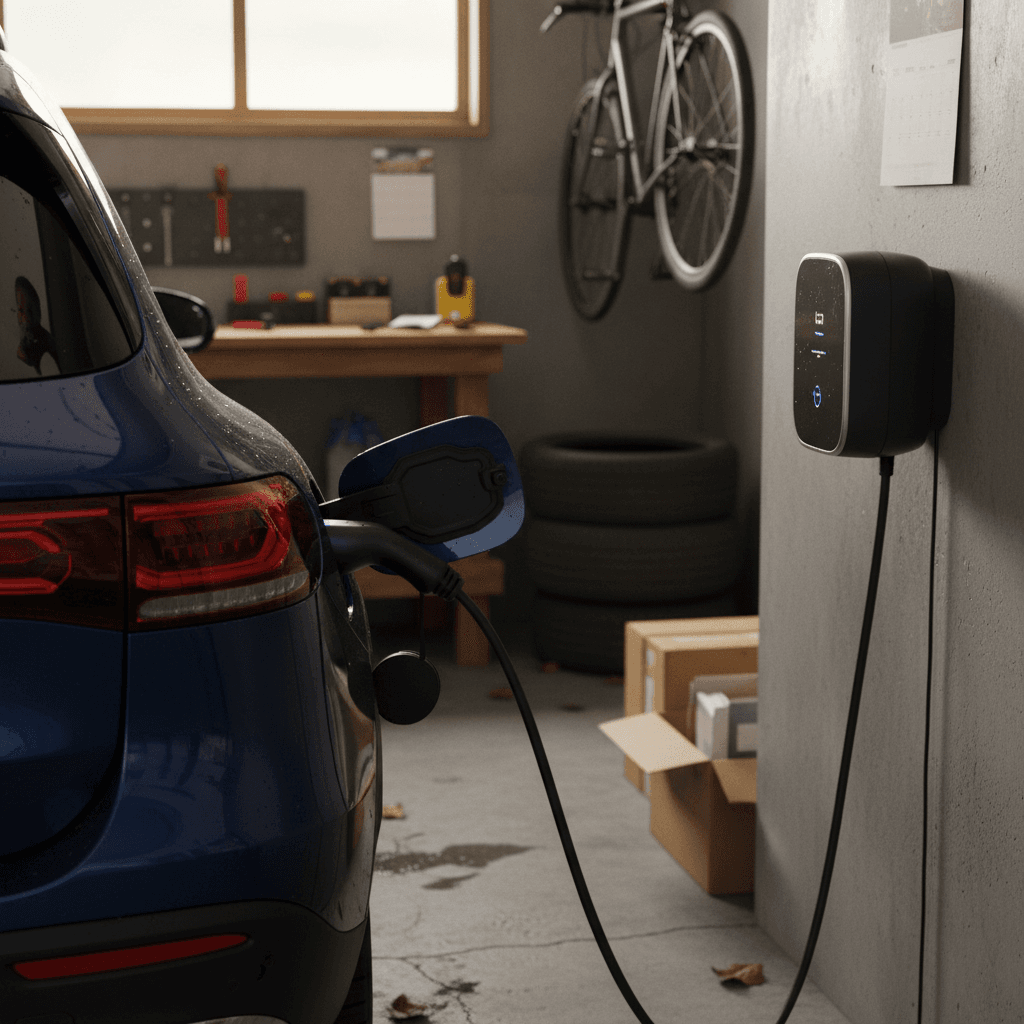
The good news is that energy cost is where the Taycan starts to pay you back. Real‑world efficiency varies by wheel size and driving style, but many owners see roughly 2.5–3.0 miles per kWh. At a U.S. residential electricity rate around $0.15/kWh, that’s roughly 5–6 cents per mile for home charging.
Sample annual energy cost comparison
Illustrative comparison for 12,000 miles per year. Your cost will depend on electricity rates, charging mix, and gas prices in your area.
| Vehicle | Energy Source | Assumptions | Approx. Cost per Year |
|---|---|---|---|
| Porsche Taycan (mostly home charging) | Electricity | 3.0 mi/kWh, $0.15/kWh, 90% home, 10% paid DC fast charging | ≈$650–$850 |
| Porsche Taycan (heavy fast charging) | Electricity | Mix of $0.15/kWh home and $0.40+/kWh DC fast charging | ≈$900–$1,300 |
| Comparable gas sports sedan | Gasoline | 20–22 mpg combined, $3.50–$4.00/gal, 12,000 miles/yr | ≈$1,900–$2,400 |
Taycan home charging vs a comparable gas sports sedan.
The flexibility, and risk, of public fast charging
Maintenance and repairs on a Taycan
Compared with a gas‑powered Porsche, the Taycan eliminates oil changes, spark plugs, exhaust systems, and many other wear items. But it’s still a complex, high‑performance German luxury car loaded with electronics, and Porsche labor rates and parts prices reflect that.
Typical Taycan maintenance & wear items
Not an official service schedule, these are common line items Taycan owners are likely to see over a 5–8 year horizon.
| Item | Typical Interval | Notes on Cost |
|---|---|---|
| Tires | 20,000–30,000 miles (often less with aggressive driving) | High‑performance EV tires can easily run $1,600–$2,500+ per set installed. |
| Brake fluid service | Every 2 years | Standard Porsche service; a few hundred dollars at a dealer is typical. |
| Cabin air filters | 1–2 years | Relatively minor cost, similar to other luxury cars. |
| Wiper blades, minor hardware | As needed | Standard wear items; price similar to other Porsches. |
| High‑voltage coolant / thermal system service | Multi‑year | Intervals and pricing vary; often bundled with larger services. |
| Out‑of‑warranty electronic repairs | As needed | Infotainment, sensors, or module replacements can run into four figures. |
Where Taycan maintenance dollars actually go.
Known issues and recalls to be aware of
Independent cost models for earlier Taycan model years suggest that 5‑year maintenance plus repairs on a new Taycan can land in the low‑ to mid‑five‑figure range, depending on mileage. That’s still generally lower than an equivalent gas Porsche over the same period, but meaningfully higher than a mainstream EV from Hyundai, Tesla, or Chevrolet.
Insurance, taxes, and fees
Insurance is where the Taycan looks less like an EV and more like what it is: a very fast, very expensive European sports sedan. Premiums in the U.S. vary substantially by state, driver profile, and carrier, but it’s not unusual to see high four‑figure annual premiums for well‑optioned Taycans, especially for newer model years.
Why Taycan insurance is expensive
- High replacement value and expensive bodywork
- Advanced sensors and ADAS hardware embedded in bumpers and glass
- Performance potential that pushes it into higher‑risk categories
- Luxury brand positioning and repair network
What you can control
- Shopping multiple carriers and EV‑friendly insurers
- Higher deductibles if you can comfortably handle small claims
- Telematics / safe‑driver programs (where available)
- Choosing trims and wheel/tire packages that are less costly to repair
On top of insurance, add registration, property tax (in states that levy it), and financing interest. Over 5 years, those non‑energy “overhead” costs can easily rival or exceed what you spend on electricity.
Battery health, warranty, and long-term risk
Battery packs are the single most expensive component in any EV, and the Taycan is no exception. Porsche backs the high‑voltage battery with an 8‑year/100,000‑mile warranty in the U.S., which covers defects and excessive capacity loss. That dramatically reduces financial risk during the first ownership cycle, but if you’re looking at a 7‑ or 8‑year‑old Taycan or planning to keep one a decade, you need a clear view of battery health.
How Taycan battery health typically behaves
This is where a used‑EV‑specific inspection makes a real economic difference. At Recharged, every vehicle comes with a Recharged Score and a battery health report that quantifies usable capacity and fast‑charging history, so you’re not guessing about how much of the original range you’re actually buying, or how soon you might face an expensive battery‑related repair.
New vs used Taycan: which has better economics?
A new Taycan maximizes warranty coverage and spec choice, but it also maximizes depreciation. A carefully chosen used Taycan often offers a far lower total cost to own with only marginal compromises in range or performance, especially now that 2020–2022 cars are common in the used market.
New vs used Taycan: long‑term cost tradeoffs
Two very different ways to experience the same car.
Buying new
- Pros: Full factory warranty from day one, latest hardware/software, your exact spec and color.
- Cons: Highest upfront price, steepest first‑owner depreciation, higher insurance cost, sales tax on full MSRP.
Buying used (2–4 years old)
- Pros: 20–40% lower purchase price common, much flatter future depreciation curve, lower insurance, still within battery warranty.
- Cons: Less control over options, potential for prior fast‑charging abuse, need to verify battery health and recall completion.
Where Recharged fits into the picture
Ready to find your next EV?
Browse VehiclesHow to lower your Taycan long-term ownership costs
Practical ways to shrink Taycan total cost of ownership
1. Let someone else pay early depreciation
Target 2–4‑year‑old Taycans with solid service history and remaining battery warranty. This alone can cut your depreciation cost per year nearly in half compared with buying new.
2. Prioritize battery health over paint and wheels
A healthy pack is worth far more than a rare color or wheel option. Ask for a battery health report and charging history; at Recharged, that’s built into the Recharged Score.
3. Charge mostly at home on a stable rate plan
Set up Level 2 home charging if you can, and explore off‑peak or EV‑specific electricity plans. The closer you stay to home rates, the cheaper your cost per mile.
4. Avoid oversized wheels and ultra‑sticky tires
They look great, but 21‑inch tires with ultra‑soft compounds wear faster and cost more to replace. Slightly smaller wheels and touring‑oriented rubber can lower annual tire spend.
5. Shop insurance like you shop APRs
Get quotes from multiple carriers, especially those with EV experience. Ask how ADAS features and safe‑driver programs affect premiums for high‑value EVs like the Taycan.
6. Stay on top of software and recall campaigns
Regular software updates can improve charging behavior, efficiency, and reliability. Confirm that recalls and service campaigns are up to date before you buy and throughout ownership.
The expensive way to own a Taycan
FAQ: Porsche Taycan long-term ownership costs
Frequently asked questions
Bottom line: is a Porsche Taycan worth it long term?
The Porsche Taycan delivers one of the most compelling driving experiences in the EV world, but it does not magically escape the economics of a six‑figure German luxury car. Long‑term ownership costs are dominated by depreciation, insurance, and tires, with energy and routine maintenance playing a much smaller role than in a gas car. If you want the experience without the steepest financial hit, the sweet spot is a carefully vetted used Taycan with verified battery health, clean history, and remaining warranty.
That’s exactly the segment where Recharged is focused: used EVs with transparent battery diagnostics, fair market pricing, and EV‑specialist support from financing to nationwide delivery. If you approach the Taycan with clear eyes about long‑term costs, and you buy the right car at the right point on the depreciation curve, it can be both an emotional purchase and a surprisingly rational one.