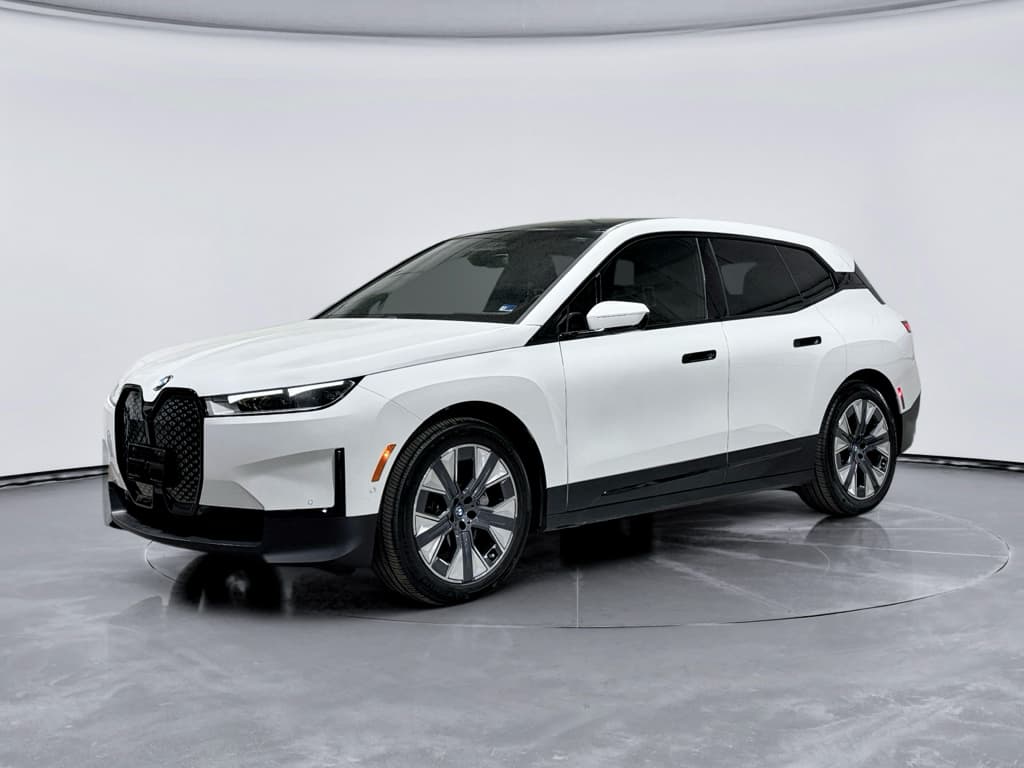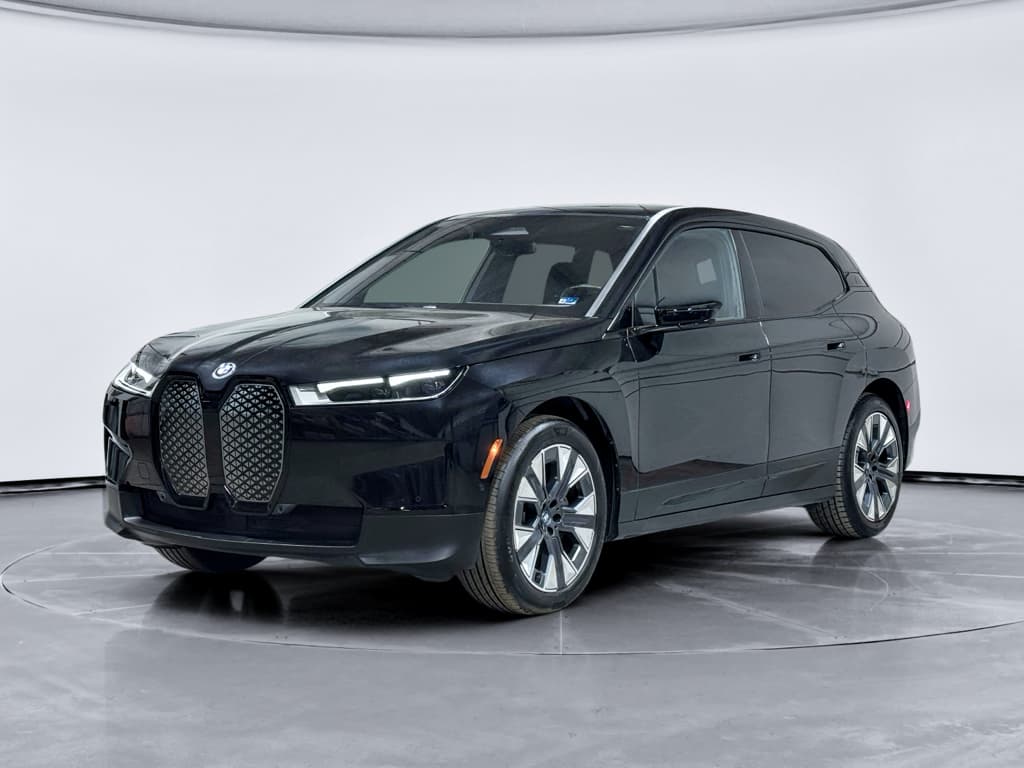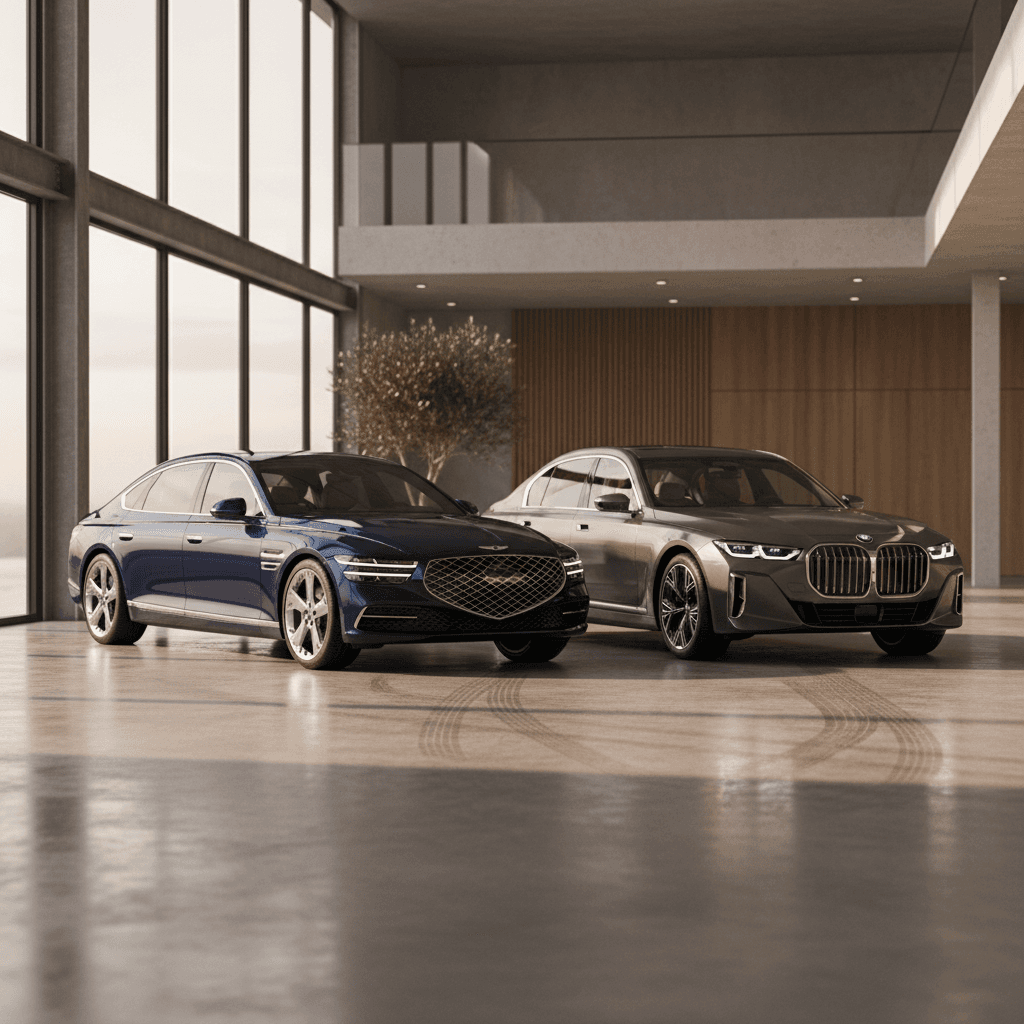
If you’re cross-shopping the Genesis Electrified G80 vs BMW i7, you’re not just buying an EV. You’re buying a rolling first-class lounge with a plug. Both cars promise limousine comfort and silent, instant torque, but they go about it in very different ways, and one of them has already quietly left the U.S. stage.
Context check
Genesis Electrified G80 vs BMW i7: who are these cars for?
Think of the Electrified G80 as an old-school luxury sedan that happened to wake up one morning fully electric. It’s based on the gas G80, so the driving position, proportions and cabin feel are familiar and understated. The BMW i7, by contrast, is an unapologetic flagship showcase, huge footprint, dramatic styling, and enough ambient lighting to land a small plane.
Which luxury EV fits your personality?
Both are excellent; they just speak different dialects of luxury.
Genesis Electrified G80
- Vibe: Under-the-radar, old-money calm.
- Best for: Drivers who want classic sedan proportions and serenity without being noticed.
- Buying mode: Primarily used in the U.S. now, which can mean strong value if you shop carefully.
BMW i7
- Vibe: Tech palace on wheels.
- Best for: Buyers who want to make a statement, or who regularly use the back seat like a boardroom.
- Buying mode: Widely available new and used, with multiple trims and battery options.
Quick recommendation
Key specs: Genesis Electrified G80 vs BMW i7
Headline specs comparison
Approximate U.S.-relevant specs for popular versions of each car.
| Spec | Genesis Electrified G80 (dual-motor) | BMW i7 xDrive60 (dual-motor) |
|---|---|---|
| Power | ~365 hp dual-motor AWD | ~536 hp dual-motor AWD |
| Battery capacity | ~87 kWh usable (around 90+ kWh total) | ~102 kWh usable (approx.) |
| EPA-estimated range | Around 280 miles (varies by wheel/tire) | Around 310–320 miles (wheel-dependent) |
| 0–60 mph | Mid 4-second range | Low 4-second range |
| DC fast-charge peak | Around 187 kW (800V architecture) | Around 195 kW |
| Length | G80-sized, smaller than i7 | Stretched full-size flagship (over 212 in) |
| Drivetrain | Standard AWD | RWD (eDrive50) or AWD (xDrive60, M70) |
| U.S. status | Discontinued new; used only | Ongoing production; new and used |
Always verify exact specs for the specific model year and trim you’re considering.
Big-picture numbers that shape ownership
Performance and driving feel
Genesis Electrified G80: quiet confidence
The Electrified G80 uses a dual-motor all-wheel-drive setup around 365 horsepower. On paper that’s modest for this class, but in practice it feels more than quick enough. Instant electric torque gets you off the line crisply, and passing power at highway speeds is effortless.
The chassis tuning leans toward comfort-first. Steering is light but accurate, body motions are well controlled, and the whole car feels smaller than it is. Because Genesis converted a gas platform, the driving position and sightlines are more traditional, familiar if you’re coming from an E-Class or 5 Series.
BMW i7: effortless thrust, extra mass
The i7, particularly in xDrive60 guise, is a different animal. With around 536 horsepower from its dual motors, it serves up a substantial shove whenever you toe the accelerator. Rear-wheel steering helps shrink the car around you in tight city streets and parking garages.
Ride quality is very good, especially on air suspension, but you do feel the sheer size and weight more than in the Genesis. The i7 is a large statement piece; the G80 is a tailored suit. Both are quick, but BMW leans into drama more overtly.
Mind the wheels
Range, battery and charging
On paper, the BMW i7 generally outruns the Electrified G80, but both are more than adequate for typical executive duty cycles, airport runs, commuting, client lunches, and the occasional 200-mile blast up the interstate.
- Electrified G80: usable battery just under 90 kWh and real-world range in the high-200-mile neighborhood when driven sensibly.
- BMW i7: roughly 100+ kWh of usable capacity and EPA figures around or just above 300 miles depending on trim and wheels.
- Both support DC fast charging in the mid- to high-100-kW range, going roughly 10–80% in about half an hour under ideal conditions.
- The Genesis rides on an 800V electrical architecture, which in theory can enable excellent fast-charging performance when you find a strong charger.
Home charging reality
Interior luxury, tech and comfort
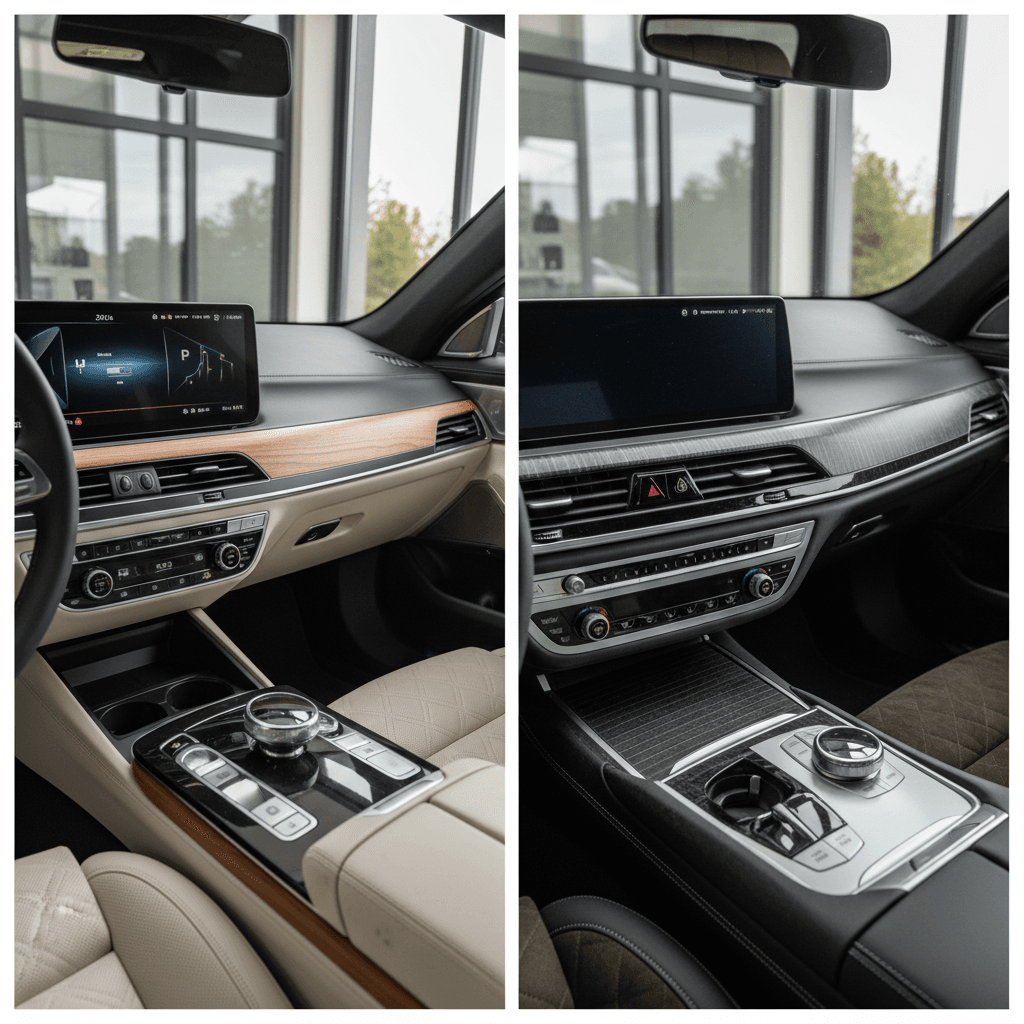
This is where philosophies truly diverge. The Electrified G80 feels like a beautifully tailored, slightly conservative lounge, rich materials, tasteful shapes, and a design that will age gracefully. The BMW i7 is a concept car that made it to production: dazzling ambient light bars, massive curved screens, and, if equipped, a rear-seat theater screen that drops from the roof like a movie prop.
Cabin character: Analog calm vs digital theater
Both are luxurious, but they scratch different itches.
Genesis Electrified G80 cabin
- Design: Horizontal, airy dash with a single main screen and physical controls where you want them.
- Materials: High-end leathers, tasteful wood and metal, restrained color palettes.
- Vibe: Quiet, almost Scandinavian in its calmness. You don’t feel like you’re sitting in a computer.
BMW i7 cabin
- Design: Curved dual screen up front, interactive light bars, crystal controls on some trims.
- Tech: Optional 31-inch rear theater display, 5G connectivity, and deep driver-assistance feature menus.
- Vibe: High-tech lounge meets night club. You’re aware you’re in the flagship.
Noise, vibration and harshness
Rear seat and chauffeur duty
If you, or the person signing the checks, spends a lot of time in the rear seat, the BMW i7 pretty clearly takes the win. Its long wheelbase, optional reclining rear seats and available theater screen turn the back into a legitimate workspace or entertainment pod.
Rear-seat priorities checklist
1. Legroom and headroom
The i7’s larger footprint translates directly into more stretch-out space in back. The G80 is comfortable, but not limo-like.
2. Seating adjustments
Look for rear-seat power recline, heating and ventilation if you’ll often be driven. The i7’s options list here is much deeper than the Genesis’.
3. Tech and entertainment
Rear climate control, sunshades and screens matter on long rides. BMW’s optional theater display is in a different league from the G80’s more conventional setup.
4. Quiet and ride quality
Both ride very well, but wheel choice, tire spec and suspension options dramatically change the experience. Avoid the stiffest setups if comfort is king.
Pricing, depreciation and value
Because the Electrified G80 is no longer sold new in the U.S., any comparison today is mostly new BMW i7 versus used Genesis, and, increasingly, used i7s as early cars hit the secondary market.
Electrified G80: stealth bargain potential
New, the Electrified G80 lived in the $75,000+ range in the U.S. Today, modest sales and discontinuation mean used examples can often be found at a substantial discount versus original MSRP. That early depreciation is painful for first owners but attractive if you’re buying now.
Because this is still a low-volume, high-content luxury sedan, you’ll want to pay close attention to warranty coverage, battery health and service history. A strong example can feel astonishingly expensive for the money.
BMW i7: expensive but currently supported
The i7 comes in above the Genesis on price when new, well into six figures for a nicely specified xDrive60, and more for the high-performance variants. Used pricing is dropping as more cars leave leases, but it’s still a costly proposition to buy and maintain.
The flip side is ongoing support, active updates and a broad dealer network. If you’re planning to keep the car for many years and value long-term parts and software support, that has real value.
Luxury EV reality check
Living with them daily
When you strip away the spec sheets and light shows, the daily-driver question is simple: which car will make your commute, errands and road trips less stressful and more pleasant?
- Size and parking: The Electrified G80 is easier to thread through old-city parking garages and tight driveways. The i7’s sheer bulk can feel like piloting a luxury yacht downtown.
- User interface: Genesis leans on simpler menus and more physical controls; BMW buries a lot of functionality in deep iDrive layers. Some owners love the configurability; others just want a volume knob.
- Charging habits: If you have a home Level 2 charger, both are easy to live with. If you rely on public charging, the i7’s extra range gives you a little more scheduling flexibility.
- Image and attention: The G80 flies under the radar; valets may not even clock that it’s electric. The i7 announces itself loudly, especially in bold color and trim combinations. Decide how much attention you actually want.
Which should you buy, new or used?
Because of the Electrified G80’s discontinuation and the i7’s ongoing production, your decision tree is really about how you want to buy as much as which badge you prefer.
Choosing between Electrified G80 and BMW i7
Value-focused luxury buyer
Target a low-mile Electrified G80 with remaining factory warranty.
Prioritize verified battery health over options like panoramic roofs or premium audio.
Budget for out-of-warranty repairs; these are complex cars even if the powertrain is EV-simple.
Consider a lightly used i7 eDrive50 if you want BMW cachet at a lower upfront price.
Tech- and status-oriented buyer
Lean toward a newer BMW i7 with the features you’ll actually use, rear theater, driver-assist, top audio.
If you’ll be chauffeured, stretch for the best rear-seat package you can reasonably afford.
Stay current with over-the-air updates and software features; they’re a big part of the i7 experience.
Consider leasing to let BMW absorb the heaviest years of depreciation.
Long-term keeper
Look for the simplest configuration that still feels special, fewer gizmos usually means fewer headaches long term.
Have any candidate car inspected by an EV-savvy specialist for suspension wear, tires and prior body repairs.
Confirm charging habits and infrastructure near you; home Level 2 is almost mandatory at this level.
If you’re uneasy about a discontinued model, the i7’s ongoing support is the calmer choice.
How Recharged can help with a used luxury EV
Shopping for a used Electrified G80 or BMW i7 is not like picking up a used compact crossover. You’re dealing with complex electronics, big battery packs and owners who may, or may not, have treated the car like fine crystal. That’s where a transparent, EV-focused marketplace helps.
Buying a used flagship EV with confidence
What Recharged brings to the table when you’re eyeing an Electrified G80 or i7.
Verified battery health
Pricing you can sanity-check
End-to-end guidance
Try before you commit
Ready to find your next EV?
Browse VehiclesFrequently asked questions: Electrified G80 vs BMW i7
Genesis Electrified G80 vs BMW i7 FAQ
Bottom line: Genesis Electrified G80 vs BMW i7
Seen in isolation, the Genesis Electrified G80 is a deeply likeable car: quiet, beautifully finished and reassuringly normal to drive. The BMW i7 is the opposite of normal; it’s a rolling technology manifesto, and that’s precisely the point. One whispers, the other performs a light show.
If you value subtlety, traditional proportions and strong value on the used market, the Electrified G80 deserves a test drive, especially with a verified battery health report in hand. If you want the latest tech, maximum rear-seat pampering and the confidence that comes with a still-current flagship, the i7 is where you’ll likely land.
Either way, treat these cars like the serious investments they are. Take the time to scrutinize battery health, ownership costs and how you’ll actually use the car day to day. And if you’d rather have an EV specialist help you separate the quiet bargains from the quiet money pits, that’s exactly what Recharged was built to do.