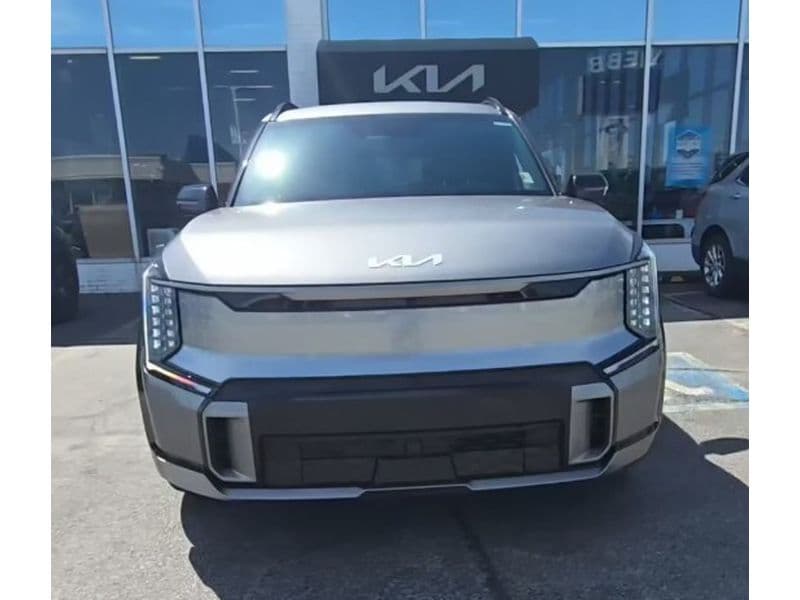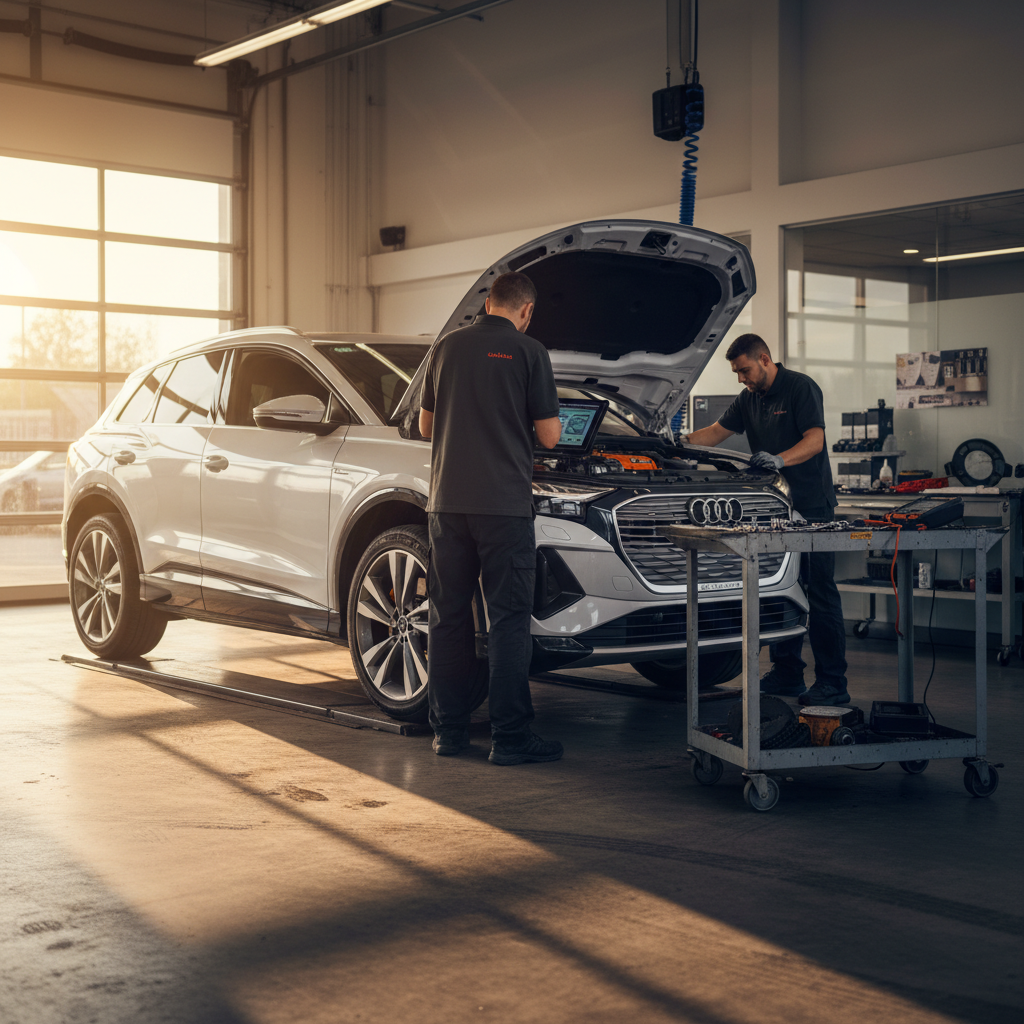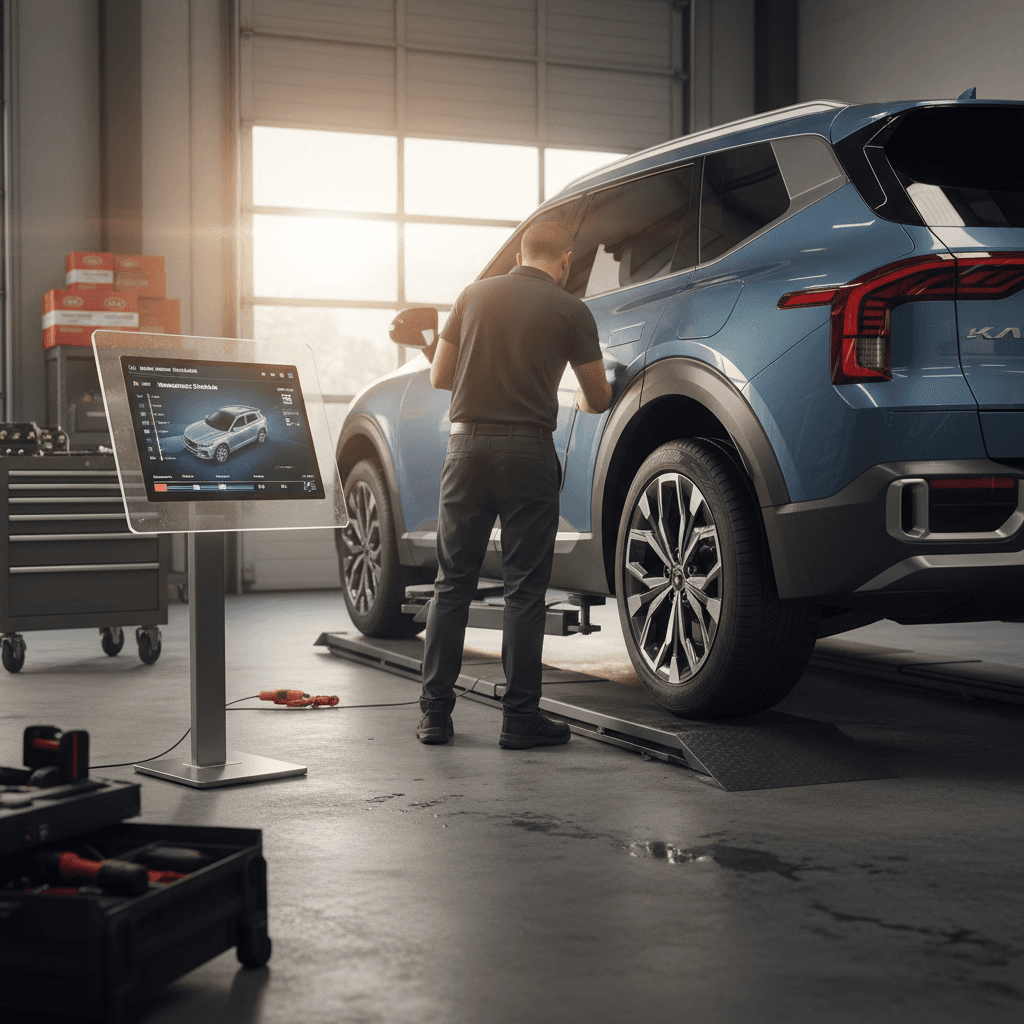
The Kia EV9 maintenance schedule is a lot lighter than what you might be used to with a gas SUV, but it’s not “maintenance‑free.” If you want to protect your warranty, battery, and resale value, you still need to hit some key services at specific mileage and time intervals.
Official schedule vs. real‑world experience
Why Kia EV9 maintenance still matters on an EV
Because the EV9 is electric, you’ve eliminated oil changes, spark plugs, timing belts, and most of the wallet‑draining services that come with a large gas SUV. But you still have brakes, tires, fluids, suspension, and a complex high‑voltage system that all need periodic attention.
- Regenerative braking means pads can last longer, but brake fluid still absorbs moisture over time.
- The EV9 is heavy, so tires and suspension components work harder than on a compact EV.
- High‑voltage coolant and brake fluid have specific replacement intervals in Kia’s EV manuals.
- Kia (and future buyers) expect to see a service history that broadly matches the factory schedule.
Think “inspection” more than “repair”
Kia EV9 maintenance schedule overview (USA)
Kia structures the EV9 maintenance schedule around miles or time, whichever comes first. You’ll see two main patterns in Kia’s EV schedules and dealer guidance for models like the Niro EV and EV6, which Kia has started to mirror on the EV9:
Typical Kia EV9 interval patterns
Exact numbers vary slightly by market and model year, always verify against your owner’s manual.
Every 8,000 miles or 12 months
- Tire rotation
- Brake and suspension inspection
- Visual check of high‑voltage components
- Multi‑point inspection and software updates
Longer‑interval fluid changes
- Brake fluid around 48,000 miles or 48 months
- Coolant around 120,000 miles or 120 months on Kia EVs
- Reduction gear oil inspected, rarely replaced early
Always defer to your exact manual
How EV maintenance differs from gas SUVs
Kia EV9 maintenance by mileage and time
Here’s how a typical Kia EV9 maintenance schedule looks in practice. Again, verify against your manual, but this will get you very close and help you plan ownership costs.
Illustrative Kia EV9 maintenance schedule (normal driving, U.S.)
Use this as a directional guide. For warranty claims, Kia will use the schedule printed for your specific EV9.
| Interval | Key services | Notes |
|---|---|---|
| Every 8,000 mi or 12 months | Tire rotation; inspect brakes, steering, suspension, driveshaft boots; check brake fluid and coolant levels; cabin air filter inspection; multi‑point inspection | Baseline visit many dealers label as 8k/12‑month EV9 service. |
| Every 16,000 mi or 24 months | Repeat 8k‑mile checks; replace cabin air (climate control) filter as needed; inspect reduction gear fluid | Cabin filter replacement is usually every 24k miles on Kia EVs but dealers may do it sooner in dusty climates. |
| Around 24,000–32,000 mi | Inspect reduction gear fluid again; re‑check suspension bushings, ball joints, and tires | Usually inspection only unless there’s a leak or abnormal wear. |
| 48,000 mi or 48 months | Replace brake fluid; rotate tires; detailed brake pad/rotor inspection; all prior checks | On many Kia EVs, 48k/48 months is the first required brake‑fluid replacement. |
| 60,000–75,000 mi | Repeat 8k/16k inspections; possible pad/rotor replacement depending on driving; check alignment | Heavy highway driving or towing can accelerate tire and brake wear. |
| 120,000 mi or 120 months | Replace EV coolant; inspect high‑voltage system, reduction gear fluid; comprehensive inspection | Kia’s EV manuals often call for first coolant change at 120k mi or 10 years, then more frequently. |
| 144,000 mi and beyond | Second coolant replacement; repeat brake fluid every 48k/48 months; continued 8k checks | By this point, resale value and battery health history really matter. |
Mileage OR time interval, whichever you reach first, triggers the service.
Severe‑service vs. normal schedule
High‑voltage battery and EV‑specific service
The EV9’s big high‑voltage battery doesn’t have a simple “replace at X miles” line in the schedule. Instead, Kia focuses on monitoring and cooling to maintain battery health over time.
- High‑voltage system inspections at regular service visits, technicians visually inspect orange‑cabled components and check for warning codes.
- Battery health monitoring through onboard diagnostics; some dealers can print a state‑of‑health report on request.
- Coolant system inspections to ensure the battery and power electronics are being cooled properly.
- Software updates that can fine‑tune charging behavior and thermal management.
How to be kind to your EV9 battery
Brakes, tires, and rotations on the EV9
The Kia EV9 is a big three‑row SUV, and it’s heavy even by EV standards. That puts a lot of demand on tires and brakes, even though regenerative braking helps pad life.
What to expect from EV9 brakes and tires
Intervals are averages, your driving style and roads matter a lot.
Tire wear
- Rotate every ~8,000 miles to even out wear.
- Many owners see 25,000–40,000 miles on the original set.
- Heavier towing or aggressive driving can shorten that significantly.
Brake wear
- Pads can last well beyond 50,000 miles thanks to regen.
- Rotors can rust if the car sits or regen is used exclusively.
- Have the friction brakes exercised occasionally, especially in wet, salty climates.
Don’t ignore brake inspections just because it’s an EV
Coolant and brake fluid intervals
Two fluids really matter on the Kia EV9: high‑voltage coolant and brake fluid. You won’t touch engine oil or transmission fluid the way you would on a gas SUV, but these still have real time/mileage limits.
Brake fluid
- Typical Kia EV guidance: replace every 48,000 miles or 48 months, whichever comes first.
- Brake fluid is hygroscopic, it absorbs moisture from the air, which lowers boiling point and can corrode internal components.
- On a used EV9, if you don’t know when it was last done and the vehicle is ~4 years old, plan to replace it.
High‑voltage coolant
- Kia EV manuals commonly call for first coolant replacement around 120,000 miles or 120 months.
- After that, the interval shortens, often every 24,000 miles or 24 months.
- This should be done by a shop that understands EV cooling loops and bleed procedures, typically a Kia dealer or EV specialist.
Don’t DIY high‑voltage coolant or brake bleeding
What you can DIY vs. what needs a dealer
One frustration EV9 shoppers often mention is distance to a Kia dealer. The good news is, you can handle some line items yourself as long as you document them. Others are best left to Kia or a trusted EV shop.
EV9 DIY vs. dealer service guide
DIY: Tire pressure and rotations (if equipped)
Checking tire pressures monthly is easy, and if you’re comfortable with a jack, you can rotate tires at ~8,000‑mile intervals. Keep receipts for any shop that does the rotations so you have a paper trail.
DIY: Cabin air filter replacement
The climate control (cabin) filter is usually accessible behind the glovebox. Swapping it every ~24,000 miles keeps the HVAC breathing freely, especially if you drive in dusty or urban areas.
DIY: Visual inspections
You can periodically check for uneven tire wear, look for any obvious leaks, inspect wiper blades, and listen for suspension clunks. Note dates and mileage in a log.
Dealer/EV shop: Brake fluid changes
Flushing and bleeding the EV9’s brake system is not a beginner DIY task. This is one area where paying a professional every 4 years is cheap insurance.
Dealer/EV shop: Coolant and high‑voltage work
Any work involving orange‑cabled components, battery, or EV coolant should go to someone trained on high‑voltage safety, usually a Kia dealer.
Dealer/EV shop: Warranty and recall visits
For software updates, recalls, and warranty repairs, you’ll want a Kia store involved. These visits also create manufacturer‑verified records for future resale.
Service records, warranty, and resale value
Kia’s EV warranties are generous, but like any manufacturer, they expect you to follow the maintenance schedule in spirit, if not exactly to the day. That’s doubly true if you ever need a big‑ticket battery or high‑voltage warranty claim approved.
- Keep every invoice, even for simple tire rotations or brake inspections.
- If you do DIY work, write down the date, mileage, and part numbers, and keep receipts.
- Make sure the odometer mileage on shop invoices is accurate and legible.
- If you bought an EV9 that included a Kia maintenance plan as part of a reservation or lease offer, confirm it’s attached to your VIN in Kia’s system early, don’t wait until the first 8,000‑mile visit.
How this helps when you sell or trade
Ready to find your next EV?
Browse VehiclesHow much does Kia EV9 maintenance really cost?
With no oil changes or spark plugs, your recurring Kia EV9 maintenance costs are mostly limited to inspections, rotations, and a few fluid services over time. For a U.S. driver following normal‑service intervals, a realistic ballpark looks like this:
Typical Kia EV9 maintenance cost ranges (independent & dealer mix)
Actual prices vary by region and dealer. These estimates assume U.S. labor rates and no major repairs.
| Service | When | Approx. cost |
|---|---|---|
| 8k/12‑month inspection + rotation | Every 8,000 mi or 12 months | $80–$200 |
| Cabin air filter (if not bundled) | ~24,000 mi or as needed | $40–$120 |
| Brake fluid flush | ~48,000 mi or 4 years | $150–$300 |
| Coolant replacement | ~120,000 mi or 10 years | $300–$600 |
| Tires (full set, installed) | 25,000–40,000 mi typical | $900–$1,600 depending on brand and wheel size |
| Wheel alignment | As needed (often with new tires) | $100–$200 |
These are rough planning numbers, not quotes, always call your local shop or dealer for current pricing.
What about Kia maintenance plans?
Maintenance tips for used Kia EV9 buyers
If you’re shopping for a used EV9, or looking at one on a marketplace like Recharged, the maintenance schedule becomes a powerful tool. It tells you both what should already have been done and what’s coming next.
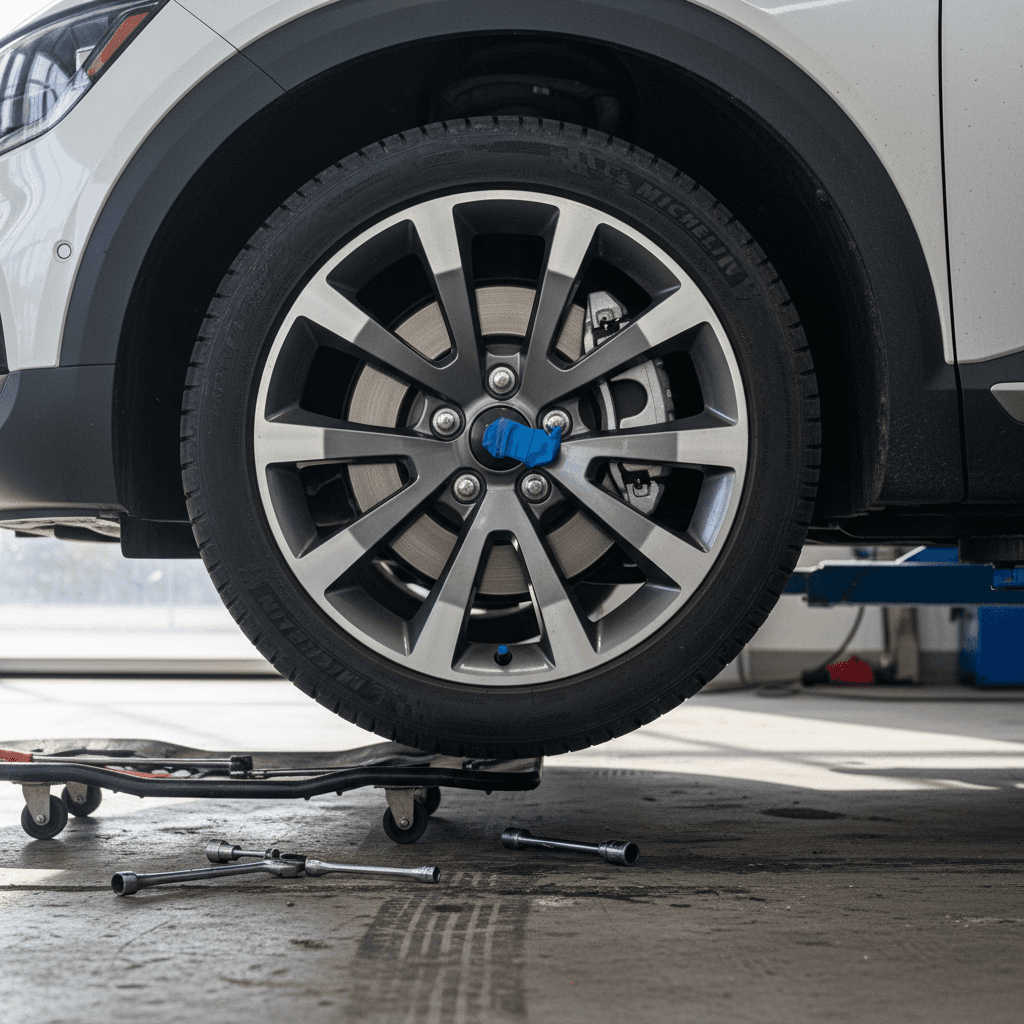
Used Kia EV9 maintenance checklist
1. Match invoices to the schedule
Ask for service records and see whether tire rotations roughly follow 8k‑mile intervals, and whether any brake‑fluid or coolant services have been performed for higher‑mileage examples.
2. Pay attention around 45k–60k miles
If the EV9 is near 48,000 miles and there’s no record of brake‑fluid replacement, budget that service soon after purchase.
3. Inspect tires and brakes in person
Uneven tire wear or deeply grooved rotors may signal skipped rotations or long intervals between inspections. Factor replacement into your offer.
4. Ask about software updates and recalls
A Kia dealer can pull a report by VIN. Regular OTA or dealer updates are a sign the previous owner stayed engaged with the car.
5. Get battery health data if possible
At Recharged, every vehicle gets a <strong>Recharged Score</strong> with verified battery health diagnostics, so you’re not guessing how the previous owner treated the pack.
Kia EV9 maintenance schedule FAQ
Frequently asked questions about the Kia EV9 maintenance schedule
Bottom line on the Kia EV9 maintenance schedule
Owning a Kia EV9 doesn’t mean an endless stream of dealership visits, but it also doesn’t mean you can ignore maintenance altogether. If you rotate the tires about every 8,000 miles, replace brake fluid roughly every 48,000 miles or 4 years, and address coolant around 120,000 miles or 10 years, while documenting everything, you’ll be squarely in line with Kia’s expectations and what savvy used‑EV buyers are looking for.
If you’re considering a used EV9, or comparing it to other three‑row EVs, a transparent maintenance and battery‑health story is critical. That’s exactly the gap Recharged is built to fill: every vehicle we list comes with a Recharged Score Report that covers verified battery health, service history, and fair market pricing, plus EV‑specialist support from first click to final delivery. When you’re ready, you can shop used EVs or talk to us about trading in your current vehicle with confidence.