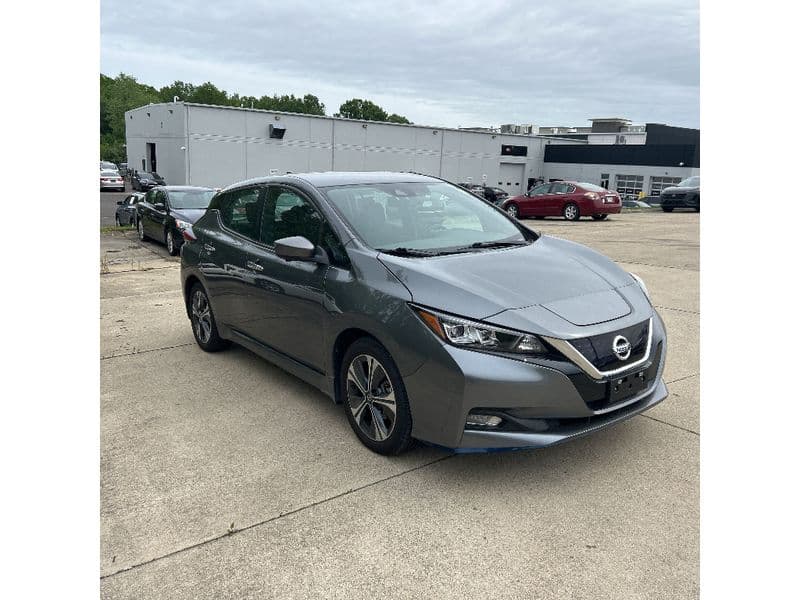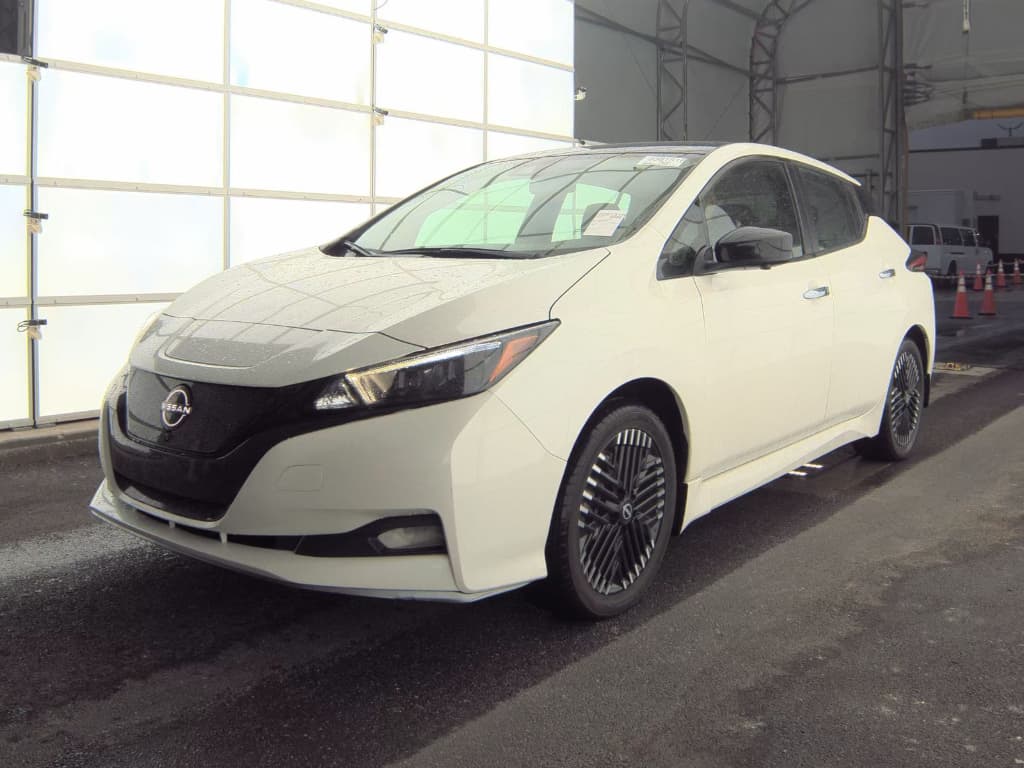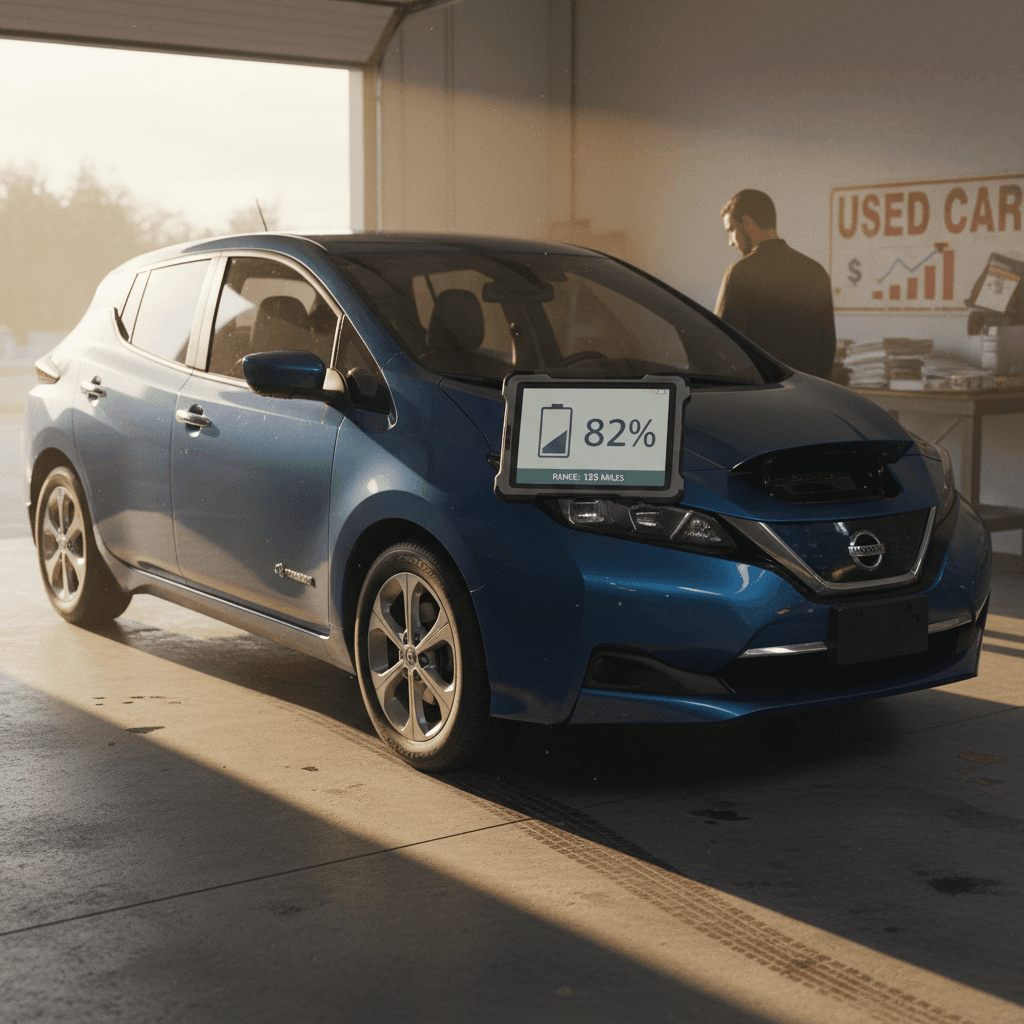
If you’re wondering whether the Nissan Leaf is a good car, you’re not alone. The Leaf was one of the first modern mass‑market EVs, and in 2025 it’s also one of the most affordable ways to go electric, especially on the used market. But its early battery issues, modest range, and steep depreciation mean it’s not automatically a slam dunk for every driver.
Short answer
Is the Nissan Leaf a good car in 2025?
Whether the Leaf is a “good car” depends less on the car itself and more on how you plan to use it. Newer Leafs (2018 and newer, especially with the larger battery) are quiet, smooth, cheap to run, and packed with safety tech. Older models can still be good values but require more homework on battery health and range. The Leaf shines as a second car, commuter, or city runabout; it’s weaker as a primary long‑distance road‑trip machine because of limited range and charging speed.
Nissan Leaf at a glance (current US market)
Who the Leaf fits best
Quick take: Nissan Leaf pros and cons
Nissan Leaf pros and cons
A balanced look before you dive deeper
What the Leaf does well
- Low operating costs: Electricity is cheaper than gas, and maintenance is minimal (no oil, belts, or exhaust).
- Comfortable city car: Quiet, smooth, and easy to park, with instant EV torque.
- Affordable used pricing: Heavy depreciation means you can often buy a lot of car for the money.
- Strong safety tech on newer models: Available ProPILOT Assist, automatic emergency braking, blind‑spot warning, and more.
- No tailpipe emissions: Great for local air quality and climate‑conscious drivers.
Where the Leaf falls short
- Limited highway range: Even newer Leafs top out around 200+ miles, and real‑world range can be less.
- Battery degradation on early cars: 2011–2015 cars, and hot‑climate vehicles, often have significantly reduced range.
- Slow fast‑charging: CHAdeMO DC fast charging is slower and less common than newer CCS/NACS networks.
- Steep depreciation: Great if you’re buying used, not so great if you bought new.
- Recent battery fire recalls: 2019–2022 Leafs with fast‑charge ports have open recalls that must be addressed.
Range and daily usability
Range is where many shoppers decide whether the Nissan Leaf is a good car for them. Early Leafs were built before 200‑mile EVs were common, and even the latest models aren’t chasing maximum range, they’re aiming at practicality and price.
Approximate range by Nissan Leaf generation
EPA‑rated ranges for key Leaf batteries and trims (real‑world figures can be lower depending on conditions).
| Model years / trim | Battery | Official EPA range | Typical real‑world range |
|---|---|---|---|
| 2011–2012 Leaf | 24 kWh | 73–76 mi | 50–70 mi (most now lower due to age) |
| 2013–2015 Leaf | 24 kWh (improved) | 84 mi | 60–75 mi when new; less now |
| 2016–2017 Leaf | 30 kWh | 107 mi | 75–95 mi |
| 2018–2022 Leaf S | 40 kWh | 151 mi | 110–140 mi |
| 2019–2024 Leaf SV/SL Plus | 62 kWh | ≈215–226 mi | 150–190 mi |
| 2025 Leaf S | 40 kWh | ≈150 mi | 110–140 mi |
| 2025 Leaf SV Plus | 62 kWh | ≈210 mi | 150–190 mi |
Use these numbers as a starting point; always check the actual car’s window sticker or EPA label if available.
Don’t buy on EPA range alone
When Leaf range is usually enough
- You commute under 60 miles round‑trip and can plug in nightly.
- You mostly drive in town at lower speeds, where EVs are most efficient.
- You have another gasoline or long‑range EV in the household for road trips.
- You’re replacing an older compact car used mainly for errands and school runs.
When you may want more range
- You regularly drive 150+ miles in a day.
- You rely heavily on public DC fast charging, Leaf’s CHAdeMO port limits options.
- You live in very cold or very hot climates where range drops more sharply.
- You plan to keep the car 8–10+ years and want as much buffer as possible.
Battery health and degradation: early vs newer Leafs
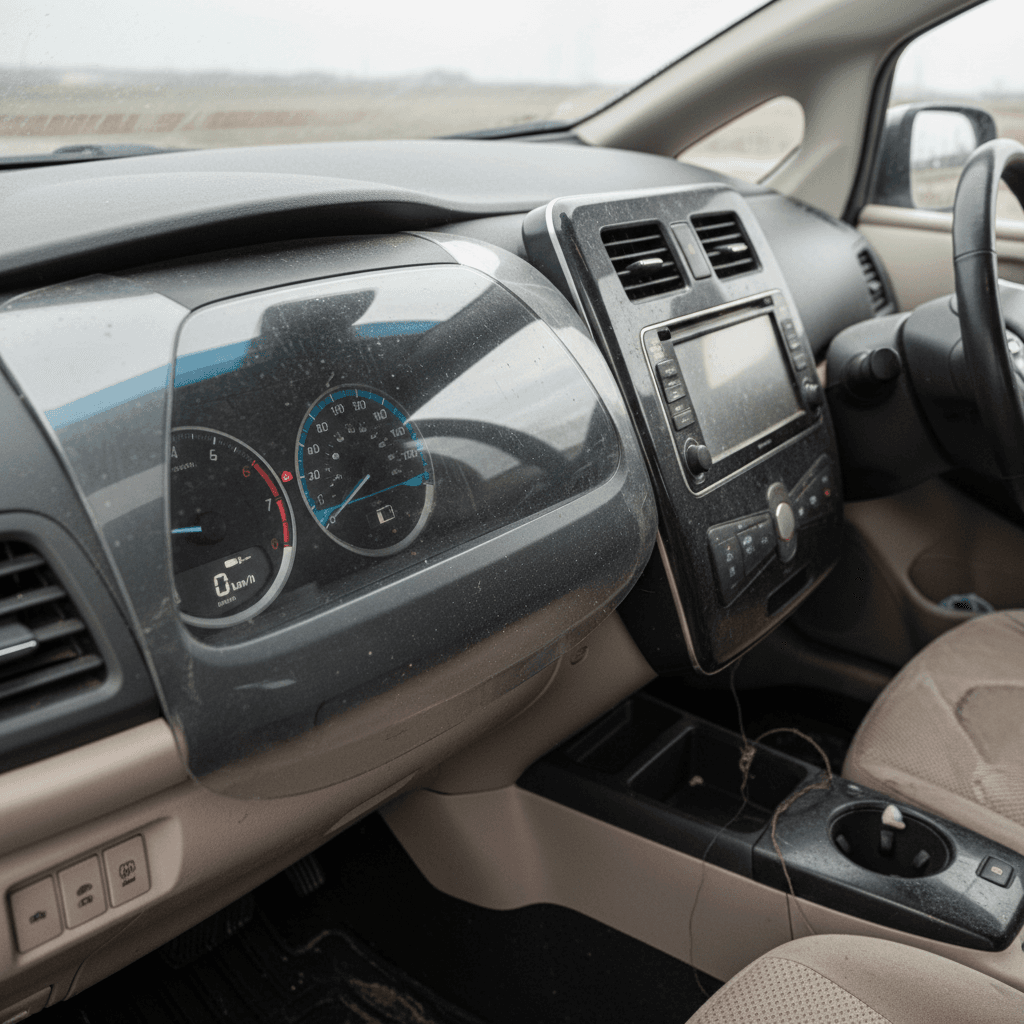
The single most important question with any used Leaf is: how healthy is the battery? Unlike many newer EVs, early Leafs lacked active liquid cooling, and their smaller packs proved vulnerable to heat, especially in hot‑weather states. The result: noticeable battery degradation and reduced range on many 2011–2015 cars.
- 2011–2012: First‑generation chemistry, no active cooling. Many cars in hot climates have lost a large portion of original range.
- 2013–2015: Improved but still air‑cooled pack. Better than the very first cars but still prone to degradation in extreme heat.
- 2016–2017 (30 kWh): More capacity but a mixed record on degradation, battery health varies a lot car‑to‑car.
- 2018+ (40 & 62 kWh): Newer chemistry and larger packs, generally aging more gracefully if not abused. Still air‑cooled, so heat and frequent DC fast charging can shorten life.
Recent battery fire recalls
Why Recharged’s battery data matters
Reliability, maintenance, and recent recalls
Mechanically, the Nissan Leaf is a fairly simple car: no engine, no transmission with lots of gears, no exhaust system, and far fewer moving parts than a gasoline vehicle. That simplicity usually translates into solid day‑to‑day reliability and low maintenance costs.
Leaf reliability and upkeep
What you can expect to service, and what you won’t
Lower routine maintenance
- No oil changes or tune‑ups.
- Fewer fluids to service.
- Brake pads often last much longer thanks to regenerative braking.
Battery & electronics issues
- Battery degradation on older cars can feel like an "invisible" reliability issue, less range over time.
- High‑voltage components are expensive if they fail out of warranty.
- Recent recalls highlight the need to stay current on software updates.
Warranty coverage
- Newer Leafs include an 8‑year / 100,000‑mile battery warranty against excessive capacity loss.
- Basic bumper‑to‑bumper coverage is shorter, so older used cars may be out of warranty entirely.
Stay on top of recalls
Cost of ownership and depreciation
From a monthly‑cost perspective, the Leaf is one of the cheapest compact cars to own, especially if you charge at home on a reasonable electricity rate. Several cost‑to‑own studies place late‑model Leafs among the best compact cars for 5‑year ownership costs thanks to low fuel and maintenance spending.
Fuel and maintenance savings
Where the Leaf takes a hit is depreciation. Historic data shows Leafs losing around 60–66% of their original value in the first five years. That’s tougher news if you bought new, but a big win if you’re shopping used today: someone else already paid for most of the drop in value, and you reap the benefit.
Depreciation snapshot
How to use depreciation to your advantage
Safety ratings and driver-assistance tech
On the safety front, the Nissan Leaf has done well over the years, with strong crash‑test scores from both the IIHS and NHTSA on recent models. Later generations add a full suite of active safety tech that make the Leaf feel more modern than its age might suggest.
- Standard automatic emergency braking with pedestrian detection on newer models.
- Available ProPILOT Assist (adaptive cruise + lane‑centering) on SV and higher trims.
- Available blind‑spot monitoring, rear cross‑traffic alert, and lane‑departure warning.
- Multiple airbags and a rigid structure designed around an EV battery pack.
Good news on safety
Which Nissan Leaf years and trims are best?
Not every Leaf is created equal. Nissan has updated the battery, range, and tech several times since 2011. Here’s a quick guide to which versions tend to make the most sense in today’s used market.
Best Leaf generations for most buyers
Focus on battery, range, and value, not just price
Budget city runabout: 2015–2017
If you drive short distances and want the lowest price, a 2015–2017 Leaf can work well, especially in cooler climates. The 30 kWh pack (2016–2017) offers a bit more range, but battery health must be carefully checked.
Sweet spot: 2018–2022 (40 kWh)
These Leafs bring modern styling, better safety tech, and a 40 kWh battery rated around 150 miles when new. A great choice for commuters, so long as battery health is solid.
Best for range: 2019–2024 Leaf Plus (62 kWh)
If you want a Leaf that can stretch to 200+ miles on the EPA test, look for SV Plus or SL Plus trims. Just confirm any battery recalls are completed and check fast‑charging habits.
Watch climate and usage history
Checklist: what to check before you buy a used Leaf
Essential pre‑purchase checks for a Nissan Leaf
1. Verify battery state of health (SOH)
Use a professional scan tool, Recharged’s diagnostics, or a trusted shop to get a SOH percentage, not just the dash bars. This tells you how much capacity, and therefore range, you really have.
2. Confirm open recalls are handled
Ask for documentation that any battery‑related recalls or software updates, especially on 2019–2022 cars with fast‑charge capability, have been completed.
3. Review charging history
Frequent DC fast charging, especially in hot climates, can accelerate degradation. A car primarily charged at home on Level 2 generally ages more gently.
4. Inspect tires, brakes, and suspension
EVs are heavier than gas compacts, so tires can wear faster. Make sure tread depth, ride quality, and brake feel are all in good shape.
5. Test all EV‑specific features
Check that the charge port doors open smoothly, the car charges on Level 1 or Level 2 equipment, and that any timed‑charging or pre‑conditioning features work properly.
6. Take a realistic test drive
Drive your likely daily route mix, city and highway if that’s your reality. Watch energy use, projected range, and how you feel about the Leaf’s performance and comfort.
How Recharged can help you buy a Leaf confidently
Because the Leaf’s value depends so heavily on battery condition and use‑case fit, buying the right one is more important than scoring the cheapest one. That’s exactly where Recharged comes in.
Buying a Nissan Leaf through Recharged
Designed to make used EV ownership simple and transparent
Recharged Score battery diagnostics
Every Leaf we list comes with a Recharged Score Report that includes detailed battery health data, range projections, and fair‑market pricing, so you’re never guessing about the most expensive component in the car.
Flexible ways to buy or sell
Trade in your current car, get an instant offer, or sell via consignment. If you already own a Leaf and want out, we can help you get a competitive price and put you into something that better fits your needs.
Financing and nationwide delivery
We offer EV‑friendly financing, expert guidance from EV specialists, and delivery to your door. You can complete the entire process online or visit our Experience Center in Richmond, VA.
Ready to find your next EV?
Browse VehiclesNissan Leaf FAQ
Frequently asked questions about the Nissan Leaf
Bottom line: is a Nissan Leaf right for you?
So, is the Nissan Leaf a good car? For the right driver, absolutely. It’s quiet, comfortable, inexpensive to run, and surprisingly refined, especially in newer trims. But it’s not a one‑size‑fits‑all EV. The Leaf rewards buyers who match the car to their lifestyle, choose the right battery and model year, and insist on clear battery‑health information before they buy.
If your driving is mostly local, you have regular access to charging, and you value low running costs over maximum range or road‑trip flexibility, a well‑chosen Leaf can be one of the best values in the EV world. If you’d like help finding a Leaf that fits your life, or deciding whether another used EV would serve you better, take a look at the Leafs available on Recharged or reach out to our EV specialists for one‑on‑one guidance.