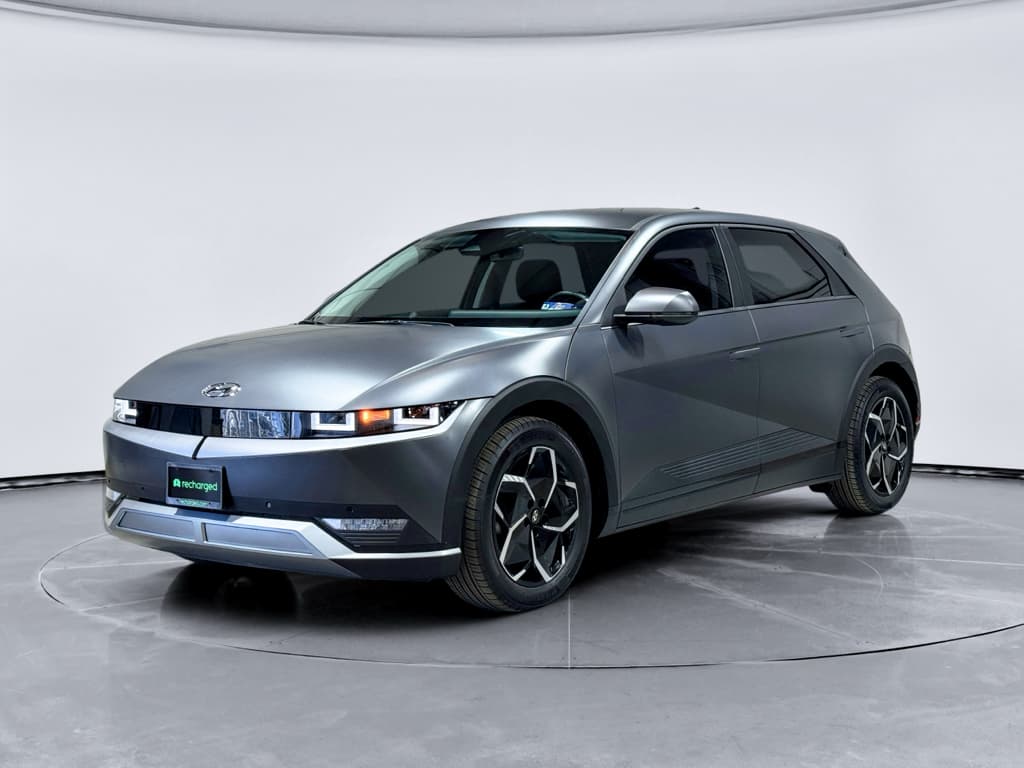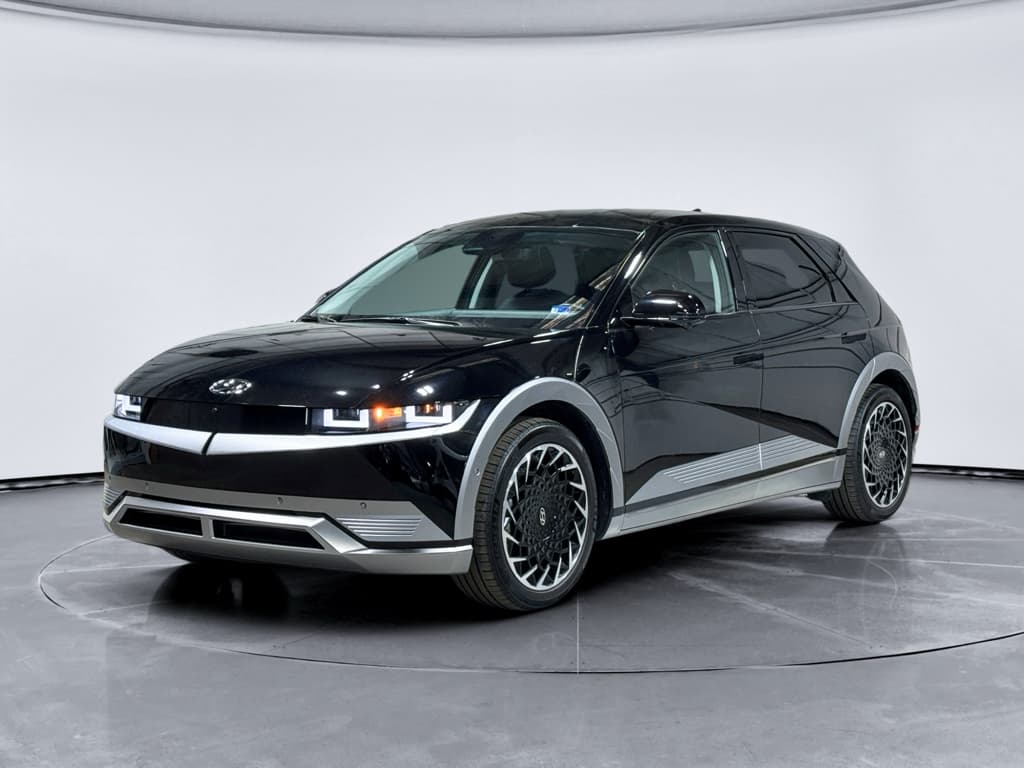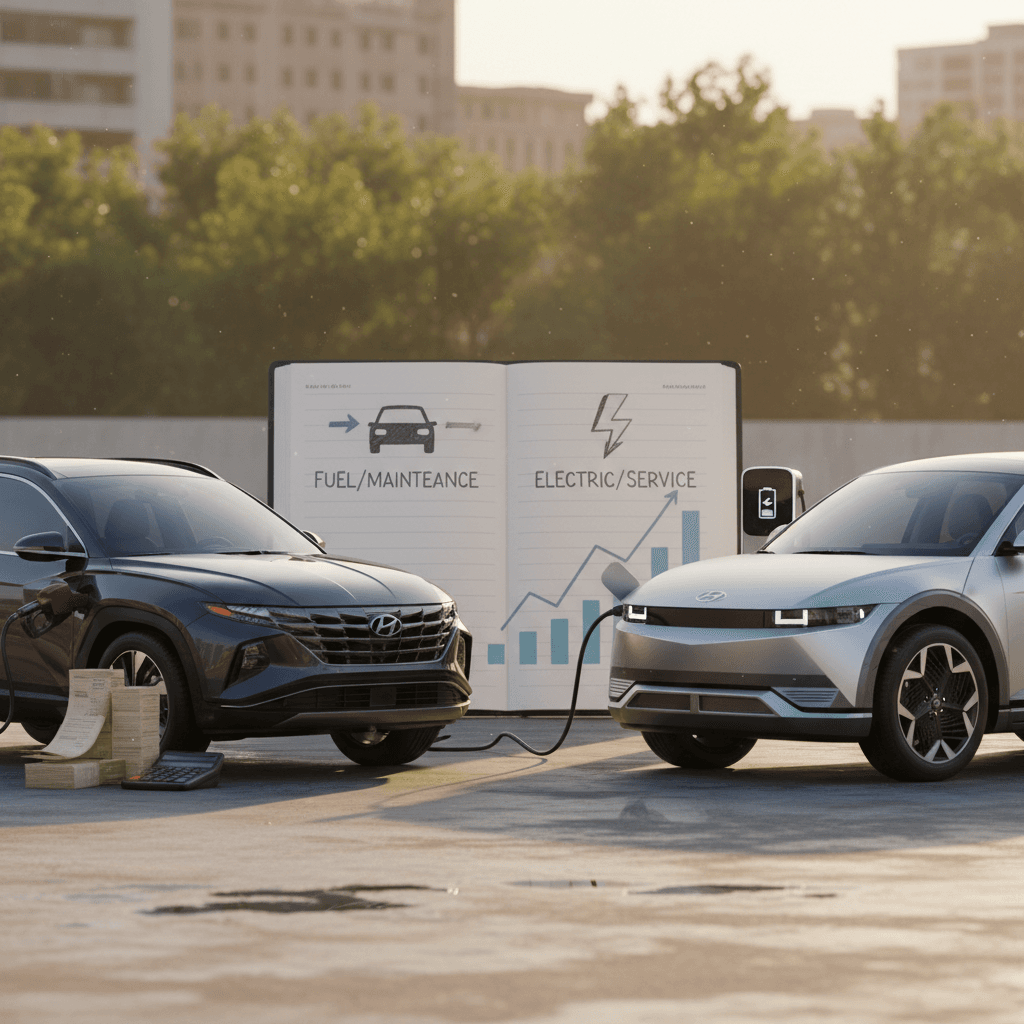
You look at the Hyundai Tucson and the Hyundai Ioniq 5 and see two similar-size family crossovers. One burns gas, one runs on electrons. The real question is simple: over years of daily driving, which one actually costs you less? That’s the heart of the Hyundai Tucson vs Hyundai Ioniq 5 total cost of ownership debate, and it’s exactly what we’re going to unpack with real‑world style numbers and plain English.
Models and assumptions used here
Why compare the Hyundai Tucson and Ioniq 5 on total cost?
The Tucson and Ioniq 5 live in the same world: roomy compact crossovers with family‑friendly space, familiar Hyundai tech, and similar sticker prices once you factor in incentives. On a dealer lot, the Tucson can look cheaper up front, but that’s only page one of the story. Total cost of ownership (TCO) adds in fuel or electricity, maintenance, insurance, taxes, fees, and what the vehicle is still worth when you’re ready to sell or trade.
- You’re cross‑shopping Tucson and Ioniq 5 and want numbers, not just opinions.
- You’ve owned gas SUVs forever and wonder if the switch to an EV actually pencils out.
- You’re eyeing a used Ioniq 5 and want to compare it to a used Tucson on long‑term cost, not just price on the windshield.
Think in years, not months
How we built this Tucson vs Ioniq 5 cost comparison
Every driver is different, but you need baseline assumptions to compare anything. Here’s the framework we’ll use for Hyundai Tucson vs Hyundai Ioniq 5 total cost of ownership. You can mentally adjust the numbers for your own reality as you read.
Key assumptions for this comparison
Use these as a starting point and tweak for your own driving
Driving & time frame
- 12,000 miles per year
- 5‑year main comparison
- 10‑year long‑term view
Energy costs
- Gas: about $3.50/gal average
- Electricity: about $0.15/kWh home charging
- Mostly home charging for Ioniq 5
Other costs
- Normal wear-and-tear driving
- Factory warranty coverage early on
- No major accidents or abuse
Treat these as guideposts, not gospel
Purchase price, tax credits, and incentives
Start with what you pay to get the keys. On paper, a gas Hyundai Tucson has the edge because it doesn’t carry the cost of a big battery. But the Ioniq 5 can tap into federal and state EV incentives, especially if you’re open to buying used or going through a dealer who qualifies for tax credits at the point of sale.
Typical new purchase price snapshot (illustrative only)
Approximate 2026 U.S. market numbers for well‑equipped trims; your local pricing will vary.
| Item | Hyundai Tucson (gas) | Hyundai Ioniq 5 (EV) |
|---|---|---|
| MSRP for popular trim | $32,000 | $42,000 |
| Dealer discounts / incentives | - $1,500 | - $2,000 |
| Potential federal or state EV incentives | N/A | - up to several thousand (depending on eligibility) |
| Rough out‑the‑door starting point (before taxes) | ≈ $30,500 | High $30Ks to low $40Ks after incentives |
These figures are directional and rounded for clarity, not quotes from any single dealer.
New vs used: EVs get interesting
If you’re looking at used, this is where Recharged comes in. A used Ioniq 5 from Recharged includes a Recharged Score Report with verified battery health and fair‑market pricing. That battery report matters, because it’s the heart of your long‑term EV costs in a way gas buyers never have to think about.
Fuel vs electricity: what you’ll actually pay to drive
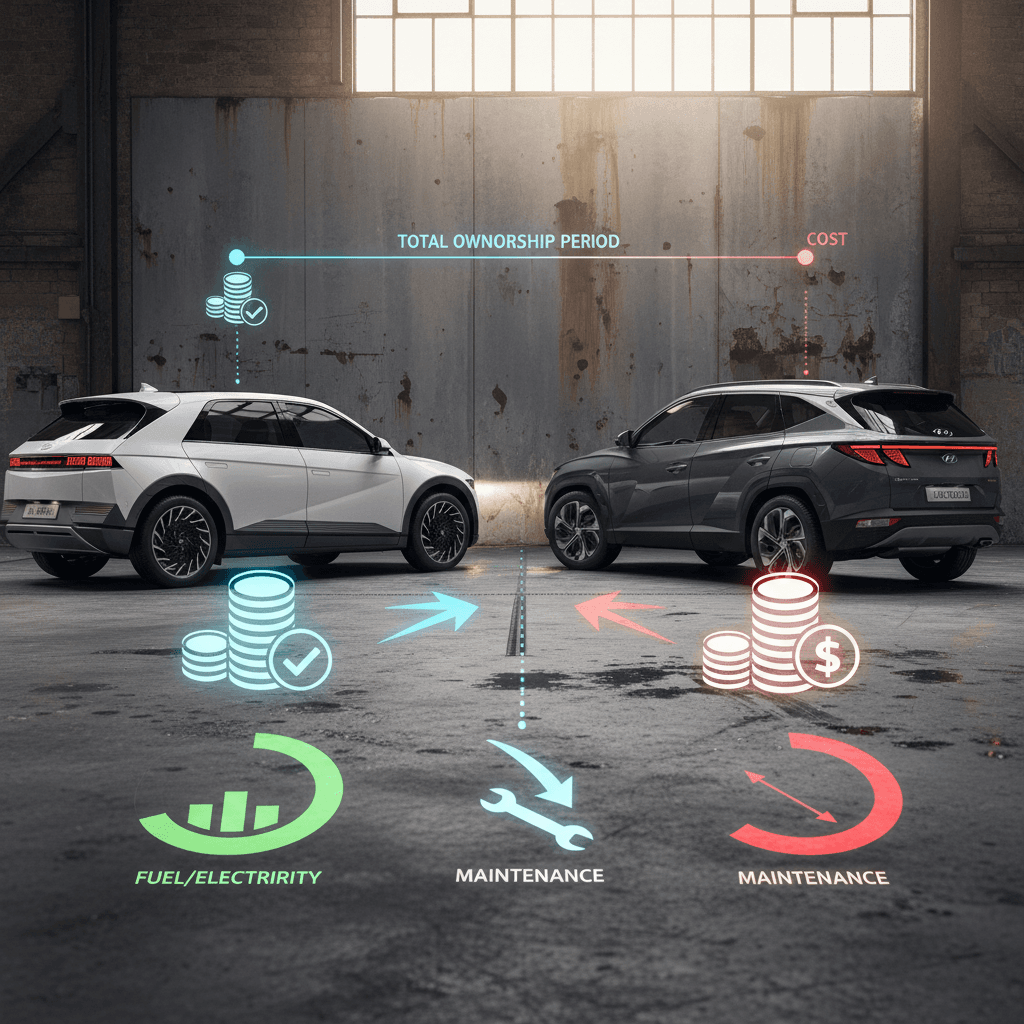
Energy is where EVs quietly change the math. A compact gas SUV like the Tucson chews through fuel. The Ioniq 5 sips electricity by comparison, especially if you can charge at home overnight.
Annual energy costs: Hyundai Tucson vs Hyundai Ioniq 5
Public fast charging vs home charging
Maintenance and repairs: where EVs quietly win
Pop the hood on a Tucson and you’re looking at an internal‑combustion greatest‑hits album: engine, transmission, timing components, exhaust, spark plugs, fluids galore. The Ioniq 5 keeps things simple: electric motor, reduction gear, battery, and far fewer moving parts. That difference shows up in your long‑term maintenance bills.
Typical Tucson maintenance
- Regular oil and filter changes
- Transmission fluid services over time
- More frequent brake service (pads/rotors) due to less regenerative slowing
- More items to diagnose as the miles climb
Budgeting a four‑figure maintenance and repair tab over 5 years on a gas SUV is realistic, especially beyond the basic warranty period.
Typical Ioniq 5 maintenance
- No oil changes, no spark plugs, no traditional transmission service
- Tires, cabin air filters, brake fluid, alignment checks
- Brakes often last longer thanks to regenerative braking
Most EV owners see lower shop bills over the same mileage, especially if they keep up with simple preventive items.
Why battery health matters more than oil changes
Ready to find your next EV?
Browse VehiclesInsurance, registration, and extra EV fees
Insurance and fees are the sleeper line items in total cost of ownership. They won’t decide the entire Tucson vs Ioniq 5 story, but they can tilt your personal math one way or the other.
What to expect for insurance and fees
These are tendencies, not hard rules, always get real quotes for your garage and zip code.
Insurance premiums
Ioniq 5 can cost a bit more to insure than a comparable Tucson because it’s newer tech and pricier to repair after a major crash. On the other hand, modern safety tech can help.
Registration & taxes
Some states charge extra annual fees for EVs to replace gas tax revenue. Others cut you a break with lower registration or carpool perks. Tucson doesn’t see EV‑specific fees, but pays fuel tax at the pump.
Net effect
In many cases, slightly higher insurance and EV fees on an Ioniq 5 are more than offset by fuel and maintenance savings. But it’s smart to price out insurance for both before you sign.
Don’t assume your current insurer is cheapest for an EV
Depreciation and resale value: who holds value better?
Depreciation is the big invisible cost in car ownership. It’s the difference between what you paid and what you can realistically sell or trade for later. Gas compact SUVs like the Tucson depreciate in a predictable way. EVs like the Ioniq 5 have been on a faster roller coaster, early demand spikes, then discounting waves, then stabilizing as the market matures.
- A Tucson should follow a fairly traditional curve: the sharpest drop in the first 3 years, then a slower slide.
- The Ioniq 5’s value is tied closely to EV incentives, charging infrastructure, and battery tech, factors that can swing more dramatically.
- Well‑cared‑for Ioniq 5s with documented battery health (via tools like the Recharged Score) should command stronger prices than mystery‑history EVs.
How EV depreciation can work in your favor
5‑year Hyundai Tucson vs Ioniq 5 total cost summary
Let’s put the big pieces together into a simple, directional five‑year picture. Again, these are illustrative U.S. averages, not quotes. The point is to show where each vehicle tends to cost more or less, not to predict your exact bottom line.
Illustrative 5‑year total cost of ownership
Assumes 12,000 miles/year, mostly home charging for Ioniq 5, and typical U.S. averages for fuel, electricity, and maintenance. Depreciation estimates are intentionally conservative and rounded.
| 5‑year category | Hyundai Tucson (gas) | Hyundai Ioniq 5 (EV) |
|---|---|---|
| Fuel / electricity | ≈ $8,500 | ≈ $2,700 |
| Maintenance & repairs | Higher (more fluids & services) | Lower (fewer wear items) |
| Insurance & fees | Slightly lower | Slightly higher in many markets |
| Depreciation | Moderate, predictable | Can be higher from new, but often similar from used |
| Net 5‑year tendency | Lower up‑front, higher running costs | Higher up‑front, lower running costs |
Use this as a comparison framework, plug in your own local numbers for a more precise answer.
Where the 5‑year math often lands
Looking out 10 years: long‑term ownership picture
Stretch the clock to 10 years and a few things change. Battery life and replacement anxiety loom larger for the Ioniq 5. For the Tucson, years 7–10 are when you’re more likely to see bigger bills for mechanical components aging out.
10‑year Tucson outlook
- Ongoing fuel spend with no relief in sight
- More frequent repairs as the vehicle ages
- Resale value tapers but remains familiar territory
If you’re handy, you can offset some of this with DIY work. If you rely entirely on shops, those late‑life repairs add up.
10‑year Ioniq 5 outlook
- Fuel savings compound year after year
- Fewer moving parts mean fewer big mechanical surprises
- Battery health is the big question, most modern packs are engineered to maintain useful range well past a decade
That’s where real battery diagnostics like the Recharged Score change a guess into a data‑driven decision if you’re shopping used or trading in later.
Don’t guess on an older EV’s battery
Used Hyundai Ioniq 5 vs used Tucson: where Recharged fits in
On the used market, the Hyundai Tucson brings a comforting sense of familiarity: you know roughly what to expect from a three‑ or five‑year‑old gas SUV. The Ioniq 5 brings something more modern, and a few more questions. That’s where a purpose‑built used‑EV marketplace like Recharged comes in.
How Recharged simplifies used Ioniq 5 ownership costs
1. Verified battery health
Every vehicle gets a Recharged Score Report that includes battery diagnostics, so you’re not guessing about the most expensive component on the car.
2. Transparent pricing
Recharged benchmarks pricing against the broader EV market, so you can see how a used Ioniq 5 stacks up to gas SUVs like the Tucson on value, not just sticker shock.
3. Financing built for EVs
With EV‑aware financing options, you can line up a payment plan that matches your actual operating costs, not just yesterday’s gas‑SUV assumptions.
4. Trade‑in and instant offers
Bring your current gas SUV into the future. Recharged can provide instant offers or consignment options, whether you’re moving from a Tucson or something similar into an Ioniq 5.
5. Expert EV guidance
Recharged’s EV specialists can walk you through charging setup, realistic range, and ongoing costs so you understand what you’re signing up for before you switch.
Who should choose the Tucson vs the Ioniq 5?
When a Hyundai Tucson may fit better
- You have no practical way to charge at home or work.
- You mostly drive in rural areas with limited charging infrastructure.
- You prioritize lowest possible up‑front price and plan to keep the vehicle a shorter time.
- You’re more comfortable with known maintenance patterns and any trusted mechanic can work on it.
When a Hyundai Ioniq 5 shines
- You can reliably charge at home or work, even on a standard outlet at first.
- You drive enough miles that fuel savings matter, commuters and road‑trippers benefit most.
- You plan to keep the vehicle long enough for lower running costs to overtake a higher purchase price.
- You like the idea of driving something that’s quieter, quicker off the line, and future‑leaning.
Test‑drive both, but think like an accountant afterward
Hyundai Tucson vs Ioniq 5 total cost of ownership: FAQ
Frequently asked questions about Tucson vs Ioniq 5 ownership costs
Bottom line: which one really costs less to own?
If you only look at the sticker, the Hyundai Tucson usually seems like the cheaper bet. Once you add up fuel, maintenance, insurance, and resale, the Hyundai Ioniq 5 pulls even, and for many drivers, quietly crosses the line into lower total cost of ownership, especially beyond five years and above 12,000 miles a year.
So the right answer isn’t that one is universally cheaper. It’s that the Tucson favors short‑term, low‑mileage, no‑infrastructure scenarios, while the Ioniq 5 rewards drivers who can charge at home and plan to keep their vehicle long enough for the math to work in their favor. If you’re ready to run those numbers on a real car instead of an example on a page, explore used Ioniq 5 listings on Recharged, where every EV comes with verified battery health, transparent pricing, financing options, and EV‑savvy support from first click to delivery.